
AYURVEDA FOR YOUR ORGANS
September 10, 2020 AYURVEDA FOR YOUR ORGANS Contact Us +65 6398 0415 admin@ayurvedasg.com Recent Articles Ayurveda provides great at home remedies to maintain the health of all organs. Below is a list of ayurvedic therapies for the lungs, kidneys, heart and digestive tract. Follow them regularly to experience prolonged relief from any ailments. LUNGS Kapha accumulates in the lungs in the form of phlegm. This can be prevented by daily consumption of tulsi tea. Tulsi tea is made by boiling a few leaves in water, and adding ground peppercorns. Ginger can also be pounded and added. Allow it to steep in water and then drink with a little honey or sugar. Soak a handful of raisins in water and chew on these every morning. This improves lung health over an extended period of time. Include pranayama in your daily routine to prevent infection of the lungs and keep them strong and healthy. This can be done along with yoga regularly for best results. If you have a cough, a mixture of ginger powder, cumin and a small amount of sugar can provide immediate relief and soothe the throat and lungs. If your throat is sore or congested, chewing and sucking on black pepper and sugar can help reduce the hoarseness. HEART Amalaki or Indian gooseberry is renowned for its heart healing properties. Drink Amla juice or eat Amla powder every day for a healthy heart. High levels of cholesterol is a growing problem in many parts of the world due to unhealthy eating habits. Eat 2 cloves of garlic every morning to help reduce cholesterol and prevent coronary disease. When sleeping, lay down with your head facing the south or east to bolster good heart health. DIGESTIVE TRACT Eat a few crushed basil leaves with water to prevent any digestive Soak fenugreek seeds in lemon juice and refrigerate. Chew a little of this after dinner every day to prevent indigestion and constipation. After every meal, take a short walk to allow the body to digest the food effectively. However, after lunch, it is advisable to take a short 10-minute nap to hasten the digestion process. Discomfort due to accumulation of gases in the stomach can be reduced by the following ayurvedic method. Lay on your back and take 8 deep breaths, repeat on your right side for 16 breaths and left for 32 breaths. This allows for better passage of food and helps expel and air in the body. KIDNEYS Avoid urinating immediately after a meal to prevent kidney stones, and other diseases such as prostate infections and bladder issues. Apple cider vinegar can help flush the kidneys. Drink a teaspoon with water every morning for a week. Do this every month or two for long term results. Drink plenty of warm water throughout the day to flush any ama or toxins from the body. This also helps keep the body hydrated and able to function effectively. Avoid sugar, excessive salt and tobacco for good kidney health.
AYURVEDIC MILK RECIPES

September 10, 2020 AYURVEDIC MILK RECIPES Contact Us +65 6398 0415 admin@ayurvedasg.com Recent Articles Going to bed and getting a night of restful sleep has become rarer with the advent of technology. Peering at a tiny phone screen for hours on end has become the norm, leading to more and more disruptive sleep patterns and even insomnia. Having an ayurvedic night routine can greatly help with better sleep and help you feel well-rested to tackle each day. There are several ayurvedic practices including pranayama, yoga and even deep oil foot massages which can help the body relax and prepare for a good night’s sleep. One other helpful ayurvedic remedy to improve quality of sleep is milk. A glass of warm milk has been considered a staple to attain deep sleep. Ayurveda takes it one step further by incorporating healing and soothing herbs and spices which can further enhance your rest cycles. MILK Milk is a great anupan or carrier substance. This is a similar characteristic to ghee which is also a good anupan. This ensures that any herbs or spices mixed with milk reach the tissues of the body and provide the necessary healing or nutritional effect. Milk also has the effect of pacifying the vata and pitta doshas. This is great for ensuring restful sleep every night. Whether cow’s milk, almond milk or coconut milk, they are all extremely cooling, providing great benefit to the body. AYURVEDIC RECIPES ANANTMOOL-ROSE MILK This recipe is great for those suffering from an irritated mind and body heat. It helps cool and soothes the mind by reaching the nervous system. It works uniformly over the body and mind and can be a great addition to your nightly routine. Mix 1/2 teaspoon of Anantmool in warm milk. Add a healthy handful of rose petals (either fresh or dry) to the mixture. Add a sprig of saffron to enhance pitta pacifying effect. ASHWAGANDHA-CINNAMON MILK Sometimes the body does not calm down at the end of an active day. This results in high energy levels and a hyperactive mind at night which can make it extremely difficult to fall asleep. This is an indication of high vata in the body. Drinking this milk can help ground the body and relax the muscles and mind. It is a great way to unwind after a busy day. Mix 1/2 teaspoon of ashwagandha in milk. Crush some cinnamon into the mixture. Warm the milk to allow the essence of the spices to steep into it. ASHWAGANDHA-BRAHMI MILK Herbs ingested at night have an ayurvedic effect directly on the mind. This is a great time to consume manasika herbs as they are extremely potent and can help relax and de-stress. Mix 1/2 teaspoon of ashwagandha in milk. Add 1/2 teaspoon of brahmi and allow it to steep. Warm the milk. TIP – Add honey or jaggery if you want some sweetness. Cinnamon, ginger can be added to boost digestion.
INCOMPATIBLE FOOD COMBINATIONS ACCORDING TO AYURVEDA
September 03, 2020 INCOMPATIBLE FOOD COMBINATIONS ACCORDING TO AYURVEDA Contact Us +65 6398 0415 admin@ayurvedasg.com Recent Articles Proper digestion is the core of most ayurvedic healing methods. Having regular bowel movements and good gut flora is an indicator that the body is functioning without any issues. A good appetite is also an indicator of overall health. For this reason, Ayurveda places ample focus on maintaining a strong digestive fire or agni. Nowadays, junk food and takeout have become a major part of most urban households. This results in a growing problem of poor digestion. More and more people experiencing a variety of other symptoms simply as a result of digestive issues. Dietary supplements, digestive medicines are all becoming increasingly popular as people seek quick fixes to their issues with digestion. Ayurveda provides simple methods to fix your food habits, to ensure that the gastrointestinal system is always balanced and working effectively. One major reason for indigestion is incompatible food combinations. The type of food we should be eating, according to Ayurveda, is defined predominantly by our body type. There are specific diets tailored for each dosha imbalance, and these will therefore help the body realign itself. One common misconception lies in the fact that people tend to assume that healthy foods are healthy no matter when they are consumed, how they are eaten and by whom they are taken. According to Ayurveda, every food has a taste (rasa), an energy (virya) and a digestive effect (vipaka). Therefore, unlike the western concept of a balanced meal, the ayurvedic concept strives to achieve balance by analyzing these aspects of food. There are many possible ways to choose improper food combinations. The most probable is by consuming foods which have completely different energies or virya. This causes the agni to overpower itself in trying to digest each of the foods in different ways. Another way is by overconsuming foods of the same rasa, this unsettles the natural digestive harmony. In addition to this, many food combinations which might be good when mixed in the right proportions become extremely unhealthy when eaten in excess. Indigestion, purefaction, gas formation and toxin accumulation are all common side effects of eating the wrong foods together. There is also the possibility of upsetting the intestinal and gut flora, resulting in poor digestive activity. Ayurveda lists out a few tips to avoid incompatible food combos. Use herbs and spices to balance the effect of foods. Eg: Cooling mint in spicy food. Cardamom in coffee or ghee and pepper with potatoes can aid in alleviating any symptoms of bad food. Eat a bit of ginger with salt before every meal to boost agni. Consume ghee regularly in order to regulate digestion. Sip warm water throughout the day, and particularly during a meal to help with digestion and absorption. Drink a glass of lassi after every meal. Try to ensure that your stomach is 1/3rd filled with food, 1/3rd with liquid and 1/3rd left empty to stimulate better agni. Consult an ayurvedic doctor for the best diet for your dosha and experience better digestion and overall health.
TACKLING INFLAMED SINUSES WITH AYURVEDA

September 03, 2020 TACKLING INFLAMED SINUSES WITH AYURVEDA Contact Us +65 6398 0415 admin@ayurvedasg.com Recent Articles Sinusitis is a common affliction affecting millions of people every year. It is a result of numerous factors, both external and internal. According to Ayurveda, kapha and pitta body types are predisposed to be affected by sinus more so than vata body type. However, the causes may vary. Some occurrences of inflamed sinuses are a result of allergies to certain external elements such as pollen or dust, and sometimes, sinusitis is a result of a weakened immune system. Sinuses start off with symptoms of a regular cold, and slowly progress to show more symptoms such as: Runny nose Post-nasal drip Discoloured nasal discharge Frontal headache Toothache Halitosis Low grade fever Cough Sore throat Ayurvedic healing methods can be used to improve immunity and decrease allergic reaction. It also helps keep the nose clean and functioning effectively. Below are a few herbal remedies and ayurvedic tips to prevent and treat inflamed sinuses. Avoid consumption of cold foods or drinks if you are susceptible to sinus infections. Always ensure your head is covered when heading out into a cold environment. Eat warm, soothing food which is easy to digest. This is important particularly for kapha body types to prevent nasal congestion. Hot and dry foods are good for health, however, add a dash of olive oil, ghee or butter to make the food easier to digest and warm the body inside out. Limit your water consumption immediately after a meal. Rather than gulp down large quantities of water in one go, sip warm water throughout the day. The frequency is as important as the quantity when it comes to hydration, according to Ayurveda. Drink herbal teas made of ginger, tulsi, and soups such as lentil soup throughout the day. Season these with abundant black pepper to aid loosening of mucous and prevent sinus inflammation. Practice pranayama This allows the nostrils to expel any dust or pollutants, keeping the nasal path clear and clean. This helps prevent sinusitis. Use a neti pot to rinse the nasal cavities and rid them of any mucous. This must be done carefully, following precise instructions for the best results. Warm some mustard oil or sesame oil and put a few drops in each nostril. Breathe in deeply and spit out any oil which comes into your throat. Do this every morning or after every meal to keep your nasal cavities clean and healthy. Add eucalyptus oil to boiling hot water and inhale the steam. This helps loosen any phlegm and allows the body to sweat out any toxins. It helps clear the sinuses almost immediately. Add turmeric to your food. This is a great way to reduce congestion, inflammation and allergic tendencies. Always consult an ayurvedic doctor for the best Ayurvedic regimen to treat your illnesses.
SIMPLE AYURVEDIC CLEANSE
September 03, 2020 simple-ayurvedic-cleanse Contact Us +65 6398 0415 admin@ayurvedasg.com Recent Articles An ayurvedic cleanse is a great way to reset the body and remove all toxins. It helps promote better digestion and encourages lymphatic drainage. In today’s world, stress, anxiety and poor eating habits are commonplace. This means more and more people are suffering the consequences of accumulated waste within the body, in the form of toxins, fats, and stagnant lymph. This can cause symptoms such as “brain fog”, tiredness, waking up stiff, frequent colds and poor digestion. An ayurvedic cleanse is a great way to get things moving, and remove all unnecessary accumulation of ama from the body. Depending on how frequently you do a cleanse, and the amount of accumulation and time available, you can do a 4 – 14 day cleanse or even a professional panchakarma therapy which will leave your body completely detoxified and stress free. An ayurvedic cleanse consists of 5 steps: Non-fat kitchari diet Oleation Herbal supplements Hydration Purgation NON-FAT KITCHARI DIET Kitchari is an ayurvedic staple which consists of boiled rice, yellow dal, and spices. It is non-fatty and extremely soothing. Warm Kitchari helps remove any fat which has been retained in the body and boost the digestive system. It can be eaten alone for every meal for a set duration, or can be complemented with other non-fat ayurvedic foods. During this period of eating Kitchari, avoid all snacks and fatty food substances. This allows the process of detoxification to go smoothly. Kitchari is extremely wholesome and calms the stomach and intestines. OLEATION Oleation is usually done in two steps: internal oleation and external oleation. Oil has always been a major part of Ayurveda and is used as a part of almost all ayurvedic therapies. Regular oil massage or Abhyangam must be done daily during an ayurvedic cleanse. For internal oleation, the best fatty substance to be ingested is ghee. Ghee is a great remedy for numerous issues and by ingesting large quantities of this during the period of the cleanse, it rides the body of all harmful toxins and gets the lymph nodes to function better. This is an important step to promote healing during a cleanse. HERBAL SUPPLEMENTS The non-fat diet is accompanied by a number of herbs which are ingested for two reasons – to detox and to improve digestion. Some herbs are digestive, which implies they must be taken before meals to improve agni, and promote better digestion. The other herbs are detox herbs, eaten after meals to help smoothen the elimination process. This ensures that no undigested food is left anywhere in the digestive tract and intestines. There are numerous ayurvedic herbs which are prescribed according to the body type and dosha of the individuals. When consumed correctly, these herbs work wonders in healing the body inside out. HYDRATION This step is important to fully see the effects of an ayurvedic cleanse. The best way to ensure your body gets the required amount of water is to sip on warm water throughout the day. The goal is to flush the body of all toxins and provide deep hydration to all the organs. Hydration is key to healing the body and care must be taken to ensure you only drink warm water. Cold water slows down the digestion process disrupting the cleanse. PURGATION At the end of the ayurvedic cleanse period, a laxative is prescribed to allow the body to purge itself of all wastes. This is the final and most important step of an ayurvedic cleanse, and once completed, leaves the body feeling light and refreshed. After completion of an ayurvedic cleanse it is important to gradually ease your eating habits back to normal, or a healthier ayurvedic diet as recommended by a skilled practitioner. This helps the body maintain itself and provides long-term health benefits.
6 FOODS FOR DIABETICS

August 28, 2020 6-foods-for-diabetics Contact Us +65 6398 0415 admin@ayurvedasg.com Recent Articles Diabetes is a disease which affects millions of people. Both Type 1 and Type 2 diabetes are prevalent however, Type 2 is more common. This disease can be managed effectively with Ayurveda to live a long and pain-free life. However, care must be taken to ensure that the body is functioning properly. Ayurveda classifies food according to taste. For diabetics, it is recommended to avoid sweet, salty and sour foods and include more bitter, astringent and pungent food in daily diet. Below are a few foods which can help manage diabetes and have powerful healing properties as well when consumed regularly. INDIAN BLACKBERRIES Indian blackberries are great for those suffering from diabetes. These berries are rich in antioxidants and the seeds have been used predominantly to fight diabetes. Simply by consuming the seeds of the Indian blackberries, the conversion rate of starch to sugar is slowed down drastically, thereby reducing blood sugar levels. FLAX SEEDS Flax seeds are a superfood which can help diabetics to a large extent, particularly those suffering from Type 2. Eating a spoonful of Flax seeds everyday improves heart health, and prevents strokes which might be associated with diabetes. It also helps lessen cholesterol and enhances insulin sensitivity in diabetic patients. BITTER GOURD Bitter gourd has components which are known for their potential to help manage diabetes. It contains an insulin-like compound called polypeptide-p. In addition to this, bitter gourd helps reduce blood sugar to a great extent making it the perfect food to incorporate into a diabetic diet. The full benefits can be obtained by drinking fresh bitter gourd juice on an empty stomach. FENUGREEK Fenugreek is another popular choice for diabetics. Eating this regularly can help reduce blood glucose levels, helping manage the disease better. It can be incorporated into a number of healthy dishes, or can be consumed directly as well. CINNAMON Cinnamon is a great spice for reducing blood sugar levels. It also helps the body to better absorb insulin and improves the efficiency and potency of the same. It also has mild insulin like properties making it a great addition to a diabetic diet. Drinking warm water or milk with cinnamon daily can help manage the disease effectively. TRIPHALA Triphala is a powerful ayurvedic formulation made up of Amalaki, Haritaki and Bibhitaki. This medicine is extremely effective and has great antioxidant properties. This makes it one of the most important ayurvedic remedies to treat and manage diabetes. Always consult a skilled ayurvedic doctor to get the best Ayurvedic remedies for your illnesses or to improve your lifestyle.
GHEE FOR SKIN
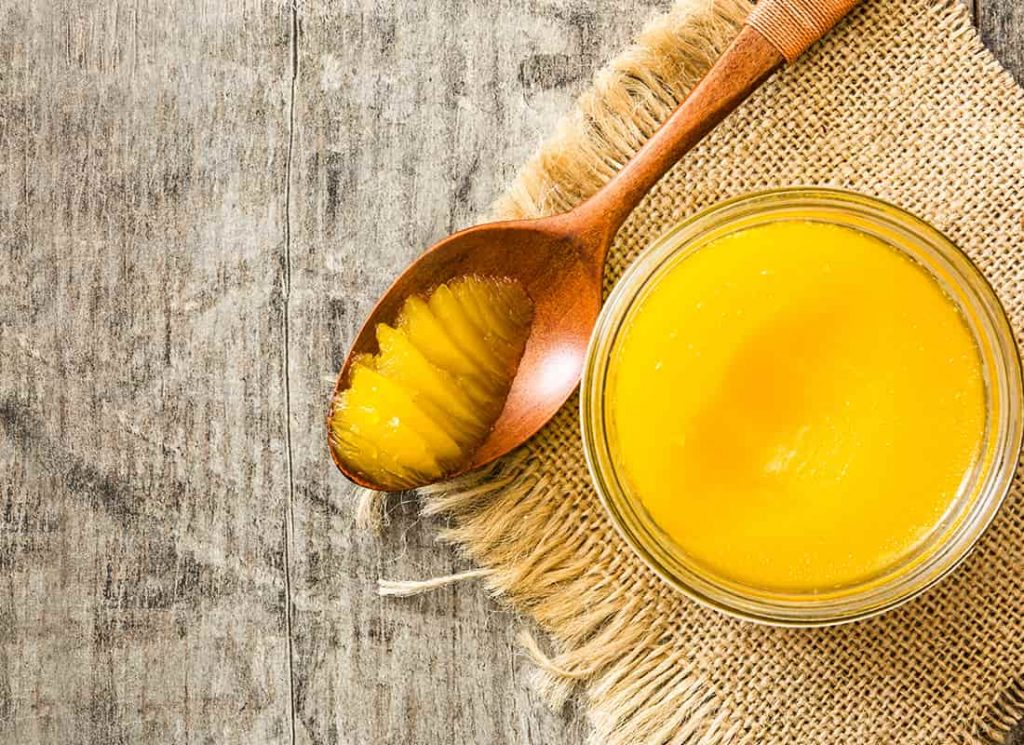
August 28, 2020 GHEE FOR SKIN Contact Us +65 6398 0415 admin@ayurvedasg.com Recent Articles Ghee has long since been used in Ayurveda as a part of numerous healthy recipes including kichori. Ghee is also used as a carrier in many ayurvedic medicines as it helps the body absorb foods better. However, ghee is not only just healthy for internal consumption. According to Ayurveda, it can be used topically on the skin to treat numerous issues as well. The skin is the largest organ in the human body and absorbs everything applied on it. This means the benefits of ghee would directly show when used externally as well. Below is a list of ways ghee can be used externally to heal, according to Ayurveda. Ghee is fatty and nourishing. For this reason, it can be used on dry, chapped lips as a lip balm. It heals cracked lips and has an extremely healing and moisturizing effect. Knees and elbows are prone to dryness and wrinkles. Ghee can help reduce this by providing intense moisturization to these affected regions. It can also be used on dry patches to renew and rejuvenate the skin. Heels are another part of the body which are prone to cracking and dryness. This can easily be healed by applying ghee liberally to your feet and wearing thick socks over them. Overnight, the ghee helps heal and soothe the dry skin. Skip the hand creams and use ghee instead. It provides intense hydration for the skin and leaves your hands baby soft. You can also use ghee as a way to soften cuticles to do an ‘at-home manicure’. Ghee can also be used on your hair. Simply mix it with some olive oil or coconut oil and apply it on your hair. Leave it on for an hour and wash off for silky smooth and tangle free hair. Replace your in shower moisturizers with a dash of ghee. It traps the moisture in your skin and leaves it feeling supple and soft. The fat content in ghee helps nourish the skin and is deeply luxuriant. Use ghee for babies with diaper rash. Ghee hastens the healing process and cools down the skin as well. It also reduces any itching or flaking and is extremely safe for use. A mixture of turmeric and ghee can be used as a salve for wounds or broken skin. Simply apply it over the injured region for fast mending of skin, and to prevent any scarring.
AYURVEDA FOR HEALTHY EARS
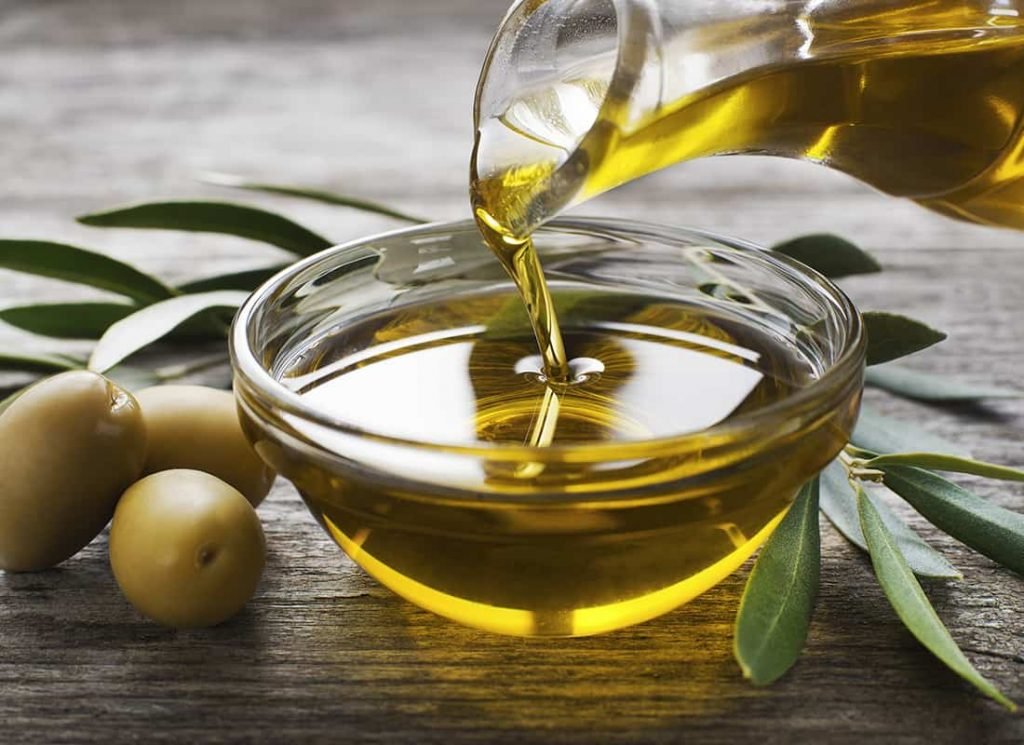
August 28, 2020 AYURVEDA FOR HEALTHY EARS Contact Us +65 6398 0415 admin@ayurvedasg.com Recent Articles Ears are an oft overlooked part of the body, though they are one of the most important ones. Ayurveda is a wholly rounded science which imparts knowledge on healing and nurturing all parts of the body. This includes the ears. In today’s world, noise pollution has become a major issue. From honking cars to buzzing drills, the soothing sounds of nature have lost ground to noise. This problem has further been compounded as a result of technological advances. Constant wearing of earphones has become a norm, with people having them on for hours at a time. This direct transmission of sound into the ear canals have detrimental effects on hearing, with prolonged long-term usage. With instant gratification being the expectation, and eyes always on screens, ears have also become exposed to constant sources of sound, whether white noise or necessary information. This excessive auditory stimulation without a break can result in loss of hearing. Ears are delicate organs which require more than just a regular cleaning. They help maintain balance and equilibrium in the body, and are a centre of several nerves. Providing periods of silence aids not just the ears but also improves mental health. Sometimes all it takes to quiet a loud mind is silence. All this means that care should be taken to ensure the ears are not overlooked in maintaining overall health and well-being. Ayurveda prescribes practices which can help promote ear health and improve quality of life as well. Oil is an important aspect of numerous ayurvedic treatments. Oiling of the ears is a great way to improve auditory wellness. KARNA PRATISARANAM This is a basic and simple ayurvedic treatment which can be performed as regularly as every night. Always start by choosing the right oil. An ayurvedic doctor can provide guidance. Olive oil is great for removing excess earwax. Sesame oil is a great carrier base. The oils also have the effect of moisturizing the ear canal and removing any debris and dirt which may have accumulated. Simply warm the oil by placing a bottle of it in warm water. Then put 2-3 drops into your ears and gently massage. Karna Pratisaranam is great for soothing the nerves, calming the mind and improving stability and hearing. You can boost the experience by spending some time massaging your ears. Press the earlobes, spend time massaging the external parts of the ear. This is also believed to boost mental function. This ayurvedic therapy can help ears reset and heal from the stress of constant noise all through the day. KARNA PURANA Karna Purana is a deeper, more intense ear oiling therapy. This is recommended to be done once a month or on the advise of an ayurvedic doctor. Warm some oil by placing it in a glass bottle surrounded by warm water. Slowly pour about 7-8 drops of warm oil into the ear while laying down on your side. The oil should just fill the ear canal. Do not let the oil overflow. Stay in this position and allow the oil to penetrate deeply into the ear canal and the auditory membrane. Embrace the silence brought on by the unctuous oil within the ear. Breathe slowly and deeply. Remain like this for about 10 minutes. Then sit up, drain the excess oil and repeat for the other ear. This practice has shown to help with mental stimulation and rejuvenation. Doing this once a month can help keep your ears functioning properly, and improve overall wellbeing. Always follow a qualified ayurvedic practitioners advice before incorporating any ayurvedic therapies into your day to day life. They provide the best Ayurvedic regimen for your body type.
MYTHS ABOUT AYURVEDA

August 21, 2020 MYTHS ABOUT AYURVEDA Contact Us +65 6398 0415 admin@ayurvedasg.com Recent Articles Ayurveda is an ancient science, over 500 years old to be precise, which has been followed for generations and proven to hold great curing abilities and health benefits. However, in recent times, the power of ayurvedic remedies and the ayurvedic lifestyle have been forgotten. As more and more research is being conducted on the potency of ayurvedic medicines and the benefits of ayurvedic practices, new light continues to be shed on their genuineness, their effectiveness in treating numerous illnesses and their side-effect-free nature. This has led the way to more people embracing the natural and holistic healing method of Ayurveda in their everyday life. There are some myths however, which still prevail and give Ayurveda a bad rap. Below we bust a few of these common myths. AYURVEDIC = SLOW HEALING This is a common belief and is completely false. Ayurveda takes a holistic approach to healing. This means, the illness or disease is treated from the root cause, and not just the symptoms. The right ayurvedic regimen and ayurvedic medicines will ensure the entire body has been healed from the inside out, and not just provide “band-aid” cures. This is similar to plenty of modern medicinal advancements as well. Every body has a different time requirement to heal and become well, it is not set in stone and is definitely not indicative of Ayurveda providing slow improvement. In fact, Ayurveda also has an arsenal of remedies which show almost immediate action. Laxatives, digestives are all proven to help hasten the digestion and elimination process. That’s one myth busted for you. AYURVEDA HAS LIMITED SCOPE This is another common misbelief regarding Ayurveda. Many people assume Ayurveda can be useful for common ailments such as cold or flu, but is ineffective against diseases such as diabetes and arthritis. This is not true. Ayurveda has several branches of specialty, focused on different kinds of illnesses and even includes treatments for mental illnesses. Targeted ayurvedic treatments for infants, psychiatric remedies, surgery are all included in ayurvedic practice. It is simply not popularized due to the prevalence of modern medicine. AYURVEDA IS ONLY SPIRITUAL Ayurveda is based on the Vedas, which are the spiritual books of India. However, in ancient texts on Ayurveda which is still followed to the letter by authentic Ayurveda practitioners, there is no mention of religion or superstition. The text details complex details of physiology, psychology and anatomy, which are all scientifically accurate. Every treatment and disease have been elaborated in detail and more and more research is being done to test the potency and curative effects of the remedies with positive results. The fundamental crux of Ayurveda is deeply rooted in the actual functioning of the human body. The fundamental principles of Ayurveda are all based on fact, making it a reliable method of healing. AYURVEDIC CURES ARE ALL HERBAL This is another misconception regarding ayurvedic medicines. Ayurveda uses plenty of natural and nature derived sources to formulate complex recipes which are then used to treat numerous disorders. There are a number of elements in these medicines including oils, salts, minerals, fermented fruit, and on occasion even alcohol. Powerful herbs and spices are also part of this apothecary. The ayurvedic formulations are specific to every ailment and comprise of ways to extract the healing components of every element – plant, metal or mineral. Ayurvedic cures, on occasion, may involve lifestyle changes as well. Pranayama, yoga, are all prescribed by Ayurveda as ways to overcome certain illnesses. AYURVEDA IS HARMLESS This is a major myth which holds no truth whatsoever. Similar to modern medication, Ayurvedic medication is potent and powerful. Simply because it is herbal and natural, many people choose to self-medicate themselves with ayurvedic remedies. This is a bad idea and can result in dangerous consequences. While it may be tempting to delve into an ayurvedic lifestyle and ayurvedic healing by yourself, it is not advisable to do the same as the side effects could be drastic. Always consult a professional ayurvedic doctor to structure the perfect plan, diet and medicine for your unique body type and illness.
AYURVEDIC REMEDIES FOR SUNBURN

August 17, 2020 AYURVEDIC REMEDIES FOR SUNBURN Contact Us +65 6398 0415 admin@ayurvedasg.com Recent Articles Sunburn is a common affliction which affects most individuals during the summer months. The detrimental effects of this are more so when you forget to put on sunscreen 20 minutes before you step outside, or forget to reapply every couple of hours. There are numerous sunscreens in the market, and even some ayurvedic ways to make your own sunscreen which is less harmful to the skin and body. While choosing an OTC sunscreen, always opt for a mineral one as this acts as a physical barrier and does not seep harmful chemicals into your skin. Also try to carry an umbrella and cap to further protect your skin. Sometimes despite due care, it is possible to develop sunburn. This is particularly common in lighter skin tones and more visible, though it is fairly prevalent in all skin tones. Below are a few ayurvedic home remedies to help soothe and heal sunburns. GHEE Ghee or clarified butter is a great way to heal sunburns in a natural and effective way. Taken orally, it helps cool the skin and body and promotes faster healing. It can also be applied topically on the affected area to soothe the sunburns and also helps the skin heal rapidly. VIRGIN COCONUT OIL Virgin coconut oil is made from pure coconut milk. This is of great help when applied over skin which has been sunburned. The reason for this is that coconut oil allows the skin to regain its natural colour and texture while also helping soothe the skin. It can be massaged into the sunburn for deep healing and rejuvenation. During the summer, the pitta tends to increase which dehydrates the skin and leaves it patchy and dry. This too can be treated by applying coconut oil which heals the patchy dryness and imparts a glow and shine to the skin. ROSE PETALS AND MILK A paste made of crushed rose petals and milk is an excellent ayurvedic remedy for treating sunburns. Milk helps calm the inflamed skin and the rose petals have curative properties which hastens healing. Plain milk also helps with sunburns. CUCUMBER JUICE Cucumber is full of water, which is a perfect source of healing for dry, scaly and chapped sunburned skin. Slice open a cucumber and rub it directly over the affected area for almost immediate relief. The cucumber can also be juiced and the juice can be applied topically at regular intervals. ALOE VERA Aloe vera is another great ayurvedic remedy to treat sunburns. It is intensely cooling, and helps rehydrate damaged skin. The plant can be cut, the gel like insides scooped out, mashed and applied directly atop burnt skin. Aloe vera is also renowned for its healing properties and is extremely skin friendly. It is used in a variety of ways to boost complexion, even skin tone, prevent skin diseases and more. COOLING DIET Switch off from spicy, heavy food and tune in to light, hydrating options. Sip on coconut water, drink a lot of water, to keep skin plump and hydrated. Indian gooseberry is another great fruit which is healthy for the body and provides a load of benefits apart from helping boost the skin’s defense against the sun. By following these steps, your sunburn woes will be solved in no time at all. Ayurvedic remedies can be simple, effective and since they are all natural, there are usually no side effects. Always consult an expert in Ayurvedic doctor to choose the best Ayurvedic remedies for your ailments.