
COOL DOWN THE AYURVEDIC WAY WITH JALJEERA
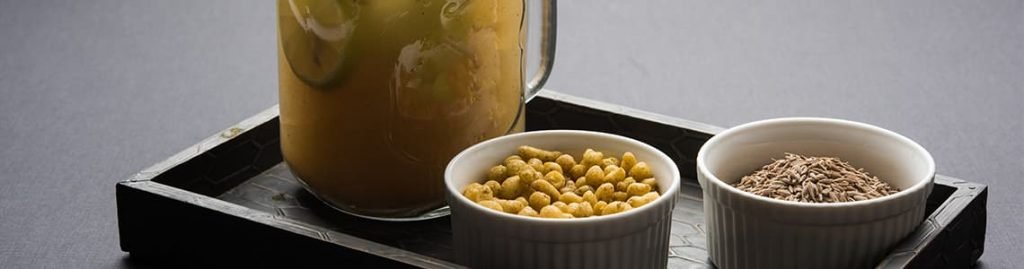
August 14, 2020 COOL DOWN THE AYURVEDIC WAY WITH JALJEERA Contact Us +65 6398 0415 admin@ayurvedasg.com Recent Articles Jaljeera is a drink popular in India which has numerous health benefits. Overheating of the body can lead to many disorders, and according to Ayurveda, Jaljeera has been found to help soothe and calm the body. It is a simple drink and can be made at home easily with the core ingredients as given below. LEMON Lemon has sour, bitter and astringent tastes. It has a cooling effect on the body and helps reduce all 3 doshas. Lemon also has decongestant, antiseptic, laxative and anti-inflammatory properties. It aids with digestion and can help relieve constipation. Due to its antibacterial properties, it helps prevent any diseases. Lemon is also rich in Vitamin C which makes it useful in fighting infections and raising our immunity. CUMIN Cumin is a seed with a mildly pungent and bitter taste. It has an extreme cooling effect on the body and again helps reduce all three doshas. It has medicinal properties and is a powerful diuretic, digestive, carminative and antispasmodic. The word cumin is derived from the Sanskrit word which means “promoting digestion”. True to its name, cumin, commonly known as Jeera, has excellent healing benefits for the digestive system and helps in smooth functioning. Cumin also helps alleviate any congestion in the body, and promotes mental clarity. BLACK SALT Authentic Jaljeera is made with black salt. This salt has a pungent taste due to the presence of sodium sulfide in addition to sodium chloride. It helps retain water in the body, keeping it hydrated. It also has lubricating properties which allows for natural processes to occur without any accumulation of toxins or ama. Black salt stimulates the appetite and acts as a purgative, removing all obstacles in the digestive system. If black salt is unavailable, it can be replaced with Himalayan pink salt. ALTERNATIVES TO SUGAR Though sugar is also commonly used, this drink can be given a further health boost by using alternatives to sugar according to dosha type. For Vata dosha – Jaggery or Honey For Pitta dosha – Maple Syrup For Kapha dosha – Honey RECIPE Take a cup of cumin and wrap it in a cheesecloth. Steep this in water and allow it to boil vigorously. Remove the cumin water from the heat and allow the mixture to percolate for 30-40 minutes. Squeeze lemons and dissolve the juice in water to make lemonade. Mix the cooled cumin water with the lemonade. Add as much sweetener of your choice to taste. Add a dash of black or pink salt and serve. Drink Jaljeera daily to experience the ayurvedic benefits of the same. This is the perfect healthy alternative to store bought cold drinks and provides great refreshment while also being healthy. Consult with an ayurvedic doctor on other ways to incorporate cumin into your diet to experience the benefits of an ayurvedic lifestyle.
GUDUCHI POWDER – AN AYURVEDIC MEDICINE
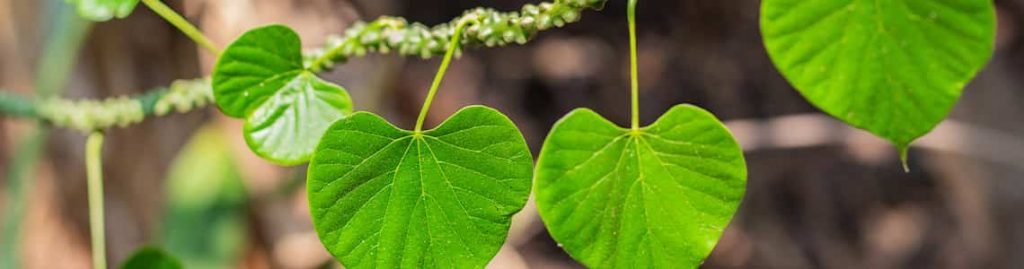
August 7, 2020 GUDUCHI POWDER – AN AYURVEDIC MEDICINE Contact Us +65 6398 0415 admin@ayurvedasg.com Recent Articles The word guduchi is a sanskrit term which means “that which protects the body from diseases”. This ayurvedic herb is also known as Amrita, or heavenly elixir. Guduchi is believed to have immense power and even kept heavenly beings from aging. The botanical name for this herb is Tinasporacordifolia. It is a creeper which has potent healing properties and can be used in a variety of ways to achieve the required benefits. Guduchi is famous for its green, heart-shaped leaves. This creeper plant, when it grows on a neem tree, is believed to acquire the therapeutic properties of Neem as well. Heave, guduchi growing upon neem is widely sought for its medicinal properties. Guduchi itself has detoxifying properties which help the body rid itself of ama or toxins. It also boosts the immune system and is found to have a positive effect in the treatment of colds and flus, arthritis, skin disorders and more. Guduchihas a light and unctuous taste according to Ayurveda. It is tri-doshicwhich means, it helpspacify all 3 doshas. It has also been found to help kindle digestion, purify blood, and even bind stools better. Guduchi has a heating effect, however this does not aggravate pitta. This herb helps rid the body of ama resulting from undigested food, amavisha which is a blockage of normal paths due to accumulation of ama, and garvisha, which unlike the previous two, is a result of environmental pollution or unhealthy surroundings. BENEFITS OF GUDUCHI Promotes digestion Purifies blood Supports immunity Removes toxins Helps liver function Has rejuvenating properties USAGE AND REMEDIES Guduchi powder can be taken in prescribed quantities for good digestion and liver function. An herbal concoction made of guduchi powder, long pepper and honey in water is a great remedy for anorexia and fevers. Guduchi with ghee is an excellent ayurvedic remedy to balance vata Guduchi with jaggery provides great relief from constipation. Guduchi with sugar candy helps balance pitta dosha. Occasional pains can be soothed and managed by guduchi in castor oil. This ayurvedic medicine can be used as required on consultation with an ayurvedic doctor. Depending on your ailments, guduchi can be used to help treat, and better your life in a holistic and natural way.
VAMAKUKSHI – POST LUNCH NAP FOR DIGESTION

August 7, 2020 VAMAKUKSHI – POST LUNCH NAP FOR DIGESTION Contact Us +65 6398 0415 admin@ayurvedasg.com Recent Articles Ayurveda places great importance on the process of digestion. Healthy digestion is holistically supposed to be the root of good body function. For this reason, it is important to get in on an ayurvedic diet, tailored to your body dosha type. Apart from the food you eat, the eating habits you follow also ensure that your gastrointestinal function is in the best possible form. Timely meals, and adequate portion sizes are all major factors in maintaining gut health and hygiene. Ayurveda even prescribeseating with hands, and sitting cross legged on the floor as the best ways to consume food, and has numerous results to back its claims. Another aspect of Ayurveda is that it stresses on the importance of keeping the agni or fire in the stomach burning all day for healthy digestion. This means you should eat exactly enough food to satiate your hunger, no more and no less. While it might be tempting to tuck into a king’s breakfast and a huge dinner, noon is the best time for a large meal. This is due to the fact that the sun is over top, and agni is burning at its peak every noon, making it the perfect time to invest larger quantities of food. Most people eat as a part of a routine and forget to embrace the act of eating. This can cause major imbalance in the body, and result in improper digestion of the food. Ama or toxin formation occurs as a result and can throw the entire body biome off-balance. Just as it is important to eat food mindfully, so is it important to give the body time to complete the process ofdigestion. This is the science behind “Vamakukshi”, or a nap post-lunch to hasten food breakdown. Vamakukshi, is simply andayurvedic practice which involves taking a siesta or cat nap after lunch. This may seem unnecessary, however, the benefits are many.Vamakukshi does not mean sleeping during the day, but rather a light period of relaxation, with no distractions to allow the body to get on with its functions. When digestion happens, blood concentrates at the digestive organs; during this time, attempting to focus on other tasks or think about other things causes the mind to function, upsetting the balance and resulting in improper digestion of food. As a result of this, ama develops, leaving the body feeling tired and exhausted. A common feeling most of us experience after a heavy meal is an incessant laziness or drowsiness. This is the body’s way of asking for 20 minutes of rest post the meal, to allow for good digestive health. This might not seem possible especially in today’s busy world with most people at work mid-day. However, it is possible to rest without stretching out as well: Consider a short, relaxed walk for about 20 minutes during your lunch hour. Stroll along slowly. This is NOT a power walk, but rather a gentle pacing. Sit in a comfortable position and allow your mind to relax. Flip through a magazine if required but put away all digital appliances and allow the body to unwind completely. Practice Vamakukshi every weekend religiously. Doing this twice a week is better than not doing it at all. Simply by embracing 20 minutes of nap time every afternoon, the body streamlines all gastrointestinal function. Ayurveda is a science which poses simple solutions to many common body ailments. Follow this and experience a drastic positive change in your levels of activity and physical well-being.
EATING – THE AYURVEDIC WAY
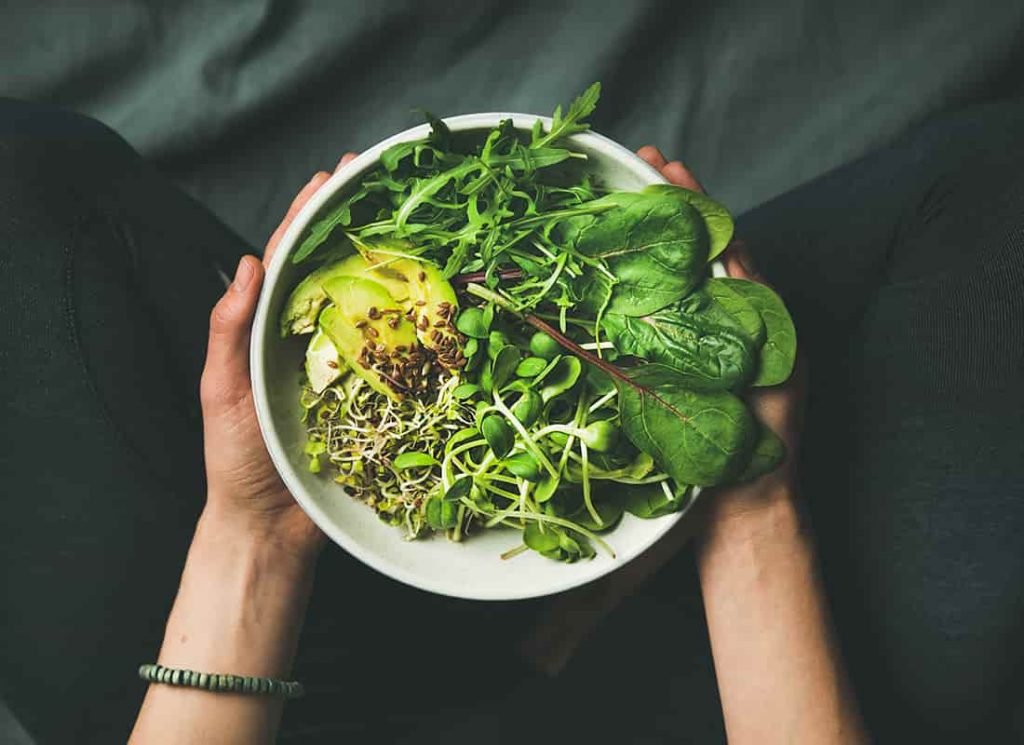
July 27, 2020 EATING – THE AYURVEDIC WAY Contact Us +65 6398 0415 admin@ayurvedasg.com Recent Articles Ayurveda strongly recommends eating with your hands as the best way to eat. Avoiding cutlery such as forks, spoons and knives, might not seem like an attractive option, but give it a try when you are eating at home, and the changes to the digestive process it makes will shock you. Ayurveda considers eating to be a sacred ritual. It requires due diligence and patience so that all nutrients are absorbed by the body, and all components of food are properly broken down. In order to ensure that this happens, it is important to eat your meals in a set manner. One reason why eating with your hands is the healthier option is due to the fact that it makes it impossible to multitask. This means, before every meal you’ll have to put away all your gadgets, and sit down, undistracted to truly enjoy the eating experience. It also allows you to eat your food with total awareness. Embrace how each dish tastes, feel it on your tongue and ONLY eat enough to fill your stomach. This heightened awareness and focus on the meal greatly stimulates digestion, and makes a healthy difference. When the hand comes into contact with the food, you get an awareness of the texture of the food, the temperature and your body responds by preparing itself to digest the dish by salivating. This preparation is mostly lost when you choose to eat with tableware. Ayurveda also recommends a few other tips for enhancing the food experience. Never eat when you are angry, depressed, sad or anxious. Any negative emotions in the body can hinder the digestion process and result in accumulation of ama or toxins in the body. Always try to sit cross legged on the floor while eating. This puts the body in the ideal position for healthy gastrointestinal Remember to chew your food well, for a minimum of at least 32 times before you swallow. This helps the stomach and lowers the possibility of improper digestion. Enjoy the food in front of you. The body acknowledges positive feelings and this helps it function better. By following these simple ways, your meal times become better, and consequently so does your digestion. Tags: ayurvedic tips diet gastrointestinal health
NABHI CHIKITSA – For healing

July 27, 2020 NABHI CHIKITSA – For healing Contact Us +65 6398 0415 admin@ayurvedasg.com Recent Articles Ayurveda is an intricate and detailed science which provides great insight into the importance of every part of the body. One of the most commonly overlooked parts, which is not thought to be too important according to western medicine, is the belly button or “nabhi”. The belly button is an important marma point according to Ayurveda for a number of reasons. The most important is that the belly button is the first point of contact from the mother to the baby, and provides the foetus with all necessary nutrients for healthy growth. When the baby is born, the umbilical cord is cut off, resulting in the knobby belly button. However, this point is still one of the most vital points which possesses great significance in helping maintain health. FACTS ABOUT THE NABHI The nabhi, or belly button has the thinnest layer of muscle between the inner vagus nerve and the outer layer of skin. Skin is extremely thin here, meaning any stimulation directly reaches the brain. The navel is a ‘power hub’ of nerves with over 72,000 nerve endings which makes it vital to look after it. The belly button is the location of agni according to Ayurveda. This controls digestion, urination, and formation processes. Therefore, therapy for the navel helps regulate these bodily functions as well. There is a flourishing microbiome within the navel, which is often home to a number of good bacteria and is an indicator of health and immunity. The nabhi is one of the 3 most vital points of marma, which has an abundance of nerve endings and can help promote better digestion, circulation, mental stimulation and, even improve vision. CARE FOR THE NAVEL Due to the importance of the navel in boosting health, it is important to take good care of it. Wash your belly button thoroughly with mild soap and water daily when you shower. Since the nabhi is the point of the solar plexus, regular yoga, pranayama can help increase the size of the solar plexus which in turns promotes better health. Gently massaging the belly button is another great way to stimulate all the nerves in the region. Using your thumb, apply a little pressure on the nabhi, hold for 5 seconds and release. Breathe slowly as you do this. Repeat this a few times every day. OILING THE NAVEL Applying a few drops of oil and massaging it into and around the navel every night before you sleep is a great way to attain great results. Depending on the results you wish to see, you can use different oils. This is a natural way to heal the body without any side effects. However, it is essential to be consistent and patient in order to see results. Below is a list of a few oils and the ways they can help. Almond oil – helps attain glowing skin Mustard oil – helps cure chapped lips, relieves headaches and improves vision Ghee/ Butter – helps to make skin soft, supple and well hydrated Neem oil – helps cure acne and rashes from the skin Olive oil – helps relieve back aches, stomach aches and improves digestion This is a simple ayurvedic practice which produces miraculous results when done regularly. Consult an ayurvedic practitioner to get advice on the best way to do nabhi chikitsa according to your body type and ailment. Tags: ayurvedic therapy health Pranayama skin care
LOOKING AFTER AGNI FOR GOOD HEALTH
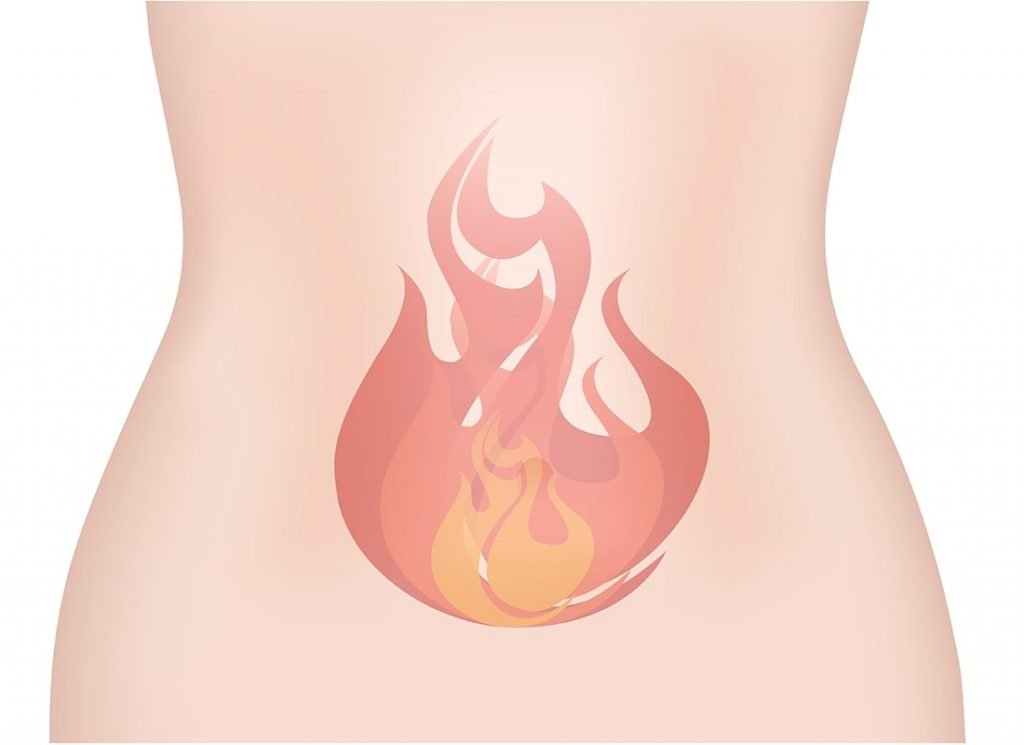
July 27, 2020 LOOKING AFTER AGNI FOR GOOD HEALTH Contact Us +65 6398 0415 admin@ayurvedasg.com Recent Articles Agni is the fire of life, according to Ayurveda. It helps the body function normally, and keeps every organ delivering to the best of its ability. The foundation of wellness lies in maintaining agni health. For this reason, it is absolutely essential to incorporate healthy agni boosting practices into life. Agni works in different ways in the body. The power and effectiveness of it is defined by the diet you partake, the habits you follow, and the medicines you ingest. Over indulgence, lack of routine can all cause serious imbalance of the agni. This is not the only side effect, and the level of ama or toxins in the body also increase. If there is an excess of ama, it acts as a retardant of agni, resulting in numerous health problems which can crop up in different ways. This is why Ayurveda always looks at digestive health as the way to cure most ailments. A buildup of ama can also have a dampening effect on normal body functions and can also result in overall sluggishness and an inability to stay active. The signs of ama accumulation are very clear in most cases. In today’s world of junk food and preservative laden ingredients, ama is always on the edge, waiting to stick to the body. When agni is out of balance, there are a few ways to help the body heal, and stimulate the agni. BUILDING DIGESTIVE FIRE When eating a meal, aim for satisfaction and not stuffed. This is a great way to quench the digestive fire but not smother it. Always eat 3 meals a day at regularly spaced intervals. Do not nibble on snacks or junk all day. This gives the body enough time to digest and burn fat, and carbohydrates. Eat your last meal well before bedtime. This gives time for the meal to be completely broken down before the body rests, which can prevent any accumulation of undigested residual ama. Feel hunger. This one is important. The more hunger you feel, the stronger your agni. Don’t overstuff food, and let your body be the indicator guiding you on how much to eat, and when to eat. Do not eat out of boredom. Eat living, healthy foods. The body has a microbiome which is thriving with necessary bacteria. Gut health is vital to good agni balance. Always partake enough probiotics and fresh, healthy, cooked foods for good agni stimulation. REMOVING AMA Any ama which has stagnated in the body can be removed by regular cleansing. Go for panchakarma every few months to completely detox, and do smaller, simpler detox therapies at home as well. This includes ayurvedic practices such as yoga, which makes you sweat, herbal steam bath, and so on. Get enough sleep. Sleeping is the best way to help the body heal and rebuild itself. Undoing the toxic effects of ama is only possibly by getting enough sleep. Remove all harmful junk food from your diet. This includes cutting down on caffeine habits, drinking alcohol and smoking. This will relieve the stress on the digestive system, allowing the agni to grow and stay stable. HELPING THE BODY DETOX Sweating is an important way to detox the body. Stimulation of muscles promotes better lymph movement, which helps remove any toxins. Garshana or dry brushing, is another great way to promote lymphatic movement. It also helps achieve clear and glowing skin. Drinking water is the best, proven way to flush out ama. Hydration is key to keeping the agni or digestive fire active. Ayurveda recommends sipping warm water throughout the day. Follow these steps for better agni health and overall well-being. Ayurveda helps make your life and lifestyle healthier and happier. Tags: ayurveda herbs ayurvedic tips health skin care
DOSHA AND THE SIX TASTES

July 17, 2020 DOSHA AND THE SIX TASTES Contact Us +65 6398 0415 admin@ayurvedasg.com Recent Articles Ayurveda has classified foods according to their tastes. There are six tastes: sweet, sour, salty, bitter and astringent. Depending on the type of dosha or body type, you will have to follow a different ayurvedic diet to stay healthy. Unlike the western concept of a standard balanced diet being healthy for all, Ayurveda gets more specific, and the results are long-lasting and prominent as well. While all 5 tastes are essential to ensure you get a well-rounded diet, it is important to balance and switch up HOW MUCH of each taste you eat, based on your body constitution. DOSHAThose with pitta body types must increase their intake of sweet, bitter and astringent foods. These foods help keep the mind calm and balanced and allow the body to stay cool. Sweet food includes plenty of fruits such as peaches, grapes and melons; sweet vegetables such as sweet potatoes, carrots and beetroot; grains including rice and wheat. All these have a deeply cooling effect on the body. In addition to this, bitter food such as turmeric root, kale, lettuce, fenugreek all have the effect of reducing heartburn. They also help the body detox and cleanse the blood. Astringent food includes cranberries, okra, parsley, saffron and basil. They have powerful anti-inflammatory properties, and can help soothe a fever or even diarrhea. KAPHA DOSHA Those with kapha dosha body type must specifically consume more foods which are pungent, bitter and astringent. Pungent food includes onions, ginger, garlic, black pepper, all of which are important spices in the ayurvedic practice. They each have their own healing properties, and when added to food can help keep the body healthy. Bitter food such as turmeric root and kale help promote digestion and reduce the toxins or ama in the body. They must be a regular part of every meal to ensure smooth bowel movements. Astringent food such as cranberries, saffron and basil, help the kapha body by removing any excess water. This aids in prevention of bloating, and flatulence. It also helps reduce any swelling in the body. VATA DOSHAVata dosha body types must be managed properly in order to avoid different mental and physical issues. This type requires large amounts of food which is sweet, sour and salty. Fruits and dairy help provide the sweet component and also have the property of providing hydration to the body. Vata bodies can be dry and airy, which makes it essential to keep the body well-hydrated inside and out. Sour foods include lemon, hibiscus, rose hips, coriander, cloves, all of which have properties which help keep this body type grounded. Salty food is also essential, more for vata than any other body type, however it must be inmoderation. Excess salt can have the effect of dehydrating the body. By following the guidelines above according to your dosha, you can tailor interesting meals which incorporate all required tastes. If you don’t know your dosha, always consult an ayurvedic doctor who will help you tailor an ayurvedic meal plan suited to your body. Tags: ayurvedic tips ayurvedic treatments diet home remedy
AYURVEDA FOR THE FIVE SENSES

July 17, 2020 AYURVEDA FOR THE FIVE SENSES Contact Us +65 6398 0415 admin@ayurvedasg.com Recent Articles Ayurveda is a holistic healing science which provides ways to keep every part of the body functioning healthily, inside and out. Below are ways prescribed by Ayurveda to keep your 5 sense organs in good shape. Add these practices to your Dinacharya to keep your senses sharp and well cared for. EYES Eyes are the most important organs. They allow us to see the world and live in it comfortably. The best way to maintain eye health is by daily irrigation of the eyes with water. According to Ayurveda, eyes are the centre of pitta and care must be taken to ensure they are unaffected by kapha. For this reason, it is essential to keep the eyes cool. Practice Anjanam every morning to maintain eye health. While bathing, fill your mouth with water, and use your palms to splash water in to them. Splash water into your eyes continually until the water in your mouth has lost its coolness. Then, spit out the water and repeat again after a few seconds. This helps dispel any heat or kapha from the eye region and keeps eyes healthy. You can also do a simple eye massage around the periphery of your eyes every day after meals. The nerves in the foot are connected to vision as well and a good foot massage can help boost eye health as well. EARS Ears help us hear, and must be intensely cared for. Improve ear wellness by putting a few drops of sesame oil inside your ear canal after food, a few times per week. This practice, known as Karnapuranam, flushes out any toxins or ama and also helps remove any hardened ear wax which might be causing blockages. Issues such as hearing loss, tinnitus, and even jaw related issues such as TMJ or lock jaw can be prevented by regularly practicing this. NOSE The nose is considered the gateway to the head according to Ayurveda. This means it is important to keep your nasal cavities clean and healthy. This can be done by incorporating a practice of Nasyam in your day to day life. Simply put a few drops of oil in your nose. This helps prevent colds, stuffiness of the head, and headaches. Depending on your dosha, you can use almond oil for vata, mustard oil for kapha or ghee for pitta. TONGUE AND MOUTH The tongue allows you to enjoy the food you eat, and is also the portal to your gastrointestinal system. For this reason, Ayurveda has specific practices to maintain good oral hygiene. Every day, after brushingyour teeth, always scrape your tongue. This practice, called Jihwa prakshalana, has been proven to eliminate any remnants of toxins and keep the tongue clean. It also helps improve taste. Another practice to follow is Kabalam. Kabalam is also known as oil pulling and is a great way to detoxify the mouth. Simply gargle a mouthful of oil and spit it out. Do this daily to experience a drastic change in how your mouth feels in terms of freshness, gum strength and tooth enamel whiteness. It also helps improve hearing and taste. SKIN The skin is the external appearance of your internal health which makes it absolutely vital to care for it appropriately. According to Ayurveda, it is essential to perform a daily oil massage or Abhyangam, which not only helps aid in flow of lymph, but also keeps the skin glowing, luminous and well-hydrated. Another practice to follow is called gharshana, also known as dry brushing. Using a cloth, rub your body vigorously. This helps slough off all dead skin cells, and also boosts circulation, which promotes skin appearance. Consult an ayurvedic practitioner to find the best way to incorporate Ayurveda into your life according to your body dosha type. Tags: ayurvedic lifestyle ayurvedic remedy ayurvedic therapy health skin care
TRIPHALA – ANCIENT AYURVEDIC MEDICINE
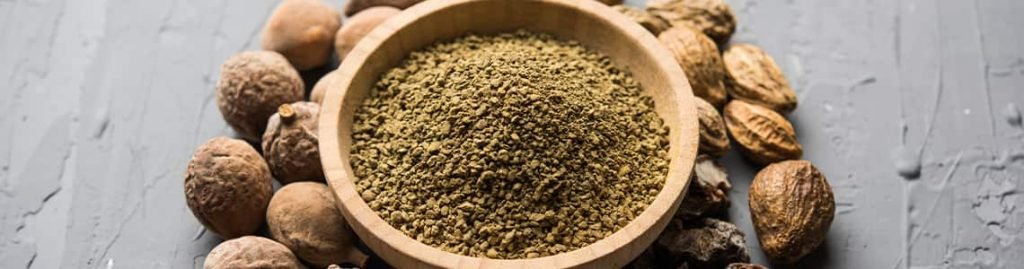
July 17, 2020 TRIPHALA – ANCIENT AYURVEDIC MEDICINE Contact Us +65 6398 0415 admin@ayurvedasg.com Recent Articles Triphala is one of the most potent and versatile ayurvedic formulations. It is used frequently to treat a number of ailments ranging from better digestive activity to joint pain and even cancer. It is prescribed by Ayurvedic practitioners and can be consumed as recommended. Typically, it is taken in the form of powder, however it can be used in other ways as well. WHAT IS TRIPHALA? Triphala is an ayurvedic medicine which is a combination of 3 fruits: amalaki, bibhitaki and haritaki. These three powerful fruits when combined together have the unique quality of embodying all five tastes: sweet, sour, salty, bitter and astringent. This makes Triphala a complete medicine which can be used for different body types based on dosha, vata, pitta or kapha. Haritaki has shown to be extremely beneficial for vata dosha, bibhitaki for kapha dosha and amalaki for pitta dosha. All 3 are typically present in equal amounts in this medicine. However, in some cases, depending on the condition to betreated, the proportions may be varied. CONSTITUENTS OF TRIPHALA AMALAKI Amalaki is the most powerful ingredient in Triphala. It is also the only fruit which has a cooling effect. This is extremely important for relieving mental stress as well as regulating body functions. Amalaki has been used in Chyawanprash, a jam-like herbal medicine which has numerous health benefits as well. This fruit is extremely vital for heart health. Amalaki is a source of vitamin C and has powerful antioxidant properties. It helps the gastrointestinal system and also controls the intensity of the digestive fire or agni. Amalaki helps remove toxins from the body and aids in better liver function as well. HARITAKI Haritaki is a highly revered fruit in Ayurveda. It has extreme rejuvenating and restorative properties. This fruit can be mildly heat inducing, however, when combined in the powerful Triphala with the other two fruits, it balances the overall effect. It is used for its intense detoxification properties which help cleanse the body from the inside out. It is extremely beneficial for the liver. BIBHITAKI Bibhitaki is the third fruit in Triphala. This fruit has the property of “scraping”. It attracts and helps rid the body of all fats, toxins and ama. This makes it a vital part of this three-fruit formulation. It helps in promoting mental health and well-being. Kapha related problems such as cough, congestion, weight gain, and excessive ama are all tackled by bibhitaki. BENEFITS OF TRIPHALA ● Potent anti-aging properties● Helps reduce possibility of cancer● Promotes digestion and elimination● Aids in detoxification● Stabilizes blood sugar● Has powerful antimicrobial effects● Helps lower cholesterol● Improves mental health HOW TO USE TRIPHALA Triphala can be used in a number of ways to treat various ailments.● As a powder, which can be taken daily; directly on the tongue, or as a pill.● As Triphala oil to improve hair growth.● As eyedrops, for better vision.● As an oil for oil pulling. This miracle ayurvedic medicine has been proven to benefit health by numerous studies. Consult an ayurvedic doctor to find the right dosage and experience the life changing benefits of Triphala. Tags: ayurvedic therapy ayurvedic tips ayurvedic treatments diet
HOT WATER FOR DIGESTIVE CLEANSING
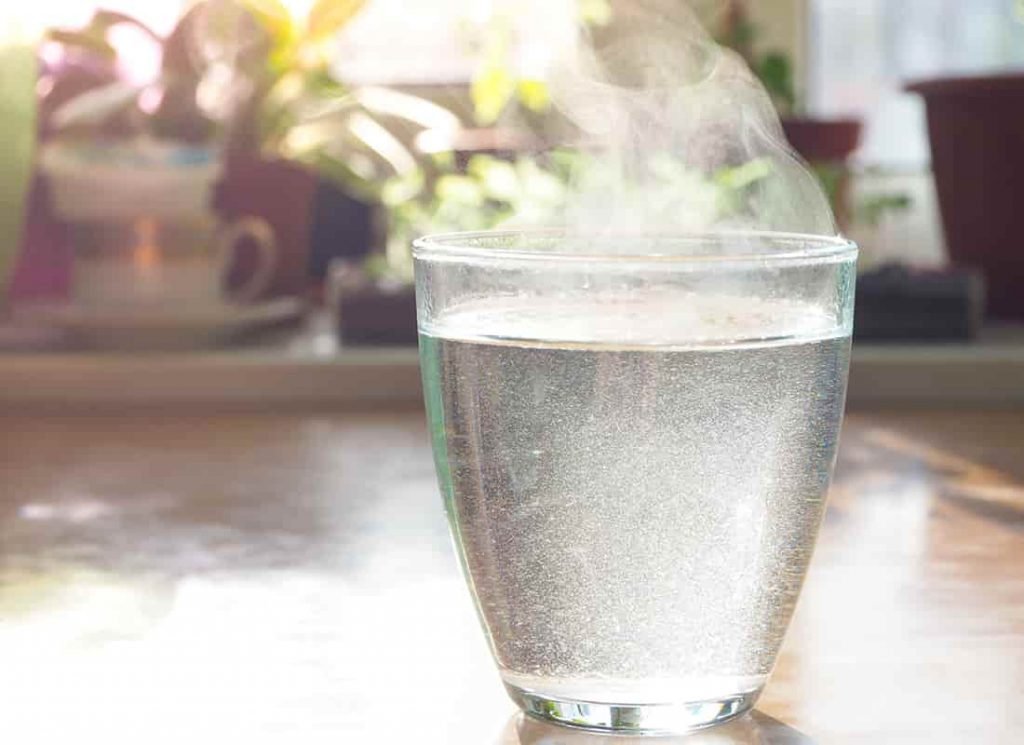
July 09, 2020 HOT WATER FOR DIGESTIVE CLEANSING Contact Us +65 6398 0415 admin@ayurvedasg.com Recent Articles Ayurveda incorporates a lot of herbs, spices and unique formulations such as Triphala, Chyawanprash and more into regular diet for a healthy and active life. While these are extremely potent and show drastic change in overall bodily functioning, there is one simple habit which can also boost digestive health. Drinking hot water, is a powerful way to purge the digestive system of any impurities. An ayurvedic diet always includes plenty of well-cooked meals which are eaten warm. The reason for this is that the stomach can easily digest food when it has been cooked down. Raw, cold foods are harder to digest, and can slow down metabolism as well. Similarly, drinking hot water acts as a way to detoxify the body by removing all excess “ama”. When food is cooked, it is broken down to a simpler, easily eatable form. When you drink warm or hot water, any food which has been left undigested in the digestive tract in the form of “ama”, is further broken down, and passes through the system. Drinking hot water does not necessarily mean drinking a glass every day and calling it quits. Ayurveda prescribes developing a diligent practice of sipping hot water throughout the day. This is because, while the quantity of water is definitely a concern, the most important aspect is frequency. Sipping hot water once every 30 minutes is highly recommended and comes with great improvement in gastrointestinal health. This might seem daunting at first, and cause excessive frequent urination. However, once your body adjusts to the habit, you will see better bowel movements, lesser flatulence, less frequent stomach upsets and better overall physical well-being. When drinking hot water, ensure it is boiled to get rid of any impurities. Always have a flask of water in hand, or a kettle running nearby in order to have a constant source of hot water. It is also advisable to avoid cold drinks altogether. While an ice-cold milkshake might sound perfect, cold drinks have the tendency to make the stomach sluggish and slow down digestion. Caffeinated beverages can also be avoided to see the full effects of hot water cleansing. One way to make your drink of hot water interesting is to add something to it. Hot water infused with lemon and a bit of honey is a great ayurvedic medicine to treat colds and sore throats. You can also add some ginger to hot water for relief from cramps or heartburn. Adding some holy basil or tulsi to your water can give you the benefits of the miraculous herb as well.By making a simple change to your hydration habits and drinking just hot water throughout the day, the body is purged of all toxins, and unnecessary fats as well. This leaves the body refreshed and active. Consult with an ayurvedic practitioner to find the best Ayurvedic regimen for your body type according to your dosha to experience the full benefits of this way of life. Tags: ayurvedic therapy gastrointestinal health health home remedy