
COCONUT OIL IN AYURVEDA
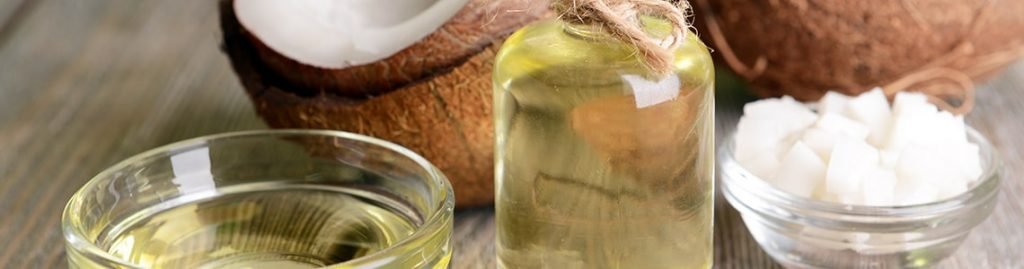
November 20, 2020 COCONUT OIL IN AYURVEDA Contact Us +65 6398 0415 admin@ayurvedasg.com Recent Articles Coconut oil has long since been used in Ayurveda for its healing properties. It has a great cooling effect on the body and has been used in cooking and for hair health for centuries. It pacifies the vata and pitta doshas and heals the body from within. Using coconut oil while cooking, particularly in the summer months helps soothe the body and mind. Coconuts can be eaten raw, cooked, as milk (extracted from the white core) and, coconut oil. All these are not only delicious but healthy as well. Below are the benefits of incorporating coconut oil in day-to-day life. Coconut oil helps burn calories. Coconut oil consists of medium chain triglycerides. These are different from the usual fats which have long chain triglycerides. The fats in coconut oil are metabolized at a much faster rate, making it a great food to curb the appetite. It also satiates hunger for longer, while aiding in burning calories as well. This can help when dealing with problems such as obesity or over eating. Coconut oil has antimicrobial properties. Coconut oil contains Lauric acid. This is a potent antimicrobial which kills bacteria, virus and fungi. By ingesting coconut oil, the body is aided in its fight against microbes. The fatty acid promptly clears the system of any harmful microorganisms, while also boosting immunity and better health overall. Coconut oil helps reduce blood pressure. Coconut oil is a natural saturated fat. This helps increase the levels of healthy or good cholesterol in the body, and also helps in the conversion of bad cholesterol. It aids in improved metabolic function which in turn reduces blood pressure and strengthens heart health. Coconut oil thereby helps reduce incidence of heart disease as well. Coconut oil is good for hair and skin. Coconut oil provides deep hydration and conditioning for hair. This is a time-tested practice which is followed by millions around the world for thick and luxurious locks. It is also great for locking in moisture in skin. For this reason, coconut oil can be used for facial and body massage. It can also be used as an intense overnight moisturizer. The antimicrobial effect of coconut oil helps keep skin diseases at bay, and is a miracle cure for atopic dermatitis. Coconut oil helps reduce seizures. The fatty acids found in coconut oil is converted into ketones in the body, which help reduce seizures. This is due to the medium chain triglycerides increasing blood concentration which stimulates production of more ketones. This has been shown to lessen the frequency of seizures in epileptic patients. Coconut oil helps boost brain function. Ketone production is great for improving cognitive brain function. Since coconut oil helps with this, it can be used as a brain tonic. In addition to this, memory is also improved with regular intake of coconut oil. This is due to the presence of medium chain triglyceride fats which are easily digested by the body. Since they do not require insulin to be processed, they reach the brain cells much faster and fuel better memory and cognition. Coconut oil improves energy levels. The ease of digestion of coconut oil makes it a great food to boost energy. It improves stamina and endurance, allowing the body to sustain itself on the quickly digested fats. Coconut oil helps maintain oral hygiene. The Lauric acid found in coconut oil helps remove all impurities from the mouth. Oil pulling with coconut oil has been practiced in Ayurveda for centuries and has been shown to improve both gum and tooth health. The antimicrobial properties of coconut oil also kill all harmful bacteria and reduce halitosis. Coconut oil reduces inflammation. Virgin coconut oil is great for reducing inflammation both internally and externally. All organs benefit by consumption of coconut oil and are found to be in better condition with regular intake. Always consult an ayurvedic doctor for the best ways to incorporate coconut oil into your regimen.
USES OF TRIPHALA

November 20, 2020 USES OF TRIPHALA Contact Us +65 6398 0415 admin@ayurvedasg.com Recent Articles Triphala is a highly versatile ayurvedic formulation. This is a tridoshic rasayana which implies that it can be used to balance and rejuvenate all the 3 doshas in the body. It is extremely useful in treating disorders of various parts of the body. Triphala can be used in a number of ways, when prepared according to the ailment. Below is a list of the ways it can be used safely and effectively according to Ayurveda. Triphala juice is made by mixing the powder in twice the quantity of water. This can be consumed with jaggery or honey to rejuvenate the doshas. Triphala paste can be made by adding a little water to the powder. Some amount of jaggery can also be added. This can be used externally to treat skin conditions. Triphala decoction is made by boiling powder with water until it has reduced significantly. This can then be used as an eye rinse for eye irrigation. It can also be used to gargle which helps soothe mouth ulcers. This also helps with better digestion. Triphala can be consumed on an empty stomach every morning to prevent diseases and increase lifespan. Triphala ghrita is made with the powder and ghee. This is then poured over the eye and retained using a clay dam. Blink eyes inside this mixture for clear vision and improved ocular health. riphala powder can be used to massage the body. This helps remove cellulite and improve lymph flow. It also helps balance kapha dosha. Consumption of Triphala with castor oil helps prevent gas formation and prevents digestive ailments. Triphala can be used with water as a mouthwash. This helps prevent plaque and gingivitis. It also helps reduce bleeding in gums and tooth sensitivity. Triphala powder is great for shiny hair. Simply apply a generous amount mixed with water on the scalp and drag through the hair. Allow it to sit for a while and rinse off for healthy hair and to prevent dandruff. A mixture of Triphala and sesame oil can be used topically to treat and heal wounds. Triphala is truly an ayurvedic miracle cure. However, it must be used with caution on the advice of a skilled ayurvedic practitioner.
AYURVEDIC RECIPE – SAFFRON MILK

November 16, 2020 AYURVEDIC RECIPE – SAFFRON MILK Contact Us +65 6398 0415 admin@ayurvedasg.com Recent Articles Saffron is the most expensive spice in the world. The spice is produced from the stigma of the flowers, and only 3 can be acquired per flower. It is dried and sold, and is an important part of many ayurvedic medications. The most potent of this is kumkumadi tailam, which is an oil made with saffron for improving skin health. HEALTH BENEFITS Saffron has tridoshic This means it helps in balancing all 3 doshas in the body. Saffron helps improve skin tone and texture. It has powerful anti-inflammatory properties. Saffron is a potent anti-microbial. Regular consumption of saffron helps improve vision and eye health. It boosts cognitive and brain function. Saffron milk is a great ayurvedic remedy for insomnia. Saffron has analgesic properties. It can be used to boost digestion and improve appetite. Diarrhea can be curbed by consuming saffron. Saffron is great for organ health, particularly the liver and heart. It improves reproductive health in men. It is antipyretic. Saffron helps with skin issues such as melasma, freckles, acne and blackheads. It smooths the skin and imparts an enviable glow. It hastens wound healing. It is used as a rasayana. Saffron is also great for neuro degenerative disorders. According to Ayurveda, the benefits of saffron are better experienced by the body when it is consumed with an anupana or carrier. Milk is a great anupana for this miracle spice. Saffron milk has various positive effects on the human body and has been used in Ayurveda for centuries. Below is a simple recipe to make Saffron milk at home. SAFFRON MILK INGREDIENTS One cup milk 10 strands of saffron Raw sugar or jaggery Almonds, cashews or pistachios METHOD Heat the milk until it starts to boil. Add the saffron strands and allow to simmer for 10 minutes. Add sugar or jaggery to taste. Garnish with nuts and serve. Always consult an ayurvedic doctor to plan the best Ayurvedic diet for your needs.
KNEE PAIN NO MORE
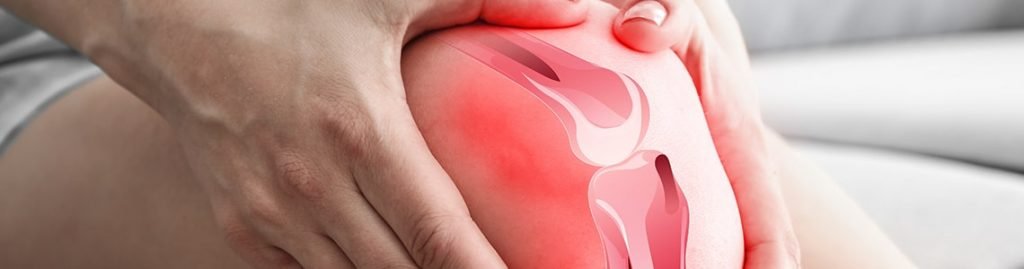
November 16, 2020 KNEE PAIN NO MORE Contact Us +65 6398 0415 admin@ayurvedasg.com Recent Articles The knee is an important part of the body. It helps with movement and is made up of bone, ligament and tissues. With age, knees deteriorate and can result in chronic knee pain. This sometimes happens in youngsters as well. The 3 main reasons for knee pain are: Injury – Broken bones, torn meniscus or ligament pull. Medical conditions – Arthritis, gout Chronic use – Osteoarthritis, tendinitis JANU MARMA According to Ayurveda, there are certain points, known as marma points, which can be stimulated to provide relief. The janu marma is located at the joining point of the leg and the thigh, at the knee. The janu marma on each leg can be stimulated for various health benefits which include, liver function, spleen health and water metabolism. This point can be massaged daily for 5 minutes using warm oils to prevent and reduce knee related aches. It can also work to boost liver health and promote better immunity overall. Pain due to arthritis sees significant release by massaging the janu marma. AYURVEDIC HERBS AND SPICES Ayurveda has numerous potent herbs and spices which can help alleviate knee pain. These must be consumed regularly up on advice by an ayurvedic professional. Depending on the type of knee pain and the severity, there are various herbs which can soothe the joint and promote better living. GINGER Ginger extract can be consumed to lessen knee pain and assist those with osteoarthritis to walk without difficulty. It has a strong anti-inflammatory effect which is comparable to OTC ibuprofen. Adding some ginger extract to tea and consuming this on a daily basis can provide pain relief from knee pain. TURMERIC Turmeric, similar to ginger, has anti-inflammatory properties. The curcumin in the turmeric can help the body in many ways. Ayurveda prescribes golden milk as a way to consume turmeric in the appropriate proportion daily. ASHWAGANDHA Ashwagandha has analgesic properties. This helps those suffering from knee pain to feel less pain and relieves any stress on the joint. This is due to the presence of glycoside in the roots and leaves. GHEE Ghee is a rich source of vitamin D and calcium. This promotes better bone health and joint movement. Add a small quantity of ghee to your daily diet for the best Ayurvedic regimen. AYURVEDIC THERAPIES Swedana or sudation can be done regularly to reduce knee pain. Abhyangam or full body oil massage is great for pain relief and to alleviate any tightness in the joint. Herbal ointment made with cinnamon, ginger, mastic and sesame oil is a topical ayurvedic remedy for knee pain. For chronic knee pain, always consult an ayurvedic doctor for the best remedies.
COUGH RELIEF THE AYURVEDIC WAY

October 23, 2020 COUGH RELIEF THE AYURVEDIC WAY Contact Us +65 6398 0415 admin@ayurvedasg.com Recent Articles Cough is a common symptom of many underlying conditions. However, in most instances, it is the body’s way of expelling phlegm, pollutants and harmful microbes from the chest, lungs and throat. Coughs can be chronic or mild depending on the severity of the infection. In some cases, it is the result of allergies or harmful toxins in the air entering the respiratory tract. Ayurveda specifies a number of ways to alleviate coughing. Drink warm water throughout the day to stay hydrated and keep the throat moist. This helps relieve coughing temporarily. Gargle with saline solution twice a day to help loosen and remove phlegm and mucus which is accumulated in the airway. Drink an ayurvedic tea made with basil, ginger, black pepper, cloves, green and black cardamom, fennel seeds and honey. This helps provide immense relief from a severe cough. Turmeric is great for coughs. Drink golden milk daily to prevent coughs. Turmeric can also be added to food to boost immunity. Ginger juice with honey is another great ayurvedic remedy for coughs. Cinnamon with honey can also be taken everyday to soothe the throat and expel any toxins. Chew licorice sticks to reduce the frequency of coughing and calm the infection. Chew tulsi leaves throughout the day to control coughs. respiratory system of mucus. Consume warm ghee which is prepared with expectorants such as licorice, cherry bark, which are potent ayurvedic herbs. Soak almonds overnight and make them into a paste with butter. This is a great ayurvedic tip to soothe coughing. Steam inhalation with eucalyptus is great for calming cough and purging the respiratory tract. Take a few mint leaves and keep them in your mouth without chewing. This will slowly help relieve dry cough. Having a cough can be extremely disruptive to day to day activities. Curb it at the start with these simple ayurvedic treatments and experience great relief. Always consult an ayurvedic doctor before administering any ayurvedic medicines.
CASTOR OIL IN AYURVEDA
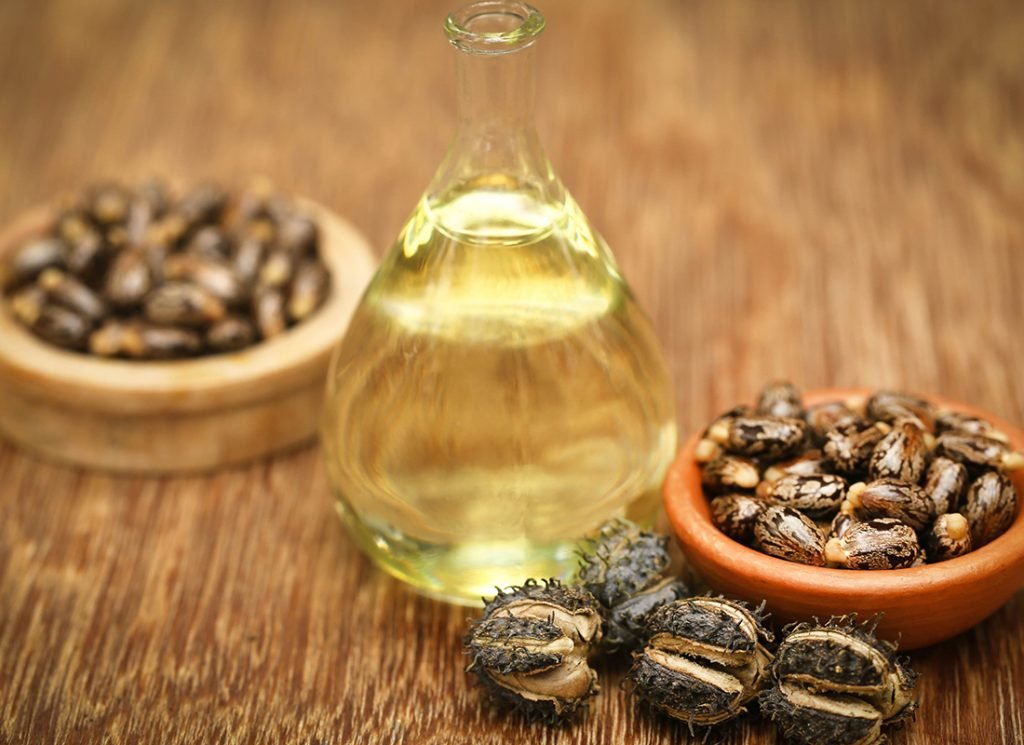
October 10, 2020 CASTOR OIL IN AYURVEDA Contact Us +65 6398 0415 admin@ayurvedasg.com Recent Articles Castor oil is used predominantly in Ayurveda. It’s derived from the castor seed and is known widely for its use as a laxative. However, Ayurveda makes use of castor oil in a number of ways. It is quite fatty and is also known for its moisturizing characteristic. Castor oil is considered to be heating when taken internally and cooling when applied topically. In Ayurveda, it is used both ways depending on the purpose. VIRECHANA Castor oil is used as Virechana or laxative in the ayurvedic therapy of panchakarma. Panchakarma involves detoxing the body and removing all accumulated ama. Castor oil is used before the start of panchakarma or during the course of the therapy. It is part of the purgation phase of the process. It stimulates the organs of elimination including the colon, bladder and the uterus. Castor oil is an extremely potent virechana and in some cases it is mixed with Haritaki for a milder laxative effect. RHEUMATOID ARTHRITIS Castor oil is also known for its ability to help manage arthritis. Ginger tea with a teaspoon of castor oil can be taken every night. This has the effect of lightly heating the body, promoting circulation, and also works as an analgesic, anti-inflammatory with gentle laxative properties. Castor oil is also used for chikitsa which helps soothe arthritis. HAIR AND SKIN Castor oil has extremely thick consistency which makes it great for treating skin disorders such as psoriasis and eczema. It can also be used for extremely dry and cracked skin in any part of the body. It can also benefit hair growth and helps moisturize and heal damaged hair. ANTIBACTERIAL Castor oil has antibacterial properties. Ginger and castor oil have been shown to have a great effect at preventing infection. CASTOR OIL PACK Castor oil can be used as a pack. It involves using a flannel soaked in oil and covering it with a hot water bottle. This is then placed on the body or affected area for about an hour. This helps break down cysts, fibroids and lipomas. It also stimulates lymphatic circulation, reduces inflammation, and reduces joint pain. Always consult an ayurvedic doctor before incorporating castor oil into your ayurvedic regimen.
AYURVEDIC USES OF MORINGA
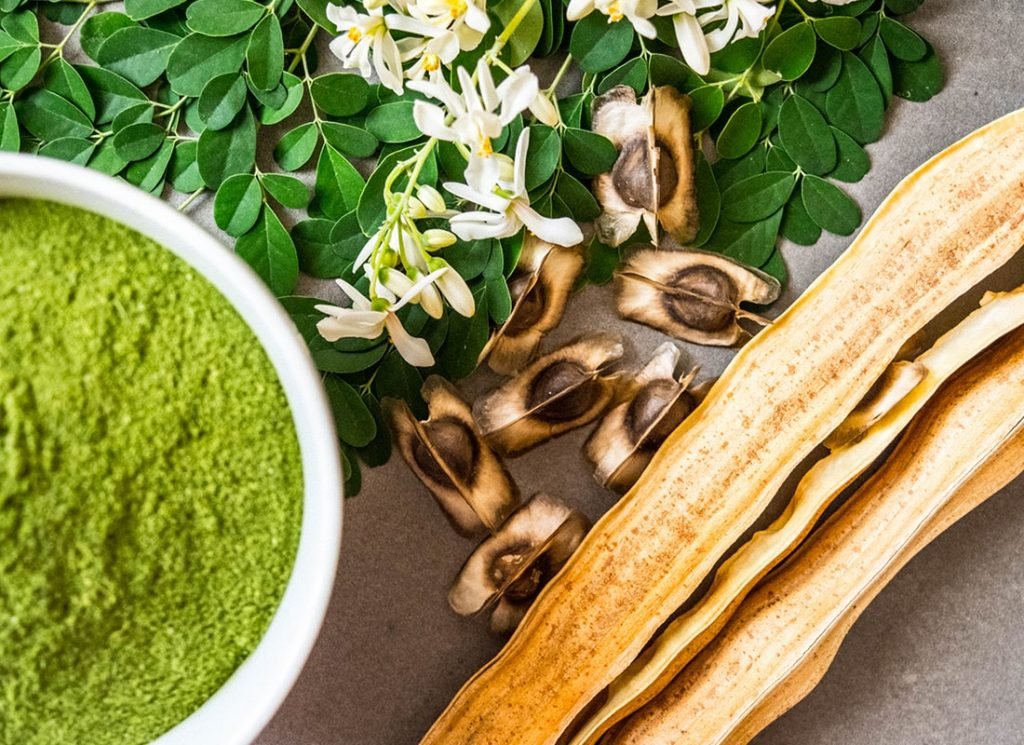
October 10, 2020 AYURVEDIC USES OF MORINGA Contact Us +65 6398 0415 admin@ayurvedasg.com Recent Articles Moringa, commonly known as drumstick, is rapidly gaining popularity as a potent superfood. This has been used extensively in Indian dishes, and is a staple in the Indian kitchen. It has a rich nutritional profile and is used in a number of ayurvedic remedies as well. Moringa has a bitter or pungent taste, and is used in Ayurveda to pacify kapha and vata doshas. Different parts of Moringa tree are used in different formulations. BENEFITS A paste made up of the Moringa bark and leaves is great for calming inflammation. It relieves burning sensations and can also be used to hasten wound healing. Moringa seed oil is a great ayurvedic remedy for wounds and to treat pain in injured regions of the body. Pain caused by arthritis can be extremely hard to tolerate. Moringa seed oil helps alleviate this pain and eases the stress on the body. Moringa stimulates the nervous system. For this reason, it is used to prepare a tonic to help those with weak nerves. Moringa can also be used to treat paralysis and conditions such as palsy. Moringa adds good flavour to dishes and also stimulates the appetite or agni. Moringa has good binding properties which makes it great for regular bowel movements and to prevent diarrhea. Moringa also helps to purge a worm infestation in the stomach. Moringa is used in Ayurveda as part of a potent heart tonic due to its efficiency in promoting cardiac Moringa is also a great cure for coughs and colds. Moringa can also be used as a diuretic. It helps calm urinary tract infections and makes it easy to pass urine. Moringa helps regulate menstruation in women. Moringa can help with weight management. It has a potent detoxifying effect which removes ama from the body. Moringa also aids in soothing skin and treating certain skin conditions. Moringa promotes vision and eye health. It is used ayurvedically to break fevers. Moringa also induces sweating when used the right way. Moringa supplements are a great way to incorporate this into your diet. However, always consult an ayurvedic doctor to find the best Ayurvedic regimen for your specific needs.
AYURVEDIC TIPS
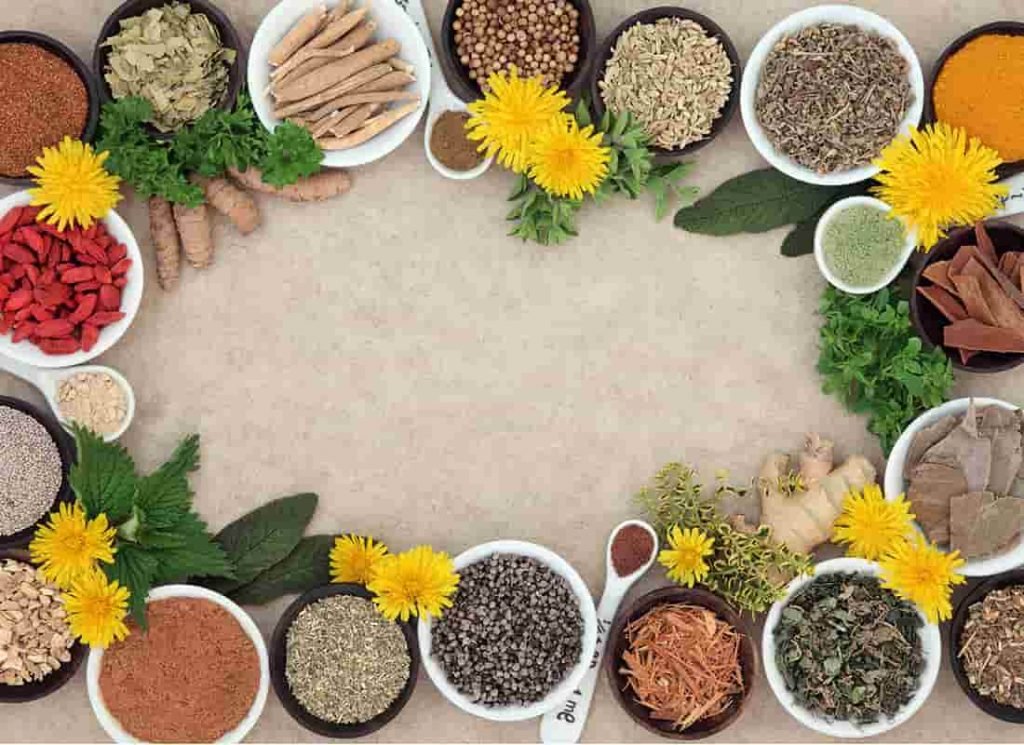
October 10, 2020 AYURVEDIC TIPS Contact Us +65 6398 0415 admin@ayurvedasg.com Recent Articles Ayurveda holds the key to a number of natural, herbal, healthy and safe ways to maintain physical, mental and spiritual well-being. Below is a list of ayurvedic tips to implement in to your life. Neem oil is a great ayurvedic remedy for blemishes on skin. Use it to get rid of that scar or dark mark quickly. Sandalwood oil is magical for rough textured skin and can help ease dry skin conditions such as eczema or psoriasis. Wrinkles are the bane of aging. Prevent them by regularly drinking tea made with fenugreek. Bhumyamalaki tea is great for purifying and detoxing the liver. Healthy liver results in healthy skin. Bhringraj oil is an ayurvedic medicine to prevent hair fall and promote faster growth. Apply it to your hair and scalp at night for great results. Brahmi is a great herb to calm the mind. It relieves stress and maintains hair health as well. Henna application to hair is a great way to promote hair health and, add some colour too minus the use of harsh chemicals. Make a mouthwash with Triphala in water. It strengthens gums and teeth and encourages a healthy biome in the mouth. Chewing neem sticks is a great ayurvedic replacement for traditional tooth flossing and far more effective due to the antimicrobial effect of neem. Apply castor oil to eyelashes for shine and to stimulate faster growth and longer lashes. Ayurveda suggests that simply placing your warm palms over the eyes at the end of each day helps relieve stress and relax the eyes. Triphala eye wash can be used to prevent redness or itchy eyes. Drink warm water with Apple cider vinegar every morning to kindle agni. Golden milk is another ayurvedic remedy which promotes better gut flora and stimulates good digestion. Aloe vera can be used externally to soothe skin and keep it moisturized. In addition, it can also be consumed to cool the body and rejuvenate it. Ginger tea is an ayurvedic way to improve digestion and also promote better circulation. This in turn gives a flawless complexion. Hingvastak is a great herb to cure bloating, and cramping due to gas. Yoga nidra before sleeping can improve quality of sleep. Sun salutations every morning ensure your body and mind are ready for the day. Take herbal baths to promote serenity and improve mental health.
AYURVEDIC FOOT MASSAGE

September 16, 2020 AYURVEDIC FOOT MASSAGE Contact Us +65 6398 0415 admin@ayurvedasg.com Recent Articles Ayurveda recommends a daily oil massage or Abhyangam for optimal health. However, today’s fast-paced world does not give everyone time to indulge in an intense oil massage every day. For this reason, it is a great idea to achieve the health benefits by doing a simple scalp massage and a foot massagedaily. According to Ayurveda, the feet are the site where nerves end. This makes it a location with plenty of marma points. Massaging the feet can stimulate better blood circulation and relax the entire body. Ayurveda considers the feet to be the foundation of the entire body; and a weak foundation means your entire body’s functioning will be unhealthy. Using oils to massage the feet every night before bed can help relieve the stress of the day and relax the mind, preparing the body for a good night’s sleep. Ayurveda has always recognized the potent effect that oils have on the body. They make the skin supple and soft, and have deeply penetrative which allows the body to soothe and renew itself. There are a number of oils which can be used for a foot massage, but the best options are sesame oil or coconut oil. If you want an even more luxurious feel, add a few drops of lavender oil for better sleep, or eucalyptus oil for stress relief. An oil massage for the feet also leaves your feet free of any dead skin, and feeling baby soft. Warm oil is preferred as this has a better penetrative effect. STEPS Massage some oil all over the foot and ensure the entire sole is covered. Make sure you reach up to the ankle and between the toes as well. Next, slowly press your thumb into the point where your leg joins your feet, and drag it to the tip of the big toe. Do this extremely slowly and with as much pressure as you feel comfortable with. Repeat this step with every toe. This is to ensure blood flow in the foot is good, and this also helps stimulate better circulation in the entire body. The next step focuses on the toes. Slowly pull each toe away from the foot almost like cracking the joint. This helps relieve all stress. Use your hands to pull your foot from the ankle to the tips of your toes and do a few gentle strokes ensuring you are massaging every part. Practice deep breathing and visualize all stress leaving the body. Repeat the exercise on the other foot. Once done, soak your feet in a water bath with a small amount of salt for 5-10 minutes. This helps draw out all toxins and impurities.
5 REASONS TO TRY PANCHAKARMA
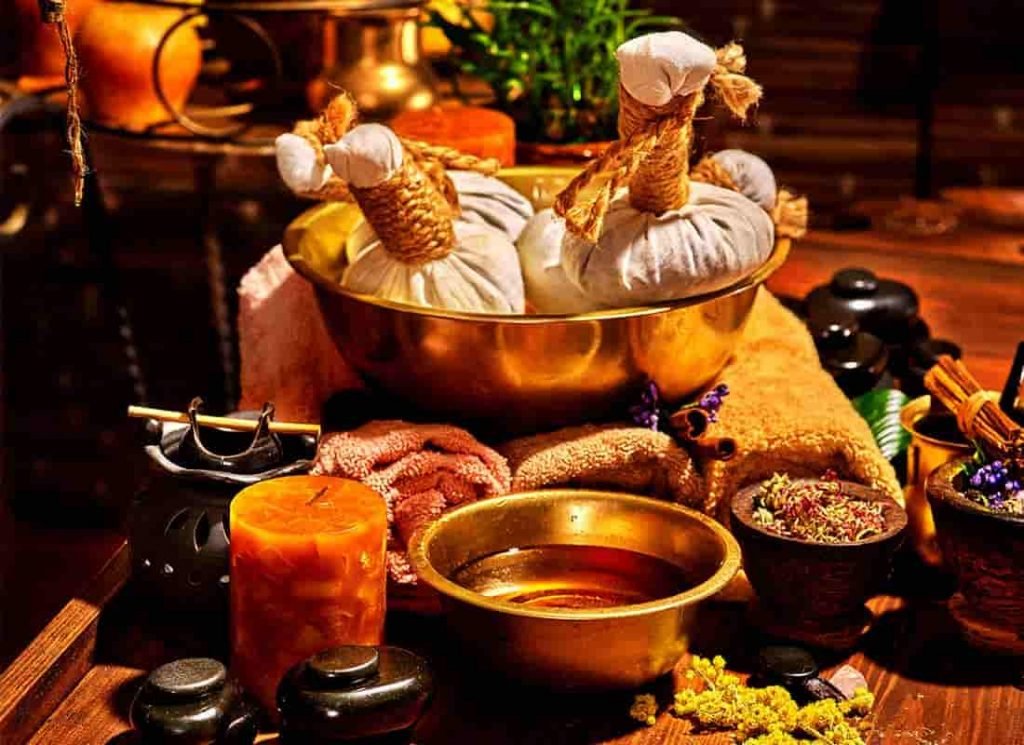
September 10, 2020 5 REASONS TO TRY PANCHAKARMA Contact Us +65 6398 0415 admin@ayurvedasg.com Recent Articles Ayurveda advocates regular panchakarma as a great way to detoxify the body and remove all harmful “ama”. Panchakarma works holistically from the inside out, clearing all systems of any accumulated toxins and leading to better functioning of organs. It also helps enhance liver function. Panchakarma can be done professionally at an ayurvedic centre over a period of time, or done in a simpler way at home on the advice of a skilled ayurvedic doctor. The miracles of panchakarma are renowned, and it can be done if you experience any of the below conditions. CONSTIPATION Constipation is a major issue affecting numerous people due to improper diet and unhygienic eating habits. It has become so common that some people are unaware that they suffer from constipation. Ayurveda stipulates that regular bowel movement every day is essential for health. Failing to do so will lead to increased toxicity in the body, accumulation of ama, and blocking of digestive tracts. This issue usually signifies an imbalance of vata, though it can be caused as a result of tridoshic imbalance as well. Practicing panchakarma is a good way to regulate passing of stools and clear any waste which has been stuck in the body. It heals the body from the inside, and leaves people feeling refreshed and energized. ACNE AND SKIN ISSUES Skin is the largest organ of the body and therefore can be an indicator of ill health. Acne and skin issues such as eczema, flaking of skin, rashes may all be indicative of problems with internal organs or systems. By doing panchakarma, easily digestible foods are consumed which allow the body to purge itself of ama. All pitta imbalances can be healed by following this practice. FOOD ALLERGIES Allergic reactions to dairy, legumes and certain grains have become extremely common. According to Ayurveda, the reason for this is improper eating habits, bad food combinations, chemicals or toxic substances in food and high junk food intake. All these get stored in the body in the form of ama which can slow down digestion and cause other secondary problems as well. It also reduces the potential of agni, and weakens it, resulting in the body being incapable of digesting heavy food. During panchakarma, the body resets itself, purging itself of toxins and rekindling the agni for better digestive process. After this, better absorption of food has been observed as well as better bowel movements. MENTAL ANXIETY Busy lives and hectic schedules all result in great mental stress. This manifests itself in the form of anxiety and can even cause other physical side effects. Ayurveda believes in holistic healing which involves mental as well as physical wellbeing. If the mind is in turmoil, the body responds by causing health issues. During panchakarma, regular Abhyangam helps soften ama while also having a soothing effect on the mind. It allows one to relax and unwind, while providing intense stimulation. Meditation and yoga also aid in better reception of panchakarma by the body, mind and soul. Consult an ayurvedic practitioner to try panchakarma and experience a boost mental and physical health.