
2 AYURVEDIC MEAL TIPS TO START THE YEAR WITH
January 6, 2021 2 AYURVEDIC MEAL TIPS TO START THE YEAR WITH Contact Us +65 6398 0415 admin@ayurvedasg.com Recent Articles It’s the start of a new year, and while 2020 may have seemed like a long one, 2021 comes with fresh promise and renewed hope. In this new year, incorporate some Ayurveda in to your eating habits to experience better digestion, faster metabolism and overall well-being. The digestive fire or “agni” is a huge factor in Ayurveda and is crucial to maintain fitness and boost immunity. Below are 2 important meal time rules, which will change your “agni” for the better. ALWAYS START YOUR MEAL WITH SWEET This might seem like a huge no-no to our western influenced meal plans. However, according to Ayurveda, this is a big factor which affects the digestion of each meal. There are 6 tastes or rasas, which are essential for the human body. Every meal must contain all 6 of these for smooth digestive function. This also affects the other organs as well. The 6 tastes are: sweet, sour, salty, pungent, bitter and astringent. This is also the order in which Ayurveda prescribes eating. The reason for this is the rate of digestion of food with these rasas. In this order, foods with sweet rasa take the longest to get digested, while astringent food takes the shortest period of time. When starting a meal, take a small bite of something sweet. This does not necessarily mean a slice of cake or chocolate, but can even be some boiled sweet potatoes or even a piece of fruit. This allows the taste buds to awaken and start enjoying the meal. Follow this with sour tasting foods. The meal should always end with something astringent. This is why Ayurveda recommends drinking buttermilk after eating. In this order, the foods which take the longest to digest are slowly broken down in the stomach and do not accumulate. This results in lesser probability of indigestion, gas formation, and also boosts metabolism. LISTEN TO YOUR STOMACH Ayurveda classifies food as light or heavy based on how long it takes for the body to digest. Light foods can be eaten in excess without too many harmful side effects, but heavy foods can cause sluggishness, fatigue, depression and unhealthy weight gain. In order to keep agni kindled at all times, it is crucial to pay attention to your body. When you are eating a meal, stop just before you feel full. Do not force yourself to eat until you feel “to the brim”. This can douse the agni fire and slow down body metabolism. Always ensure your stomach feels light after a meal and not heavy. Any tightness or pains in the chest or abdomen is an indication that you’ve eaten too much. The food will pass extremely slowly through your body, which will make it putrefy and cause flatulence and heartburn. Allow time without snacking in between meals. This results in better digestion overall. By following these 2 tips, you’re sure to see a change in your bodily functions this new year. Embrace Ayurveda in 2021 for a new healthy and happy you!
GINGER COMPRESS FOR KIDNEYS

December 28, 2020 GINGER COMPRESS FOR KIDNEYS Contact Us +65 6398 0415 admin@ayurvedasg.com Recent Articles Ginger is a good ayurvedic spice to warm up the body especially during the winter season. It can be consumed internally in the form of a kashaya or tea, but it can be used externally in the form of a compress as well. A ginger compress is a great way to unwind and relax the body as it is a type of swedana. Swedana is the ayurvedic practice of making the body sweat due to heat or warmth. Heat allows the channels in the body to open up. Therefore, a hot compress is a great way to help improve kidney function. Doing this also helps stimulate the adrenal glands which are situated just above the kidneys. This can prevent burnout and excessive fatigue. Using a ginger compress on the kidneys is best done on an empty stomach. It is also advisable to wait for some time before the next meal. Before doing a compress, do a full or partial oil massage or Abhyangam. This prepares the body for swedana. The method is described below: Make a large pot of ginger tea with fresh chopped pieces of ginger. Allow it to boil and then steep and simmer for 30 minutes. Setup the area for lying comfortably on your stomach. Have a towel for the compress and another dry one as well. Place cushions below your stomach if you feel discomfort. Remove the ginger tea from the heat and let it cool for about 5-10 minutes.. While the tea cools, do Abhyangam for your entire body or just your upper body as preferred. Ensure you massage the lower back around the region of the kidneys. Take a towel and immerse it gently into the hot ginger tea. Allow to soak and remove. Squeeze it to remove excess tea and ensure the towel is damp and not wet. Lay on your stomach and gently place the compress over the region of your kidneys. Add some pressure. Relax while the compress warms your back. When it cools, repeat the process. Continue doing this for a minimum of 30 minutes. After this, take a warm shower.
HEART HEALTH THROUGH AYURVEDA

December 28, 2020 HEART HEALTH THROUGH AYURVEDA Contact Us +65 6398 0415 admin@ayurvedasg.com Recent Articles A healthy heart is key to a happy and content life. However, in current times, poor eating habits, lack of exercise and excessive stress have led to a sharp spike in the rate of heart disease. Cardiac arrests have become more common, even among the young. According to Ayurveda, all this is a result of accumulation of ama or toxins in the body. This can cause disruption in the circulatory system and result in increased cholesterol levels as well. Ayurveda prescribes a few ways to keep your heart healthy. Balancing the doshas is key to maintaining heart Aggravated kapha can result in high cholesterol while increased pitta and vata can cause burning sensation and blood pressure respectively. Rasayanas can help stimulate the brain and keep it sharp. This, in turn, helps the heart as well. Reducing ama or toxins in the body is an important ayurvedic practice. Do a cleanse at a retreat or at home to purge the body of all harmful toxins. Stimulation of agni is also key to good heart health. Eat foods which help keep agni burning and do not douse it. Avoid cold water and cold drinks. Ayurveda deals with healing the body and mind cohesively. For this reason, it is important to reduce stressors and negative circumstances to help the body function better. Make a drink of garlic, clove, cinnamon and honey in milk. Drink this every morning to boost heart wellness. Pranayama done daily can help reduce the occurrence of heart issues. Take 3 teaspoons of arjuna powder with honey and warm water 3 times a day. This helps the circulatory system. Chyawanprash can be consumed every day. It is a powerful antioxidant and helps reduce ama in the body. Regular practice of yoga also helps keep the circulatory system in good form. Always consult an ayurvedic doctor to implement Ayurveda in the best way possible.
AYURVEDIC WINTER SKINCARE

December 15, 2020 AYURVEDIC WINTER SKINCARE Contact Us +65 6398 0415 admin@ayurvedasg.com Recent Articles Skin is the largest organ in our body, and throughout the year, everyone wants to maintain flawless, clear skin. It is also directly linked to better mental health due to anxiety and depression caused by blemishes, acne and so on. Keeping skin healthy requires changing up your diet and skincare routine based to the weather you are exposed to. Skin has different needs and it is essential to make the necessary changes according to the dosha which might be affecting skin. Ayurveda believes that each of the doshas have certain characteristics which might result in varying skin conditions. Kapha dosha imbalance can cause excessive oiliness and breakouts. This can leave skin feeling greasy and dull. Vata dosha imbalance causes dryness and flaking which is predominant especially in the winter. It can make skin extra sensitive as well. Pitta dosha imbalance can be a result of excessive body heat, resulting in redness of skin, rosacea and such issues. According to Ayurveda, diet is a major factor in keeping skin healthy. By following a dosha pacifying diet according to the imbalance in skin, it is possible to improve the quality of skin on the face and body. SIMPLE WINTER SKIN ROUTINE Ayurveda does not recommend piling on products onto the skin. This has become more and more popular and is typically a result of expecting quick results. Skin health is a long-term commitment and requires patience and consistency to see results. Below is a simple winter skin routine which must be followed daily to see a positive change in skin texture and appearance. AM ROUTINE Rinse face with clean water and pat dry. Follow this up with a facial oil to lock in moisture and add an occlusive layer to prevent dehydration during the day. PM ROUTINE Use a cleansing oil to remove all traces of dirt, grime and makeup which are on the skin. Gently rub in a circular motion. Use a cotton pad to remove the oil from your face until it feels free of any dirt. If your skin feels tight or dry after this. Apply a good layer of facial oil as a moisturizer. FACIAL OILS Vata – sesame, almond, olive or ghee Pitta – coconut, sunflower, sesame or olive Kapha – sesame or sunflower NATURAL EXFOLIATION Once a week, it is a good practice to exfoliate the skin. This is essential to remove all trapped dead skin and allow for fasted cell turnover. It leaves skin soft and smooth. Use sea salt flakes to gently massage your skin. Be extremely patient and do not scrub hard. This is a great ayurvedic way to exfoliate skin without any harmful chemicals. DRINK WARM WATER Drinking enough water every day is proven to improve skin health. It makes the skin barrier strong and prevents moisture loss. However, the temperature of water is extremely important as well. Cold water acts as a deterrent for agni in the stomach. This in turn affects digestion and causes gastrointestinal issues. All this culminates in skin issues which seem persistent and incurable. For this reason, always drink only warm water throughout the day. This ensures good gut health, stomach health and ultimately skin health. ABHYANGAM AFTER SHOWER Traditionally, Abhyangam is done before a warm shower. However, during the winter season, it is a good idea to switch it up and do an intense oil massage or Abhyangam immediately after a shower. This is because skin gets particularly dry during the winter season. The oil massage post shower can help seal the water in the skin and keeps it supple and moist. MEDITATION AND YOGA Sweating is essential to remove toxins from the body. This is especially important for glowing skin. Perform yoga and meditation on a daily basis to exercise the muscles. This not only warms up the body during the winter season, but also causes one to sweat which purges all impurities and results in flawless skin.
NADI SHODHANA – FOR BETTER QUALITY OF LIFE

December 14, 2020 NADI SHODHANA – FOR BETTER QUALITY OF LIFE Contact Us +65 6398 0415 admin@ayurvedasg.com Recent Articles Ayurveda is a holistic healing practice which has been in use for over 5000 years. It deals with physical, mental and spiritual well-being. According to Ayurveda, the human brain functions predominantly on the left or the right side. The balance between the working of the two sides is essential for health and well-being. Most individuals go about their day to day lives with one side of the brain more active than the other. This is especially noticeable during considerable physical activity when one nostril is more in use than the other. It is fairly common for one side to be used more than the other. When using one nostril, the opposite side of the brain is particularly active and more focused. Typically, the brains and breath action switch every 90 minutes or so. Each part of the brain is responsible for different qualities as given below. brain: Imagination Creativity Intuition Rhythm Art Nonverbal communication Dreaming Feelings Left brain: Logic Language Computing Facts Verbal communication Analytical thinking NADI SHODHANA Nadi shodhana is a type of pranayama or breathing exercise. ‘Nadi’ means channel and ‘shodhana’ means purification. This is because, this method of pranayama helps clear the pathway, since breathing through each nostril provides a significant boost to the opposite side of the brain. It also stimulates clarity of mind and better mental health overall. It also improves nervous system function and can be performed regularly for improvement in quality of life and to provide stress relief. It is quite simple to practice daily and the steps are given below. STEPS Sit in a comfortable position, wearing loose clothing. Sit erect but ensure your neck, head and spine are relaxed. Take a deep breath and exhale through both nostrils. Use your right hand and close your right nostril using your thumb. Slowly inhale, being fully present and without any hurry. Once the inhalation is complete, open your right nostril and close your left nostril with your index finger. Slowly exhale through the right nostril, allowing the air to be expelled in a controlled manner. Now, inhale slowly through the right nostril. After inhaling, remove the finger covering the left nostril and close the right nostril. Exhale gently through the left nostril. Attempt to do about 5-10 rounds of this kind of breathing. BENEFITS OF NADI SHODHANA It balances “Prana” or life force in the body. It purifies energy channels within the body known as “nadis”. There are believed to be over 72000 nadis. It helps purify lungs and improves respiratory health. It calms the mind and has the ability to balance all 3 doshas with regular practice. Add nadi shodhana to your Dinacharya for better mental health.
AYURVEDIC REMEDIES WITH FENNEL
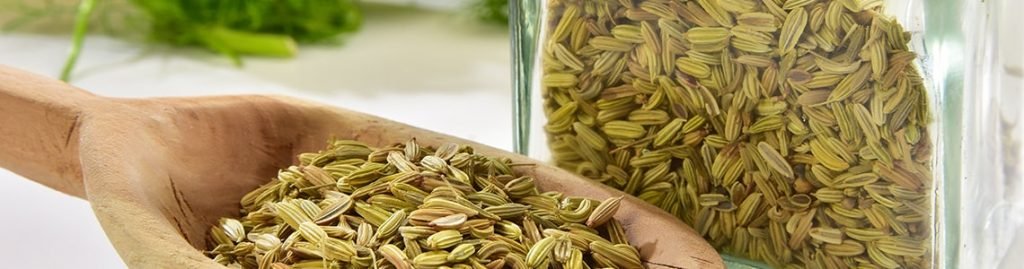
December 14, 2020 AYURVEDIC REMEDIES WITH FENNEL Contact Us +65 6398 0415 admin@ayurvedasg.com Recent Articles Fennel seeds have been used extensively as a digestive aid. For this reason, they are immensely popular in Indian restaurants and typically offered as a mouth freshener after a meal. Fennel seeds have a mild and pleasant minty taste. They are almost licorice like and are used in cooking a variety of Indian dishes. Ayurveda recognizes the significant effect of fennel in digestion and other health issues as well. Fennel seeds can be helpful for: Indigestion Constipation Respiratory issues Eye problems Colic Menstrual problems Anemia Diarrhea Bloating and gas Fennel seeds are a rich source of vitamin B3 and C. They are also rich in magnesium, potassium and iron. Since they also have dietary fiber, these seeds provide immense relief from constipation. They aid in removal of ama or toxins from the body. Fennel seeds have also been noted to prevent inflammation and reduce the risk of cancer. FENNEL IN AYURVEDA Fennel has been used widely in Ayurveda. It has tridoshic properties which means it can help reduce vata, pitta and kapha doshas. Fennel has a cooling nature. It provides the best effects when steeped in water rather than when cooked. Ayurveda makes use of fennel in a number of ways to treat various ailments as described below. Steep 1/2tsp of fennel powder in water. Boil well and palm sugar. This concoction is a great remedy for colds. Make a mixture of unsweetened grape juice, ½ tsp fennel powder and ½ tsp cumin powder. Drink this to help alleviate fever. Make a mixture of fennel, cumin and celery seeds. After every meal, take about a tsp of this mixture to prevent bloating or gas. It relieves any pressure in the stomach as well. As part of Dinacharya, consume a handful of fennel seeds every day to improve circulatory health and blood purity. Steep 1 tsp of fennel seeds in water and boil. This mixture can be given for babies to stimulate better appetite. In the summer season, the possibility of heat stroke increases. Make a fennel tea with fennel seeds and add some salt. This is a good recovery drink for those who have suffered from heat stroke. Roasted fennel seeds greatly improve digestion. Consume a little before eating. Always consult an ayurvedic doctor for the best ways to incorporate fennel into your diet.
AYURVEDIC TEAS

December 09, 2020 AYURVEDIC TEAS Contact Us +65 6398 0415 admin@ayurvedasg.com Recent Articles Ayurvedic teas are concoctions made using hot water and specific herbs and spices. These have been used for centuries as a way of incorporating healing herbs into routine diets. Ayurvedic tea can also help balance the doshas in the body. Based on the body type, the following herbs and spices can be used: Vata tea – Fennel, clove, ginger, licorice. Kapha tea – Ginger, glove, cardamom, cinnamon, black pepper. Pitta tea – Ginger, rose petals, cloves. Drinking these teas can help the body in a number of ways. They help improve digestion and keep the stomach functioning normally. They help in reducing fat content in the body, when coupled with the right diet and lifestyle. They improve skin texture and tone. This is particularly helpful with aging skin. The teas boost overall body immunity and help prevent easy infection. Ayurvedic teas help detox the body and remove any ama or toxins which can hinder the working of the liver and other organs in the body. They provide mental clarity and help keep anxiety, stress and nervousness at bay. Below is a list of ayurvedic tea recipes which can help improve health and wellbeing. TURMERIC TEA RECIPE This tea is made by boiling water and adding ginger, turmeric and cinnamon to it. The boiling mixture is allowed to simmer. Lemon juice is added once the tea is taken off the heat and honey is added to taste. BENEFITS Turmeric is great for detoxifying the body. It also promotes skin health. Drinking turmeric tea regularly can improve skin texture and prevent skin diseases. FENUGREEK TEA RECIPE Boil a pot of water. Add some tea leaves and fenugreek seeds to the boiling water. Allow them to steep and release flavour. Remove from the heat and add honey to taste. BENEFITS Fenugreek seeds are loaded with antioxidants. They help soothe the stomach and balance kapha dosha. This tea improves digestion and acts as an anti-inflammatory. CORIANDER TEA RECIPE This tea is made by boiling hot water and adding cumin, coriander, fennel and cilantro. Let the mixture simmer and strain for a cooling and refreshing tea. BENEFITS Coriander has cooling properties and this tea can be used to balance pitta dosha. It eases digestion and improves metabolic activity in the body. This in turn helps with better energy production and overall fitness. LAXATIVE TEA RECIPE Herbal laxative tea is made by boiling hot water and adding coriander seeds and senna. Allow to simmer and drink when hot. BENEFITS Like the name suggests, this tea is a great way to gently allow the stomach to purge itself. It relieves constipation and is considered a safe and effective herbal remedy. It can be used for all dosha types. HOLY BASIL TEA RECIPE Boil water in a pot. Once boiling, add holy basil leaves. Remove from the heat and add some ginger and lemon to this mixture. Drink while hot. BENEFITS Holy basil is great for colds and sore throats. Drink this hot tea throughout the day to prevent and cure the common cold. It also helps relieve symptoms of acidity and regulates digestive activity. Incorporate these ayurvedic teas into your regimen for a healthy and well-functioning body.
AYURVEDA FOR THE WINTER
December 09, 2020 AYURVEDA FOR THE WINTER Contact Us +65 6398 0415 admin@ayurvedasg.com Recent Articles According to Ayurveda, the weather can affect your body’s functioning. Winter is the season which feels a little oppressive, dark and might even trigger Seasonal Affective Disorder. This can be tackled by changing your lifestyle and routine and adapting an ayurvedic plan which will balance your doshas. Winter shares many features with kapha dosha, so it is predominantly considered to be the season of kapha. However, if the cold season is excessively dry, it can also indicate vata. For this reason, it is key to structure an ayurvedic routine and diet which focuses on balancing these 2 doshas. AYURVEDIC DIET FOR WINTER Winter is the season when the agni is strongest. Because of this, you might see a significant increase in the amount of food you eat on a daily basis. This is a good thing and it is always important to eat just to satiate hunger and stop eating when you feel even the slightest bit full. Below are a few tips to keep your diet healthy. Include a lot of warm, slightly oily, spiced foods into your diet. Always follow the 6 taste rule when it comes to food. Always drink warm or hot liquids during winter. Avoid cold drinks. Sip tea with ginger, cinnamon and clove throughout the day to keep your cavities from getting congested and your stomach sated. Radishes, spinach, onions and carrots can do wonders for your body in the season. Also season your food well with hot and punchy spices such as black pepper, chilli, ginger and cayenne. Cooked grains, mushy soups and steamed vegetables are perfect and feel wonderful to consume in the cold conditions. Avoid dairy during the winter. If you cannot go without a glass of warm milk before bed, add some turmeric to it to make golden milk. This can be less congestion-inducing than plain milk. Avoid cold and frozen foods. Sweets are also best avoided in winter. Do a simple water cleanse or juice cleanse once every few weeks to give the digestive system a break. Take a spoon or two of Chyawanprash every morning to boost immunity and overall energy levels. AYURVEDIC ROUTINE FOR WINTER It is appropriate to rise a little later during winter. So, grab some extra shut eye every morning. Practice tongue scraping and oil pulling every morning for good oral health. Do a gentle massage with an oil to warm up your body for the day. Take a long warm shower at the start of every day. Drink a glass or more of warm water and add a few drops of a comforting oil in your nostrils. Perform a basic yoga routine every morning. Don’t nap during the day, rather go to sleep earlier in the evening. By following these ayurvedic tips, your winter is sure to be a good one with your body functioning optimally.
AYURVEDA FOR HOLIDAY TRAVEL
November 25, 2020 AYURVEDA FOR HOLIDAY TRAVEL Contact Us +65 6398 0415 admin@ayurvedasg.com Recent Articles It’s holiday season! This means many people will be traveling home to be with family, or going on short vacations with loved ones. With the ongoing pandemic, even short travels and visits to friends can be quite tiring and result in fatigue or anxiety. For this reason, it is especially important to follow an ayurvedic routine to stay grounded and remain in good spirits while navigating through the holiday travels. Below is a list of small ayurvedic tips which can make a huge difference in improving your mood and help in staying healthy and active. Before traveling, eat light. Kitchari is the best soothing food for the stomach. It is also great at keeping agni kindled and can help keep any gastrointestinal issues at bay. Drink warm water This will keep the body from getting dehydrated and tired. If you are flying, administer nasya before the journey. The warm oil in the nose will soothe the nasal passages and help prevent dryness, itching and redness. Self-abhyangam with some warm oil is a great way to relax the muscles and mind before embarking on a journey, however short it is. It rejuvenates the body and drives away all stress and anxiety. Doing some simple yoga is also a great way to de-stress. It stretches all tight muscles and awakens the mind. Fill a small eyedropper with rosewater. This is a great ayurvedic remedy for soothing dry, irritated eyes which might be caused by lack of sleep. Carry a vial of lavender oil to calm yourself and sleep better during travel. Avoid all fatty heavy foods, alcohol and caffeine before any trip. Drink herbal teas to settle the stomach in preparation for the journey. Carry a snack bag with healthy treats like granola, nuts, and dried fruits. Pranayama is another great ayurvedic technique which helps calm and relax the body. Consume Triphala regularly to regulate bowel movements and keep the stomach healthy.
OIL PULLING FOR ORAL HYGIENE
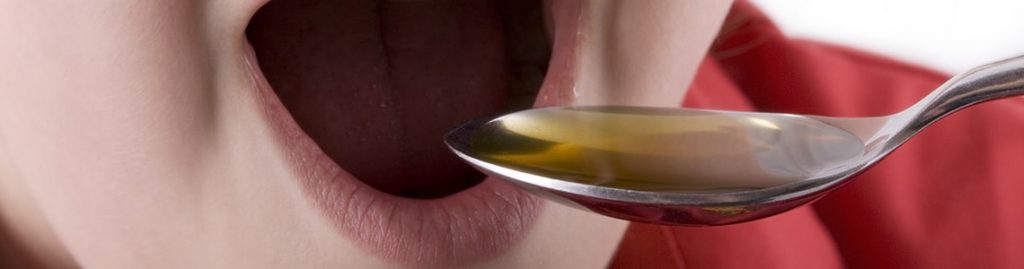
November 25, 2020 OIL PULLING FOR ORAL HYGIENE Contact Us +65 6398 0415 admin@ayurvedasg.com Recent Articles Oil pulling is an ancient practice which has been part of Ayurveda for centuries. It is an important step in Dinacharya and has been gaining popularity in the recent years. Oil pulling is a generic term which consists of two main types according to Ayurveda. They are: Gandoosham and Kabalam. The aspects of each of these is elaborated below. GANDOOSHAM Gandoosham involves the practice of taking a large quantity of oil and allowing it to fill the entire mouth. This is then allowed to stay in the mouth, while being in a seated position for about 3 minutes to start with. With regular practice of Gandoosham, the amount of time the oil is kept in the mouth can be slowly increased. The ideal time is until the mouth starts to secrete or there is emergence of fluid from the eyes or nose. The oil must then be spit out. Never swallow the oil, which will be filled with toxins removed from the mouth. Gandoosham is usually done with sesame oil, which is most preferred for oil pulling in Ayurveda. However, depending on the mixture used for this practice there are two types of Gandoosham: Sneh Gandoosham and Kashaya Gandoosham. Sneh Gandoosham makes use of fats like oils or ghee, while Kashaya Gandoosham is done using herbal concoctions which target specific oral health issues. Gandoosham is trickier than Kabalam, however, it has its own health benefits. KABALAM Kabalam is the most common form of oil pulling which has largely been adopted in western countries as well due to the immense health benefits it offers. This practice involves taking a small quantity of oil, preferably sesame oil, and swishing it inside the mouth and gargling it almost to the back of the throat. This can be done for a few minutes in the beginning, and over time can be done for 15-20 minutes for maximum advantage. The oil is then spit out. Kabalam is safe for children above 5 years of age and can be incorporated into daily oral hygiene regimen for best results. It can also be done using coconut oil, since it helps with keeping teeth and gums strong, and leaves a pleasant odor behind. It must be done on an empty stomach, first thing in the morning. BENEFITS OF OIL PULLING Oil pulling helps increase teeth strength. It helps reduce gum bleeding. It can stop halitosis or bad breath effectively. Oil pulling improves jaw and oral cavity strength. It reduces incidence of cavities due to bacteria. It may have a slight tooth whitening effect. It boosts mobility of jaw bones and cheek muscles. It removes any toxins in the oral cavity. Oil pulling cleanses the tongue and improves sense of taste. When done regularly, it reduces the percentage of toxic microorganisms in the mouth. Gingivitis and plaque are drastically reduced with daily oil pulling. Oil pulling has a ton of benefits and can be done regularly for maintaining good oral hygiene.