
AYURVEDA AND FRUITS

February 22, 2021 AYURVEDA AND FRUITS Contact Us +65 6398 0415 admin@ayurvedasg.com Recent Articles Ayurveda considers eating to be a process that needs to be enjoyed from start to finish. In addition to the nutrients the body obtains from the food, there is an additional positive effect when food is eaten in the right manner. Ayurveda puts forth numerous guidelines on eating, which when followed shows a great improvement in gastrointestinal function. Fruits, must be eaten by adhering to the ayurvedic rules as well in order to experience good health and happiness. Fruits are filled with good nutrients which are essential for the body. However, care must be taken when eating fruits. This is because different fruits have different impacts on the body. This effect can also vary depending on a variety of factors. One important aspect is the time when fruits are consumed. Other factors include the dosha type of the individual, pre-existing conditions such as diabetes, the food eaten prior to and after consumption of the fruit and more. Below are a few tips on how to eat fruits which will improve health. Fruit is better consumed in the morning on an empty stomach. This ensures it is quickly digested and the stomach is emptied fast enough, ahead of a solid breakfast. Avoid eating fruit immediately after a meal or as a dessert. This can cause putrefaction of food in the stomach and result in digestive issues such as flatulence and stomach infections. When choosing fruits for the morning, it is always better to avoid citrus fruits. Citrus is best consumed in the hours when agni is strong. This ensures the fruit is properly digested. Watermelon can be eaten as a snack any time of the day. However, do not eat it with food as this can cause digestive disruption. Berries are a great way to pack in nutrients in the morning. But do not eat strawberries during the day, and opt to consume them in the evening instead. Dried fruits are a great addition to the diet and can be safely eaten with most other foods. Fresh fruits are perfect for hot, sunny days whereas dry fruits are better for consumption during cold, dry days. Vata dominant dosha types can opt for sweet and ripe fruits. To make it even easier for digestion, stewed or cooked fruits are a better alternative. This makes it easy for the body to break down the sugars and absorb all nutrients. Pitta dosha types can eat fruits which have sweet and astringent characteristics. However, extremely sour tasting fruits are best avoided. Dried fruits can be eaten in small quantities. Kapha dosha types must avoid overly sweet and sour fruits. Dried fruits can be consumed in minimal quantities, while astringent fruits are the most preferred for this body type. According to Ayurveda, fruits when consumed in the right manner are great for boosting vitality and health. They are easily broken down by the body and provide a great lift in energy levels. When eaten according to the rules of Ayurveda, they are a powerhouse of health and well-being. Always consult an ayurvedic doctor to know the best way to incorporate healthy fruits into your diet.
ADAPTOGENS IN AYURVEDA
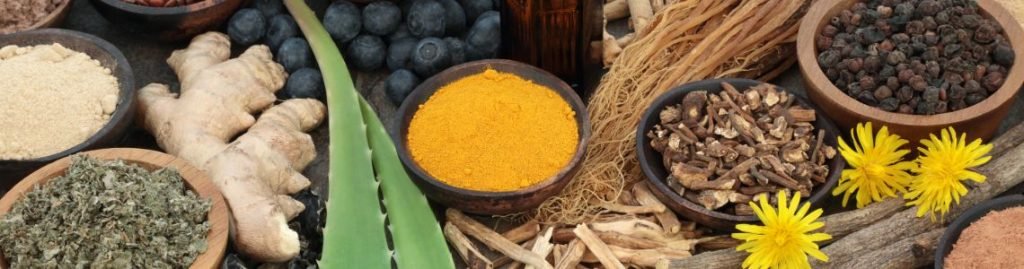
February 19, 2021 ADAPTOGENS IN AYURVEDA Contact Us +65 6398 0415 admin@ayurvedasg.com Recent Articles The rapid, hectic pace of our day to day lives have resulted in stress being the predominant issue being faced by most individuals. This affects not just the mind, but also the body. This is because stress has been proven to cause serious changes to the body’s functioning as well. This includes digestion troubles, slowdown of detoxification, slower metabolism and more. Leading an ayurvedic lifestyle, which includes yoga, pranayama, in addition to a holistic diet as per dosha can all help manage stress to an extent. However, there are a few powerful food choices called adaptogens, which can majorly reduce stress and it’s harmful effects. These adaptogens, when consumed, don’t just reduce stress but boost the body’s immune response as well. This in turn promotes faster healing, less anxiety and healthier lives overall. Below are a few adaptogens which have a great positive impact on health. ASHWAGANDHA Ashwagandha is the best herbal adaptogen for energy boosting. It provides a burst of strength and energy, awakening minds and calming them simultaneously. This makes it the perfect choice for those who are strung out or over-excited. It can soothe individuals when consumed and promotes better quality of sleep. In addition to this, it also improves cognitive function and boosts muscle tone. Ashwagandha is used in a variety of ayurvedic formulations as it has great positive effects on the body and can be used as prescribed by an ayurvedic doctor for the best results. BRAHMI Brahmi is a popular ayurvedic adaptogen which is commonly referred to as a brain tonic. This is because it stimulates the nerves in the brain and promotes better memory and cognition. When used consistently, it shows marked improvement in brain function in individuals. The herb not only improves cognitive function, but also reduces high levels of stress and anxiety. It helps attain an equilibrium which can be extremely helpful for those suffering from insomnia, depressive thoughts and more. Regular consumption can help manage stress and improve quality of life to a large extent. AMLAKI Amla is one of the constituents of the popular ayurvedic medicine, Triphala. Amlaki is an extremely cooling adaptogen which works well to regulate gastrointestinal function. It also promotes gut health and bolsters the immune system. As an extremely versatile adaptogen, Amlaki works to rectify any dosha imbalances. It also helps tackle eye problems, skin conditions and hairfall. It can be taken regularly as Triphala to avail the combined benefits of Amlaki, Haritaki and Bibitaki, in Chyawanprash, which is a powerful ayurvedic medicine or separately as recommended by an ayurvedic doctor. SHATAVARI Shatavari is an important ayurvedic adaptogen which is predominantly useful for women, especially those who are menopausal. This is due to the fact that Shatavari helps balance hormones in the body. This is particularly useful in calming down the side effects of menopause including fatigue and hot flashes. Shatavari also calms anxiety and regulates the body to promote serenity and stress reduction. This herb also works wonders in maintaining the health of mucous membrane in the body and is found to be extremely soothing.
IMMUNITY BOOSTING POINTERS

February 17, 2021 IMMUNITY BOOSTING POINTERS Contact Us +65 6398 0415 admin@ayurvedasg.com Recent Articles Health and immunity go hand in hand. Ayurveda provides holistic ways of life which can improve the functioning of the body as a whole. As a result, the immune system is also boosted to protect the body from untoward illnesses. According to Ayurveda, proper diet can drastically improve immunity. For this reason, it is important to follow an ayurvedic diet, in addition to ayurvedic therapies and at home practices. This enables better immunity and thereby, better life. Below are a few ways which help bolster immunity. EAT EASY-TO-DIGEST FOOD Food which is easily digested leaves no ama or residual toxins in the body. This aids the liver and kidneys in the detoxifying process. The body feels lighter and more energetic. Since accumulation of ama in the body can also douse the agni or digestive fire, it is important to ensure that every meal is wholesome and healthy. Choose simple foods like fruit, vegetables, legumes and whole grains. Avoid canned or otherwise processed food. They contain harmful chemicals and in most cases, have lost all naturally occurring minerals. Try to eat fresh food daily to see a drastic difference in body function as well as immunity. COOK WITH AYURVEDIC SPICES When cooking food, it is important to use herbs and spices. Ayurveda has detailed the importance of various spices for good health. Using herbs such as holy basil, Coriander and spices such as turmeric, ginger, pepper, improves the flavour and taste of the food while providing great benefits to health. Depending on the body dosha, climate and ailments, specific spices can be used. Whether to improve digestion, bolster immunity, alleviate symptoms of illness, there is always an ayurvedic spice blend which can help. Consulting an ayurvedic doctor is the best way to implement an ayurvedic diet which utilizes the appropriate herbs and spices. EAT THE RIGHT AMOUNT This is very important to maintain good health. Most people overeat because they believe that they must stop eating only when they are extremely full. This is untrue. Ayurveda explains that one must eat just enough to fill the stomach, but not enough to douse agni. This ensures the gastrointestinal system functions without any issues. It also helps maintain gut health. TAKE AYURVEDIC MEDICINES Ayurvedic formulations such as Triphala, Chyawanprash, Ashwagandha capsules can all be consumed as required to improve immunity. However, when taking these ayurvedic medicines, it is important to consult an experienced ayurvedic doctor. When regularly taken in the right quantities, they help keep illness at bay. A few other pointers to consider are below: Eat at the right times. Do not overcook food. Add a small amount of ghee to the diet. Choose antioxidant rich food. Drink warm water throughout the day. Avoid caffeine, tobacco and alcohol.
AYURVEDA TO PREVENT HAIR FALL

February 4, 2021 AYURVEDA TO PREVENT HAIR FALL Contact Us +65 6398 0415 admin@ayurvedasg.com Recent Articles Hair fall is a rapidly increasing problem in both men and women in the modern world. Extremely busy lifestyles coupled with stress, pollution and unhealthy diets all result in rapid hair fall. This again triggers mental health by causing self-doubt, anxiety and even depression. For this reason, it is important to reduce hairfall and treat it to ensure the cycle is broken. Ayurveda always emphasized special care for the “crown” of the body or the head. Regular head massages are a great way to stimulate hair follicles and hasten hair growth. There are also a few other basic hair care rules such as showering in cold water, brushing hair only when it is dry and avoiding heat-based styling, which can all help maintain hair and scalp health as well. However, Ayurveda also has a number of herbal remedies which can be used to reduce the volume of hair fall over time and even trigger new hair growth. Apply a mixture of Amla powder and lime juice on the scalp. Massage it well and allow to sit before rinsing off. This helps reduce dandruff, prevent greying and even puts a stop to rapid hair fall. Make bhringraj oil by drying the leaves at home and allowing them to sit in coconut oil for a few days until it is light green in colour. Use this to massage your scalp and let it stay on your hair overnight for best results. Bhringraj oil drastically reduces hair fall and is also used to stimulate hair growth. Shikakai is another powerhouse to tackle hair related issues. Dry Shikakai pods and add this powder to coconut oil. Massage the hair and scalp with this oil regularly to attain strong and shiny hair which won’t break or fall easily. Make coconut milk using grated coconut and water in a pan. Strain the liquid and add black pepper to it. Apply this onto your head and allow to sit for 30 minutes before shampooing. This protects hair from free radicals which can damage hair and cause hair fall. Aloe vera is extremely cooling and provides great relief from itchy and dandruff affected scalp. Use raw aloe vera pulp from the plant on the scalp. Allow it to sit and wash after an hour. This can be done a few times each week to see improvement in hair texture and reduction in hair fall. Soak fenugreek seeds in water overnight, mash and use this paste as a hair mask. This helps protect hair follicles and repairs hair. It can be used a few times every week. Warm jojoba oil is great for reducing hair loss. Use this to massage the scalp and open up hair follicles. This also helps relieve stress and anxiety. Neem has potent antimicrobial properties which help reduce and prevent dandruff. It also promotes hair growth. Make a paste by grinding neem leaves and apply on the scalp. Shampoo and rinse off to attain strong and healthy hair and scalp. If hair fall does not reduce even with proper care, visit an ayurvedic doctor to avail the best treatment.
OILS IN AYURVEDA

February 1, 2021 OILS IN AYURVEDA Contact Us +65 6398 0415 admin@ayurvedasg.com Recent Articles Ayurvedic oils are of various types. They can be used as base or as a carrier oil for herbs or can have numerous health advantages when used alone as well. The type of oil used varies depending on the nature of the individual. There are a few factors to take into consideration when choosing an oil for massage. The primary factor is dosha type of the body, this can help determine which oil will counteract the predominant dosha and maintain balance. The other factor is dosha imbalance. When there is an imbalance, the right oil can help to soothe the aggravated dosha and bring equilibrium to the body. There is a third factor as well. Weather plays an important role in body function according to Ayurveda. So, depending on the season, different oils are used. Abhyangam is one of the most fundamental ayurvedic practices which provides a number of health benefits. Regular Abhyangam done by a skilled ayurvedic professional or as self-massage at home have been proven to drastically improve mental and physical well-being. The benefits of this go far beyond than just healing skin problems or promoting circulation. The practice of massage itself is extremely soothing and calms the mind, providing intense stress relief in the fast-paced world of today. In addition to this, it helps purge toxins from the body as the oils used deeply penetrate the body to provide targeted healing. The most important aspect of Abhyangam is the oil used. SESAME OIL Sesame oil is the most commonly used ayurvedic oil. This is because it is a great carrier oil which can be mixed with other herbs and yet will retain its healing potential. This oil is used to alleviate aggravated vatadosha and restore balance. It also rejuvenates the body and improves digestion. CASTOR OIL Castor oil is extremely thick and spreads easily. This makes it another popular carrier oil for ayurvedic massage. It can also be used by mixing other herbs. This oil has the added benefit of pacifying vatadosha and relieving pain and stress. Massaging with castor oil also improves quality of sleep. COCONUT OIL Coconut oil is an extremely cooling oil. This is used in Ayurveda to soothe the body, moisturize the skin barrier and restore vata and pitta balance. Coconut oil is also extremely versatile and can be used on the scalp as well as the rest of the body. It is light and restorative and has great healing properties. It is also the most easily absorbed and is a popular choice for ayurvedic massages. BHRINGRAJ OIL Bhringraj oil is famed in Ayurveda for its hair growth stimulating properties. It can be used for intense head massage and cools the body. It reduces greying of hair and has tridoshic nature, which means it can promote overall dosha balance in the body. Bhringraj oil also awakens skin and heals it. ASHWAGANDHA BALA OIL Ashwagandha and bala are two important ayurvedic herbs. They are extremely revitalizing herbs and can be used to rejuvenate muscles and nerves. Massaging with this oil stimulates the nervous system and helps refresh worn muscles. It provides energy to the body and boosts vitality as well. According to Ayurveda, this oil can help restore torn muscles and has healing properties. MAHANARAYAN OIL This oil is a unique blend of over 29 ayurvedic herbs. It is potent and powerful and can be used for promoting healthy joints and healing torn muscles. This oil is perfect for those with athletic injuries or sore muscles. It stimulates faster healing of joints and improves tone of muscles as well. It renews joints from wear and tear and can be used regularly for Abhyangam. NEEM OIL Neem oil is extremely cooling. For this reason, it is used to help the body when the weather is quite hot. The antibacterial nature of neem oil also makes it a great oil for the skin. It helps keep skin soft and supple while purging excess sebum and toxins, thereby keeping breakouts at bay. It also helps bring down excessive oil production in the skin. The moisturizing properties of neem oil make it the perfect choice for massage. Depending on individual needs, Ayurvedic practitioners choose the right oil for you. Always consult an ayurvedic doctor to know the best ways to incorporate Ayurveda into day-to-day life.
USE OF CORIANDER IN AYURVEDA
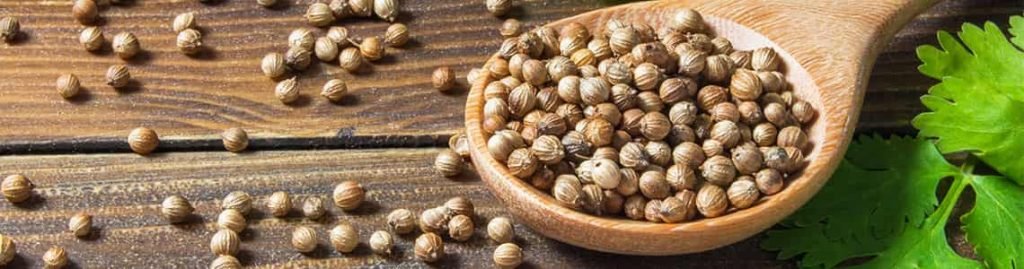
January 21, 2021 USE OF CORIANDER IN AYURVEDA Contact Us +65 6398 0415 admin@ayurvedasg.com Recent Articles Coriander is a powerful herb which is used extensively in Ayurveda. Both leaves and seeds of the plant are used in cooking to improve digestive health. The leaves are typically used fresh as a garnish for curries or fried dishes, while the seeds are usually ground into a fine powder called ‘dhaniya’ which is used while cooking. It gives a subtle lemony taste, the seeds being a powerhouse of flavour and nutrition. Coriander powder has plenty of ayurvedic uses. It is tridoshic in nature, which means it helps balance all 3 doshas. It also helps remove toxins from the body. Below are the health benefits of coriander powder. Coriander seeds have hypoglycemic properties which make them essential in reducing blood sugar. It helps convert starch to energy, and works effectively in treating the symptoms of diabetes. Coriander powder is a powerful antimicrobial and helps prevent the body from succumbing to infections. It keeps the body safe from bacteria, fungi and other harmful microbes. It is a rich source of vitamin A, C, K, minerals like manganese, iron, folate, potassium and is great for adding nutrition to any food. It helps ward off common colds, flu, cough and other easily spreading illnesses. Coriander seeds are rich in fibre. This makes them a great addition to diet as they can help ease constipation, flatulence, abdominal pain, IBS and more. It helps improve liver function as well. Coriander seeds are powerful antioxidants. This aids in improving overall heart health and reducing the probability of heart ailments. It is an anticoagulant, which helps prevent the formation of clots in the circulatory system. Coriander powder can be used to treat skin issues such as acne, and hair issues such as dandruff. Coriander powder can be made into a paste which can be applied topically to hasten healing times of wounds. The essential oils in the seed make it a great ayurvedic remedy for mouth ulcers. Coriander powder can help regulate the menstrual period in women. Coriander also has anti-arthritic properties. Coriander powder helps treat anemia. Coriander is a great ayurvedic herb to incorporate into your diet. Always consult an ayurvedic doctor to plan the best diet based on your body requirements.
5 MINUTE AYURVEDA

January 20, 2021 5 MINUTE AYURVEDA Contact Us +65 6398 0415 admin@ayurvedasg.com Recent Articles Ayurveda isa way of life that dramatically improves health, both physically and mentally. However, many people put off trying ayurveda at home due to the belief that it is time consuming and involves hard to obtain ingredients. This is completely untrue. Ayurveda can be implemented into your day-to-day life in the form of a number of simple practices. It is not only easy, but also effective for health, and creating impactful changes in lifestyle over the long run. Below are a few 5-minute Ayurveda tips that can help you gradually ease into the ayurvedic life. Rinse your eyes every morning with Triphala eye wash, made with 1/4 tsp Triphala in 1 cup of water and boiled. Switch out your regular glasses for copper tumblers and drink a glass of warm water every morning when you wake. Gargle your mouth with warm sesame oil for improved oral health. Put 5 drops of warm sesame oil into each ear every day. Do around 10 reps of surya namaskar or sun salutations every day. Before you shower, spend 5 minutes massaging your body with coconut oil or sesame oil depending on your dosha type. Meditate and perform mindful breathing for a little while every day. Use a dry brush in the shower to stimulate nerve endings and flow of lymph. Apply aloe vera gel on your face every day instead of chemical cosmetic products. Switch out your snacks such as biscuits, chips and sugary sweets with fruits and nuts. A simple but quick ayurvedic fix. Chew a little ginger every day for better digestive health. Spend a few minutes massaging your feet every night before bed. This helps relax your body and results in deep sleep. Avoid rushing through your meal. This will allow the body to absorb all necessary nutrients slowly. Eat lunch at noon as this is when “agni” is most active and the digestive system is working effectively. Incorporate ghee into your diet as it is a great carrier and can help detoxify the body. Drink golden milk, made with turmeric boiled in milk every night for restful sleep. Spritz rose water on your face whenever your skin feels tired or dull. Pranayama for a few minutes every day can greatly help improve mental health. Use a copper tongue scraper to remove all ama and toxins from your tongue. Take a short 5-minute power nap after lunch every day for better digestion. These are simple ayurvedic practices which provide long term health benefits. For specific disorders or ailments, always consult an ayurvedic doctor for the best therapies and remedies.
AYURVEDA AGAINST AIR POLLUTION

January 13, 2021 AYURVEDA AGAINST AIR POLLUTION Contact Us +65 6398 0415 admin@ayurvedasg.com Recent Articles Air pollution is a major issue around the world. The quality of air that we breathe directly impacts lung health and the functioning of the respiratory system. The toxic gases in the air, combined with the smoke and particulate matter has worsened to a point that the very air we breathe has become our poison. Ayurveda provides a few practices which can help reverse the harmful effects of air pollution to a great extent and help people breathe easy.Nasyam is a simple yet effective ayurvedic treatment to deter the entry of harmful substances through inhalation. Simply put 2 drops of ghee or oil in your nostrils every morning and night. This acts as a barrier, preventing toxins from entering the respiratory system. Oil pulling is another ayurvedic practice which can be done every morning for best results. Gargle with Sesame Oil / Coconut Oil for about 10 minutes, after your morning brushing routine. This purges the mouth of any particles which may be present due to mouth breathing. It also strengthens the mucous lining in the mouth, and prevents entry of toxic allergens. Pranayama is the most important ayurvedic practice which can help prevent the harmful effects of air pollution. It strengthens the lungs and expands respiratory It also boosts immunity, thereby helping the body fight any harmful substances which may have entered the body. This can be done for a few minutes every day for the best results. Another important ayurvedic detoxification practice you can include in your routine is Swedana. Swedhana is sweating it out with the help of herbal steam or warm compresses on oiled skin. It helps remove the chemicals which may be accumulated in the body in the form of “ama”. Steaming the face with water containing a few drops of eucalyptus oil helps boost nasal barrier strength as well. A simple ayurvedic practice which can help cleanse the body is washing the skin and hair with neem water. Neem is a powerful ayurvedic cleanser and can eliminate any residual pollutants. Drink an ayurvedic concoction made by boiling tulsi leaves in water and adding ginger to it. Allow it to steep and drink this daily to give the body an immunity boost. Triphala can be taken in powder form on the instruction of an ayurvedic doctor to defend the body against the effects of air pollution. Make a tea with fennel seeds, cumin seeds, coriander powder and ginger. Drink this every day to drastically improve lung function and clear out the respiratory tract. Air pollution is a global crisis that can be solved by conscious human action against it. So, take small steps against air pollution and practice Ayurvedic preventive measures to protect your body from the ill effects of the same.
HERBS AND SPICES TO BALANCE KAPHA

January 13, 2021 HERBS AND SPICES TO BALANCE KAPHA Contact Us +65 6398 0415 admin@ayurvedasg.com Recent Articles When kapha dosha is unbalanced, it can impact the body in many ways. It affects the digestive system, and also causes other issues such as asthma and diabetes. Because of this, it is absolutely essential to keep kapha dosha balanced. Ayurveda recommends a few herbs and spices which can help balance the dosha in the body, and provides many other benefits as well. GINGER Ginger has the ability to generate heat in the body. This makes it the best Ayurvedic herb to balance kapha dosha. Incorporate ginger into your diet simply by adding a spoon of ginger paste to all savoury food preparations. When the body is cold internally or externally, ginger provides near immediate relief. When drinking milk, a small amount of ginger can be mixed in which will help prevent kapha from increasing in the body. ASHWAGANDHA Ashwagandha is another ayurvedic herb which is used extensively in a number of ayurvedic preparations. It is a highly potent herb which can help soothe and heal the body. During the cold season, Ashwagandha can help the body warm up by its nourishing, hearty nature. It also strengthens the body and boosts immunity. Drink a glass of warm milk with 1/4 tbsp of ashwagandha daily to keep kapha balanced. CORIANDER Coriander is a tridoshic herb which has great dosha balancing properties. This is a light and soothing herb which can easily be added to your diet as a garnish for curries and other dishes. It has a mild taste and also helps stimulate appetite due to its fresh smell and taste. Regular consumption of coriander can help keep the body perfectly balanced all-year-round. TURMERIC Turmeric is another important ayurvedic herb which has antioxidant, antimicrobial and anti-inflammatory properties. In Ayurveda, it is used extensively to help detoxify the body. It possesses the bitter, astringent and pungent tastes which helps balance kapha dosha. It also acts as a preventive mechanism against many diseases and ailments. Add turmeric to your diet with a glass of golden milk every day. This provides a whole host of goodness to the body while also helping reduce kapha and keep it in balance. GINSENG Ginseng is a powerful ayurvedic herb. It is used as a remedy for a number of issues. This heating herb acts as an energy stimulant in the mind and body. It helps pacify kapha, and tends to increase pitta as well. Ginseng can be consumed in the form of a tea. This improves overall health, and has been found to be helpful for issues related to the mind. BLACK PEPPER Pepper can be used to reduce kapha dosha in the body. This ayurvedic spice is vastly useful in helping the body lose fat and to remove phlegm from the lungs. It has a mildly heating nature and soothes kapha. Black pepper can easily be incorporated into all meals as it adds a nice flavour and smell. You can also consume black pepper daily in the form of a tonic with honey. This mixture must be placed in the mouth and allowed to dissolve slowly. It is extremely beneficial. Always consult an ayurvedic doctor to identify your dosha type and to tailor a diet best suited to your body.
AYURVEDA FOR MONSOON

January 07, 2021 AYURVEDA FOR MONSOON Contact Us +65 6398 0415 admin@ayurvedasg.com Recent Articles If you’ve ever noticed how much drier your skin seems to get in the winter, you know that your body changes according to the seasons. Ayurveda believes in the same, and as a result provides holistic approaches to diet, activity levels and more, catered to the current weather, rather than one which is constant year-round. Below is a list of ayurvedic tips to navigate your way through the rainy, slushy monsoons. Grains, soups made with pulses, light yogurts are all great for monsoon diets. Ayurveda recommends a tea made with long pepper, ginger, pepper and salt to boost digestion during rainy spells. Frozen food, oily food and heavy foods such as potatoes, ice cream must be avoided. They take much longer to digest and can cause bloating or gastritis. Ayurveda advocates physical activity to keep agni burning. Practice yoga regularly to stay fit and healthy. Do an oil massage using sesame oil with a few drops of neem oil mixed in before bathing once or twice a week. This helps curb vata. Take warm showers to help regulate the body. Though a short nap is recommended after lunch for better digestion according to Ayurveda, in the monsoon season, this must be avoided. Monsoon is the best time to undergo a panchakarma It is important to keep your feet dry during this season. Burn dried neem leaves inside the house to help eradicate all insects and pests. Basil ginger tea is recommended by Ayurveda to prevent catching a cold in the event of getting wet. Eat a small piece of ginger with rock salt prior to every meal. Udwarthanam is recommended during monsoon season to help reduce fat and toxins in the body. Bitter food can be consumed during the rainy season as it is better digested. Avoid naps during the day as this can further slow dozen digestion resulting in problems in the gastrointestinal By following these ayurvedic steps, your body is sure to be ready for the monsoon.