
SIMPLE AYURVEDIC KASHAYA
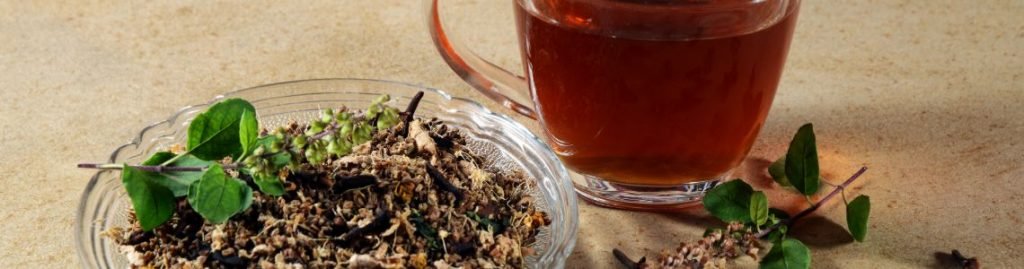
March 26, 2021 SIMPLE AYURVEDIC KASHAYA Contact Us +65 6398 0415 admin@ayurvedasg.com Recent Articles Ayurveda makes use of kashayas (liquid herbal concoctions) to manage and heal numerous ailments. It helps with both simple and complex diseases and can be made using prevalent ayurvedic herbs and spices. What is kashaya? Kashaya is a drink made following the ayurvedic principles which have been around for centuries. It is usually consumed warm and is formulated based on the condition to be treated. The dosha type of the individual might also be taken into consideration while brewing kashaya for specific illnesses or individuals. Always consult an ayurvedic doctor when incorporating a potent kashaya into your diet. A SIMPLE KASHAYA Kashayas can be given for a variety of conditions. Here is an example of a simple one which can be used to tackle the common cold, cough and other mild symptoms of allergies. It has other benefits as well. This is easy to make and does not have any harmful side effects. However, it is extremely potent and effective. Kashayas are formulated by choosing ingredients which combat illness alone and together form a powerhouse of cure and, heal the body. INGREDIENTS CORIANDER SEEDS Coriander seeds are commonly used in Ayurveda. They are good for digestion and regulate the menstrual cycle for women. Coriander seeds also contain iron and vitamin C which makes it a great addition to regular diet as well. FENNEL SEEDS Fennel seeds are great for cardiac health. They help maintain blood pressure and the high levels of potassium make them an ideal choice to protect the heart. Fennel seeds are also great for soothing the digestive system and stimulating agni. They can also help tackle tiredness. CUMIN SEEDS Cumin seeds are excellent for detoxing the body. They are rich in vitamin E and keep skin moisturized and healthy. It also removes all accumulated toxins and ama in the body resulting in a lighter load on the liver and kidneys. Cumin can be used while cooking meals as well. BLACK PEPPER Black peppercorns have great antibacterial property. They also help flush out sinuses and prevent congestion in the respiratory system. Colds and coughs are easily tackled by black pepper. They help the body build a strong immune response against infections. KASHAYA POWDER Simply dry roast the ingredients in a pan and keep stirring to ensure they do not burn. Do this on a low flame to ensure uniform heat distribution. The dry spices can then be pounded or blended to a powder and stored for usage as required. KASHAYA BREW Whenever required, boil some water and add a spoon or two of the kashaya powder. To add some sweetness, a few chunks of jaggery can be added. Honey can also be used. If you prefer a milky brew, a few splashes of milk can be added as well. Serve and drink while hot.
WHY GHEE IS USED IN AYURVEDA

March 26, 2021 WHY GHEE IS USED IN AYURVEDA Contact Us +65 6398 0415 admin@ayurvedasg.com Recent Articles Ghee is used extensively in Ayurveda. It is one of the elements most used in Panchakarma. Along with kichari, medicated ghee is used to help purging the body of all harmful toxins or ama. What is ghee? Ghee is better known as clarified butter. It is the butter that remains after all the hard-to-digest components are removed. It is fatty and smooth in texture and often used in Indian kitchens. The rich flavour and taste and the clarification process make it an ideal choice for cooking. It is also infused with a number of herbs and spices and used for various treatments in Ayurveda. BENEFITS OF GHEE Ghee can be used externally to soothe the skin and treat wounds or irritated skin. When consumed internally, ghee can nourish and soothe the digestive tract and reproductive system. Ghee can be used in cooking numerous dishes. The most popular dish is kichari which is part of the Panchakarma Ghee is a natural eye makeup remover and can be nourishing for the eyes as well. Ghee is also used in Ayurveda to massage the body. This is particularly useful for dry or vata body types. Ghee has intensely hydrating property which can help calm rashes in babies. It can be used in haircare to moisturize and stimulate hair follicles. Ghee helps in digestion and faster absorption and assimilation of food. Ghee acts as a lubricant in the body and reduces painful or inflamed joints. When regularly consumed it can stimulate better cognitive function. Ghee is a great catalyst which helps boost the healing and restoring properties of the herbs which have been infused in it. A mixture of Amla powder, raisins and ghee, can be kept in the mouth to relieve the dryness. Garlic and ghee can be eaten together to break fevers. On an empty stomach, apply a mixture of saffron and ghee into the nostrils. This helps relieve migraines. Ghee can be used productively in a number of ways. Always consult an ayurvedic doctor to know the best way to incorporate ghee into your diet or lifestyle.
AYURVEDIC TIPS FOR WOMEN

April 24, 2021 AYURVEDIC TIPS FOR WOMEN Contact Us +65 6398 0415 admin@ayurvedasg.com Recent Articles Ayurveda is a holistic healing science which provides numerous healthy practices. It also recommends several herbs and spices which have been shown to have positive effects on the body, mind and soul. Women, in particular, have specific needs which are elaborated in Ayurveda. Issues due to hormones, problems in the menstruation cycle, PCOS, pregnancy, can all be made easier to handle by following ayurvedic principles. Below are a few ayurvedic tips for women for wellness and wellbeing. Menstrual cramps can be excruciating for some women. Yoga can greatly help relieve the pain. Poses such as bow pose, camel pose, fish pose and cobra pose can ease the discomfort. Another tip for the days of menstruation is to eat wholesome healthy food. Avoid fried, oily and spicy food. This helps prevent bloating and constipation. Indian yam and kichari is a great ayurvedic food for constipation. It helps add fiber to the diet and eases bowel movements. Bhringraj oil is great for reducing hair fall and preventing premature greying. PCOS is usually a result of unbalanced pitta in the body. Switching to a sattvic diet with regular yoga and exercise is a great way to reduce the symptoms. During periods, it is a great idea to perform a gentle massage using warm oil in the abdomen and back region. This can soothe the body. Cooling spices such as carom seeds, cumin and asafoetida can be added to food. Menopausal women should pay attention to their diet. Curb all unhealthy, processed and packaged food. Replace them with fresh fruits, nuts, vegetables, home cooked lentils, kichari and other such easily digestible dishes. Hot flashes and dryness can be alleviated by practicing pranayama Regular massages or Abhyangam with warm oil can drastically cut down pain in joints which can occur with age in women. Hibiscus tea is a great addition to evening time. It cools down the body and can help prevent mood swings caused by hormonal imbalance. Licorice tea made with the roots can help relax the muscles, thereby preventing tension and pain in the uterus during menstruation. Shatavari is an important herb to support and maintain a healthy reproductive system in women. When dealing with other ailments, always consult an ayurvedic doctor to incorporate the right ayurvedic lifestyle, medicines and diet for your body type.
What you need to know about Ayurvedic medicine
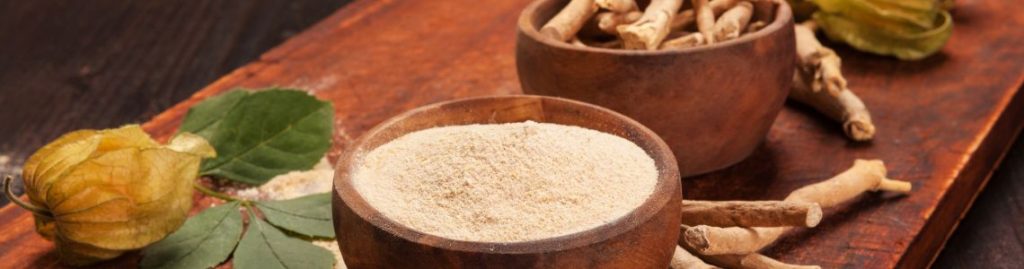
March 24, 2021 What you need to know about Ayurvedic medicine Contact Us +65 6398 0415 admin@ayurvedasg.com Recent Articles Ayurvedic medicine is India’s primary healthcare system. More than 90 percent of the sub-continent’s population use some form of Ayurvedic therapy, including following its dietary principles, practicing traditional knowledge or, seeking professional help from trained Ayurvedic practitioners. Ayurvedic medicine is entirely holistic. Its adherents strive to create harmony between the body, mind, and spirit, maintaining that this balance prevents illness, treats acute conditions, and contributes to a long and healthy life. Ayurvedic healing process may be thought to be slower compared to mainstream over the counter or prescription pain relief medicines. However, the upside about Ayurveda is that it is a complete wellness package and heals the patient by uncovering the root of the problem, rather than treat the symptoms. Ayurvedic products do not pose any side effects or adverse effects on your body and completely safe to use, even on a regular basis. Things you must know before taking Ayurvedic medicine One of the reasons why Ayurveda has such a following is the fact that people consider it to be quite a safe and effective alternative to western biomedicine. With most chemicals having massive side effects, customers are slowly leaning towards other ways to heal and stay healthy. Ayurvedic medicine is an indigenous system of medicine. The remedies used are quite simple in nature, and the ingredients can be found in almost any household. The fact that there are no side effects is one of the critical points that help Ayurvedic medicine become a more preferable option. The ingredients are purely herbal and do not contain artificial preservatives. The treatment is holistic and brings together the mind, body, and soul. Ayurveda is not a magical pill. As with anything worth it, Ayurveda also deserves time. Instant results are not always long-lasting. Ayurvedic medicines will take its time to hand over the cure, but that is because it is working with you and the rest of your body. Importance of consulting an Ayurvedic doctor Whilst there are no side effects of Ayurvedic medicines, the Ayurvedic doctor plays a vital role in your dosage. He will understand your persona, your lifestyle and the various physical and emotional balances involved before prescribing medicines to you. Do understand that while intake of generic treatment is alright, specific ailments and symptoms require the guidance of a practitioner. Protocols need to be followed to the last detail. If you need it to work, there is a food and medicine regimen to be followed. It is not just about what is consumed, but when and how as well. The human body is but precious and must be respected and appreciated. Similarly, Ayurvedic medicine will work when taken with care. Always complete the course The effects of Ayurvedic medicine cannot be seen unless they are consumed in the right dosage, at the right time and for the entire duration. Along with it, ensure that the other requirements, such as appropriate lifestyle and a balanced diet, are met. Stay on the path and enhance your health in every way. The time-tested Ayurvedic medicines will guide you to bring out the best in you. Ayurveda is one of the most ancient systems of treatment in India, tested over a period of 5000+ years for efficacy. They help one regain energy and enhance well-being. The approach is intended to understand and solve your everyday problems to bring a holistic health solution. Conclusion The main aim of Ayurvedic medicine is to help prevent diseases. The treatment involved in Ayurveda looks at the root of the problem and curing it from the root rather than symptomatic treatment. This is the reason why we call Ayurvedic medicine a holistic treatment method.
LIVER HEALTH WITH AYURVEDA

March 11, 2021 LIVER HEALTH WITH AYURVEDA Contact Us +65 6398 0415 admin@ayurvedasg.com Recent Articles The liver is one of the most important organs in the body. It performs some of the body’s most vital functions. It is the primary organ of detoxification. It helps remove harmful toxins introduced into the body. Unhealthy food habits, alcohol, tobacco and other drugs, environmental pollutants can all lead to accumulation of harmful toxins or ama in the body. The liver processes these harmful toxins and helps remove all these, keeping the body clean. The liver is also the organ which breaks down the various complex nutrients we consume daily into easily digestible forms. Apart from this, it also plays a major role in protein synthesis in the body. Metabolism and digestion are also affected by liver function. Ayurveda considers the liver to be a predominantly hot or pitta centric organ. Pitta is representative of heat. However, when pitta is in excess in the body, this can work negatively and affect the liver in a bad way. When liver function reduces, it can cause exhaustion, tiredness, poor digestion and so on. This makes it absolutely essential to take steps to ensure good liver health. The liver is also an extremely resilient organ, which makes it easy for it to bounce back. Simply by incorporating the right lifestyle and dietary changes to pacify pitta, it is possible to maintain proper liver function. Ayurveda provides a number of ways to have a healthy liver. Panchakarma is the best way to reset the liver and provide optimum rest and time for it to get back to normal function. However, this must always be done carefully at an ayurvedic centre on the advice of an ayurvedic doctor. A simplified version of panchakarma, or even a 1-3 day cleanse can help the liver. Try a “one meal day” once a week or replace meals with fruit juices and vegetables for a day. All these reduce the load on the liver and help it detox. Triphala is an ayurvedic medicine which consists of Haritaki, Bibitaki and Amlaki. This is an effective remedy to help with digestion and regulate bowel movements. Drinking warm lemon water on an empty stomach in the morning is a great way to boost liver health. Lemon is a rich source of antioxidants and helps the liver detox. Bitter foods are great for cooling the body and pacifying pitta. Try adding bitter gourd to your diet, or take neem extract in small quantities. Reduce intake of refined sugar, flour, oils and fats. This will reduce the load on the liver. Coriander, fennel, cumin, turmeric and mint are all great ayurvedic herbs to add to your food. They help cool the body thereby reducing pitta. Pranayama and yoga can help the body. However, try to avoid doing much physical activity in the hotter afternoon hours. Abhyangam is an ayurvedic massage which helps detox the body. It deeply stimulates the skin, muscles and removes any toxins. It also relieves stress thereby reducing pitta in the body. Chyawanprash is another ayurvedic formulation which can be taken to boost digestion and detoxification in the body. Aloe vera gel is another cooling choice to help the liver. If you suffer from any liver disease or condition, always consult an ayurvedic doctor for the best regimen.
AYURVEDA FOR PCOS
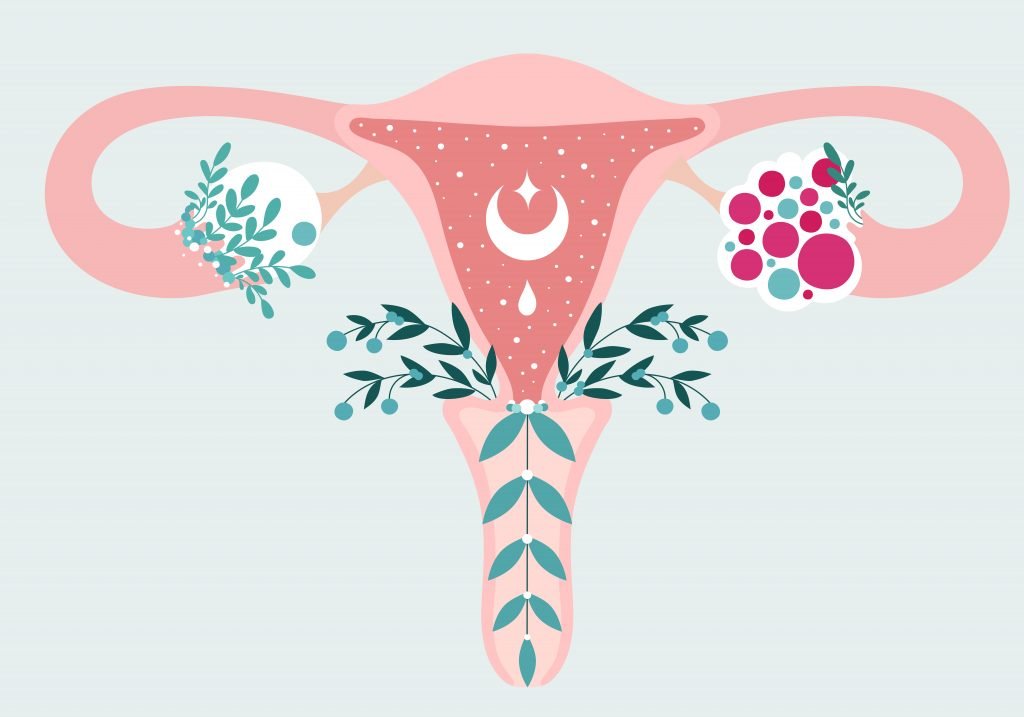
March 10, 2021 AYURVEDA FOR PCOS Contact Us +65 6398 0415 admin@ayurvedasg.com Recent Articles PCOS stands for Polycystic Ovary Syndrome. This is a condition which involves hormonal imbalance and can cause a variety of complications. According to Ayurveda, it is a result of excessive kapha dosha. Depending on the body type of the woman, it can affect everyone differently. PCOS can affect fertility in some cases as well. This makes it important to diagnose and manage it. Ayurveda has a number of therapies which can help soothe the symptoms. Virechana, Shirodhara and Basti can help to provide relief. In addition to this, panchakarma done under the supervision of a skilled ayurvedic doctor can also help manage the illness. In addition to Ayurvedic treatments, it is important to follow a rigid diet and exercise regimen as well. This will help maintain a healthy body weight and regulate hormonal fluctuations. Below is a list of ayurvedic practices and tips to manage PCOS. Start every morning with a glass of warm water with lemon and honey. This soothes the gut. According to Ayurveda, a healthy gut means a healthy body, making this a very important step in treating most illnesses. Avoiding caffeine helps alleviate symptoms of PCOS. Try an ayurvedic tea Eat an early breakfast with light, airy, kapha balancing foods. Herbal tea with a spoon of ginger juice is a great choice for a healthy drink during the day. Nuts and seeds provide required fats and are extremely healthy. Avoiding sugar is good for the body and will drastically improve digestive, cardiac and mental function. Practice yoga for at least half an hour each day. This is a great way to stay active and get the required daily physical activity. Incorporate ayurvedic herbs and spices such as turmeric, ginger, fennel seeds, cinnamon and cumin into your cooking. These help to regulate the menstrual cycle. Triphala is an ayurvedic medicine which has a number of health benefits. It is a good ayurvedic formulation for managing PCOS. Regular steaming and massage with medicated ayurvedic oils can also help. Avoid dairy as this will worsen the symptoms of PCOS. Ashwagandha powder is another great ayurvedic remedy to manage the illness. Pranayama can also help ease the symptoms and promote better health overall. When dealing with PCOS, it is important to consult an ayurvedic doctor. This is because treating it requires drastic change to diet and lifestyle. This can be quite daunting, however, the positive effects will provide great long term relief. When adding ayurvedic medicines to your routine, it is best to take input from experienced Ayurvedic practitioners for the best results.
BREATHE EASY WITH AYURVEDA

March 10, 2021 BREATHE EASY WITH AYURVEDA Contact Us +65 6398 0415 admin@ayurvedasg.com Recent Articles A healthy diet and lifestyle are essentials for maintaining proper lung function. An inappropriate diet, or sedentary lifestyle can negatively affect respiration in a variety of ways. In light of the global pandemic, it has become absolutely essential to follow healthy practices which bolster overall body immunity and promote respiratory health in particular. Ayurveda deals with holistic healing from the inside out and offers a variety of healing methods and herbal medicines which can protect the lungs from harmful effects. Cardamom is an invigorating spice which can improve digestive fire or agni and simultaneously work to help better respiration. Pranayama or the practice of mindful breathing is prescribed in Ayurveda as the best way to improve lung health. Regular pranayama has been proven to improve oxygen absorption by the body and help with immunity. Eucalyptus is another powerful ayurvedic herb which is used in many herbal formulations to treat the lungs. It is a powerful antioxidant and also helps clear the nasal passageways and drain any accumulated phlegm in the sinuses. Yoga is absolutely essential in daily life. This is because it provides much needed physical activity to the sedentary lifestyle most of us have. Regular yoga activates lung function, promotes better cardiac health and even improves digestion. Physical activity, according to Ayurveda, is important in maintaining good health. Licorice is a soothing herb which can be made into a decoction or tea. This soothes the throat and prevents throat related infection. It helps with better respiration and congestion free lungs. Panchakarma treatment is a great way to reset the respiratory system and purge all harmful toxins and impurities. It makes breathing easier, clears the lungs and helps with a strong digestive system as well. Panchakarma can be done in a safe, scaled-down version at home. However, the best way to undergo panchakarma is at an ayurvedic clinic under the observation of an ayurvedic doctor. Consumption of more sweet, sour and salty tastes is essential to pacify vata when the cold, dry season sets in, making people prone to respiratory disorders. Daily ayurvedic massage or Abhyangam with warm oil, followed up with a warm shower can work wonders in clearing up the respiratory tract. Vasaka is an ayurvedic herb which has anti-inflammatory, expectorant properties. A concoction of Vasaka leaves can help clear any mucous in the lungs or throat. In addition, it provides relief from cough and cold when consumed regularly. Triphala can be used for gargling daily. This is because Triphala is composed of 3 powerful herbs which have a healing effect and help maintain health of the upper respiratory tract. By following these ayurvedic practices, it is possible to keep the lungs healthy and functioning properly. However, always consult an ayurvedic doctor to provide a holistic treatment plan.
AYURVEDIC SPICES FOR JOINT PAIN

March 03, 2021 AYURVEDIC SPICES FOR JOINT PAIN Contact Us +65 6398 0415 admin@ayurvedasg.com Recent Articles Joint pain caused due to arthritis, injury, or exertion is an extremely painful condition. It can hinder regular functioning and affect mental health as well. When joint pain turns chronic, it can disrupt normal life entirely. However, Ayurveda offers solutions to help manage the pain and alleviate the inflammation. By regularly consuming certain ayurvedic herbs, the joints stay healthy and regain pain-free range of motion. Below is a list comprising herbs which can drastically improve joint function and soothe pain. GARLIC Garlic is an all-round miracle spice in Ayurveda. It helps treat a variety of ailments. Garlic is extremely beneficial in boosting gut health to a great extent. This is important because, according to Ayurveda, accumulation of ama can result in creaky joints and recurrent joint pain. In addition to this, garlic contains Selenium and Sulphur. Both of these are great at arresting pain and soothing internal inflammation. Regular consumption of garlic, either raw or cooked, is a great way to heal joint pain in a holistic manner. In some conditions, an ayurvedic doctor might also prescribe garlic supplements to boost the body’s response and promote faster healing. FENUGREEK Fenugreek seeds have great antioxidant and anti-inflammatory properties. They provide immense relief from arthritis related joint pain and soothe the joints. Fenugreek seeds, like garlic, also help with better digestion. This indirectly helps reduce joint related pain and inflammation. Fenugreek seeds can be soaked in water and consumed every morning. They can also be dried and powdered to use as a spice while cooking. They can also be brewed into a tea with ginger and lemon for a daily drink that not only helps manage joint pain but also tastes good. TURMERIC Turmeric is a golden spice with golden benefits in Ayurveda. From calming the skin, to improving digestion and also healing joint pains, it is a miracle in ayurvedic remedies. Turmeric is a golden root which has anti-inflammatory properties. It is packed with curcumin which has been proven to boost immunity and is sold as a supplement as well. Turmeric consumption also results in reduction of swollen joints. The absorption of curcumin is improved when consumed with black pepper. Try adding turmeric to your diet in the form of golden milk, for a soothing nightly drink that improves quality of sleep as well. In addition to the above mentioned spices, it is important to make a change in lifestyle as well. An active lifestyle with yoga and regular physical exercise, frequent ayurvedic treatments if necessary and a diet according to body type and ailment to be treated, can all make a massive difference. Consult an ayurvedic doctor to know the best way to incorporate the healing spices into your diet.
RAIN AND AYURVEDA

March 1, 2021 RAIN AND AYURVEDA Contact Us +65 6398 0415 admin@ayurvedasg.com Recent Articles Monsoon can be extremely daunting due to the cold and constant rains. It can take a toll on the body unless proper practices are followed. When the rain comes down, the best way to maintain good health is by following ayurvedic principles. Since Ayurveda believes in healing from the inside out rather than treating the symptoms, these simple tips will ensure a happy and healthy monsoon. Follow them religiously to see a transformation in lifestyle and wellbeing. Eat light foods which have been cooked well. Incorporate a lot of vegetables into your diet. Cook them with sour and pungent spices to pacify vata dosha. Drink warm water which has been boiled throughout the day, and add a little honey to it as well. Consume a small amount of ginger with salt every day to maintain digestive heath. Avoid uncooked salads and raw food as it is particularly hard to digest in the monsoon season. Try to replace curd with buttermilk. Increase intake of fluids as the cold climate not make you feel thirsty. Avoid overconsumption of leafy greens. Improve overall health by eating a little Haritaki with salt every day. Avoid going out in the afternoon sun. Keep feet dry and body warm at all times. Ensure surroundings are clean and dry to hamper spread of any disease. Panchakarma can be done during monsoon for the best results. Avoid daytime naps and over exertion. Drink a lot of milk during the rains. Light exercise such as yoga and jogging are advised. Avoid cold and frozen food. Use a mix of neem oil in sesame oil for massaging the body before bathing a few times per week. Avoid sitting or lying down on cold surfaces as it can cause joint pain. Wear slippers indoors as feet are extremely sensitive to the cold when it rains. Several ayurvedic treatments can be done during the rainy weather.
WHY YOU NEED MORINGA
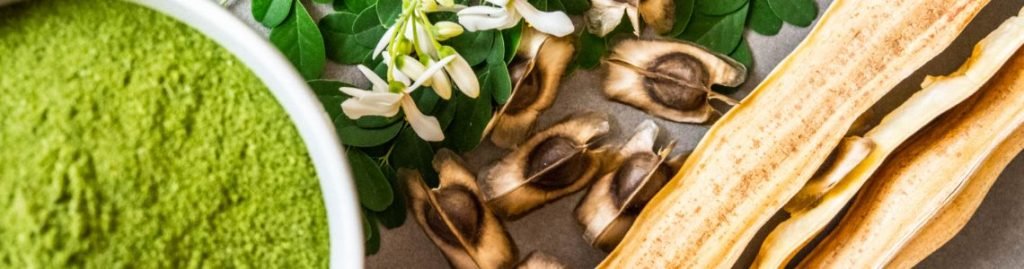
February 22, 2021 WHY YOU NEED MORINGA Contact Us +65 6398 0415 admin@ayurvedasg.com Recent Articles Moringa has been used for centuries in Ayurveda, and is a ‘powerhouse food’. It is rich in antioxidants, extremely healthy and helps with a variety of conditions. Almost all parts of Moringa can be safely consumed, and it is used extensively in Indian cooking. Regularly eating Moringa can help purify blood, detoxify skin, improve digestion and more. There are numerous ways that Moringa can be incorporated into your diet. Below are a few ways in which Moringa can be used for its exceptional health benefit: The drumstick portion of Moringa can be steeped in hot water to make tea. This tea, when consumed once a day can help reduce hypertension. The leaf juice of Moringa can be used as an eye wash. When rinsed with this solution, eyes flush out toxins and soothes any swelling or inflammation. Moringa, when used in cooking, helps purify skin and blood. This results in acne-free skin and better circulation. Moringa flowers can be cooked into a side dish for food. This is great at suppressing gas formation and reduces the possibility of indigestion or gastrointestinal irritation. Moringa leaves can be pounded into a paste with lemon juice. This is then used as a face pack to cure pimples. The drumstick is used in soups or ‘sambar’ which is great to heal the liver, pancreas and also helps soothe joints. Moringa leaf juice is a powerful analgesic and can be used externally to help manage pain. Moringa seed powder can be mixed with oil and used for Nasyam. This helps cleanse the sinuses and relieve headaches. Moringa flowers have the potential to balance vata and kapha doshas in the body. Moringa seed oil can be used by those suffering from arthritis to alleviate pain. Moringa improves sense of smell and taste and also boosts agni. Moringa powder can be consumed regularly to boost heart health and improve cardiac function. Moringa also aids in prevention of diarrhea. Intestinal worms are cured by regular consumption of Moringa. Since Moringa is a rich source of vitamin A, it is great for eye health and stimulates the nervous system as well. Ayurveda has stipulated the advantages of Moringa in numerous ways. When adding Moringa to your diet, especially in the form of powder, always consult an ayurvedic doctor to obtain the best diet for your body dosha.