
COOLING WATERS OF AYURVEDA

September 16, 2021 COOLING WATERS OF AYURVEDA Contact Us +65 6398 0415 admin@ayurvedasg.com Recent Articles Hot and humid days can cause extreme sluggishness, exhaustion and a lack of motivation to do anything. This is due to the increase of pitta dosha in the body which can stimulate excessive sweating, discomfort and keep the body in a state of heavy tiredness. Ayurveda provides many a solution to combat exhaustion due to heat with a number of cooling water recipes. While it might be tempting to grab a can of soft drink or soda, or even some sugary fruit juice, these only lead to a prolonging of the feelings of malaise since they are not good for the body. The ayurvedic recipes, instead of loading up the body on temporary energy giving sugars, focuses on reducing pitta in the body and rejuvenating the mind as well. This helps provide long term relief rather than just a temporary rush. Another benefit of these ayurvedic water recipes is that they are predominantly water. This means you can sip them throughout the day to avail the benefits of the goodness packed into them. This ensures you meet your hydration needs as well. The body benefits in every way and the mind flourishes as a result. Below are a few recipes to try and keep on hand to tackle periods of endless heat and humidity. CUCUMBER ALOE WATER Slice the cucumber into 1/4th inch slices. Juice the inner fleshy goodness of the aloe vera leaf for about 1/4 cup of aloe vera juice. Chop up a lime and squeeze the juice. Keep the rinds as well. Set aside a bunch of peppermint leaves for a herbal boost. Add all the ingredients into 2 liters of water and allow to infuse. You can strain the solids out after sufficient taste has been reached or leave them in as well for enhanced flavour and taste throughout the day. ip the water and enjoy long lasting hydration, energy and cooling! CILANTROWATERMELON WATER Chop up a small watermelon into tiny pieces. Remove the rind entirely. Chop up a lime and set aside the rind as well. Set aside a bunch of cilantro for the fresh herbal benefit. Add all the ingredients to 2 litres of water and allow to infuse. Leave the solids on until desired taste has been achieved. Leave for longer for better infusion and improved flavour. Enjoy throughout the day for cooling and tasty water that’ll keep you refreshed and hydrated at the same time! TULSI SPICE WATER Chop up an apple into small pieces and set aside. Take a small piece of ginger, peel and slice thinly. Set aside a bunch of tulsi leaves. Add all the ingredients into 2 litres of water and allow to infuse. You can remove the solids after about 6 hours to retain the mild flavour. If you prefer a stronger taste, allow the ingredients to remain, infusing more and more flavour into the cooling water. Drink this throughout the day for tasty and healthy water that provides cooling and hydration. You can try your own ayurvedic cooling water recipes by choosing your own combination of cooling spices and herbs and a small amount of fruit of your choice. Lemon can add the extra element of flavour to the water while also adding health benefits.
AYURVEDA FOR FERTILITY

September 13, 2021 AYURVEDA FOR FERTILITY Contact Us +65 6398 0415 admin@ayurvedasg.com Recent Articles When it comes to fertility, Ayurveda considers a number of factors which influence this. The first of these is the seed. This refers to the sperm or ovum which are the vital cells required for procreation. The health of the seed is the most important aspect to take into consideration. According to Ayurveda, healthy ojas is necessary for healthy seed. Ojas is the essence of vitality and immunity. Ojas is the force which governs a happy and healthy mind and body. Below are a few ways to keep the Ojas replenished and allow for fruitful seed. Spend a lot of time outdoors. Take some time every day to focus on positive emotions and mindfulness. This can also be in the form of meditation. Do Abhyanga daily for a few minutes in order to get the body stimulated and refreshed. Vata must be kept in balance for healthy ojas. This can be done by keeping warm, reducing screen time and sticking to a routine. Nourishing food such as milk, almonds, honey, dates, ghee can all improve ojas in the body. Avoid drugs and alcohol for keeping the body light and free of toxins. After the seed, comes the body itself. According to Ayurveda, metabolic waste can get stored in the body in the form of ama or toxins. It is absolutely important to get rid of these toxins in order to provide a healthy kshetra for the seed. Brain fog, poor appetite, malaise, are all symptoms of excess ama in the body. Detoxing the body can be done in a few simple ways. Consume predominantly warm, well-cooked and properly spiced food. Scrape your tongue every morning to rid any accumulation of ama. Drink warm lemon honey water first thing in the morning. Sip warm water throughout the day to allow for easy expel of ama. Reduce mental stress and strain through pranayama, yoga and meditation. In addition to this, it is important to supplement the body for the huge changes it has to undergo while bringing new life into the world. This starts even before conception. Below are a few ways to do this. Drink warm herbal teas to soothe and nourish the body while also enhancing hydration. Healthy fats such as ghee, avocados, and some amount of full day dairy must be incorporated into the diet. Root vegetables and grains must be well cooked and consumed for proper digestion. Iron rich food is an absolute must for improved fertility. This is usually red coloured foods which are hyper rich in iron. Include bitter foods in your diet to cleanse and purify the liver. This improves detoxification in the body and promotes better body function. Always consult an ayurvedic doctor for the best plan for a healthy pregnancy.
AYURVEDA AND “SWEETS”

September 8, 2021 AYURVEDA AND “SWEETS” Contact Us +65 6398 0415 admin@ayurvedasg.com Recent Articles Ayurveda considers “sweet” to be one of the six tastes to be consumed. However, modern day diets and get thin fast plans do not approve of the inclusion of all sugars, artificial and natural for consumption. This is also reflected in healthy diets which aim to promote better quality of life. Ayurveda takes a stance which is far removed from this mentality. According to Ayurveda, sweet foods are just as important or more so than foods of other taste categories. So it is important to include some sweets as well in your food. Ayurveda-acknowledged sweet food you can include: Milk, wheet, rice, ghee, wheat, grains and legumes. This is in addition to other sweet foods such as jaggery, sugar, sweet fruits, dates and honey. Ayurveda believes the sweet taste nourishes the body and invigorates the mind. It also relieves hunger and thirst, improves the immune system and boosts tissue growth. When eaten in appropriate amounts it results in positive feelings such as contentment, satisfaction, happiness and calm. Following a sattvic diet or an ayurvedic diet is probably the best way to ensure the body gets an adequate quantity of sweet tasting food. In such diets, refined or processed sugars such as those in cold drinks, chocolates, cereals and so on will be avoided in their entirety. Meals with whole grains, legumes, healthy fats and oils with low fructose and low glycemic index will be the source of the sweet taste. There is a key aspect which is different between the western and ayurvedic view of sugar. For example, honey is believed to have a sweet taste and helps scrape the fat from the body. This is contradictory to the western perspective. ‘Sweet’ also helps balance vata and kapha. Jaggery, another refined sugar alternative, is cooling, sweet and helps pacify vata and increases pitta and kapha in the body. Refined sugar does the complete opposite and aggravates the balance of the doshas. Therefore as different as they are, the one common duality between both schools of thought is that refined sugar is not great for health and must be avoided to a large extent. Another view of Ayurveda is that while eating any meal, sweet taste foods should be consumed first. This is different from the typical concept of dessert, which is typically eaten at the end of the meal. The reason for this is that vata dosha is dormant in the stomach at the start of any meal and sweet food helps pacify the dosha before the rest of the meal. Too much sweet food can cause an imbalance which shows up in physical and mental ways. This is true of overconsumption of foods of any particular taste. Below are a few of the symptoms of eating too much sweet food. Obesity Lethargy Excessive sleepiness Heavy feeling Poor digestion Respiratory issues Bloating Eye disorders Vocal variation To plan the best Ayurvedic diet for your body type and lifestyle, always consult an ayurvedic doctor.
MANAGE YOUR ANGER WITH AYURVEDA

September 6, 2021 MANAGE YOUR ANGER WITH AYURVEDA Contact Us +65 6398 0415 admin@ayurvedasg.com Recent Articles Anger can corrode the mind and chip away at rationality. Ayurveda recognizes anger as a result of excessive pitta dosha in the body. This causes a dosha imbalance which can manifest itself as hot-headed behavior and snappy reactions. Anger is extremely bad, not only for mental health but for physical health as well. It can cause increased blood pressure and numerous coronary complications. For this reason, it is important to take steps to ensure anger does not disrupt a happy and healthy life. Below are a few ways recommended by Ayurveda to prevent anger, anger management and anger related issues. It is important to recognize the attributes of pitta dosha which include, light, hot and sharp tendencies. Try to balance pitta by eating, and practicing habits which are comforting, cool and nourishing instead. Hot and spicy food must be avoided to a large extent. Lean more towards sweet, bitter and astringent foods. This includes tulsi, sesame, cumin, and so on. Pranayama, particularly deep breathing exercises, can vastly help in increasing blood flow to the brain and oxygen to the body as well. These boost cognition and reduce mental stress. Nasyam is another ayurvedic practice which can help soothe nerves, calm the mind and relieve the brain. Try it at home with a few drops of ghee in each nostril every night. Alternatively, you can also get professional Nasyam therapy at an ayurvedic centre for immediate relief. Apply small amounts of oil on the head and feet every night and massage well. This allows the oil to penetrate deeply and provides the benefits of balancing the doshas in the body. Do this Abhyangam daily for best results. Wear loose-fitting clothes to keep the body cool. This also means taking a cold shower in hot weather to regulate the body temperature and keep it from overheating. Chyawanprash is a cooling ayurvedic medicine which can help balance pitta and thereby keep anger from flaring. Chamomile tea, grape juice with fennel and cumin, are two drinks which can be consumed at times when anger seems particularly prevalent. They help calm the mind and bring some order to an angry state of thinking. Rather than perform intense and overly exhaustive activities, it is better to do grounding and calming exercise which does not aggravate the pitta dosha further. Try some gentle yoga, slow hikes, long cycling trips and so on. Always consult an ayurvedic doctor for the best ways to treat and manage anger.
SARASWATHARISHTAM – ALL YOU NEED TO KNOW

September 1, 2021 SARASWATHARISHTAM – ALL YOU NEED TO KNOW Contact Us +65 6398 0415 admin@ayurvedasg.com Recent Articles Saraswatharishtam is an ayurvedic tonic which is prepared by the traditional way of fermentation and can be used to treat a number of ailments. It is an ayurvedic medicine, similar to Chyawanprash and Triphala. This formulation is particularly known for its benefit in helping the nervous system function smoothly. WHAT IS IT MADE OF? Saraswatharishtam is composed of numerous ayurvedic herbs to form a fermented compound which has multiple curative properties. Below are the most important herbs in this formulation. Brahmi – Brahmi is known for its potency in improving cognition, memory, and nervous function. It improves brain activity and is an important ingredient of Saraswatharishtam. Shatavari– This is referred to as the queen of herbs. It is great for improving mental health and helps prevent depression and anxiety. This is another important component of the herbal tonic. Haritaki – Haritaki is an ayurvedic herbwhich has tridoshic properties. This means it helps balance vata, pitta and kapha. It helps maintain healthy nerves. Ashwagandha – This herb is a part of many ayurvedic formulations and with good reason. It helps manage anxiety, stress and depression. It is an extremely useful herb in Ayurveda. Dhataki – Dhataki is an ayurvedic herbwhich has immunomodulatory properties. This allows the body to maintain the immune system and also helps prevent the occurrence of nervous issues. Honey – Honey helps balance kapha and pitta doshas. It is used to carry the various ingredients and helps with easy absorption. There are also smaller quantities of a number of other herbs which combined together create this power formulation. BENEFITS OF SARASWATHARISHTAM It helps maintain a healthy nervous system. Regular intake of this tonic helps with having good mental health. Issues such as stress, anxiety and depression can all be curbed with the help of Saraswatharishtam. It is a superior brain tonic and helps improve cognition, memory and intellect. It acts as a supplement to regulate and maintain a healthy sleep cycle. It acts as an immunomodulator, boosting the body’s natural immune system and providing superior response to any diseases or ailments. This ayurvedic tonic helps remove toxins from the body and also keeps the doshas in balance. Speech related conditions and issues can be cured and managed with this tonic. Hoarseness of voice and throat issues can be cured using this herbal concoction as well. Saraswatharishtam is known for its anti-aging properties which help protect the body and mind from age-related deterioration. Always consult an ayurvedic doctor for the best ways to incorporate ayurvedic medicine into your life.
THE RUNDOWN ON SHATAVARI

September 1, 2021 THE RUNDOWN ON SHATAVARI Contact Us +65 6398 0415 admin@ayurvedasg.com Recent Articles Shatavari is an ayurvedic herb which is used to treat a variety of conditions. It is known particularly in Ayurveda for its ability to balance vata and pitta doshas. Shatavari is also used for its healing properties, especially in digestive and reproductive health. Ayurveda makes extensive use of this herb due to these characteristics. Below are more facts about shatavari and ways to use it to ensure mental and physical health. Shatavari can be used to treat diabetic patients. It helps reverse kidney damage usually caused by poor treatment of diabetes or high blood pressure. Shatavari can help prevent the formation of gastric ulcers which can cause discomfort in the lining of the stomach walls resulting in digestive issues. This herb has shown to stimulate higher lactation levels in nursing mothers, making it a great remedy for those with lesser milk production. Shatavari is an adaptogen and has shown great promise in boosting mental health, nervous function and so on. This ayurvedic herb promotes antioxidant enzyme production in the body. This helps fight off the harmful effects of free radicals. It also boosts mental health by acting as an antidepressant. This is due to the presence of flavonoids, polyphenols and saponins. Stress, anxiety and depression can all be treated by appropriate ayurvedic treatment using shatavari as recommended by an ayurvedic doctor. Shatavari is also an excellent remedy for chronic diarrhea, and dysentery. It can help slow down the frequency of stools due to the presence of flavonoids. Rate of dehydration is also lessened with consumption of shatavari. The digestive system as a whole massively benefits from the usage of this herb. It promotes better immune response in the body when it is fighting against disease or infection. This is due to sapogenin, which is a potent immune stimulator. The body’s immunity is greatly increased and helps with speedy recovery when consumed regularly. Shatavari has diuretic properties. This means that it can help prevent the formation of kidney stones since it helps with frequent urination and does not allow accumulation of toxins. The herb is extremely rich in saponins. These help regulate the female menstrual cycle and ease the symptoms of PMS, reduce cramps and lessen blood loss. Shatavari has cooling properties which help balance hormones in the body. It can also lessen acne and prevent other hormone imbalance related diseases. Always consult an ayurvedic doctor for the best way to treat ailments according to your body type.
AYURVEDA TO COMBAT FATIGUE

August 31, 2021 AYURVEDA TO COMBAT FATIGUE Contact Us +65 6398 0415 admin@ayurvedasg.com Recent Articles Fatigue is a problem which is all too common in the fast-paced world of today. Chronic stress fatigue is an issue plaguing a number of individuals. Ayurveda provides numerous solutions to tackle the side effects of fatigue. According to the ancient science, imbalance of doshas can result in this condition. It can massively affect normal daily activities and mental cause immense anxiety to individuals. It also results in lack of productivity and a general sense of illness. Below are a few ways suggested by Ayurveda to combat fatigue and its ill effects. Having a routine can help tackle dosha related imbalance. Particularly for vata dosha, it is important to establish a set routine with regular eating, sleeping and working schedules. This will improve metabolism, digestion and thereby help reduce ama in the body and keep the doshas in balance. Fatigue can be fought easily when the body and mind are well rested and well looked after. Ayurvedic massage or Abhyangam is another grounding therapy which can reduce mental stress and thereby relieve symptoms of fatigue. The process can be done at home using a variety of oils. This brings mindfulness and concentration to the forefront and helps ease any feelings of negativity or stress. Do this regularly to experience relief from the routine of hard work and boost wellbeing. Yoga is another practice which can largely help keep the mind focus. Doing this improves one’s sense of self as well as calms the psyche. Stress, anxiety, sinus, congestion, headaches, digestive problems can all be caused if the mind is in disarray. Tackle them all by simply spending an hour each day to calm the mind and regulate the body. This is a great practice recommended by Ayurveda to treat fatigue and a vexed mind and body. Ayurveda also recommends pranayama in order to slow down and relax. The mind tends to go on overdrive with the massive daily pressures faced each day. It is important to take time to unwind and de-stress without any distractions. Pranayama helps do this and has numerous physical health benefits as well. Do this every morning or whenever you need a break to reset and stop your body and mind from succumbing to fatigue. Ayurvedic medicine is another way to treat fatigue. Chyawanprash is a great formulation which provides a number of health benefits. Take a spoonful each day to help prevent burnout or fatigue. Triphala can also be consumed with good effects. Try to include ayurvedic herbs in your diet. Shatavari, turmeric, must be incorporated into your daily meals. Always consult an ayurvedic doctor for the best way to treat ailments according to your body type.
AYURVEDA FOR MEMORY

August 20, 2021 AYURVEDA FOR MEMORY Contact Us +65 6398 0415 admin@ayurvedasg.com Recent Articles Memory issues have become commonplace. The fast-paced nature of life has resulted in draining-out, stress and anxiety which results in issues with cognition. Memory loss or poor memory are a result of various factors. This includes both internal and external factors. Ayurveda provides ways to keep memory sharp and improve overall cognition as well. This is by the use of a class of herbs called adaptogens. These provide a significant boost in mental activity and improve quality of life to a great extent. Below is a list of ways in which Ayurveda can be implemented to never forget another errand again. Almonds are a superfood to tackle memory issues. Simply soak them overnight in water, pureè them and mix with milk for a tasty and powerful morning drink. This promotes better memory and improved recognition. Almond oil can also be used for better brain function. Apply some almond oil inside your nostrils before bed each night. This helps reduce stress and promotes sound sleep. Black sesame is a powerful ayurvedic spice to tackle memory problems. Add it to food preparations to enhance the taste while also helping improve concentration and memory as well. Amla is known for its potent antioxidant properties. This ayurvedic herb strengthens the nervous system and prevents degenerative mental diseases and promotes better brain activity. When consumed regularly, memory loss is sure to be a thing of the past. Cinnamon is a great spice to revitalize mental wellbeing. A happy mind is a healthy mind. Cinnamon promotes feelings of positivity and better cognition. Use this in food to improve memory and better retention. A simple 10-minute meditation can be done every morning. This helps the body and mind rejuvenate and relax, opening up nerve channels and improving mental health. Practice regularly for peace of mind and clarity. Proper flow of prana in the body largely regulates the functioning of all organs. The best way to ensure this is by ensuring all toxins or ama are removed from the body. This can be done by doing a simple cleanse or a full body panchakarma Eliminating all waste, lightens and promotes well-being to the body, mind and soul. Brahmi, shankhapushpi and bhringraj can be used to brew a memory boosting power tea. Drink this herbal concoction regularly for best results. Regular exercise such as a brisk walk daily works wonders in regulating the systems in the body. By doing this daily, the brain functions better and memory improves as well. Abhyangam can also be done on a regular basis to ensure flow of prana in the body. Always consult an ayurvedic doctor for the best ways to incorporate Ayurveda into your life.
AYURVEDIC PANTRY STAPLES
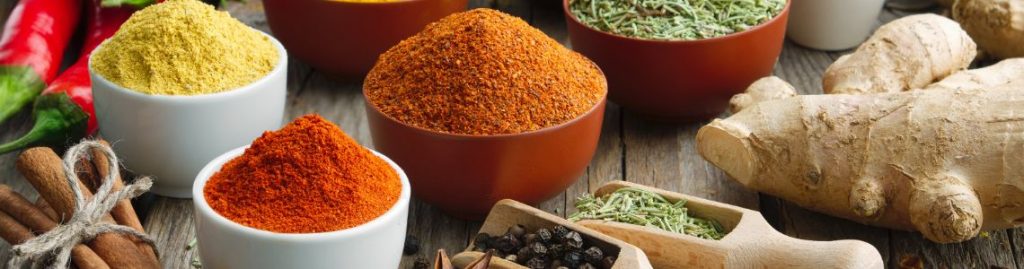
August 20, 2021 AYURVEDIC PANTRY STAPLES Contact Us +65 6398 0415 admin@ayurvedasg.com Recent Articles Ayurveda is an ancient science which prescribes numerous ways to maintain a healthy lifestyle. This includes ayurvedic practices which can be followed at home, ayurvedic home remedies for common ailments and most importantly, ayurvedic diet. The reason the diet is given utmost importance by Ayurveda is due to the fact that gut health is the core of total well-being according to the science. By balancing gut flora, and maintaining good digestive habits, it is possible for the body to remain healthy and free of disease. Diet governs the elimination of toxins from the body, the flow of prana on the body and so much more. For all these reasons, it is important to maintain a good diet which is rich in all the essential nutrients for the body. Below is a guideline to pantry essentials for an ayurvedic diet. FRESH FRUITS AND VEGETABLES Always keep your fridge well-stocked with fruits and vegetables. These are rich sources of all required vitamins, minerals and more. Choose organic, farm fresh veggies which still have the authentic raw flavour and appearance. Do not go for GMO fruits or those which have been coated in pesticides as they can harm the body. Ayurveda recommends a good diet of vegetables on a daily basis. Fruits must be consumed in moderation and in accordance with dosha and taste principles. HERBS AND SPICES Herbs and spices are the cornerstone of ayurvedic cooking. They are absolutely essential and serve a variety of purposes. When used correctly they keep the body functioning in good form without any problems. They can also be used to make ayurvedic Kashayam, herbal teas and ayurvedic home remedies for various issues. Below are a few important ones to keep in your kitchen cabinet at all times. Turmeric- This is a definite yes in every pantry. An antioxidant which is great for skin conditions, digestion and more. Ginger – This is another important spice which has a number of health benefits. It helps with congestion and digestion. Ginger can be made into tea as well. Black pepper – This is a staple spice which is added to any dish. Ayurveda recognizes the potency of pepper. It can cure colds, help with mucous irritation, and more. Use as liberally as you prefer for best results. There are numerous herbs and spices which must be in your pantry for good ayurvedic health practices. ROCK SALT AND RAW HONEY Rather than buy iodized powdered salt, go for rock salt. This is far better for the body and preferred in ayurvedic cooking. Similarly, ditch the refined sugar for raw honey. Pure honey is a great sweetener which has a variety of ayurvedic health benefits as well. It can be used in home remedies, poultices and more. Always consult an ayurvedic doctor for the best remedies for your body type.
BETTER RESPIRATORY HEALTH WITH AYURVEDA

August 12, 2021 BETTER RESPIRATORY HEALTH WITH AYURVEDA Contact Us +65 6398 0415 admin@ayurvedasg.com Recent Articles The respiratory system consists of the nose, throat, mouth, diaphragm, bronchial tubes, lungs and capillaries. They constitute the parts carrying out the most vital activity of the body- respiration. Breathing in and out is automatic, something we do without fully appreciating it. However, when the flu season sets in or congestion arises, this basic activity is greatly impacted. Regular respiratory issues can massively reduce quality of life and is often an indication of something wrong in body function. Ayurveda attributes most health issues to an accumulation of ama in the body. Irregular digestion is also a key indicator of poor health in some parts of the body, and can impact respiration as well. In order to keep respiration smooth, it’s important to practice a few ayurvedic ways regularly. According to Ayurveda, food is medicine. Day-to-day diet affects health and a nourishing, warm diet which soothes the body is the best way to bolster immunity and prevent respiratory issues. Lentils, warming spices such as cumin, black pepper, ginger, cinnamon and cloves can all be incorporated into the food. This is particularly useful when the weather is iffy. Prevention is an important aspect of Ayurveda and is also the easiest way to keep illness at bay. Make warm fluids a part of your regular schedule. Soups, porridge, and even sipping warm water throughout the day makes a huge difference in health. It clears any possible infection and keeps the respiratory tract free of impurities. Drink warm water with lemon each morning. Try to replace cold drinks with soothing ayurvedic herbal teas. Make a herbal brew by boiling some tulsi leaves with cloves and mint. This refreshes the mind, body and boosts immunity. Stress is a major factor which can impact normal functioning of most organs. This applies to the lungs as well. Extreme anxiety and stress can cause the diaphragm to weaken and lead to poor breathing practices. This means continuous shallow breathing from the chest which can cause a number of complications. To overcome this, Ayurveda recommends regular pranayama. Pranayama is a number of breathing exercises which can regulate breathing and invigorate the respiratory system. When done regularly, it helps remove any obstructions, clear off mucus, and strengthen the organs. A healthy and happy mind leads to a healthy body. Pranayama calms the mind and regulates the body. Abhyangam is an important ayurvedic practice which helps treat a number of small ailments. Regular self massage or professional massage by an ayurvedic doctor can massively improve life. It helps remove ama and toxins from the body and promotes better flow in the body. Simply by spending a few minutes each day performing an oil massage, various blockages are cleared, doshas can be brought to balance and respiratory issues can be kept at bay. Always consult an ayurvedic doctor for the best way to treat your illness.