
MANAGING CERVICAL SPONDYLOSIS WITH AYURVEDA

October 22, 2021 MANAGING CERVICAL SPONDYLOSIS WITH AYURVEDA Contact Us +65 6398 0415 admin@ayurvedasg.com Recent Articles The work-from-home format as a result of the COVID-19 pandemic has given rise to several health issues, and a common one is neck pain. When you’re working from home, it leads to bad posture, and it aggravates degenerative changes or wear and tear. Since many tend to work sitting on a sofa or bed, they end up slouching, rounding up their shoulders, or putting their head forward. Long hours of sitting increases pressure on the intervertebral discs. It can lead to undue strain on the tissues resulting in chronic neck pain and cervical spondylosis. While many opt for over-the-counter pain killers to get rid of the pain, it’s terrible in the long run. But Ayurveda can help you get relief from cervical pain and stiffness. In the long term, Ayurveda treatment can help you live a pain-free life. People with cervical spondylosis experience severe pain, stiffness, and numbness in the neck area radiating to the upper limbs, a grinding sensation while moving neck, headache, loss of balance, weakness in the hands, and bladder or bowel issues. Ayurveda considers aggravation of Vata as the cause of degeneration of tissues and the neck joint. Cold and acidity-inducing food, astringent foods, long meal gaps, smoking, and low food consumption can increase the Vata dosha. With age, the risk of developing cervical spondylosis also increases. Prolonged sitting can put excess pressure on the neck joint and can cause bone erosion. If left untreated, it can cause complications. Ayurveda says that spondylosis can be due to dish dehydration, herniation or bulging of the disc, bone projection, or fibromyalgia. An Ayurveda doctor will assess the cause and suggest the best Ayurvedic treatment for cervical spondylosis. Often, the Ayurvedic doctor does a physical and clinical examination to locate the source of pain. The Ayurvedic treatment for cervical spondylosis is given only after a thorough analysis of the patient and confirmation of the root cause. Then the Ayurveda specialist will offer customized treatment plans for cervical spondylosis according to the health condition of the patient. The Vata dosha responsible for the condition is balanced through different combinations of Ayurvedic medicines and a proper and adequate diet plan to improve digestion and enhance the digestive fire. The Ayurvedic medicines improve body tissue rejuvenation, and the Panchakarma massage helps the body get back to a state of balance and harmony. The treatment may also include Ayurvedic therapies for stress relief, yoga asanas, and medications that help rejuvenate the complete body and mind. Ayurveda Panchakarma therapies for cervical spondylosis include Abhyanga swedam, Elakizhi, Nasyam, Shirovasti or Shirodhara, Sarvangadhara, Navara kizhi, and Pizhichil to relieve pain, inflammation of muscles and ligaments and to improve the flexibility of neck bone joints. However, treatments are prescribed depending on the condition of the patient and the severity of the issue. Foods to Avoid If You Are Suffering From Cervical Pain Saturated fats and arachidonic acids are key drivers of inflammation in the body, and these fats are commonly present in meat and dairy products. Reducing your intake of high inflammatory foods and substances can significantly help you relieve cervical pain. High-fat dairy products can also cause inflammation. People should avoid processed foods for better results. Consumption of alcohol and smoking are two things can make your bones weak and brittle. Alcohol causes the body to lose magnesium and calcium through urine, whereas smoking causes bone deterioration. Your well-being of your body is a result is a what you do and what you don’t. To follow the right path to a healthy lifestyle talk to our Ayurveda practitioners.
TREAT DRY EYES WITH AYURVEDA
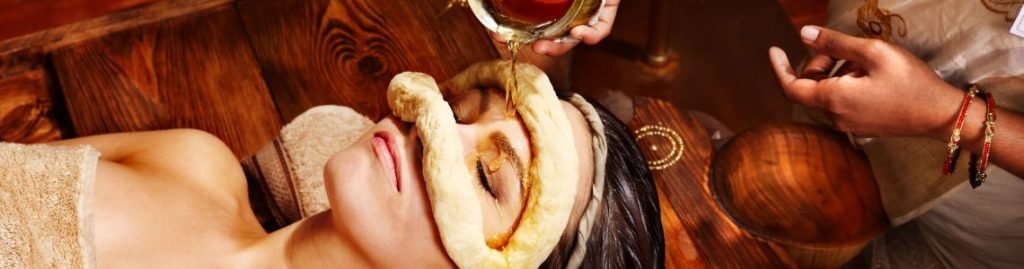
October 21, 2021 TREAT DRY EYES WITH AYURVEDA Contact Us +65 6398 0415 admin@ayurvedasg.com Recent Articles Physicians often see patients who complain of dry eyes. With increased hours of looking at the monitor and mobile screens, there’s an increase in people who suffer from dry eyes. Patients often complain of itching in the eye, dryness, redness, and eyestrain. The primary symptoms of dry eyes include sensitivity to light, blurry vision, headache, redness, pain, watering, and a foreign body sensation. Dry eye is caused by a lack of enough moisture in the eyes. The condition can be due to reduced secretion of tears or degraded quality of tears. Ageing, increased work stress and anxiety, lack of sleep, exposure to dust, too much exposure to air-conditioned spaces, lengthy use of contact lenses without gap, eye allergies, mental stress, and exposure to harmful chemicals can all trigger a dry eye syndrome. According to Ayurvedic experts, dry eyes can also be caused by metabolic problems, allergic reactions, or autoimmune diseases. When overlooked for long, dry eyes may lead to corneal ulcer, conjunctivitis, problems in keeping eyes open, reading, and writing. Some may develop anxiety, stress, and depression, too. The first thing people suffering from dry eyes can do is to modify their lifestyle and diet. Avoiding junk food, irregular sleeping schedules, hard drinks, cold drinks, and stressful activities can keep dry eyes at bay. The simplest way to prevent dry eyes is to take good care of your eyes. More often than not, dry eyes are caused by prolonged exposure to mobiles, computers, and television. Refraining from watching TV, looking at the computer, and mobile screens for long durations will help avoid dry eyes. If your work requires you to look at computer monitors for a long time, you must take breaks between. A proper diet rich in fruits, vegetables, and hydrating items is suitable for the eyes. If you are living in an area with high dust and allergens, use protective glasses to keep your eyes safe from prolonged exposure to them. Ayurveda offers effective treatment for dry eye problems. The treatment includes herbal medications and lifestyle modifications. According to Ayurveda, dry eyes may be due to an imbalance of Vata or Pitta. Ayurveda treats dry eyes by clearing the channels to maintain circulation and nourishment of the structures and activating the glands to ensure the normal secretions for moistening the eyes. There are several Ayurvedic treatments for dry eyes. Sirodhara, Brimhana Nasyam, Shirovasthi, Netra Tarpana are some of the main treatments. Ayurveda doctors choose medicines for treatments by analyzing the clinical stage of the disease and the person’s body type. Netra Tarpana Netra tarpana is one of the highly recommended treatments for dry eyes. The area around the eyes is packed using wheat flour dough. Liquid ghee derived from cow’s milk is slowly poured onto the eyelids. This treatment enhances vision, relieves eye discomfort, and relaxes the tissues around the eyes. Triphala Ghrita Triphala Ghee and other herbs are combined to make Triphala Ghrita, an Ayurvedic medication. Patients can drink it plain or mix it with warm milk. This Ayurvedic remedy helps you get rid of the irritating feeling in your eyes. Diet plays a vital role in the Ayurveda way of life. For eyes, Ayurveda suggests including fruits and vegetables rich in Vitamin A such as carrots, oranges, cabbage, tomatoes, lettuce, soya beans, dates, and green peas in addition to fresh milk and cheese to your diet. Almonds are also great for eyesight. Ayurveda is rich with the knowledge of herbs that offer inherent benefits. Triphala is one of them, and bhringraj or amla oil, when applied over the eyes, helps in enhancing eyesight. Exercises also can keep your eyes healthy. You can do some simple exercises like closing both your eyes by shutting them firmly and then opening them suddenly. After you open your eyes, stretch your face and arch your brows – practice this a few times every day. To relieve eye strain and improve vision, rub your palms together and place your hand over your eyes without touching the eyelids. It will help enhance your vision. The above tips will help you improve your eyesight and maintain healthy eyes over time. Contrary to modern treatment, Ayurveda advocates a systematic and holistic approach to treating dry eye syndrome. Ayurvedic remedies aim to stimulate the glands so that normal tear secretion can keep the eyes moist. It enables a complete revitalization of the eyes and the restoration of the natural tear secretion mechanism. Ayurvedic eye remedies have been used for centuries to strengthen and improve vision. Ayurvedic eye care is gentle, natural, and rejuvenating.
EVENING ROUTINE FOR THE MODERN WOMAN

October 16, 2021 EVENING ROUTINE FOR THE MODERN WOMAN Contact Us +65 6398 0415 admin@ayurvedasg.com Recent Articles Today, women are not confined to their homes, but are busy breaking the glass ceilings in the corporate world. That said, she is not abandoning the household responsibilities. The modern woman is taking up more familial responsibilities and working a lot more than previous generations, according to a 2020 McKinsey Report. More responsibilities add to women’s stress levels, who find it hard-pressed for time to take good care of themselves. However, Ayurveda has some fruitful yet simple suggestions that can make a whole lot of difference to the well-being of your mind and body. Abhyanga:After a day’s hard work, you need to get away from the accumulated stress. An excellent way to achieve relaxation is abhyanga or self-massage. Depending on the body type, choose oils that are suitable for you. Apply oil in a circular motion and allow it to stay for 20 minutes. Take a bath in lukewarm water and use a natural or Ayurvedic soap. Meditation: Meditation is one of the best ways to relax your mind. If you can’t spend a long duration on meditation, even a short meditation can do wonders for your mind. You can include pranayama and prayers into your meditation time for better results. Lite and early dinner: One of the most common trends among modern women is to postpone dinner time. Often, due to the workload and stress, they choose to take dinner late. In addition to causing indigestion and bloating, it can cause weight gain and metabolic disorders. Have a lite dinner early so that you’re not inviting unnecessary health issues. Shun stimulations: Saying no to caffeinated drinks can help you sleep fast. Also, keep away from mobile phones and other gadgets that stimulate your brain. Starting the winding-up process early helps you sleep fast. Dim the lights in the bedroom as bright lights may hamper your winding up time. Burn incense sticks or aroma candles and create a fresh and cozy ambience. Make a golden latte:While a centuries-old practice in India, of late, the world has woken up to the benefits of golden milk or golden latte. Drinking golden milk just before bedtime increases immunity and improves the antioxidants in the body. To make golden milk, boil milk with turmeric. Adding nutmeg powder to the milk is desired, though optional. Wash your face: Just like brushing, washing your face and removing all the dirt and makeup before bedtime is essential for your skin health. Pamper your feet: Massaging your feet with oil at night can help you distress. It also helps keep your feet moisturized. Hit the bed by 10 pm:Sleeping daily at the same time has its effects. Going to bed, preferably before or around 10 pm, is ideal. Ayurveda attributes specific times of the day for the doshas to get activated. At 10 pm, it’s considered that the Pitta hours start and to avoid the second wind, it would be better to sleep by 10 pm. Having a set sleep schedule helps your body to get into a healthy circadian rhythm so that you can wake up the next day feeling fresh and rejuvenated.
MORNING ROUTINE FOR THE MODERN WOMAN

October 15, 2021 MORNING ROUTINE FOR THE MODERN WOMAN Contact Us +65 6398 0415 admin@ayurvedasg.com Recent Articles With rising health concerns, many people have started to have a new at-home pace, which means we need a routine more than ever. Implementing healthy habits improves immunity and helps us stay in a positive frame of mind throughout the day. Ayurveda emphasizes having a daily routine or dinacharya for good health and disease prevention using lifestyle practices. A modern woman is someone who juggles multiple roles but has to stay calm and poised. She is required to maintain the balance between soft and supportive; and strong and resilient. Following Ayurvedic morning rituals help keep a modern woman’s mind and body balanced and healthy. Ayurveda prescribes starting the day by concentrating on morning rituals to align the body with nature, balance dosha, and develop self-discipline for a better life Ayurveda believes in starting the day before the sun rises. If you’re someone who wakes up late, if you take the pain to practice early to bed and early to rise, you will be able to observe a refreshing change in just one month. Soon after waking up, you can do short pranayama, Surya Namaskaram, or short meditation to kick-start the day. Start with a glass of warm water: Ayurveda advices starting your day with a glass of lukewarm water. You can flavor it with a slice of lemon. While the warm water stimulates the GI tract, the lemon helps loosen the ama or toxin in the digestive tract. Rehydrate your face: Wash your face with cool, non-chlorinated water so that it diffuses the heat and rehydrates the skin. Since the face is one of the most exposed parts of our body, the more we hydrate, the better it is for the skin. Oil pulling: Ayurveda is particular about oral hygiene and advices using a tongue scraper to remove the undigested ama on the tongue using 7 to 14 strokes of a tongue scraper, from back to front. Besides removing the ama, it stimulates gastric juices and taste buds. Use a soft-bristled brush to clean the teeth. Avoid using harsh abrasives and toothpaste with synthetic chemicals after brushing your teeth and gargle using warm oil, preferably sesame oil. It protects teeth, gums, jaws, and even the voice. Eye care: Eyes suffer a lot of strain due to excess exposure to computer monitors and mobile screens. If your eyes are puffy, try keeping slices of cucumber or cotton balls soaked in aloe vera on them. You can do some simple eye movements to stimulate the optic nerve. Move up and down, rotate them in clockwise and anti-clockwise directions. Complete the exercise by forcefully squeezing the eyes shut and then releasing, several times. Self-massage: Massing energy channels with aromatic oils can heal your mind and body. Do a daily/weekly abhyanga or oil massage. Select oil that suits your dosha. While sweet scents and lavender are good for pitta-type people, eucalyptus or rosemary works well for people with Kapha. To balance Vata, you can use ginger, cardamom, or orange. Take a drop of oil on the ring finger and rub it onto the third eye point in clockwise circles. Take a bath: A bath rehydrates the skin. You can choose water temperature based on your body type. At the same time remember, Pitta benefits from cold water; lukewarm water is good for Vata-type people. Warm water works well for people with Kapha-type people. Instead of synthetic soaps and lotions with synthetic chemicals, use Ayurvedic soaps and scrubbers for better skin. Don’t skip breakfast: You should not skip your breakfast, try having a light breakfast rich in fruit, vegetable juice, nonfat yogurt, or grains. With the above Ayurveda morning routines, you can rest assured that you’ve supercharged your well-being.
AYURVEDIC HABITS CHILDREN SHOULD GET STARTED EARLY ON

October 7, 2021 AYURVEDIC HABITS CHILDREN SHOULD GET STARTED EARLY ON Contact Us +65 6398 0415 admin@ayurvedasg.com Recent Articles Just like adults, children, too, can benefit from the ancient science of Ayurveda. “Catch them young” applies to the Ayurvedic way of living in children, and such routines help them have a healthy body and mind. While children also exhibit Vata, Pitta, and Kapha types or a blend of the above two or three, parents should identify the same with a bit of observation and ensure that their food habits and lifestyle match their body types. A Vata child is often more creative and restless, while a Pitta-type child will often show frustration or anger. Kapha is needed reasonably for the child’s growth, but when it is in excess, the child may make them a bit lazy or lethargic. However, parents can inculcate certain routines to get the best of everything and grow to become healthy individuals. Start the day with a glass of water: Boiled water cooled to room temperature can give a healthy start to the day for your child. Make it a habit to start the day with a glass of water. Brushing teeth: Brushing the teeth with soft brushes made of natural products helps maintain dental hygiene. Teach them to use a tongue cleaner properly. Stretching: While a parent or caretaker will have to do mild stretching for small children, teach older ones to do it themselves. Stretching exercises for about 10-15 minutes can increase blood circulation. Abhyangam or oil massage: Gently massaging with a suitable oil will help keep the skin glowing and increase blood circulation. While sesame and coconut oils are often used, consult an Ayurvedic doctor for a suitable oil for body massage if you think your child has a specific body type that needs attention. Morning bath: Insist children take baths in the morning for a good start. Regular water is the best choice; warm water is also suitable for health. It not only makes them feel clean but provides a refreshed feeling throughout the day. Breakfast: A balanced breakfast is essential for children. Ensure you include enough fruits, carbohydrates, protein, and dry fruits in them. If the child is not allergic to milk, you should give them milk as it is a rich source of calcium. Snacks: Instead of allowing children to gorge on junk food and snacks, give them vegetables, salads, fruits, or nuts as snacks. This helps avoid a lot of health issues later. Lunch: Having a fixed time for each meal is vital for children. Giving them a glass of water 30 minutes before lunch helps digestion. Help them practice mindfulness while eating, and over some time, the child will be able to eat with a calm and relaxed mind, which aids in digestion and better absorption of nutrients. Evening: It’s always better to avoid or limit fried and greasy items as snacks. Instead, fruits, legumes, and protein-rich food can supply the required fibre content for the body. Boiled legumes are a rich source of protein. Playtime: Instead of allowing children to spend time on computer games, make them go out and play. This helps them bond with others, exercise, and relax. It’s better if you fix a particular time for the playtime. Dinner: Early to bed and early to rise is perfect for children. Give them dinner by 7.30 pm and start the winding-up by 8 pm. Do not allow them to play computer games or watch television after 8 pm as it acts as a stimulus hampering their sleep. When they sleep early, they will get up early and catch some sunshine, which is vital for their bone health. The above routines will help your child begin following a healthy lifestyle from quite early on.
VATA SELF-CARE IN FALL SEASON
October 6, 2021 VATA SELF-CARE IN FALL SEASON Contact Us +65 6398 0415 admin@ayurvedasg.com Recent Articles Ayurveda is a science that advocates a living that goes with nature and its seasons. As per Ayurveda, the fall and beginning of winter are the Vata season in the northern hemisphere. Ayurveda doesn’t consider the calendar year but the atmospheric quality to indicate the seasons and the possibe illnesses/diseases and treatments. During fall, many experience some signs and symptoms of Vata dosha. You can practice Vata-balancing self-care to stay in the pink of health.When Vata is not balanced, a person may experience anxiety, dry skin, indigestion, fatigue, and sleep issues. The typical physical signs of Vata imbalance include constipation, gas, bloating, cold hands and feet, cramps, weakness, loss of appetite, arthritis, and irregular menstruation in women. There are also some mental indications that your Vata might be out of balance. They include panic, worry, nervousness, inconsistency, fear, and racing mind. But fret not. Vata time is the best time to practice mindfulness and create/stick to routines. Start developing healthy patterns of eating and sleeping. Eat healthy meals at regular intervals and sleep before 10 pm. Be gentle to yourself and start practicing yoga or meditation. Reflection and keeping your mind clear will help you stay healthy. Self-care, balance, and a soothing routine can make all the difference. Right Movement Practice: Select a routine that is easy on your body. Instead of speed and long distances, choose easy and short walks. Take a walk in the park, do simple yoga asanas, and do deep breathing. Pranayama: Pranayama reduces stress and anxiety. Alternate nostril breathing is excellent for fall self-care. Pranayama relaxes you and makes you peaceful. Nutritious Meals: Eat freshly cooked food, seasonal fruits, and consume warm soups. Avoid cold and frozen foods to avoid blowing up the Vata dosha. Include herbs like oregano basil, thyme, cumin, ginger, and turmeric in your diet. Try including coconut milk in your curries. Be careful not to get indigestion. Avoid food that can trigger acidity and bloat. Self-care for Vata: Boosting blood circulation and promoting relaxation are vital for pacifying Vata. Give yourself an oil massage, listen to relaxing music, try aromatherapy and divide your tasks into smaller ones. Book an Abhyangam: Abhyangam is one of the most common therapies in Ayurveda. The unique herbal massage uses warm medicated oil. It is beneficial for the mind and body and can eliminate the toxins from the body. A good amount of warm oil is applied to the body and massaged in the direction of the arterial blood. Abhyangam at Ayush Ayurveda provides stress relief, improve skin health, reduce muscle pain and stiffness, and delay aging. It promotes overall wellness and is effective in keeping the Vata effects at bay.
HEALING THYROID ISSUES WITH AYURVEDA

September 30, 2021 HEALING THYROID ISSUES WITH AYURVEDA Contact Us +65 6398 0415 admin@ayurvedasg.com Recent Articles The thyroid glands’ primary function is to control metabolism by producing and releasing metabolic hormones. A very sensitive endocrine gland, thyroid responds to stress very fast, thus hampering thyroid hormone production. A thyroid issue is a sign of a sedentary lifestyle, and it is a lifestyle disorder. There are two types of thyroid disorders – Hypothyroidism and Hyperthyroidism. When the thyroid gland produces fewer hormones, it’s called hypothyroidism, and such a person will gain weight. When the thyroid gland makes more thyroid hormones, it’s called hyperthyroidism. Weight loss is one of the symptoms of hyperthyroidism. Hypothyroidism or underactive thyroid is prevalent these days, affecting 6-10% of women worldwide. Those are suffering from hypothyroidism experience vertigo, fatigue, depression, slow heart rate, weight gain, constipation, dry hair, brittle nails, puffy face, and droopy eyes. Stress is a significant contributor to the malfunctioning of the thyroid. When the stress comes from overwork, it is said to affect immunity and cause auto-immune conditions. An imbalance of iodine in the body can also cause hypothyroidism. Ayurveda considers the thyroid an imbalance of Kapha and Vata. Ayurveda treatment for thyroid Ayurveda doesn’t prescribe one single medicine for a dosha to all patients. The treatment is individualized and aimed to remove the root cause of the illness. Since thyroid imbalance is due to the Vata dosha in the body, patients are advised to take a diet that doesn’t increase the Vata in the body. Food rich in fiber like spinach, beans, legumes, and bananas is advised for such people. Also, they should not overeat or skip meals, instead consume food at regular intervals in small quantities. A fruit a day is also advised. Thyroid patients have been advised Pranayama as it helps smoothen breathing. Since thyroid issues are connected with a sedentary lifestyle, people are asked to take morning walks regularly. Walking helps to relax and also shed the extra flab. Ayurveda suggests Abhyanga or a self-massaging the body with oil to control the problem of the thyroid. There are also home remedies that help control thyroid problems. Triphala, methi, ginger, and Aloe Vera are considered suitable for thyroid function. Drinking aloe vera juice can help in balancing the Vata and Kapha dosha in the body. You can replace tea or coffee with herbal tea. Physicians also advise drinking coriander and cumin water to balance the thyroid function. Soak some dhania (coriander) and jeera (cumin) in water and leave it overnight. In the morning, strain the water and drink on an empty stomach. Ayurveda practitioners often prescribe Trikatu, Triphala, Shilajit, Shankapushpi, and other thyroid dysfunction herbs. Panchakarma (body massage and detoxification), Nasya, Dhara, and Shirodhara are also prescribed for thyroid disorders.
AYURVEDA IN SKINCARE

September 29, 2021 AYURVEDA IN SKINCARE Contact Us +65 6398 0415 admin@ayurvedasg.com Recent Articles Skin is the largest organ in our body, and healthy skin is vital for general health. Pollution, weather, age, and several other factors can have an impact on your skin. Though many complain that they don’t have time to take care of their skin, you must create a skincare routine as part of your healthy lifestyle planning. Who doesn’t like to have flawless and satin-smooth skin after all? While there are many skincare products available in the market, many act counterproductive due to the high levels of chemicals, it’s always better to go for natural products for skincare. Ayurveda has excellent treatments, carefully crafted regimes and self-care products that can give you healthy and glowing skin. Ayurveda uses natural ingredients and recommends them based on the skin type. Coconut milk, sesame oil, essential oils, and kokum butter are used to moisturize the skin. Ayurveda classifies skin type based on the three doshas – vata, pitta and kapha. According to Ayurvedic physicians, a vata dominant person will have dry skin, and regular moisturization is required to keep the skin wrinkle-free. Oil-based moisturizers, facemasks with ashwagandha as an ingredient, and eating ginger are recommended for dry skin types. Pitta people have oily skin that gets acne. Cooling elements like aloe vera, turmeric, sandalwood are considered suitable for them in skincare. People with kapha dosha will have cold and oily skin. They get pimples, whiteheads and suffer from water retention. Exfoliation using natural ingredients suits such skin types. They should avoid oil-based creams. Home Remedies In Ayurveda For Skincare While sesame oil can be used on all skin types, almond oil is suitable for vata and pitta skin types. You can massage the oil onto the skin in a circular motion Kumkumadi oil is widely used in Ayurveda in facial massages. Also known as Manjistha, it is anti-inflammatory and antibacterial and can address acne problems too. Ayurvedic skincare recommends Abhyanga or skin massage to eliminate toxins and guarantee skin health. You can perform the massage with Ayurvedic oils before taking a bath. Abhyanga Benefits Abhyanga is a traditional oil self-massage that helps in detoxification. Abhyanga soothes the skin and nourishes it. The self-massage ensures good blood circulation, cleanses the sweat glands, and replenishes tissues. Abhyanga is a stress buster and is also used to address emotional disorders. For good skin, one should maintain hydration and drink enough water. In Ayurveda, an inside-out treatment process is employed – the focus is on keeping the body healthy with nutritious food so that the skin will reflect the same. As skin health is considered an indication of other issues in the human body, keeping the skin healthy and glowing helps in your general wellbeing.
INDIGESTION – CAUSES, SYMPTOMS, AND TREATMENT

September 28, 2021 INDIGESTION – CAUSES, SYMPTOMS, AND TREATMENT Contact Us +65 6398 0415 admin@ayurvedasg.com Recent Articles Almost every one of us should have experienced indigestion at some point in time. When it is mild, it does not cause any long-term damage. Indigestion is suspected when an uncomfortable feeling is associated with pain in the chest or stomach after eating or drinking. One may also feel bloating, experience nausea, and/or heartburn. Causes Indigestion occurs when stomach acid comes in touch with the digestive tracts’ lining. The acid can break the lining and cause irritation or inflammation, leading to pain and swelling. Some common triggers for indigestion are alcohol consumption, smoking, particular medication, or heavy eating. Symptoms If one is suffering from indigestion, one may have the following symptoms. It often manifests as a burning feeling or pain, or discomfort in the upper abdomen. Sometimes, they may not be able to finish their meal because they feel full while eating. In others, there will be a feeling of fullness long after they finish eating, too. Bloating, tightness due to gas, burping, reflux, the stomach’s growling, nausea, and farts are signs of indigestion. While the above describes the less complicated symptoms, one needs to be aware of the critical symptoms associated with indigestion. Black stools, blood vomiting, chronic pain in the stomach, shortness of breath, pain radiating to arms and jaws are considered severe symptoms of indigestion that need immediate medical attention. If a person is suffering from indigestion for more than 15 days, it is better to consult a doctor. The trigger factors Several factors can trigger indigestion. Lifestyle, certain medicines, digestive tract diseases can all give rise to indigestion. Lifestyle Too much alcohol, coffee, and carbonated drinks can cause indigestion. Lack of sleep, stress, and smoking can be a reason for increased acid secretion in the gut. Eating spicy, oily, and fatty foods and high-fat dairy products are said to cause indigestion. Foods high in acids such as citrus fruits and tomatoes may sometimes be a cause for indigestion. Medications like steroids, pain killers, and antibiotics may also trigger indigestion. Digestive tract diseases like acid reflux or GERD, gallbladder inflammation, gastritis, irritable bowel syndrome, and H Pylori attacks can cause indigestion. Significance of Ayurveda in the treatment of indigestion Ayurveda gives a lot of importance to a strong digestive system to keep a person healthy. According to ancient medicine, agni is the most vital element of digestion. The agni or metabolic fire in the body breaks down and digests the food we eat. While it assimilates the nutrients, the unwanted is eliminated. According to Ayurveda, if undigested food is stored in the body, it can give rise to ama, a toxic residue, which hampers the body’s normal functions. Ayurveda provides effective treatment for indigestion. While there are home remedies, there are also medicines that have to be taken based on the prescription of an Ayurvedic physician Jeera and fennel are commonly used to reduce bloating and intestinal gas. Ginger, shatavari, amla, hing, and clove are also used in treating acidity at home. Ayurvedic medicines like Hinguvachadi churna, Ajamoda churna, Avipattikara churna can be taken after consultation with a physician. Here are some simple steps that can help maintain a healthy digestive system. Eat at regular intervals and avoid eating at the wrong times. Eat food only when hungry, take small quantities, and ensure a three-hour minimum gap between two meals. Do not eat heavy dinner; instead, make lunch the largest meal of the day. Do not drink too much water after a meal. Practice mindful eating and eat food with a pleasant mind. Avoid junk and high-fat food. Include fibre-rich food in the diet and greens in meals. A calm mind is essential for the gut’s health. Exercise regularly and meditate or practice stress management and relaxation techniques.
AYURVEDA IN THE MANAGEMENT OF PCOS

September 23, 2021 AYURVEDA IN THE MANAGEMENT OF PCOS Contact Us +65 6398 0415 admin@ayurvedasg.com Recent Articles PCOS or Polycystic Ovarian Syndrome is a hormonal disorder in women, which is quite common these days. It causes irregular menstrual cycles, abnormal menstrual bleeding, obesity and, in some cases, insulin resistance. PCOS affects over 10% of the women population and is one of the major causes of female infertility. Allopathic treatment for PCOS often involves hormonal pills. With this, the doctors try to induce ovulation and subsequently menstruation, but the underlying cause is not treated. However, with Ayurveda, the focus is on finding out the root cause and addressing it. PCOS affects various glands, the ovaries, adrenals, pancreas and pituitary glands, causing hormonal imbalance. There is an increased production of androgen, which holds back the maturation of ovarian follicles (female reproductive cells) causing enlargement of ovaries. The ovaries may grow more than two to five times the average size of ovaries due to the presence of multiple follicle cysts at different stages of development. An unhealthy and sedentary lifestyle is considered to be a significant contributor to PCOS. A poor diet with high levels of refined carbohydrates can cause a rise in insulin levels. When to consult an Ayurvedic physician? Excess production of androgen can cause any one or more of the below symptoms. If you are suffering from or suspect PCOS, consult an Ayurvedic physician to manage the issue effectively. Absence or delayed periods Heavy or prolonged periods Irregular periods Menstrual pain Infertility Ovarian cysts Excessive hair growth Mood swings Weight gain Ayurvedic Management of PCOSAyurveda helps to naturally prevent PCOS by balancing the doshas. According to Ayurveda, PCOS is a Kapha dosha, and treatment should be aimed to balance the dosha. From basti, virechana to vamana, different methods are used to cleanse the body first. Later herbal preparations are given to regulate the hormones. Herbs Certain herbs help regulate PCOD by balancing the hormones. Neem, tulsi, fenugreek, basil and cinnamon are considered suitable to manage the condition. Ayurvedic practitioners vouch for the effectiveness of ashwagandha roots, and arjuna barks. They are widely used in treating PCOS. Ayurveda also prescribes the need to reduce anxiety and stress to get rid of PCOS troubles. For that, different yoga asanas are suggested, for example, Pranayama. Following a healthy diet is critical in PCOS. In addition to reducing the quantity of food, those suffering from PCOS are advised to take low glycemic index foods like cauliflower, tomatoes, onions, apples and grapes. Eating at regular intervals is also of great importance. While practising yoga and managing your diet, you must consult a good Ayurveda doctor for PCOS treatment.