
AYURVEDA FOR HEADACHES

November 29, 2021 AYURVEDA FOR HEADACHES Contact Us +65 6398 0415 admin@ayurvedasg.com Recent Articles A stressful day at work, too much sun exposure, skipping breakfast – all of these can result in a splitting headache which makes you want to scream in pain. Instead of popping painkillers day in and out, try a healthier, less toxic way out next time, with the help of Ayurveda. The centuries-old science views ailments from a holistic point of view and prescribes food, routine, and lifestyle change more than medication. According to Ayurveda, every human body has elements of the three doshas – Vata, Pitta, and Kapha. Any imbalance in these three doshas leads to ailments, and they can be treated by addressing the imbalance. Headaches, too, are classified into three dosha headaches. Here’s an overview of the three and the treatment methods. Vata headache A throbbing headache that feels like a band is tightening around your neck and back of the head is a Vata headache caused mainly by stress, anxiety, or emotional turmoil. Going without proper sleep can also cause a Vata headache. Vata is associated with the element of air, and to relieve a Vata headache and the dryness that comes with it, one should hydrate the body. Take plenty of rest and drink warm water. In extreme cases, you can also administer nasya into the nostrils with a few drops of sesame oil. Focus on relaxing the body with deep breathing exercises and massages. Pitta headache Pitta headaches originate from the temple, move to the center of the head, and are characterized by sharp and shooting pains. Nausea, sensitivity to bright lights, smells, and sounds are all symptoms. They can be aggravated by spicy and sour foods. Pitta is also linked to inflammation, and anti-inflammatory medicines are recommended for patients. The dosha associated with Pitta is fire, and to balance the fire (acidity) element, one should focus on easily digestible food. Avoid spicy and sour foods, and consume sweet and cooling foods like cucumber. Patients should also try relaxing yogasanas and massaging warm coconut oil on the scalp. Kapha headache A Kapha headache might be the most long-lasting and debilitating since it originates from the accumulation of phlegm in the nasal cavities and the head. The headache would feel like a dull pain in the back of the head, cheeks, and above the eyes. It can aggravate when you wash your hair or bend your head down. The solution is to ease the phlegm by inhaling steam multiple times a day. Patients can also use a neti pot to relieve congestion. Sip on ginger or lemon tea or pepper-infused liquids. Besides these, headaches might also combine different doshas, like a Vata-Pitta headache or a Pitta-Kapha headache. Different Ayurvedic medications are available for headaches, which your Ayurveda doctor can prescribe for your based on your dosha and type of headache. As a general rule, Ayurveda dictates that one should relax with regular yoga and meditation practice. There are specific postures for headaches, like the Setu Bandhasana, Paschimottasana, Anusirasana, and Balasana Along with practicing these, one should also sleep at least 7 hours every night, keep away from refreshing drinks like alcohol, tea, and coffee, eat meals on time, avoid extreme weather conditions, and exercise regularly.
USE OF FENNEL SEEDS IN AYURVEDA
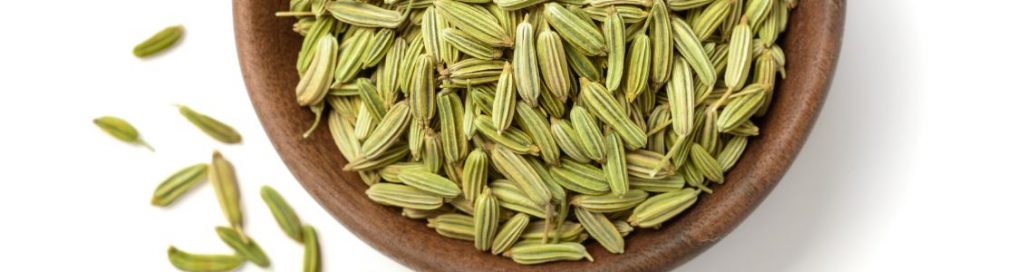
November 26, 2021 USE OF FENNEL SEEDS IN AYURVEDA Contact Us +65 6398 0415 admin@ayurvedasg.com Recent Articles Fennel or Sauf has been part of our diet in India for so long that we don’t think much about it. But fennel is not just a mouth freshener. It has manifold health benefits and is literally a treasure trove of nutrients like Vitamin C, Vitamin E, Vitamin K, and minerals like Calcium, Magnesium, Zinc, Potassium, Selenium, and Iron. It also contains antioxidants such as polyphenol and is a rich source of fiber. Fennel seeds or Foeniculum vulgare is native to South Asia and the Mediterranean region. They belong to the same family as cumin, coriander, and parsley. Here are some of its therapeutic benefits: Combats bad breath The most commonly known use, munching a teaspoon of fennel seeds, can give you fresh breath instantly. Fennel boosts the production of saliva in the mouth while its anti-bacterial properties fight bacteria. It is also said to contain aromatic oils which combat bad breath. Aids digestion Every restaurant would have a tray of sugar-coated Sauf seeds, right? That is because the seeds aid digestion after a heavy meal. The enzymes in the seeds boost the secretion of digestive juices, while the anethole, fenchone, and estragole in it arrest bloating, flatulence and heartburn by acting as antispasmodic and anti-inflammatory agents. The fibre content in the seeds, on the other hand, prevents constipation and regulates bowel movements. Fennel is also considered a natural antacid. Regulates blood pressure Fennel is said to have vasodilatory and vasoprotective properties. The potassium and nitrite in it act as a blood pressure stabilizer, regulating the heart rate. Drinking fennel water is also said to slow down blood clotting and protect the heart. You can prepare fennel tea by boiling the seeds in water and consuming it daily, with additives of your choice—lime or ginger. Boosts fertility and promotes lactation While pregnant women are not advised to take fennel, lactating women are encouraged to since the anethole aids milk secretion by mimicking the properties of the oestrogen hormone. The anethole also helps regulate the menstrual cycle and boost fertility in women. This property of fennel also prevents the onset of early osteoporosis in women by strengthening the bones. For a glowing skin The antioxidant properties of fennel slow down free radicals which age the skin, giving it a youthful appearance. The minerals present in it, like potassium and zinc, can also balance the oxygen in your bloodstream. Regular consumption of fennel water is recommended for skin ailments like acne and rashes. Vitamin A in the seeds is also considered to improve eyesight and slow down the onset of diseases like cataracts. How to consume? Fennel seeds can be consumed in any form, as sugar-coated Sauf or in roasted form after meals. We can also add it to all kinds of daily dishes—even salads and sherbets. Ideally, add a few crushed seeds to your drinking water. Alternately, add roasted fennel seed powder to warm water and drink on an empty stomach. Since fennel can relax your muscles, you can also have a drink before going to bed.
USES OF BRAHMI, THE WONDER PLANT OF AYURVEDA
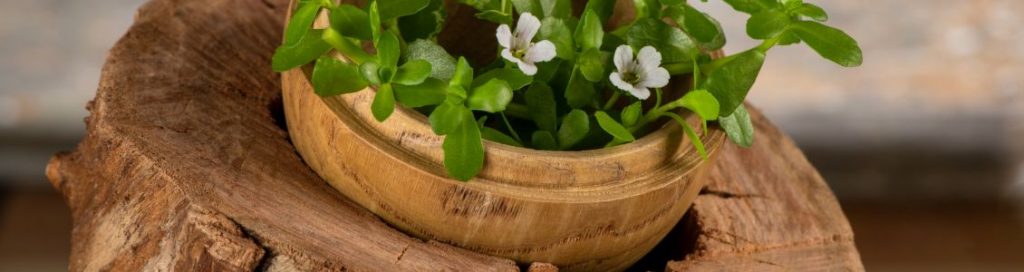
November 22, 2021 USES OF BRAHMI, THE WONDER PLANT OF AYURVEDA Contact Us +65 6398 0415 admin@ayurvedasg.com Recent Articles The treatment for some of our chronic illnesses could often be right in our backyard. One such is the wonder plant, Brahmi. The medicinal herb has been used for its various therapeutic benefits for centuries in India, but it was only recently that the world came to recognise it. Brahmi or Bacopa Monniera, also known as Water Hyssop is a tropical plant that grows in wet marshy lands. It can be grown in soil as well as water, and the entire plant is used for preparing herbal remedies. With its succulent leaves and white flowers, a Brahmi patch can be a pretty addition as well to your garden. The uses of the plant are multifarious; here are a few: As A Memory Tonic It might sound incredulous but the plant actually has the power to improve memory, concentration power and alertness, which is why students and growing children are religiously fed Brahmi. The reason for this is attributed to the alkaloids and triterpene saponins in Brahmi leaves which are said to stimulate brain chemicals. For the same reason, it is said to prevent conditions like Alzheimer’s and other diseases associated with cognitive impairment, studies have proved. Combats Stress and Anxiety Optimum levels of stress can make you productive but an overdose of it can only lead to less productivity, memory loss and poor immunity levels. Research says that Brahmi lowers the levels of the stress hormone cortisol, and thus improves your mood and induces a sense of well-being. Brahmi also lessens the effects of anxiety on the body and promotes restful sleep. As An Immunity Booster The antioxidants present in the plant can protect the body from cell damage and thus slow down ageing. The oxidative stress caused by cell damage is said to lead to diseases like arthritis, stroke and even cancer. Brahmi can prevent all these and also boost one’s immunity. The anti-inflammatory properties of Brahmi and the viral nutrients present in it can ward off infections and respiratory ailments like bronchitis, and also cold and sinusitis. As A Hair Mask Massaging the scalp with Brahmi oil or using crushed Brahmi leaves as a hair pack can add volume and strength to your hair. Combine the Brahmi leaves with henna, shikaki and amla and leave on wet hair for a few minutes. Wash off. Brahmi can also nourish the roots and form a protective layer around the hair shaft, making it thicker. It’s also said to delay premature greying of hair and help hair growth. How to Consume Brahmi If you have Brahmi plants in your garden, chew a handful of the bittersweet tasting leaves on a daily basis. Alternately, drink tea infused with the leaves. The tablets and churnas available in the market can also be consumed regularly for best results. You can also add Brahmi to everyday dishes like soups, salads, spinach etc. Consult an expert before deciding on how much should be taken as any excesses could cause nausea.
AYURVEDA IN BACK PAIN MANAGEMENT

November 18, 2021 AYURVEDA IN BACK PAIN MANAGEMENT Contact Us +65 6398 0415 admin@ayurvedasg.com Recent Articles Chronic back pain can lower the quality of one’s life, whatever one’s age. Back pain can arise from different reasons, from sitting in uncomfortable positions for long periods to lifting heavy objects, and exerting undue pressure on the back. The good news is that back pain can be managed, lessened and stopped from progressing further with Ayurveda without undergoing the knife. Here is how. Medication According to Ayurveda, every ailment is caused by an imbalance of one of the three doshas – vata, pitta and kapha. Back pain is caused by an imbalance of vata, and it is considered one of the worst of ailments, as it affects the entire body and causes immense pain. Vata imbalances can be regulated with Ayurvedic medicines that are known for the muscle relaxing and imbalance restoring properties. Drinking water soaked with Ajjwain seeds is also said to be beneficial for muscle-related ailments and pain. Massage External treatments are recommended for back pain than medication, just as physiotherapy is an integral part of treatment for spinal and back-related aches and injuries. There is a range of Ayurvedic massage therapies for every kind of body pain. Massages such as kati vasti specifically address the degeneration of the spine. It involves the massaging of heated medicated oils on the affected area to relieve inflammation, increase blood flow and relax the muscles and tendons. All kinds of back problems like spondylosis, spinal problems and those caused by abnormal postures find relief from kati vasti. Abhyangam with potali sweda and Kerala-based massage therapies like elakizhi, pizhichil and navarakizhi are also recommended for back aches. A complete Panchakarma therapy can restore a sense of well-being and vitality to the body. Regular application of Aswagandha oil is also said to ease muscle pains and soreness. Lifestyle Changes Ayurveda never treats a particular body part or disease; it always considers the entire body and the past history of the patient for effective solutions. Since back pain is a consequence of the imbalance of vata, which is essentially linked to the cold, Ayurveda recommends that patients avoid cold foods, cold drinks and also cold climates. One should always keep warm and consume hot foods while avoiding spicy and pungent foods. In order to keep warm, massage the body regularly with heated sesame oil before bath. Apart from all these, one should avoid a sedentary lifestyle, avoid stress and also sleep in a comfortable position to keep off back problems. Yoga and Breathing Exercises Ayurveda recommends daily yoga for everyone, not just those affected by any ailments, as it can keep the body supple and healthy, and the mind clear and calm. There are specific yogasanas for back pain; some of which are padahastasana and adho mukha swanasana, or the downward dog. Regular practice of yoga strengthens the muscles and the body, and a few rounds of Suryanamaskar every day itself can do wonders to the body. Analoma viloma or breathing through alternate nostrils, can combat vata-related ailments and bring balance and calm to the mind and body.
AYURVEDIC TREATMENT FOR VARICOSE VEINS

November 11, 2021 AYURVEDIC TREATMENT FOR VARICOSE VEINS Contact Us +65 6398 0415 admin@ayurvedasg.com Recent Articles Ayurveda is a system of medicine based on the premise that every human body is made up of a combination of the three doshas in different ratios – Vata, Pitta, and Kapha. An imbalance of these causes diseases. Varicose veins are caused by an imbalance of the dosha ‘Vata.’ Varicose translates to ‘swollen’ and is a condition affecting the legs. The blood vessels in the legs become too weak to pump the deoxygenated blood back to the heart, resulting in the dilation of the veins. In Ayurveda, varicose veins are referred to as Siraja Granthi. The common symptoms of varicose veins include discolored and bulging veins in the legs, numbness, and fatigue. It is usually found in people who stand for a long time – inside the house as part of cooking, in professions like teaching, people who consistently lift heavy weights, etc. There is no complete cure for varicose veins, but the sooner it is diagnosed, the better it can be addressed and arrested Ayurveda has different forms of treatment for varicose veins. The ancient system of medicine goes for a holistic approach towards health – combining physical, mental, and spiritual well-being. Thus, the treatment could involve diet changes, medication, massage, and in some cases, leech therapy. Diet Changes Food is medicine, according to Ayurveda, and consuming the right foods and avoiding problematic foods can help reverse, remove or reduce your ailments to a very great extent. Those affected by varicose veins are advised to avoid fried and sugary foods, carbohydrates, and spicy and sour foods. Since Vitamin K is beneficial for easing varicose veins, patients should consume foods rich in nutrients, like leafy vegetables, nuts, and fibre-rich foods. Vitamin C helps in reducing inflammation, and thus citrus fruits and peppers are also recommended. Garlic is also said to have blood-thinning properties. All these foods improve circulation as well. Medication The patient would be administered ‘kashayas’ containing herbs with anti-inflammatory properties like Eranda, Guduchi, and Punarnava, and blood purifiers like Sariva, Manjista, and Mandookaparni. Massage Abhyanga, which is a full-body massage with herb-infused oils, has been shown to reduce the body’s blood pressure. This, in turn, reduces varicose veins. Regular massage also eases the swelling and pain associated with varicose veins. Ayurveda also advocates the regular practice of yoga which not only improves circulation but prevents varicose veins. Leech Therapy Leech therapy might sound bizarre, but the procedure has been found to be beneficial for varicose veins. This should be tried only with the help of an authorized Ayurveda practitioner. As part of the process, a leech is made to bite the affected part and suck the blood for a specified amount of time. The timing is crucial, and the leech should not be allowed to remain beyond the time. The bite will be painless, and also leech saliva is believed to have blood-thinning properties. Even after the leech is removed, there might be bleeding for a while, but this is harmless, and by the end of the procedure, the patient would experience significant relief in the affected area.
5 BENEFITS OF ALMONDS ACCORDING TO AYURVEDA
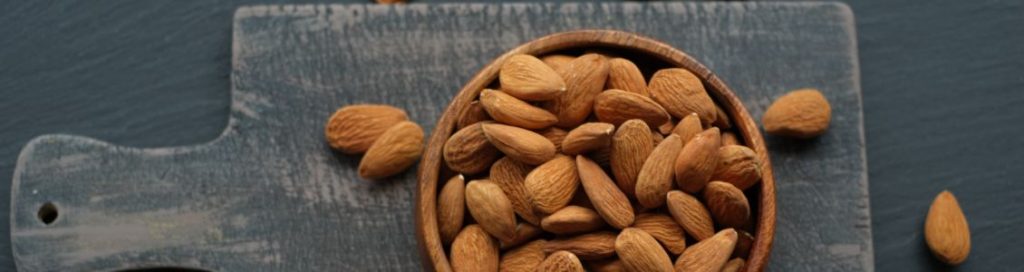
November 11, 2021 5 BENEFITS OF ALMONDS ACCORDING TO AYURVEDA Contact Us +65 6398 0415 admin@ayurvedasg.com Recent Articles Badam or almond is a superfood in Ayurveda, and it has been part of the daily diet of Indians from time immemorial. The ancient texts of Ayurveda mention the nutritional and medicinal benefits of Ayurveda in detail – how it helps energy levels, fertility, and a sense of well-being besides balancing vata and pitta. This is also why almonds continue to be the most popular gift during festivals and other occasions. Here are five benefits of almonds Aids in Weight Loss According to Ayurveda, almonds produce ojas or energy, which is considered the finest by-product of digestion. Its high-protein, low-carb properties are also said to aid metabolism. What you eat matters as much as what you don’t eat when you are trying to lose weight. Being protein-rich, just a handful of almonds can make you feel full, and there are few chances of overeating later. Almonds are also full of fiber and monounsaturated fat, both of which can satiate hunger pangs, leading to weight loss eventually. Helps Heart Health The monounsaturated fat in almonds is healthy and good for the heart. It can also lower bad cholesterol. Almonds are also said to add to lean muscle mass, thus preventing the accumulation of unhealthy fat in the body. This is a reason why it has been an all-time favourite among bodybuilders. For Skin and Hair Health Almonds are packed with protein, vitamin E, and healthy fats, all of which add sheen to your skin and hair. The anti-oxidants present in it slow down aging, while the magnesium present in it is considered excellent for hair. Magnesium and copper produce melanin, which in turn prevents premature greying of hair. Linoleic acid, a kind of essential fatty acid present in almonds, helps prevent skin dryness. Above all, a face pack made of crushed almonds in milk has been a time-tested method to remove tan and boost the skin’s glow. Massaging new-born babies with almond oil has been a time-honoured tradition in India, as it makes the skin smooth and bright. For Fertility The Omega-3 fats, vitamin E, and magnesium in almonds are said to have aphrodisiacal properties. This is probably why almonds in milk are served to the brides and grooms during their wedding ceremony in India. It can also increase the sperm count and quality in men while the healthy fats boost fertility in both men and women. Almonds can regulate sugar levels in the body and improve insulin resistance, which helps conditions like PCOS. As Brain Food Daily consumption of a handful of soaked almonds is recommended for growing children, as they can boost memory and alertness. The Vitamin E in almonds repairs the brain cells and arrests the onset of conditions like dementia. Almonds can be consumed in any form, and the ideal quantity is a handful a day. They can be ground to a paste, roasted, or soaked in milk or water. Since they are rich in magnesium, a sleep enhancer, taking them before going to bed is a good choice.
TOP USES OF TRIPHALA IN AYURVEDA
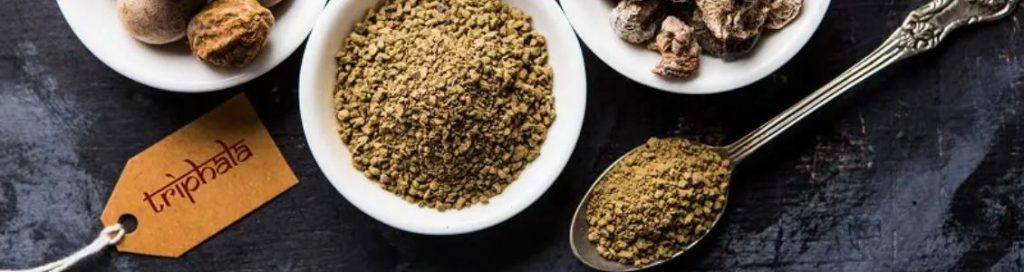
November 8, 2021 TOP USES OF TRIPHALA IN AYURVEDA Contact Us +65 6398 0415 admin@ayurvedasg.com Recent Articles Ayurveda is probably the oldest system of medicine in the world, going back to several thousands of years. For the same reason, it relies on medicinal herbs and prevention of diseases more than the cure. According to Ayurveda, the key to health is the balancing of the three doshas of the body. One of the staples in Ayurveda which is believed to balance all three doshas is the wonder drug Triphala, which literally translates to ‘three fruits’. Triphala is a combination of three fruits which have immense therapeutic benefits. The three fruits all of which are available in India are: the Indian gooseberry (Emblica officinalis), belleric myrobalan (Terminalia bellirica) and the black myrobalan (Terminalia chebula). The Indian gooseberry or amla as it is commonly called is by itself a treasure-house of nutrients. The small green fruit is rich in Vitamin c, minerals and amino acids and has high immunity boosting properties. It is even believed to help prevent cancer, even. Amla extract has been proven to inhibit the growth of ovarian cancer cells while the gallic acid present in the fruit improves the absorption of blood sugar. For the same reason, consuming amla on a daily basis, either pickled or raw, is a common practice in India and highly recommended. Above all, dried amla can add sheen and strength to one’s hair when applied as a paste or mixed with carrier oils on the hair. The black myrobalan or haritaki has anti-oxidant and anti-inflammatory properties and can relieve constipation and stomach related ailments. The belleric myrobalan or Bibhitaki is a fruit used for preventing bacterial and viral infections. Bibhitaki is also believed to help diabetes and blood sugar, and together these three fruits can boost one’s general health in multiple ways in the form of Triphala. Triphala is believed to prevent premature aging, as it boosts the production of collagen, besides speeding up the healing of wounds on the skin. It can be a powerful laxative when consumed in larger quantities. A regular detox of the stomach is often recommended with Triphala, and the process is believed to rid the stomach and the body of toxins. It has also been found to regular bowel movements and ease symptoms of gastrointestinal diseases. Consuming Triphala powder on a daily basis can also aid weight loss, especially stubborn belly fat. Studies also show that Triphala reverses the effects of extreme stress on the body, while its anti-inflammatory properties relieve symptoms of rheumatoid arthritis. The benefits of Triphala for dental health are also manifold. Its antimicrobial properties can prevent gum inflammation, and the formation of cavities. Triphala is being used in mouthwashes outside India as well today and also to treat periodontal disease, gingivitis, plaque and sores in the mouth. At the same time, if one is taking allopathic drugs, one has to consult an expert Ayurvedic practitioner to make sure there are no harmful interactions. Triphala is not recommended for patients who take blood thinners and certain antidepressants, neither for pregnant women or lactating mothers. Triphala is available in different forms, as powder, capsule or in liquid form and should ideally be taken on an empty stomach. The powdered variety can be mixed with ghee, warm water or honey.
FIVE AYURVEDIC TREATMENTS FOR COUGH AND COLD

November 8, 2021 FIVE AYURVEDIC TREATMENTS FOR COUGH AND COLD Contact Us +65 6398 0415 admin@ayurvedasg.com Recent Articles Ayurveda is an ancient science which relies on medicinal herbs and holistic lifestyle changes for treating diseases. People from all over the world turn to Ayurveda to address diseases ranging from common cold to terminal illnesses. Here are five common Ayurvedic remedies for symptoms of cold and cough: 1) Tulsi leaves Tulsi or the holy basil can be found in every garden and is called the ‘queen of herbs’ for a reason. Chewing fresh Tulsi leaves or sipping warm Tulsi tea can ease symptoms of cough, cold and a congested nose. Tulsi tea can be made easily by brewing a few leaves in boiling water. Let it sit for a few minutes. Alternately, inhale steam from water ingested with Tulsi leaves. Chewing a few leaves every day is also believed to boost immunity and keep away infections. 2) Ginger Ginger is believed to have anti-oxidant and anti-inflammatory properties. Fresh ginger tea can have a similar effect on cough and cold. Infuse crushed or sliced ginger into boiling water to make ginger tea. Add a pinch of lime and pepper for additional the benefit of loosening the mucus. A concoction of ginger and honey can also relieve symptoms, especially when taken at night, before going to bed. Also used in in Ayurveda are herbs like Mulethi, Pippala, Sonth, Giloy etc. to treat infections. 3) Gargling salt water Gargling twice or thrice a day with warm salt water can ease the most severe of sore throats and congestion. Gargling just before going to bed can guarantee sound sleep free of symptoms. 4) Steam Inhalation Steam inhalation is a grossly underestimated treatment in the treatment of cold and chest infections. One can do this at home using a vapouriser or by boiling water in a suitable vessel. Never add store-bought balms into the water, add ginger or Tulsi instead. Pranayama, a kind of a deep breathing exercise which needs to practise to be perfected, also works wonders for ailments related to the nose and chest. The controlled breathing exercises when done regularly increases lung power over a period of time, clears air passages and can relieve cold symptoms. Alongside Pranayama, regular practice of Yoga is also advocated in Ayurveda, which can strengthen the body and mind, leading to better immunity in the long run. 5) Nasyam Nasyam is a more intensive treatment method for nasal congestion, sinusitis etc. and should be practised only with the help of experts. Medicated oils or powders are administered into each nostril via a pipe after a face and neck massage. Nasyam might seem uncomfortable during the process but it can clear the nasal passages completely of mucus. Do not try this at home, as contaminated liquids in the system can do more harm than good. Ayurveda also advocates that one keeps away from cold foods like curd and buttermilk when affected by a cold, especially at night. Sip hot liquids throughout the day, instead.
AYURVEDA TO FIGHT HAIR LOSS
October 27, 2021 AYURVEDA TO FIGHT HAIR LOSS Contact Us +65 6398 0415 admin@ayurvedasg.com Recent Articles Hair plays a big part in our appearance and personality, so much so that it also has a psychological hold on us. A ‘bad hair day’, in fact, is one where nothing seems to go right. So we lavish care on it, copy popular styles or go against them, are ‘carefully careless’ about it and spend considerable time thinking about how to keep it healthy and beautiful. Remember “Hair Is Everything” (as in from Fleabag?). Hair is basically a dead protein. But it is like a seed, it responds well to the care that we give it. Hair loss is a natural thing that everyone goes through, no matter how healthy our scalp. It is a cycle of growing, falling out and regenerating. Losing between 50 to 100 strands of hair daily is normal. Hair loss occurs when new hair does not grow once hair has fallen out. Why does hair loss occur? This could be caused by a variety of factors from hereditary, age, hair treatments, tight hairstyles, ailments, stress, pregnancy, hormonal or thyroid imbalance, unhealthy scalp, medication or external factors, such as the quality of water or pollution. Ayurveda and Hair According to Ayurveda, hair is considered a by-product of the bone tissue, known as the asthi. People with excess pitta (muscular body types with oily skin) are more prone to premature hair thinning, greying, and hair loss and this is aggravated by hot weather, food that is too spicy, salty and sour food, tea, coffee, alcohol, meats and smoking, augmented by the earlier mentioned factors. So the first thing would be to watch out for the triggers that cause hair fall. Once you are able to zoom into what might be the reason behind it, try to work on making the necessary changes. There are Ayurvedic tonics that can be recommended by physicians. How to combat hair fall the natural way?Food is medicine, according to Ayurvedic principles, and nothing beats a healthy diet. A diet rich in iron and protein, which includes leafy vegetables, nuts rich in omega-3, beans and eggs, is ideal. A mild shampoo with natural ingredients, such as amla, shikakai, hibiscus and fenugreek, prevent hair loss and promote growth, and is also good for combating premature aging. These also make for amazing hair conditioning ingredients. If you are a die-hard hair fan, see if you can source the ingredients and do DIY versions of the shampoo or conditioners. They can be a bit messy, but once you get used to it, they can even be fun to do, once in a way, and more rewarding than their store bought counterparts. But the age-old custom in Indian homes, of massaging warmed up oil before a bath, is one of the best methods to prevent hair loss. It is a safe and comparatively inexpensive practice that most mothers start us off on from babyhood. The Ayurvedic bhringaraj oil is popular in different forms, and can be mixed with coconut, sesame, almond oils, and can be gently massaged into the hair roots. The difference it makes to the hair is almost instantly visible.
HONEY AND ITS AYURVEDA RECOMMENDATIONS
October 27, 2021 HONEY AND ITS AYURVEDA RECOMMENDATIONS Contact Us +65 6398 0415 admin@ayurvedasg.com Recent Articles A common joke about food is that anything that tastes good is probably unhealthy for you. Thankfully, honey goes against this thumb rule. Known as madhu in Ayurvedic texts, this sweet substance is considered a superfood – apt, also because it is the only food, which when stored properly can last forever without spoiling – offering medicinal benefits through internal and external applications. In combination with other ingredients and on its own, honey is used for everything from beauty potions and as a diet aid, to treating lung ailments, cough, phlegm, eye diseases, diabetes, vomiting, asthma, diarrhea, healing wounds and more. So, what is the Ayurvedic take on honey? Various types of honey are used in over 600 Ayurvedic remedies. Apart from building immunity or ojus, honey, which is sweet and astringent, is also considered to help absorb the medicinal properties of other ingredients better and faster into the tissues, and stimulates the digestive fire or agni, helping break down the food we consume into nutritive and nourishing elements for the body. How is this different from other sweeteners? In Ayurveda, sweeteners, such as sugars, maple syrup and others, are considered cold and oily and dampen the digestive fire, while honey, which is warm, ignites it. So a honey-based sweet, rather than a sugar based one, is the better way to end a meal. Even jaggery and molasses are good on this account. Speaking in terms of doshas or physiological-mental break-up of each person as classified in Ayurveda, honey is known to balance the kapha-pitta doshas (kapha type is usually distinguishable as those with heavy-set bodies, which pitta is more muscular), which can be a cause for weight gain, fluid retention and allergies. How much honey can be consumed in a day?Of course, Ayurveda recommends everything in moderation and the same goes even for honey. About three teaspoons a day is a good upper limit. Honey has lekhana property which means it is good for combating cholesterol and general weight issues. The remedy is to consume a teaspoon of honey in lukewarm water on an empty stomach, first thing in the morning. For coughs, a spoon of honey, good for its natural antibacterial qualities, at bedtime is considered a beneficial remedy. It can be mixed with ghee to apply externally on wounds. But here is the catch, while the honey-ghee combo – which is a mix of warm and cold – makes for a powerful tonic, it must be carefully measured for internal consumption, or it can trigger digestive problems, manifest externally on the skin as boils and rashes, and reduce immunity. Honey and ghee should not be used in equal amounts in weight, but can be matched in volume, so a teaspoon of honey with the same amount of ghee is a nourishing substance. Honey also becomes toxic if heated, as its chemical properties change. So, baking with honey would not be a good practice. It would be best to mix honey with lukewarm water or tea. And by the same principle, it is good to store honey in a cool place or in the fridge.