
Learn more about the dhatus

April 29, 2022 Learn more about the dhatus Contact Us +65 6398 0415 admin@ayurvedasg.com Recent Articles According to Ayurveda, the human body comprises Saptadhatus, which means seven constituent elements. The dhatus are responsible for the structure of the body. They maintain the functioning of various systems, orsgans, and important parts of the body and have a vital role in developing and nourishing the body. The dhatus are responsible for the body’s protective mechanism. With the help of agni (fire), they handle the immune processes. Each tissue or dhatu is considered to be governed by one of the – Vata, Pitta, and Kapha. When one dhatu starts malfunctioning, it affects the following dhatu. Here, let’s discuss the four dhatus. Medas Dhatu Otherwise known as the body’s fatty tissues, its key function is lubrication. These tissues store excess body fat in the abdomen. As the adrenal cortex is in charge of fat metabolism, keeping your stress levels under check is pertinent to avoid gaining weight. Also, this is where HDL cholesterol in the body, the good cholesterol provides structure and shape. The sure sign that the Medas is nourished is that you will have beautiful hair, healthy skin and complexion, well-oiled joints, moist lips, and healthy bowel movements. On the contrary, a deficiency of Medas dhatu will make you sluggish, your metabolic fire repressed, and the metabolic activity slowed down. The digestion will become slow, and all dhatus will begin to increase. Furthermore, there will be soft tissue, especially around the abdomen. The signs of a deficit Medas dhatu include a gaunt face, dry hair or skin, and cracks over the lips and tongue point. One of the pragmatic ways to monitor Medas dhatu is done by Ayurvedic physicians by visually examining the body and checking if there is an even spread of body fat, hair, and skin. Asthi Dhatu In Sanskrit, Asthi means bones. This tissue gets nourished by Mamsa dhatu, and its key function is to hold your body erect. In old age, the bone tissue starts degenerating. Bones store minerals like calcium, magnesium, and zinc. When this tissue is nourished, your joints, bones, ankles, heels, nails, and teeth become healthy, and you will feel energetic and active. Your body will be strong too. If it is deficient, you will see cracking and inflexible joints, bone pain, nail issues, excessive hair growth, teeth issues, receding gums, sensitivity to cold and humidity, backaches, and spinal cord issues. Majja Dhatu The nervous system and bone marrow are treated as a single one in Ayurveda. Its key function is to increase the bone cavity. Balancing Majja dhatu comes from the stillness in your mind and body, while meditation and yoga are very effective practices to focus your mind and further reduce your stress level. A well-nourished optimal state of Majja means you will have soft organs, a good complexion, long rounded joints, an ability to fight ailments, and overall robust health and longevity. Signs of deficiency in asthi means you feel dizziness, lack of stability, swollen or painful joints, memory loss, fear and anxiety, shivering, ringing ears, dark circles around the eyes, stuttering, sensitivity to noise, and sleep disorders. Shukra Dhatu It is the final dhatu in the tissue formation cycle. It is also the male semen and the female egg, as it contains the essence of all the other dhatus of the body. Reproduction is its key function. The primary element in producing Shukra dhatu is water, the key nourishment of the body and dhatus. Rasa dhatu or lymph is the first level, and it contains micro-nutrients, while Medas dhatu is considered more refined and stores the energy of water as body fat. Furthermore, only the most nourishing foods nourish Shukra dhatu, including milk, meat juice (bone broth), ghee, and nuts. A well-nourished Shukra means you will have delicate features, beautiful eyes, teeth, complexion, and overall appearance. Your body, too, will be strong and healthy. Suppose you have a deficiency in this dhatu. In that case, you will have trouble in conceiving (female), immature or painful ejaculation (male), sperm in urine, blood in sperm, enlarged prostate, or even may feel fear towards sex. Now that you’ve understood the various dhatus and their roles, if you feel any imbalance, don’t hesitate to consult an Ayurvedic physician.
Why you should opt for an Ayurvedic face massage
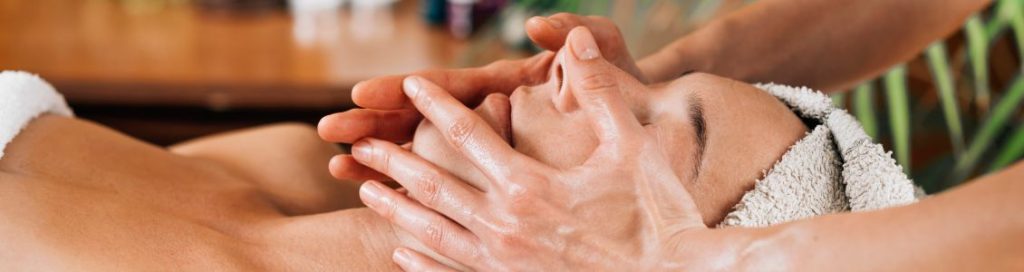
April 29, 2022 Why you should opt for an Ayurvedic face massage Contact Us +65 6398 0415 admin@ayurvedasg.com Recent Articles As we lead a hectic lifestyle, multi-tasking both in our personal and professional lives, we seldom care about our looks and health, resulting in premature aging. The burgeoning stress levels and increased environmental pollution impact our skin, especially the face. If our face is the mirror of our heart, that exhausted, dry, dull, and wrinkled face will give an impression that we are sick. It affects our self-confidence, and that might as well reflect both in our professional and personal life. Therefore, maintaining our skin and facial glow is important. There are a lot of facials and aromatherapies available in modern-day beauty parlors. But you may spend more to sustain your looks without any great tangible benefit. Rather, if you have the option of an alternative mechanism where your skin naturally gets the much-needed rejuvenation, won’t you go for it? Ayurvedic face massages are considered the best bet to bring back the glow to your listless skin! An Ayurvedic face massage can change your look, and the positive vibes are beyond description. Now, let’s figure out how a facial massage works for you and how it works to rejuvenate your skin. Our skin has three layers: epidermis, dermis, and hypodermis. At the same time, the epidermis is the outermost layer exposed to the environment, which consists of closely packed epithelial cells and pores. The dermis, the middle layer of our skin, consists of hair follicles, oil and sweat glands, blood vessels, nerve endings, and tissues. It also has collagen and elastin fibers, which shape our skin. The hypodermis is the innermost layer, consisting of connective tissues and fat. When your face is massaged, what happens is that it initially removes the dead cells from the epidermis in addition to opening the blocked pores. While massaging, the gentle kneading and circulatory motion exercise all 42 facial muscles, making them firm and toned. Furthermore, it increases the blood flow and oxygen to the underlying layers. Massaging also allows the natural oil to get deep and nourish the dermal and hypodermal tissues. Last but not least, massaging further reduces puffiness by draining excess water and mucus from your sinuses. In short, face massages provide a youthful and exuberant look and feel through exfoliation, increase oxygen and nutrient supply to the skin, and tone the muscles. While massaging, Ayurvedic experts use only non-abrasive, herbal oils and plant-based scrubs, which are kind on our skin. These natural products are equivalent to the human skin’s pH value. Herbal oils like coconut, almond, and kumkumadi tailam hydrate your skin, thus making your skin soft and supple. It is also beneficial for dry and scaly skin. As Ayurvedic massages infuse the principles of aromatherapy, they generate a deep feeling of well-being in you. What’s more, the medicated oil molecules inhaled during the massage activate the smell receptors, which will eventually stimulate your brain’s limbic system, the part that controls appetite, emotions, and sexual drive, thus making you feel at home.
NOURISHING TISSUES THE AYURVEDIC WAY
April 29, 2022 NOURISHING TISSUES THE AYURVEDIC WAY Contact Us +65 6398 0415 admin@ayurvedasg.com Recent Articles How do we nourish the seven tissue layers, termed in Ayurveda as dhatu, for our well-being? In Ayurveda, dhatu or tissue layers or the structures that make up the body are as follows: rasa (plasma), rakta (blood), mamsa (blood), medas (fat), majja (bone marrow/nerve); asthi (nerve tissue) and Shukra (reproductive tissue). As per gastroenterologists, the time to digest food that passes through your digestive tract is from 24 hours to 72 hours. In Ayurveda, emphasis is laid on subtle digestion, which impacts everything from health to longevity to appearance and mood. The subtle digestion kicks in only after the third phase of digestion, i.e., when the food enters the large intestine. This takes an average of seven hours after your food intake. What’s more, it further takes time for our bodies, i.e., seven tissue layers, what we call dhatu, to be nourished. It is from the food only we are getting the required nourishment to all the tissues in our body. Therefore, it is important we look at what we digest, both emotions and food. Now let’s examine the first three dhatus – rasa (plasma), rakta (blood), and mamsa (blood), here. Rasa Dhatu The first tissue or Rasa dhatu is produced immediately after digestion. For, the essence of the food circulates all over the body and nourishes all the body’s tissues. This can be contrasted to the plasma part of the blood. It has a heavy nourishing water-like quality. When this tissue is nourished, you will notice that you feel pretty happy, warm, and loving at an emotional level, while intellectually, you will be in your elements, besides the strong memory. Physically too, you will have very soft, lustrous skin and talk slowly with a low and deep voice. If it is not nourished, the deficiencies you would notice include dryness in the skin, fatigue, blackouts, shivering, and excessive thirst. Rakta Dhatu The second tissue includes red blood cells, the heart, spleen, liver, bone marrow, and arteries. The second tissue moves oxygen into your cells while carrying hormones and vitamins, regulating your body temperature. It helps form blood clots and takes the waste from the liver, kidneys, and intestines. You can be easily identified when you are in an optimal state of Rakta, as you will have healthy, robust, and glowing cheeks, hands, tongue, and neck. At the same time, your nails will be a healthy pink color, your eyes will look attractive, and you will feel gentle, loving, and giving. You won’t be able to bear the scorching sun. Deficiency signs are bleeding from the nose and gums, internal bleeding, burning sensations, hair loss, skin swelling, rashes, mood swings like anger, hatred, jealousy, and the cravings you have for meat. Mamsa Dhatu Mamsa dhatu is matched to muscle tissue, ligaments, and skin. Besides supporting inner organs like the heart, lungs, and pancreas, it fosters an internal sense of strength, courage, and self-confidence. What’s more, it is nourished by the rakta or blood, while its key function is to stick to the bones and help them with movement and further give shape to the body parts. A nourished mamsa dhatu signifies that your body will be firm and muscular physically. Your posture will be excellent. You will have a firm and healthy face and neck muscles, besides a clear face and facial expressions. You will also feel the overall lightness of your body. As far as the deficiency of mamsa is concerned, you will feel pain, tics, and spasms, while your muscles will be tight or loose. Other symptoms include abscesses or ulcers, swollen tonsils, polyps, and tumors.
TAKE AYURVEDIC TIPS FOR REDUCING TRAVEL STRESS

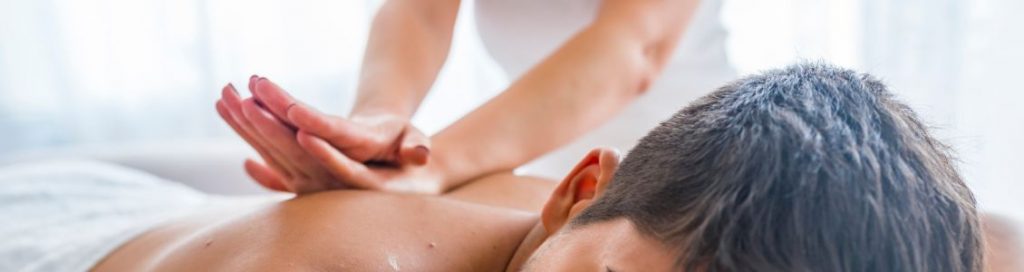
April 22, 2022 TAKE AYURVEDIC TIPS FOR REDUCING TRAVEL STRESS Contact Us +65 6398 0415 admin@ayurvedasg.com Recent Articles Due to restrictions of the COVID-19, all our travel plans were put on hold, confining our lives to our homes. Post relaxation of the lockdown, the very thought of holiday and travel is certainly a morale booster. With the pandemic on the decline and more and more markets opening up, travel and tourism are picking up once again. However, what makes a holiday so special for you is how you get away from all these rigmaroles, contemplate doing something new, and take a real break from the typical, mundane and monotonous work schedule. For that to happen, you need to plan a stress-free vacation. Realizing the imbalances travel creates, taking the requisite steps to overcome that, and minimizing travel stress are equally important to make your life a bit easier. Now, let’s see what the travel-induced imbalances are. Vata dosha controls the movements in our body, from the breath getting in and out of the lungs to blood circulation and nourishment reaching the cells. Long car rides and long-haul air travel can cause an imbalance of Vata and other doshas or conditions. When we travel long distances, the Vata gets over-stimulated, leading to difficulties. Also, when traveling in a fast-moving vehicle, the unpredictable routine aggravates a sub-dosha or sub-conditions of Vata called Prana Vata, which controls mental and emotional balance. As you constantly sit inside the moving vehicle, it disturbs Apana Vata, which controls the downward movements of elimination and purification, eventually triggering irregular bowel movements. Pitta dosha controls heat, and its sub-dosha, Pachaka Pitta, which is responsible for digestion. If you have an irregular schedule of meals and sleep, it will impact Pachaka Pitta, and subsequently, your digestion gets upset. It would be best to plan things a week before your proposed travel to stay balanced. In the first place, you need to stick to a routine to keep the Vata balanced before you kick-start your journey. It also helps you cope with stress, time pressure, unpredictability, and many other demands associated with travel. Each day, ensure that you consume food on time, with lunch during the mid-day and dinner three hours before you hit the bed. Try sleeping at least by 10.00 P.M. while ensuring continuous and uninterrupted sleep. Similarly, plan your tasks so that you don’t have to do things in haste. Before and during the travel, eat Vata and Pitta-friendly meals to soothe your bowel. Sweet lassi is an excellent lunchtime beverage that soothes your bowel. While traveling, it is prudent for you to avoid extremely sour food items, including pickles or any dish with vinegar or, for that matter, food with spices such as red chilli and pepper. Instead, try consuming sweet juicy fruits liberally, warm milk-soaked with almonds, and food with light proteins like moong dal and basmati rice. Perform a self-massage. Sounds weird? But it works. If you give yourself a daily oil massage for a minimum of a week before you commence your travel, preferably with Vata massage oil, it will do a lot of good in reducing travel fatigue. After a nice massage, take a hot shower. Soap needs to be applied only to the areas you need to use and the rest of the body. You can wipe off the oil with the help of a towel. It will allow your skin to keep absorbing the oil for a longer time. Oil massage has a host of health benefits. It helps boost the blood circulation in your body besides enhancing the mind. It also keeps your skin lubricated in addition to toning the muscles. Sitting in a cramped space for hours will trigger many issues such as aches, pains, stiffness of your body, and muscle cramps. It is here that your oil massage will come of big help in terms of minimizing all these conditions mentioned above.
Ayurveda in the management of grey hair

April 18, 2022 Ayurveda in the management of grey hair Contact Us +65 6398 0415 admin@ayurvedasg.com Recent Articles Greying hair is naturally associated with age. If natural greying of hair was common in the 40s and 50s, we see people in their 20s and 30s full of silver-grey hair. While hair colouring is seen as a one-stop-shop solution for grey hair, its long use is not advised. Rather than focusing on colouring your hair, it is prudent for you to analyse and take effective steps to reverse it. Often, premature greying of hair is either genetic or vitamin deficiency. If either of your parents has the issue of premature greying of hair, then chances are high you might as well suffer from the same issue. What with our fast-paced lifestyle, surviving on fast food, it is quite natural that you might not get the requisite vitamins. Vitamins such as B12 and B5 are essential vitamins that we need, and the lack of these can also lead to premature greying of hair. In addition to these two common types of premature greying of hair, other factors such as sedate lifestyle, anaemia, stress, overuse of salt, smoking, and consumption of alcohol in an excessive way can also lead to premature hair greying. Alternative sciences have some solutions to this issue, especially Ayurveda. Greying of hair is known as palitya in Ayurvedic parlance, which strikes at a young age due to an imbalance of pitta dosha, essentially impacting the heat balance in the body getting disturbed and triggering greying of hair. Let’s see some of the Ayurvedic solutions for the reversal of premature greying of hair. Mainly, there are three types of treatments available for premature greying of hair in Ayurveda: Nasya karma, Shirodhara, and Shiro lepa. In the Nasya karma treatment process, oil is applied to nasal roots, which is a natural therapeutic treatment for hair. In Shirodhara therapy, warm, herbal oil is poured on the forehead that will eventually relieve the stress and calm your mind. As the oil is absorbed through the scalp, it further helps you in terms of reducing your hair issues, including hair fall, dandruff, and grey hair. In the Shiro lepa therapy, a herbal paste is applied to the crown chakra, and the head is massaged in a gentle manner with medicated oils. This treatment too helps reduce hair fall and premature greying of your hair, in addition to being a stress reliever. Also, it nourishes your skin and promotes detoxification. All these pieces of information are for you to understand the issues and how to deal with them. If you want to start any of these treatment methodologies, you need to consult a qualified Ayurvedic expert. Meanwhile, there are some useful tips that are essential home remedies to treat premature greying of hair, which you can try on your own. Soak fenugreek seeds, make as paste of them with water and apply the paste mix to your scalp. Also, you may apply amla (gooseberry) powder paste, and curry leaves powder, coconut oil, and curd on your scalp. Retain it for a few hours, and then you can rinse it with cold water. Oil your hair on a regular basis, better if your oil is Ayurvedic and medicated with herbs meant to prevent greying. Ensure you consume a balanced and nutritious diet. Eventually, the premature greying of your hair can be reversed.
Managing alopecia areata through Ayurveda
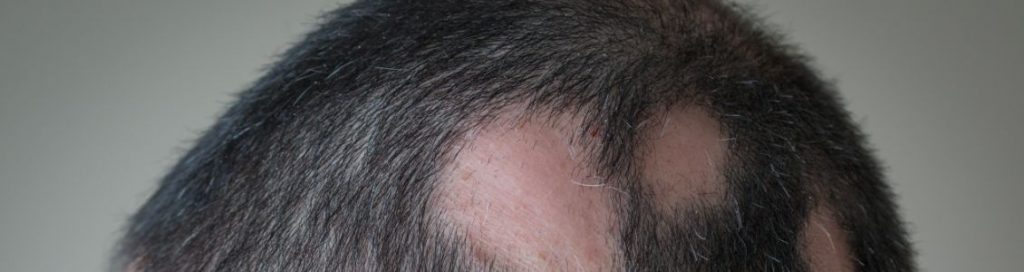
April 13, 2022 Managing alopecia areata through Ayurveda Contact Us +65 6398 0415 admin@ayurvedasg.com Recent Articles Alopecia areata in allopathic and Indralupta in Ayurveda is an auto-immune condition where hair loss occurs on the scalp in patches without any symptoms. Although this disease is prevalent in men and women, men are more affected than women. Due to cosmetic concerns, this condition has more impact and emotional issues in women and children. Western medicine uses corticosteroids to treat alopecia. However, it is not without side effects. Ayurveda offers different treatment modalities to manage various auto-immune diseases, which does not spare anyone, be they rich or poor. You may remember the unexpected turn of events at the 94th annual Academy Awards this year. There was an on-stage altercation between the host Chris Rock and renowned Hollywood actor Will Smith (who won the award for Best Actor), the former joking about the latter’s spouse Jada Pinkett Smith’s tonsured head. The spat began when Rock compared Pinkett Smith’s tonsured head to Demi Moore’s look in ‘GI Jane,’ commenting he couldn’t wait to see her in ‘GI Jane 2,’ to which Jane rolled her eyes. But it did not augur well with Smith, who walked onto the stage and slapped the comedian to the shock of thousands of people watching the event in-person and on television. Pinkett Smith suffers from alopecia areata lost lots of hair, forcing her to shave off the hair. She is not the only celebrity suffering from this condition as other actors, including Viola Davis and Tyra Banks, had undergone traumatic days with the condition. All of them attributed their hair losses due to stress. Apart from genetic factors, nutrition deficiency, stress, environment, medicines, long-term illness, thyroid dysfunction, vaccines, and fungal infections are some of the causes of alopecia areata. The symptoms include gradual thinning on top of the head, sudden hair loss, circular or patchy bald spots, and scaling patches that spread over the scalp. Ayurvedic solutions Pitta pacification is a prerequisite for the alopecia areata in Ayurveda. There are methods such as rakta moksha, nasya, lepa, and applying medicated oil, among other methods, to treat alopecia areata. In Ayurvedic terminology, rakta moksha stands for effective blood purification therapy, where the vitiated rakta or blood is removed, thus helping in neutralizing aggravated Pitta (Pitta is the hottest dosha or disease as it is associated with fire). Nasyam is a therapy where the Ayurvedic medications are sent through nasyam or nasal cavity, thus eliminating the impurities from there. Nasyam seems to be a very effective therapy for treating the sign of alopecia areata. In the lepa treatment, the patient is administered with medicated powders while the lepas helps hair growth. Medicated herbal oils known for their effectiveness in treating Alopecia areata are also prescribed. Besides these treatment methodologies, including lentils, pulses, leafy green vegetables, herbal teas, sesame and sunflower seeds, soaked almonds, soybeans, ghee, fresh juices, buttermilk, egg, and fish in the diet, too, helps in quick recovery from alopecia areata.
Pack a punch to your menu with green grams
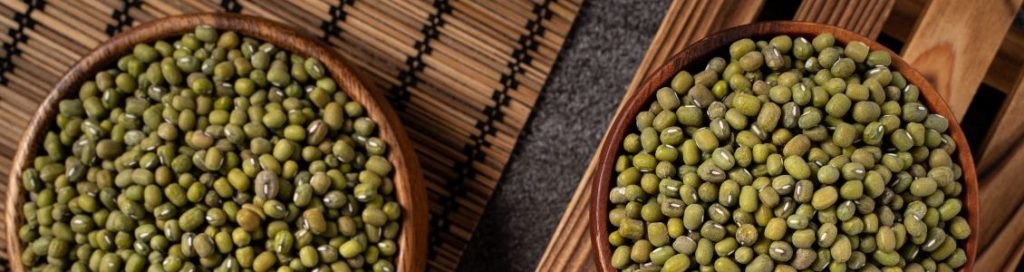
April 13, 2022 Pack a punch to your menu with green grams Contact Us +65 6398 0415 admin@ayurvedasg.com Recent Articles A meal in India is never complete without the power-packed dal curry. Considered a comfort food, different regions follow various preparation methods to make green gram a part of their daily menu. Moong beans or green gram have originated in India and have been cultivated for over 3,500 years. Its color varies from green, olive, yellow, brown, or black. Green gram is grown as a rotation crop along with rice and cereals. It has a growth period of 90-120 days. These lentils have a high amount of lysine, an amino acid. Green gram in Ayurveda Green gram is known as Mudga in Ayurveda, and it is mentioned as something that can slightly raise Vata dosha. But it is used to get rid of Kapha and Pitta dosha. Ayurveda says that green grams are good for eyesight, and it is said that the green variety is considered superior. It is a satvik legume, and it nourishes tissues, and the high fiber content helps in proper digestion. Those with ulcers can use green gram or moong beans soups and throat and eye diseases. With high fiber content and low glycemic index, moong beans are often good for people with Type 2 Diabetes. It is iron-rich and hence given to children. Since it has folate, it is good for the growth of the fetus and is used as a supplement for pregnant women. Green grams have easily digestible carbohydrates, and it causes less flatulence when compared to other legumes. The sprouted green grams are highly nutritious and increase immunity. Sprouted green grams are used in salads as it has anti-oxidant property that is about six times higher than regular beans. Green gram soup is said to reduce heat stress and fight allergies. One can use the green gram powder on the face and skin. Packs made of green gram powder brighten the skin, treat acne and relieve itchiness. Those with sensitive skin can use moong powder instead of chemical soaps. Here is a recipe using green grams that you can include in your menu to harness the superfood benefits. Moong beans or green gram Thoran Ingredients Green gram – ½ cup Cumin seeds – ½ tsp Dried red chilies -2 Turmeric powder – ¼ tsp Curry leaves – a sprig Coconut oil – 1tsp Mustard seeds – ¼ tsp Shallots – 2-3 finely chopped Garlic – 2 pods Grated coconut – ¼ cup Salt – as per taste Procedure Wash green gram thoroughly and soak it overnight for 8 hours Cook the green gram with little water for three whistles in a pressure cooker. It should be soft but not mushy. Grind grated coconut, garlic, cumin seeds, dried red chilies, and turmeric powder. Heat coconut oil in a pan, and splutter mustard seeds, curry leaves, and chopped shallots. Fry shallots till golden brown. Add the cooked beans, and mix them with ground coconut and sauté. After two minutes, turn it off. You can serve this with rotis, rice, kanji, or rice porridge.
MANAGE MENOPAUSE WITH ELAN

April 11, 2022 MANAGE MENOPAUSE WITH ELAN Contact Us +65 6398 0415 admin@ayurvedasg.com Recent Articles Women experience the end of the menstrual cycle between 45 and 55. Physicians say that when menstruation is absent in a woman in the above age group for almost a year, it can be considered menopause. The word menopause is derived from the Greek words ‘men’ (month) and ‘pausis’ (pause), which means the end of monthly cycles. In Ayurveda, menopause is called “Rajonivrutti,” meaning “the end of Artava Pravrutti” or menstruation. The reduction in the reproductive hormones in women brings the monthly cycles to a halt. While women attain menopause due to aging, surgical procedures, autoimmune diseases, malfunctioning thyroids, and specific treatments like chemotherapy can cause menopause. Menopause is often associated with a plethora of physical and emotional problems. Some of the major issues women face includes irregular menstrual bleeding, vaginal dryness, emotional turbulence, osteoporosis, and even cardiac problems. As the body goes through the transition, women experience spotting or genital bleeding. However, if women notice bleeding after menopause, they need to consult a doctor to rule out major health issues immediately. Vaginal dryness occurs because of reduction in estrogen levels. It may lead to frequent urinary tract infections, pain during sex, and vaginal irritation. During menopause, women also experience emotional troubles like anxiety, mood swings, lack of concentration, and increased or decreased sex drive. Some women also experience poor memory, which doctors attribute to reduced estrogen levels or lack of blood supply to the brain due to hot flashes. Women experience pain and rigidity in joints, osteoporosis, lethargy, backache, palpitations, tenderness in breasts, weight gain, dizziness, dry and itchy skin, urinary incontinence, irregular sleep patterns, night sweats, and hot flushes during menopause. It’s essential to have an active lifestyle to avoid cardiovascular issues during menopause. Seek help When you go through menopause, you can feel down and stressed. The fluctuating hormones can leave you baffled and if you cannot manage your menopausal blues, seek medical help. Lifestyle and diet Include an exercise regimen in your lifestyle. This would help in managing the weight and can also enhance your mood. Start morning and evening walks, including aerobic exercises like jogging and strength training. Increased levels of stress can give rise to cortisol which will worsen the symptoms. Stay calm and try yoga and pranayama for better results. You should try including foods that are rich in calcium and vitamin D. Dairy products like yogurt, curd, cheese, oily fish, cod liver, green leafy vegetables like kale, and spinach should be included. Include loads of protein and lentils in your meal. Ayurveda emphasizes the role of herbs and spices in food. Cardamom, cumin, cinnamon, and ajwain are beneficial for the body. Fenugreek seeds, amaranth, and black sesame have high calcium and iron content. Eat timely meals and avoid inconsistent or erroneous diet practices as they may deteriorate the condition. Drink plenty of water so that it helps weight loss, reduces dryness, and averts bloating. Ayurvedic ways to manage menopause Ayurvedic physicians prescribe Panchakarma procedures like vasti, virechana, and nasya to manage the symptoms of menopause. Your Ayurvedic physician will be able to advise Ayurvedic medicines to stop excessive bleeding and control hot flashes and vaginal dryness. There are arishtams and lehyams to manage the hormonal imbalance, which would help cope with the mood swings. Ask your Ayurveda doctor. Some women experience dry and itchy skin and excessive hair loss during menopause. Consult an Ayurvedic physician so that they can assess your health and prescribe medicated oils to manage skin and hair issues. Though the mention of menopause triggers many unwelcoming signs, with a positive attitude and support of family, friends, and Ayurvedic consultation, you will be able to have a smooth transition of this phase.
FIVE STEPS FOR EASY DIGESTION

March 31, 2022 FIVE STEPS FOR EASY DIGESTION Contact Us +65 6398 0415 admin@ayurvedasg.com Recent Articles Ayurveda is all about listening to nature and taking care of you based on the dosha. Ayurveda considers food as a way to get swasthyam, and hence besides what we eat, how we eat also becomes essential. Ayurvedic practitioners suggest practicing five steps to improve digestion. If you are suffering from bloating, acidity and indigestion, include the steps one at a time. In a week, you’ll notice a change for the better. Start one habit on day 1 and move on to 2, 3, and 4 while following the previous steps. Our digestion has a direct relationship with our emotions. Emotional eating or bingeing is harmful. Do not eat when you are angry, bored, or depressed. When you are emotionally charged, you will not be able to have proper digestion. Instead of resorting to emotional eating, process your emotions. You can meditate, journal, talk to a friend or go for a walk. Mindful eating: Start eating by offering gratitude for your food. You can close your eyes and say thanks. By tapping your thumb or alternate nostril breathing, you can calm your system. Do not multitask while eating. Do not talk or scroll through messages on the phone. Chew your food well and engage all your senses and enjoy every morsel. Timing of the meal: Everyone has a natural rhythm to their bodies. Eat your meals on time. It is said that your largest meal should be lunch when the sun is at its peak because digestion is said to be strongest then. Make your dinner a light one and eat it at least 3 hours before bed. Avoid snacking and leave a gap of four hours between meals. Avoid cold liquids: Consume food at room temperature. You can sip hot water or warm liquids while having food. But do not consume large quantities of liquids along with food. Combo matters: Some fruits cannot be eaten along with food. When incompatible foods are combined, it is said that they would turn toxic to the body. Fruits should be eaten alone, either one hour before or two hours after food. When combining two fruits, always combine sweet with sweet and sour with sour and not vice-versa. Spices: Include spices that can improve metabolism. Spices like ginger, cumin, cinnamon, and black pepper are known as hot spices that suit Vata plus Kapha body types. Cooling spices for Pitta are coriander, cilantro, cardamom, and clove. Now that you’ve understood the five steps of healthy eating don’t wait further. Give a beginning today!
GET RID OF CRACKED HEELS WITH AYURVEDA
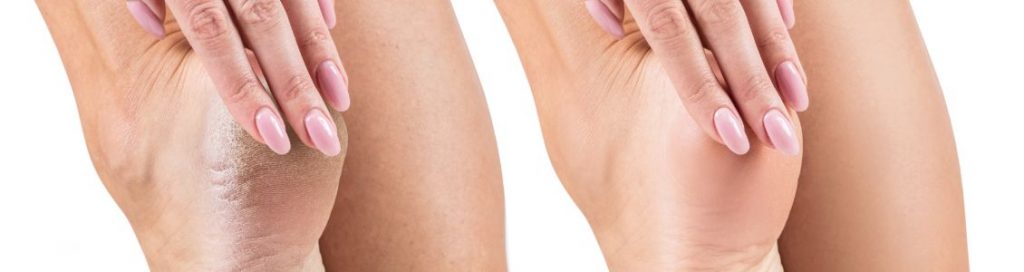
March 31, 2022 GET RID OF CRACKED HEELS WITH AYURVEDA Contact Us +65 6398 0415 admin@ayurvedasg.com Recent Articles Cracked heels are a common foot problem that can occur in adults and children. But often, it affects women more than men. Ayurveda says that heels appear cracked when the skin becomes dry and rough, and it is due to Vata dosha. Known as “kshudra roga” (diseases with not many complications) in Ayurveda, cracked heels are also one of the major beauty problems. These fissures or cracks appear when the skin becomes extremely dry. It worsens the thick, brittle calluses on the heels. Standing and walking can add pressure to the brittle skin. Tiny cracks appear on the skin. But this cannot be written off only as a beauty problem as some people develop deep cracks that are painful and get infected with or without bleeding. When the weather turns dry and cold or dry and warm, your feet are prone to crack under pressure. Ayurvedic physicians opine that walking barefoot and long distances can create an imbalance of Vata and cause cracked heels. Dry and cold weather can worsen the vayu in the body and trigger cracked heels. Such weather can make the existing cracks on heels worse. The Vata dosha can dry up the sweat glance, and lack of sweating causes skin dryness. People with dry skin tend are prone to develop cracked heels. Excess pressure on the feet due to overweight or obesity is also a reason for cracked heels. Ayurvedic home remedies for cracked heels Remove thick, dead skin on the heels with a pumice stone. Avoid wearing thin-soled and open back footwear. You can try medicated herbal balm or herbal moisturizing lotions. Since the skin on the feet doesn’t have oil glands, apply herbal moisturizing lotion before going to bed and wear cotton socks. It helps to have soft skin. Reduce weight and avoid standing for a long time. Do not cut the hard edges of the skin with a blade or knife. Diabetic patients should consult an Ayurvedic physician if the cracks exist for a long time and notice color changes. Ayurveda advices practicing Vata balancing for dry skin. Replace sugar with jaggery and avoid refined flours like white and corn flours. Avoid potatoes and brinjal while adding generous onions and garlic to the diet. Use cow ghee and sesame oil instead of other cooking oils. Ayurvedic physicians will prescribe medicated oils or tailam for external application to improve the skin. Wear cotton socks for better air circulation and soft-heeled slippers.