
Ayurveda may help avoid surgeries for back pain
November 29, 2022 Ayurveda may help avoid surgeries for back pain Contact Us +65 6398 0415 admin@ayurvedasg.com Recent Articles Back pain is one of the leading causes of disability worldwide. However, Ayurvedic measures can help relieve and even prevent most back pain episodes, says Dr. V.C. Ajith Kumar, Director and Principal Consultant of Ayush Ayurveda, Singapore. Back pain can affect people of all ages for different reasons. Dr. V.C. Ajith Kumar, Ayurveda Doctor at Ayush Singapore, says, “As people get older, there is a greater chance of developing lower back pain. Factors like previous occupation and degenerative disk disease are major reasons for back pain.” Chronic back pain can impact the quality of one’s life, whatever one’s age. “From sitting in uncomfortable positions for long periods to lifting heavy objects and exerting undue pressure on the back- all can cause back pain. The good news is that surgery is rarely needed to treat back pain. With Ayurveda, back pain can be managed, lessened, and we can stop it from progressing further,” says Dr. V.C. Ajith Kumar, Ayurveda Doctor at Ayush Singapore. Vata dosha According to Ayurveda, diseases are caused by an imbalance of the Tridoshas – Vata, Pitta, and Kapha. Dr. V.C. Ajith Kumar, Ayurveda Doctor at Ayush Singapore, says back pain is due to Vata imbalance. Vata imbalance is quite bad as it affects the entire body and causes immense pain. “We recommend Mahanarayana tailam, Asthavargam, Triphala Guggul, Lakshadiguggul, and Yogarajagugul, among to treat Vata imbalance, says Dr. V.C. Ajith Kumar, Ayurveda Doctor at Ayush Singapore. Ayurvedic massages Dr. V.C. Ajith Kumar, Ayurveda Doctor at Ayush Singapore, says that external management is recommended for back pain than medication. Physiotherapy is integral to back pain treatment of spinal and back-related aches and injuries. “Many Ayurvedic massages are available to manage various kinds of body pain. Kati basti (kati vasti) specifically addresses the degeneration of the spine. It involves the massaging heated medicated oils on the affected part to relieve inflammation, relax the muscles and tendons and increase blood flow,” says Dr. V.C. Ajith Kumar, Ayurveda Doctor at Ayush Singapore. Kati basti relieves problems like spondylosis, spinal problems, and those caused by abnormal postures. Abhyanga with pottali sweda and Kerala-based massage therapies like elakizhi, pizhichil, and navarakizhi are prescribed for backaches,” says Dr. V.C. Ajith Kumar, Ayurveda Doctor at Ayush Singapore. He adds, “A complete Panchakarma therapy can reinstate well-being and vitality in the body. Regular application of Aswagandha oil is also seen to ease muscle pains and soreness.” Diet and lifestyle for Vata Dr. V.C. Ajith Kumar, Ayurveda Doctor at Ayush Singapore, says that Ayurveda never treats only a particular body part or disease. “We consider the entire body and the patient’s history before starting the treatment. As back pain is due to the imbalance of Vata, we recommend patients avoid cold foods, drinks, and cool climates. Drinking water soaked with Ajwain seeds is beneficial for muscle-related ailments and pain,” says Dr. V.C. Ajith Kumar, Ayurveda Doctor at Ayush Singapore. About the Doctor V.C. Ajith Kumar is a veteran of Ayurvedic Medicine. With over 32 years of experience treating patients using the ancient science of Ayurveda, Dr. V.C. Ajith Kumar is well-known in India and abroad. A Bachelor of Ayurvedic Medicine and Surgery (BAMS) from Ayurvedic College Coimbatore, India in 1988, V.C. Ajith Kumar was mentored by his guru Bhramasri Ashtavaidyan Vaidyamadam Valiya Narayanan Namboothiri. Dr. V.C. Ajith Kumar perfected the science of Ayurveda by staying with his guru for four years and became an expert in Ashta Vaidya, particularly in the Vaidyamadam tradition. V.C. Ajith Kumar had worked for a year at Coimbatore Ayurvedic College and subsequently 14 years as a Medical Officer with the Tamilnadu Government Medical Service. In 2004, he moved to Malaysia and served as a Senior Ayurvedic Consultant with Promotil Ayur Health Centre Sdn Bhd. In 2008, Dr. V.C. Ajith Kumar established Ayush Ayurvedic Pte Ltd in Singapore to offer traditional Ayurvedic treatments to the people there. He adds, “Try to keep warm and take hot foods. Avoid spicy and pungent foods. Daily oil massage for the body can do wonders in Vata. We at Ayush Singapore prescribe the suitable oils for patients. We also recommend avoiding a sedentary lifestyle, stress and avoiding sleeping in the daytime, says Dr. V.C. Ajith Kumar, Ayurveda Doctor at Ayush Singapore.
Treating Thyroid Issues with Ayurveda

November 29, 2022 Treating Thyroid Issues with Ayurveda Contact Us +65 6398 0415 admin@ayurvedasg.com Recent Articles Thyroid issues are very common, and many suffer from thyroid disorders. A woman is five to eight times more likely to have a thyroid condition than a man, says Dr. V.C. Ajith Kumar, Director and Principal Consultant of Ayush Ayurveda, Singapore. A thyroid gland is a butterfly-shaped gland that on the neck’s front. The thyroid is just below Adam’s apple, along the front side of the windpipe. Dr. V.C. Ajith Kumar, Ayurveda Doctor at Ayush Singapore, says that any irregularity in the thyroid can result in hyperthyroidism, hypothyroidism, goiter, Graves’ disease, and thyroid cancer, among others. He adds, “Thyroid has an important role in the endocrine system. Its primary function is to manage metabolism by producing and releasing metabolic hormones. The thyroid is a very sensitive endocrine gland, and it reacts to stress very fast, thus hindering thyroid hormone production.” Hypothyroidism Dr. V.C. Ajith Kumar, Ayurveda Doctor at Ayush Singapore, says hypothyroidism is characterized by sudden weight gain. “The body’s immune system may weaken, and the patient may have swelling and cramping in the feet. Constipation, swelling of the face and eye, rough and dry skin, and inconsistent menstrual cycle, and rough and dry skin are also common in hypothyroidism. In many, it can even lead to depression,” explains Dr. V.C. Ajith Kumar, Ayurveda Doctor, Ayush Singapore. Hyperthyroidism Dr. V.C. Ajith Kumar, Ayurveda Doctor, Ayush Singapore, says, “We have observed that hyperthyroidism is very common in women in their 20s. Increased appetite, weight loss, excess sweating, muscle weakness, increased heartbeat, and sleep loss are common symptoms of hyperthyroidism.” Thyroid treatment in Ayurveda As per Ayurveda, the thyroid imbalance is when the body’s Ojas is depleted. “Some early signs of thyroid issues are chronic fatigue, tiredness, and a weak immune system. Hence, early detection of thyroid can reduce the risk as Ayurveda can easily treat it, says Dr. V.C. Ajith Kumar, Ayurveda Doctor, Ayush Singapore. “At Ayush Ayurveda, Singapore, we don’t prescribe one single medicine for a dosha to all patients. The treatment is customized and focused on removing the root cause of the illness. Since the Vata dosha in the body causes thyroid issues, we advise patients to have a diet that doesn’t increase the Vata dosha in the body,” says Dr. V.C. Ajith Kumar, Ayurveda Doctor, Ayush Singapore. Thyroid diet In Ayurveda, the diet has a major role. “We recommend fiber-rich foods like spinach, beans, legumes, and bananas. Also, it’s important to consume food at regular intervals. We advise going for small quantities instead of having a heavy meal. Jalkumbhi and drumstick improve iodine levels in the body, and Dhaniya (coriander) and Jeerak Siddha Jala are good for recovery from swelling. Ginger is also good for the thyroid. One can boil ginger in water and drink it like tea,” says Dr. V.C. Ajith Kumar, Ayurveda Doctor, Ayush Singapore. He adds, “In thyroid issues, it is recommended to avoid raw vegetables, particularly cauliflower, kale, and broccoli. We advise people to avoid all forms of processed sugar. A fruit a day, especially bananas, is very good.” A lack of vitamin D can aggravate thyroid problems. “Early morning sun exposure is a good way to address the deficiency. Regular outdoor exercise helps stimulate thyroid glands and improve immunity,” says Dr. V.C. Ajith Kumar, Ayurveda Doctor, Ayush Singapore. “We at Ayush Ayurveda, Singapore, often prescribe Trikatu, Shilajit, Triphala, Shankapushpi, and other herbs. Panchakarma (body massage and detoxification), Nasya, Dhara, and Shirodhara are also prescribed for certain thyroid disorders. However, it’s important that one consult an Ayurveda doctor before starting any Ayurvedic medication,” says Dr. V.C. Ajith Kumar, Ayurveda Doctor, Ayush Singapore. About the Doctor V.C. Ajith Kumar is a veteran of Ayurvedic Medicine. With over 32 years of experience treating patients using the ancient science of Ayurveda, Dr. V.C. Ajith Kumar is well-known in India and abroad. A Bachelor of Ayurvedic Medicine and Surgery (BAMS) from Ayurvedic College Coimbatore, India in 1988, V.C. Ajith Kumar was mentored by his guru Bhramasri Ashtavaidyan Vaidyamadam Valiya Narayanan Namboothiri. Dr. V.C. Ajith Kumar, perfected the science of Ayurveda by staying with his guru for four years and became an expert in Ashta Vaidya, particularly in the Vaidyamadam tradition. V.C. Ajith Kumar had worked for a year at Coimbatore Ayurvedic College and subsequently 14 years as a Medical Officer with the Tamilnadu Government Medical Service. In 2004, he moved to Malaysia and served as a Senior Ayurvedic Consultant with Promotil Ayur Health Centre Sdn Bhd. In 2008, Dr. V.C. Ajith Kumar established Ayush Ayurvedic Pte Ltd in Singapore to offer traditional Ayurvedic treatments to the people there.
Can We Manage Vertigo With Ayurvedic Treatments?

November 29, 2022 Can We Manage Vertigo With Ayurvedic Treatments? Contact Us +65 6398 0415 admin@ayurvedasg.com Recent Articles Are you someone who experienced dizziness and a feeling that the world around you are spinning? You are not alone. Studies say that over 56% of the population experience such episodes. Dr. V.C. Ajith Kumar, Director and Principal Consultant of Ayush Ayurveda, Singapore, says vertigo is a symptom rather than a condition. “Patients feel a sensation that they, or the environment around them, is moving or spinning. In some people, it’s barely noticeable, while in others, it may be so severe that they find it difficult to keep their balance and do daily tasks”. Dr. V.C. Ajith Kumar, Ayurveda Doctor, Ayush Singapore, says that though vertigo is not a life-threatening illness, it can severely impair a person’s quality of life due to the nature of the condition. “Patients will feel their world is constantly spinning, especially when they get up after lying down or sudden head movements. Patients with vertigo are prone to suffer falls and injuries. In elderly people, care should be taken not to leave them alone,” adds Dr.V.C Ajith Kumar, Ayurveda Doctor, Ayush Singapore. The loss of balance is often accompanied by giddiness, sweating, nausea, headache, and other sensations. What causes vertigo? Dr. V.C. Ajith Kumar, Ayurveda Doctor, Ayush Singapore, says there are several reasons for vertigo. “The most common is due to a fluid imbalance in the ear. This can be due to ear infections, colds, and sinusitis. Lack of proper sleep, stress, anxiety, migraine and weak eyesight, side effects of medications, or age-related issues can also cause vertigo Can we treat vertigo with Ayurvedic treatments? Dr. V.C. Ajith Kumar, Ayurveda Doctor, Ayush Singapore, says that according to Ayurveda, vertigo is caused by the imbalance of Vata and Pitta doshas. “We, Ayurveda doctors at Ayush Singapore, look at ailments holistically, and our treatments are always multi-pronged,” says Dr.V.C Ajith Kumar, Ayurveda Doctor, Ayush Singapore. For vertigo, Ayurveda primarily recommends changes in diet and sleep routine. Dr. V.C. Ajith Kumar, Ayurveda Doctor, Ayush Singapore, recommends, “Avoid fried, spicy, and sour foods. One should also stay away from cold and fermented foods. We recommend that patients avoid excess dairy and meat at Ayush Ayurveda, Singapore. A stomach detox and a light diet could do wonders for one’s entire body and improve health in general. Those suffering from vertigo should sleep early and go to bed at a fixed time every night. One should sleep for at least eight hours.” Dr. V.C. Ajith Kumar, Ayurveda Doctor at Ayush Singapore, says that the best medicine for vertigo is to restore the balance in the ear, and for it, sleep is crucial. “Do not get up suddenly. Instead, turn to your side gently and sit up for a while before standing while waking up,” suggests Dr.V.C Ajith Kumar, Ayurveda Doctor, Ayush Singapore. Ayurvedic Medications Dr.V.C Ajith Kumar, Ayurveda Doctor, Ayush Singapore, says that the common Ayurvedic herbal medicines used in the condition include Triphala, Guduchi Kashaya, Amalaki, Ashwagandha, Yavasa, Haritaki, Sariva, Giloy, and Pitpapda. “Brahmi, Sankhupushpi, licorice, and Vacha are other herbs available in our garden, and all have anti-inflammatory and stress-relieving properties.” Panchakarma treatment at Ayush Singapore The objectives of Ayush Ayurveda Singapore are to maintain and promote health, prevent illness and cure disease, highlights Dr.V.C Ajith Kumar, Ayurveda Doctor, Ayush Singapore. “In Ayurveda, one’s body, mind, and soul are innately connected. And most of the illnesses of today’s world are caused or aggravated by stress and anxiety. We advocate deep breathing and meditation for vertigo to relax the mind. There are also specific yogasanas to ensure Vata-Pitta balance. But we recommend patients to do them under supervision,” says Dr.V.C Ajith Kumar, Ayurveda Doctor, Ayush Singapore. Besides these, Dr.V.C Ajith Kumar, Ayurveda Doctor, Ayush Singapore, explains how Panchakarma therapies help treat vertigo. “One should always do Panchakarma under the recommendation of certified Ayurvedic medical practitioners. Shirodhara and massages for the head and neck and whole-body massage are prescribed to increase blood circulation and reduce vertigo symptoms. In Shirodhara, medicated herbal oils are poured onto one’s forehead, and it calms and relaxes the body and mind,” says Dr.V.C Ajith Kumar, Ayurveda Doctor, Ayush Singapore. About the Doctor V.C. Ajith Kumar is a veteran of Ayurvedic Medicine. With over 32 years of experience treating patients using the ancient science of Ayurveda, Dr. V.C. Ajith Kumar is well-known in India and abroad. A Bachelor of Ayurvedic Medicine and Surgery (BAMS) from Ayurvedic College Coimbatore, India in 1988, V.C. Ajith Kumar was mentored by his guru Bhramasri Ashtavaidyan Vaidyamadam Valiya Narayanan Namboothiri. Dr. V.C. Ajith Kumar, perfected the science of Ayurveda by staying with his guru for four years and became an expert in Ashta Vaidya, particularly in the Vaidyamadam tradition. V.C. Ajith Kumar had worked for a year at Coimbatore Ayurvedic College and subsequently 14 years as a Medical Officer with the Tamilnadu Government Medical Service. In 2004, he moved to Malaysia and served as a Senior Ayurvedic Consultant with Promotil Ayur Health Centre Sdn Bhd. In 2008, Dr. V.C. Ajith Kumar established Ayush Ayurvedic Pte Ltd in Singapore to offer traditional Ayurvedic treatments to the people there.
Treatment for joint pain at Ayush Ayurveda Singapore
November 28, 2022 Treatment for joint pain at Ayush Ayurveda Singapore Contact Us +65 6398 0415 admin@ayurvedasg.com Recent Articles Knee and other joint pains have become very common and even the young people are complaining of the same. With sedate lifestyles and obesity, a large number of people suffer joint pain. Dr.V.C Ajith Kumar, Director and Principal Consultant of Ayush Ayurveda, Singapore, Little India Brach explains the reasons and management of joint pains in the Ayurveda way. Excess uric acid Dr.V.C Ajith Kumar, Ayurveda Doctor, Ayush Singapore says that high uric acid affects the health of one’s joints. Conditions such as gout are major causes of the deposit of uric acid crystals in joints. Therefore, it is vital to control uric acid levels in the body, thus preventing inflammation and pain in the joints. Dr.V.C Ajith Kumar adds, “Uric acid is a natural waste product produced in the body while digesting food with purines, including fish, seafood, alcohol, and more. Even though there is a natural mechanism in our body to filter out uric acid, excess production of the same can create health issues.” At Ayush Singapore, a team of doctors work under Dr.V.C Ajith Kumar’s able supervision. “We recommend lifestyle changes such as exercise and consumption of healthy food. But if you are already affected by the excess deposit of uric acid in the joints, we have effective solutions to manage the same,” says Dr.V.C Ajith Kumar. Ayurvedic medicines and herbs are clinically proven to reduce knee and joint pains. We, at Ayurvedic Singapore offers such herbal management for acute knee and joint pain patients, says Dr.V.C Ajith Kumar. Punarnava Kadha According to Dr.V.C Ajith Kumar, an expert in Ayurveda from Ayurveda Singapore, drinking plenty of water hydrates the body and helps keep uric acid in check. “When uric acid is on the rise, there will be inflammation in your joints, which is a fair indication of the accumulation of fluids and toxins in your joints. Punarnava Kadha not only decreases inflammation in joints as per the medicinal properties but also removes toxins through urine. Punarnava is considered to remove fluid, and the regular intake of this herb under medical supervision is likely to reduce the overall inflammation in the joints,” says Dr.V.C Ajith Kumar. Gugul Dr.V.C Ajith Kumar is considered one of the best Ayurvedic doctors in Singapore. He says that there are many varieties of Gugul available, which are used to produce herbal medications. According to Dr.V.C Ajith Kumar, Gugul is considered a painkiller as it not only reduces joint pain but also works on controlling uric acid deposits on your joints, thus reducing inflammation. According to Dr.V.C Ajith Kumar, Guduchi, another herb is the major ingredient for excessive uric acid production in your joints. “Guduchi helps reduce the level of Pitta in your body. Besides balancing Pitta and Vata dosha and reducing the uric acid quantity in your blood, Guduchi also reduces pain and inflammation of your joints,” says Dr.V.C Ajith Kumar. About the Doctor Dr. V.C. Ajith Kumar is a veteran in Ayurvedic Medicine. With over 32 years of experience in treating patients using the ancient science of Ayurveda, Dr. V.C. Ajith Kumar is well known in India and abroad. A Bachelor of Ayurvedic Medicine and Surgery (BAMS) from Ayurvedic College Coimbatore, India in 1988, V.C. Ajith Kumar was mentored by his guru Bhramasri Ashtavaidyan Vaidyamadam Valiya Narayanan Namboothiri. Dr. V.C. Ajith Kumar, perfected the science of Ayurveda by staying with his guru for four years and became an expert in Ashta Vaidya, particularly in the Vaidyamadam tradition. Dr. V.C. Ajith Kumar had worked for one year in Coimbatore Ayurvedic College and subsequently 14 years as a Medical Officer with the Tamilnadu Government Medical Service. In 2004, he moved to Malaysia and served as a Senior Ayurvedic Consultant with Promotil Ayur Health Centre Sdn Bhd. In 2008, Dr. V.C. Ajith Kumar established Ayush Ayurvedic Pte Ltd in Singapore with an aim to offer traditional Ayurvedic treatments to the people there.
Leucorrhoea Management The Ayurvedic Singapore Way
October 26, 2022 Leucorrhoea Management The Ayurvedic Singapore Way Contact Us +65 6398 0415 admin@ayurvedasg.com Recent Articles Leucorrhoea is a condition among females where a greenish, yellowish, or white fluid discharges from vaginas. According to the expert at Ayurveda Singapore, this discharge, possibly a sign of an infection, originates from the vagina, ovaries, cervix, or fallopian tubes. If this condition is a sign of infection, the likely symptoms include greenish or yellowish discharge from the vagina, with odor. In this case, the expert at Ayurveda Singapore says that the patient experiences itching, irritation in the vaginal area, abdominal pain, or even tissue inflammation. If it is not a sign of infection, leucorrhoea is experienced during menstruation or during pregnancy. In a few rare patients, abnormal leucorrhoea is also reported due to infections caused by bacteria, yeast, or micro-organisms. Leucorrhoea can also be caused due to sexual intercourse with those having viral or bacterial infections such as gonorrhea or chlamydia. The expert at Ayurveda Singapore says that it is normal for the body to produce a small amount of fluid that comes through the vagina. During the middle of your menstrual cycle or ovulation, the discharge turns out to be thinner and stretchy, like the whites of an egg. As per the expert at Ayurveda Singapore, leucorrhoea can be physiological and pathological. The physiological aspect is that this condition occurs naturally due to the secretion of the vagina,, mostly during hormonal changes among young girls. This condition is usually seen in women who are sexually aroused or at the time of early stages of pregnancy. It is also a sign of puberty in girls. The expert at Ayurveda Singapore continues, “The pathological aspect happens due to underlying condition, and the vaginal discharge will be of different colors such as greenish or yellowish. The fluid emanates a foul smell and needs medical attention to prevent the infection from spreading. The associated conditions include cervicitis candida and trichomonas vaginitis, adds the expert at Ayurveda Singapore. Lower back pain is the key symptom of cervicitis, accompanied by cervical irritation. It can be due to sexually transmitted diseases or an allergy to intrauterine devices used for contraception/ any other type of contraception. Candida or vaginal yeast, which is also called candidiasis, is frequent among diabetic women, in addition to those patients who use antibiotics or contraceptive pills. Also, changes in vaginal pH are associated with the relevant component. This can also be caused by improper hygiene. The expert at Ayurveda Singapore explains, “Trichomonas vaginitis or trichomoniasis is characterized by a frothy yellow discharge with an itchy feeling. The main reasons are due to sexually transmitted diseases and unhygienic conditions. The affected will expereince symptoms for three to twenty-eight days following the infection.” Explaining the condition in Ayurvedic Parlance, the expert at Ayurvedic Singapore says the terminology used for leucorrhoea is ‘Shweta Pradara.’ This condition is caused due to the imbalance in Kapha dosha, which impairs Rasa Dhatu, or Nutrient Plasma in Allopathic terms present in the vaginal tracts. This leads to a painless whitish discharge from the vagina, says the expert at Ayurveda Singapore. Thanks to the vitiation of Kapha dosha and suppression of urges of vomiting and breathing, Vayu also gets aggravated. Eventually, this will take Kapha to lodge in sites of Apanvarta in the hips, bladder, thighs, and vagina. Management of the condition According to the Ayurveda Singapore expert, purification therapies such as nabhivarti, nabhilepan, yonidhavan, to alleviate the condition of leucorrhoea dhupana and pichu are recommended. “What happens is that this targets the vitiated doshas in the vaginal area and helps to clear out the impact of aggravated Kapha dosha. Furthermore, Ayurveda also recommends the intake of medications such as ashokarishta, chandanasava, pushyanuga churna, bola parpati, and more, which would eventually help establish a balance between doshas. The line of treatment for leucorrhoea is completely natural,” says the expert at Ayurveda Singapore.
Ayurvedic Singapore’s Take On Managing IBS
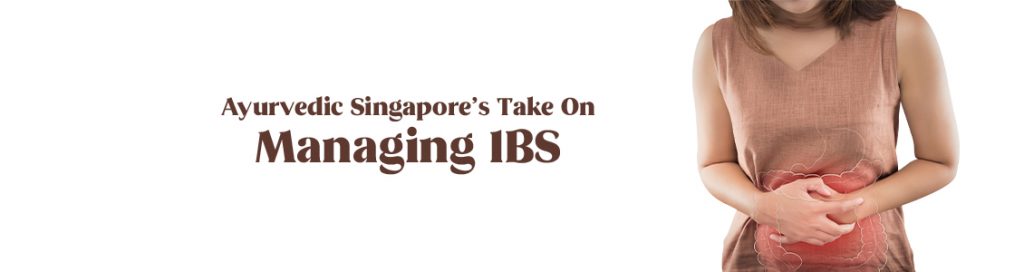
October 26, 2022 Ayurvedic Singapore’s Take On Managing IBS Contact Us +65 6398 0415 admin@ayurvedasg.com Recent Articles IBS, or Irritable Bowel Syndrome, is common these days. It is a gastrointestinal disorder in which the patient gets excessive gas, cramps, and irregular bowel movements. According to an expert from Ayurvedic Singapore, factors leading to IBS include dysmotility, visceral hypersensitivity, and brain-gut dysfunction. The pain may reduce after passing gas or bowel movement. In some cases, food passage slows, and stools become hard and dry. In Ayurvedic terminology, according to the expert at Ayurvedic Singapore, the jargon for IBS is Grahani. What triggers grahani are the aggravation of doshas in the body, a misled digestive system, and the accumulation of toxins. Subsequently, this condition will lead to complications, including skin diseases, anemia, edema, abdominal tumor, anorectal disorders, and abdominal pain. Explaining what causes IBS, the expert at Ayurvedic Singapore says that many factors can aggravate this condition. But the common ones are caffeinated beverages, chocolate, broccoli, cabbage, oily foods, sugar-free sweetners, cauliflower, alcohol, mushroom, beans, and medications with caffeine. Treatment As per the expert at Ayurveda Singapore, the treatment for IBS is by calming irritated bodily energies, restoring digestive system function, and flushing out the toxins from your body. As stress is a common cause of IBS, lifestyle advice and Ayurvedic herbs to feed the nervous system are critical therapeutic options. Treatment in Ayurveda includes panchakarma procedures such as abhyanga, Shirodhara, and chakrabasti. Additionally, Ayurvedic herbs are recommended to promote digestion and the elimination of toxins. Home Remedies The expert at Ayurveda Singapore suggests five Ayurvedic home remedies to help solve IBS. Chamomile Chamomile has excellent properties in treating Grahani. The expert at Ayurveda Singapore says, “It has potent pain-relieving, carminative and anti-spasmodic properties. Chamomile not only treats the digestive issues of IBS but also alleviates the anxiety and stress component that can aggravate the symptoms.” It also effectively relaxes the intestines and treats diarrhea, abdominal cramps, flatulence, and dyspepsia. When brewed tea, the herb uplifts stressful conditions that can cause IBS. Aloe Vera Aloe Vera is a colorless gel extracted from the juicy aloe vera leaves, one of the most potent remedies for IBS. Aloe vera juice’s anti-bacterial and anti-inflammatory properties play a crucial role in treating constipation and diarrhea. The expert at Ayurveda Singapore adds, “Consuming it regularly helps reduce gastrointestinal inflammation, abdominal pain, and flatulence that leads to IBS.” Ginger The pungent-smelling root of the Zingiber Officinalis plant offers extensive relief from gastrointestinal irritation. The expert at Ayurveda Singapore says, “Ginger strengthens the stomach muscles and helps calm the pain and inflammation in the gut. Furthermore, it reduces the backflow of stomach acid into the esophagus and prevents acid reflux and indigestion.” Fennel Seeds Also known as a carminative and anti-inflammatory herb, Fennel has a distinct taste that aids digestion. The potent wound healing and soothing properties relieve stomach pain, indigestion, and flatulence. The expert at Ayurveda Singapore recommends, “Soak the fennel seeds in water overnight, and have the water the following day. Regular intake of this fennel water eases pain and prevents symptoms related to ulcerative colitis.” Turmeric Turmeric has extensive anti-inflammatory properties. The range of active constituents in turmeric makes it highly useful in case of flare-ups and in treating abdominal pain and discomfort. It gets appropriately absorbed when fresh turmeric pieces are taken with jaggery or added as a powder to a specific diet. It attenuates the various underlying symptoms of IBS, says the expert at Ayurveda Singapore.
Ayurvedic Singapore Talks About Herbs To Improve Immunity In Polycythemia
October 26, 2022 Ayurvedic Singapore Talks About Herbs To Improve Immunity In Polycythemia Contact Us +65 6398 0415 admin@ayurvedasg.com Recent Articles Polycythemia Vera in modern medicine is termed leukemia or blood cancer. According to an expert from Ayurvedic Singapore, the bone marrow produces an excessive number of red blood cells, thus causing the blood to become very thick, resulting in clots, which in turn causes a stroke or heart attack. Vera is considered a primary Polycythemia, where there is also secondary Polycythemia. An Ayurvedic Singapore expert says that secondary Polycythemia symptoms include appropriate hypoxia, lung disease, high altitude, cyanotic heart disease, and carbon monoxide poisoning, in addition to inappropriate EPO-secreting tumors. Symptoms According to the expert at Ayurvedic Singapore, the symptoms include headache, shortness of breath, double vision, sweating (especially during the night time), dizziness, loss of weight, pain, and swelling in the joint, especially in the big toe. The expert at Ayurvedic Singapore adds that there would be itchiness, especially following a warm bath or shower, bleeding or bruising (minor). Fatigue is a feeling of numbness, tingling, burning, or weakness in the hands, feet, arms, and legs, and bloating in the upper abdomen due to an enlarged spleen. Herbal Remedies Ayurveda always tries to understand the root cause of a disease condition and to begin treatment. According to the Ayurvedic Singapore expert, therapy addresses the doshic variations by strengthening the body tissues or dhatus. As Ayurveda believes in dosha vriddhi and datubala haani, treating the root cause of the infection is of paramount importance in this branch of science. The expert at Ayurvedic Singapore says, “In short, imbalanced tridosha (three doshas) such as Vata, Pitta and Kapha accounts for polycythemia vera with a predominance of Pitta dosha. Blood production and color are contributed by rakta dhatu.” Many herbal medicines are available in the market, such as navkarshik churna, pitta balance capsule, curcumin capsule, neem capsule, and kanchnaar guggul. Navkarshik Churna This is considered adequate in terms of purifying the blood. According to the expert at Ayurvedic Singapore, this churna helps correct the protein metabolism and further cleanses the blood. It is also effective for pain management in arthritic conditions. Navkarshik means the drug has nine ingredients: Amalaki, haritaki, vibhikati, neem, Vacha, manjishta, katuki, guduci, and daruharidra. Pitta Balance Capsule This helps to balance the aggravated Pitta. The capsule is a rich source of calcium and helps in bodybuilding, thereby boosting the immune system. According to the expert at Ayurvedic Singapore, strengthened immunity means the effective production of healthy platelets. Pitta is directly related to blood, and blood production will become perfect when Pitta is in balance. Kanchnaar Guggul Tablets Kanchnaar guggul capsule is a potent anti-inflammatory herbal formulation enriched with numerous antioxidants and possesses anti-microbial activity. It is also an excellent anti-mutagenic and is considered to have a pacifying action on all three aggravated doshas. According to the expert at Ayurvedic Singapore, the ingredients include bark of kanchnaar (Bauhinia variegata), Amalaki, haritaki, bibhitaki, ginger, black pepper, pippali and Varuna. Curcumin Capsules This is nothing but the extract from turmeric, which is a potent anti-inflammatory drug. According to the Ayurvedic Singapore expert, they help boost the immune system and further modulate it. Curcumin capsules are indicated to enhance blood circulation in the body. It is also a potent antioxidant and popular for its anti-bacterial action. It helps to relieve pain and inflammation. Neem Capsules According to the expert at Ayurvedic Singapore, these capsules are made out of standardized neem extract. It improves skin and hair health. Neem is effective in all skin ailments, including acne, eczema, psoriasis, and microbial infections. A potent anti-inflammatory drug, it helps to balance the pitta dosha and is thus an excellent blood purifier. The expert at Ayurvedic Singapore concludes by saying that the herbs mentioned above are intended to improve immunity and don’t offer a cure or treatments for blood cancer.
Ayurvedic Singapore Offers Tips To Manage Pre-Diabetics

October 26, 2022 Ayurvedic Singapore Offers Tips To Manage Pre-Diabetics Contact Us +65 6398 0415 admin@ayurvedasg.com Recent Articles Diabetes is a medical condition where the pancreas does not produce the requisite insulin. The expert at Ayurvedic Singapore says, “The complications arising from diabetes include heart disease, stroke, kidney disease, nerve damage, foot problems, eye disease, gum disease, sexual issues, bladder problems, cancer, depression, dementia, and sleep apnoea.” Type-II diabetes is the most common form, and in normal cases, this type of diabetes affects those who are middle-aged. This condition happens when the body stops producing insulin effectively, thus causing blood glucose levels to rise too high. The expert at Ayurvedic Singapore adds, “The symptoms include tingling or loss of feeling in the extremities, unexplained weight loss, blurry vision, increased urination, fatigue, inability to control the bladder, urinary tract infections, bladder infections, wounds healing slowly, hunger pangs, excessive thirst, pain or burning during urination, loss of libido, fertility issues, irritability, patches of darker skin on areas of the body that have creases, nausea and skin infections.” According to the expert at Ayurvedic Singapore, pre-diabetes is less form of the evil, yet a menace indeed. Many youths across the globe, thanks to their sedentary lifestyles and irregular diet, are on the verge of diabetes. Pre-diabetes The expert at Ayurveda Singapore says, “As far as Ayurveda is concerned, pre-diabetes is caused by an imbalance of Agni or digestive fire. Agni imbalances occur due to eating the wrong foods and living unbalanced lives. If this condition goes unchecked, most patients develop Type-II diabetes within five years.” According to the expert at Ayurveda Singapore, pre-diabetes is a condition where the blood sugar level is slightly higher than normal but not high enough to be classified as Type II diabetes. All pre-diabetic patients must make certain lifestyle tweaks, make some dietary regulations and develop a fitness routine. Common risk factors of a pre-diabetic patient include being overweight, having metabolic syndrome, those above 45 years of age or older, having a parent or sibling with Type-II diabetes, being physically inactive, having gestational diabetes in the past and having polycystic ovary syndrome (PCOS). Foods To Be Avoided Those with pre-diabetes should avoid milk, sweets, ice creams, fruit sugar, cakes, pastries, sweet biscuits, chocolates, soft drinks, condensed milk, cream, jaggery, yogurt, and more, says the expert at Ayurveda Singapore. Dietary Supplements According to the expert at Ayurvedic Singapore, herbal dietary supplements such as aloe vera, amla, cinnamon, green tea, fenugreek, neem, and turmeric are excellent for pre-diabetes patients. Also, you can increase the intake of vegetables and fruits with a low glycemic index and low glycemic load. You can try low-fat dairy products and beans. The expert at Ayurvedic Singapore says, “You can choose poultry and lean meat instead of fatty red meat or processed meat.” According to the expert at Ayurvedic Singapore, turmeric and amla help manage pre-diabetes well. Turmeric helps prevent insulin resistance among cells and acts as a channel opener for glucose, while amla helps prevent cataracts. The expert at Ayurvedic Singapore recommends, “Take 1/4 cup fresh amla juice with half a teaspoon of turmeric powder every day or a teaspoon of amla powder with half a teaspoon of turmeric powder laced in warm water.” Also, fenugreek seeds help control blood sugar and reduce insulin resistance in mild Type-II diabetic patients. “Take 2-3 grams of soaked fenugreek seeds with your meals a couple of times a day, recommends the expert at Ayurvedic Singapore.
Ayurveda Singapore Talks About Ways To Manage Common Cold
October 26, 2022 Ayurveda Singapore Talks About Ways To Manage Common Cold Contact Us +65 6398 0415 admin@ayurvedasg.com Recent Articles Common cold, as the name indicates, is also common and irritating. According to the expert at Ayurvedic Singapore, cold can occur at any time throughout the year. The most common cold is reported during winter and fall. Children will get easily affected by the common cold. Common cold can give way to many other respiratory issues if untreated, says the expert at Ayurvedic Singapore. Symptoms According to the expert at Ayurvedic Singapore, the common cold symptoms are running or blocked nose, sore or scratchy throat, recurrent sneezing, fatigue, muscle aches, loss of appetite, cough, headache, and mild fever with chills. Treatment The expert at Ayurveda Singapore offers a range of home remedies that relieve those affected by the common cold. Leaves of holy basil (Tulsi) plant mixed with an equal quantity of dried ginger powder are an excellent substitute for tea during cold and flu. This can be taken by adding milk and sugar three times a day. The expert at Ayurveda Singapore says: Juice of ginger (Adrak) and holy basil (Tulsi) one-one teaspoon (5 ml.) mixed with one teaspoon (5 ml.) honey, to be taken two-three times a day. Powder of black pepper (Marich) half teaspoon (2.5 ml.) mixed with jaggery (guda) two times a day. Small piece of Ginger (Adraka) fried in ghee, to be taken two times a day. Another popular home remedy is to take one teaspoonful of the powder or paste of turmeric to a cup of milk or fried turmeric powder with 1-2 gm of ghee mixed with hot milk thrice a day. This gives immediate relief and helps in early recovery, says the expert at Ayurveda Singapore. The expert at Ayurveda Singapore adds, “Gargle with warm turmeric powder 2-3 times a day to relieve sore throat. Drink a glass of hot water mixed with the juice of two lemons and sugar to taste. Take the same at bedtime as it gives relief from nasal catarrh. Two to three teaspoons (10-15 ml.) of fresh juice of Amla or half to one teaspoon (2.5-5 gm) powder of the same is ideal for controlling cold”. Prevention There is a gamut of ways to keep the intensity of condition levels low, says the expert at Ayurvedic Singapore. Inhale steam to relieve a stuffed nose. Pour a few drops of eucalyptus oil to hot water taken in a bowl. Cover your head and the vessel with a towel for a few minutes. Ensure that the water is not so hot as steam burns your face. The Ayurvedic Singapore expert says it can strengthen your immune system and keep you healthy. According to the expert at Ayurvedic Singapore, two plants that help you strengthen your immune system are Amla and Tulsi. She says, “ Do not overheat the room. Let the body lose heat naturally. Keep away from others who are infected with cold.” Eat a well-balanced diet and get enough rest. Take plenty of hot beverages. Soothe the throat and relieve cough with a home remedy such as lemon with honey, ginger, tulsi, warm water, etc. Above mentioned remedies may be used in small doses, says the expert at Ayurvedic Singapore.
Ayurveda Singapore Offers Treatment For Tonsillitis
October 19, 2022 Ayurveda Singapore Offers Treatment For Tonsillitis Contact Us +65 6398 0415 admin@ayurvedasg.com Recent Articles Tonsils, part of our system, work as the initial line of defence against any infection or disease. An expert from Ayurvedic Singapore says that tonsils are lymph nodes at the back of the neck and produce white blood cells to fight any health threats foraying into our system. Once these nodes get affected by some contamination by microbial activity, the condition is known as Tonsillitis. As per the expert at Ayurveda Singapore, Tonsillitis is common among children and youth. The condition results in inflammation, fever, and pain. Though Allopathic or modern medicine recommends surgery to cure this health issue, Ayurveda believes in working on the root cause of this disease and giving appropriate treatment. Symptoms According to the expert at Ayurvedic Singapore, there are a slew of symptoms if a patient suffers from Tonsillitis. The most common symptoms of Tonsillitis are swelling and redness in the tonsils, sore throat, and yellow or white patches on the tonsils. There will also be stiffness in the neck, pain while swallowing, headache, fever, tender and enlarged glands, bad breath, throaty, muffled, scratchy voice, and stomach aches. Causes The expert at Ayurveda Singapore says that Tonsillitis is caused by seasonal or everyday viral activity. In a few rare cases, Tonsillitis is also caused b bacterial activity, as streptococcus pyogenes is the most regular bacterial cause. Ayurveda Treatment According to the expert at Ayurvedic Singapore, diagnosis or close investigation of the exact causes of Tonsillitis is more critical. The Ayurvedic scriptures term this disease as Gallayu – a condition caused by poor processing and over-accumulation of toxins in the patient’s body. Changing diet and eating patterns, along with some Panchakarma therapies, is the initial treatment offered by Ayurveda. Key Steps in Ayurvedic Treatment of Tonsillitis The major steps associated with the Ayurvedic treatment of Tonsillitis, according to the expert at Ayurveda Singapore, include management of local swelling, pain, and redness; treatment of fever and inflammation caused by the infection. Diet restrictions and lifestyle adjustments to avoid any further damage to tonsils and also to restore a natural, healthy state of tonsils; last but not least is the surgery for those undergoing multiple episodes of Tonsillitis, which makes the patient’s life miserable with a slew of complications including breathing issues, swallowing difficulties, along with the accumulation of pus in the tonsils. As per the expert at Ayurveda Singapore, the treatment given to patients with Tonsillitis is the application of Sphatika (purified powder) over the affected tonsillitis area. Sphatika powder is also consumed internally. All you have to do is to consume one gram of this powder laced in lukewarm water. Agastya Rasayana is another herbal preparation recommended for those with severe Tonsillitis. One should take the dosage should be taken twice daily. Mix one teaspoon of this preparation with honey, khadiradi, vacha, yashti madhu, and kulanjana. Along with Panchakarma therapies, it gives a lot of benefits in treating Tonsillitis. Diet Plan Patients suffering from Tonsillitis must take proper care of personal hygiene, like washing their hands regularly and thoroughly to avoid any more microbes from getting into their mouths. In addition, you should also avoid sharing food, water, and sharing vessels or utensils with others. Also, spicy food, acidic food, and cool food substances are a strict no-no, says the expert at Ayurvedic Singapore. For that matter, one should avoid even sour substances such as buttermilk, curds, and ice creams. For a few days, patients with Tonsillitis should take only a liquid diet to make swallowing easy. Smokers must abstain from that habit, at least while treating this disease. Also, proper rest to the throat and less conversation help you to speed up the cure.