
Massage, herbs & more to manage varicose veins
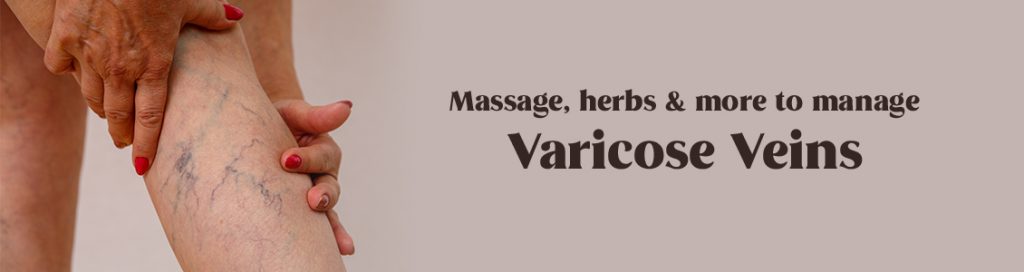
January 7, 2023 Massage, herbs & more to manage varicose veins Contact Us +65 6398 0415 admin@ayurvedasg.com Recent Articles Do you notice dark blue or purple discolouration in your legs near the calf muscle or in the other lower extremities of your body? If yes, then you are suffering from Varicosis, or varicose veins, tells Dr. V. C. Ajith Kumar, Director and Principal Consultant of Ayush Ayurveda, Singapore, Little India branch. He goes on to explain that in this condition, the veins become bloated and are predominantly visible in the legs, feet or at times even other parts of the body. “When veins become varicose, the valves in them do not work properly and this causes the blood to flow backwards. The result is engorgement of veins and pain,” enlightens the doctor of Ayurveda. Dr. Ajith Kumar expounds that this condition occurs due to various reasons like standing for prolonged periods, being obese, having a sedentary lifestyle or pregnancy. Even constipation and bloating can cause this condition, he says. “For some, the condition does not warrant any treatment but for some, the veins may be damaged or have impaired blood circulation and even clotting. These patients suffer from excruciating leg pain and great discomfort. But, both the groups have a cosmetic concern as the veins look engorged and make legs unsightly,” says the Ayurvedic physician. Ayurveda, the ancient way of treating diseases, calls this illness as ‘Siraja Granthi; (Sira is the veins and Granthi is the inflammation). According to Dr. Ajith Kumar, the condition occurs when the blood vessels are affected by Pitta dosha. Precisely at the place where the bulge occurs, Kapha and Vata dominate. Blood clots occur due to an imbalance of all three doshas. A varicose vein patient suffers from persistent pain, numbness, fatigue and bulging veins. ‘Don’t hassle’, Ayurveda has a plethora of powerful herbs which are highly beneficial in the treatment of varicose veins, consoles the doctor. Dr. Ajith Kumar proudly elaborates on the treatment for varicose veins at Ayush, Singapore. Herbal medicines at our centre are best for the veins as they reduce inflammation quickly. Thereby blood circulation improves and strengthens or repairs the veins. Varicose veins flare up if you are undergoing a stressful period. In such cases, Ayurveda is best, stresses Dr. Ajith Kumar. The herbs used in the treatment detoxify the blood, increase metabolism and promote better heart function by reducing cholesterol and opening blood clots that form due to any valve dysfunction. Here are some of the most effective ayurvedic treatments for varicose veins: Panchakarma Raktamokshana – Jaluka Charana This is a very safe therapy otherwise called Hirudotherapy, where leeches are used to treat the elongated veins that have lost their valvular efficiency, explains Dr. V. C. Ajith Kumar, the ayurvedic doctor at Ayush, Singapore. It is a very hygienic treatment where 8-10 leeches are used to suck the blood from the affected vein in the legs. The doctor says that the leech saliva has blood-thinning characteristics which prevent the formation of blood clots and also dissolve the existing ones if any. Automatically, blood circulation improves in the body. In our centre in Singapore, the treatment is given every ten days for 2-3 months and patients are closely monitored and followed up for resolving oedema and venous congestion informs Dr Ajith Kumar. Panchakarma Raktamokshana – Siravyadha In this treatment, we use a needle to remove unhealthy blood from the vein and this automatically improves blood circulation in the legs. The result is relief from pain and swelling, elaborates Dr. Ajith Kumar. “Many who come to our centre have found this very effective,” he adds. Panchakarma Basti In this treatment, oil made out of herbs is injected into the large intestine through the rectum. At our Ayurveda centre in Singapore, we allow only experts to do this procedure as it is a highly specialized procedure which reduces inflammation and repairs damaged nerves effectively, explains Dr. Ajith Kumar. Snehan Abhyanga This treatment is all about massaging the affected vein or painful area with Santhwanam oil to improve blood circulation, reduce pain and improve sleep, says the doctor of Ayurveda. Dravyaguna Now we are getting into a serious method of treating the affected veins. This method is part of Shamana Chikitsa, says Dr. V. C. Ajith Kumar, doctor of Ayurveda, Ayush, Singapore. In this treatment, herbs are used to eliminate the symptoms of the disease. Read on about the various herbs used for treatment: Gotu Kola: Improves capillary permeability, and heals wounds and ulcers. Chirabilva, Guduchi, Manjistha: Has a lot of antioxidants and heals wounds and skin disorders. Garlic, turmeric and onions are useful for treating wounds, and inflammation and improving blood circulation. Podikizhy At our centre, the patient’s body is pounded all over with a cloth bag containing herbal powder for 45 minutes. This kind of massaging the body with herbs amazingly improves blood circulation, reduces inflammation and stimulates the lymphatic system, explains Dr. Ajith Kumar of Ayush, Singapore. Pariksheda Sweda Throwing more light on the other kinds of treatments, Dr. Ajith Kumar says that Pariksheda Sweda also involves a massage where a special herb is warmed and poured all over the body. This is followed by a continuous massage to smoothen the skin and heal wounds. The Lepanam treatment is a similar one, says the physician of Ayurveda, where instead of a powder a herbal paste is heated and massaged over the varicose veins. Next, the doctor goes on about the Sweda treatment where a thick herbal paste is applied over the affected vein and left overnight for it to be absorbed inside the body. In all these treatments what is addressed is pain, swelling and inflammation, informed Dr. Ajith Kumar. In addition to all these treatments given at our centre, what can actually help a patient is a healthy diet and lifestyle changes explained the Ayurveda physician. The doctor does not recommend strenuous exercise, long-distance walking or standing for long periods. Avoid bitter, spicy foods, alcohol and caffeine, says
Ayurvedic ways to get rid of dark spots from face

January 5, 2023 Ayurvedic ways to get rid of dark spots from face Contact Us +65 6398 0415 admin@ayurvedasg.com Recent Articles Most of us would have come across dark spots or pigmentation on our faces at least once in a while. If you suffer from dark spots on your face, it’s time to find a permanent solution to get rid of it, says Dr. V. C Ajith Kumar, Director and Principal Consultant of Ayush Ayurveda, Singapore. Dr. V.C. Ajith Kumar, Ayurveda Doctor, Ayush Singapore,says every problem has a root cause, and it’s vital to understand the underlying issue to treat it. Melanin, a natural pigment, is the reason for the color of our skin and hair. Melanin also protects our skin from the harmful rays of the sun. Dr. V.C. Ajith Kumar, Ayurveda Doctor, Ayush Singapore,says, “When your skin is exposed to the sun, the cells that produce melanin escalate its melanin production. And at times, when they go overdrive, making more melanin than usual, it gives rise to dark spots. Skin pigmentation Dr. V.C. Ajith Kumar, Ayurveda Doctor, Ayush Singapore,says that skin pigmentation and dark spots are interchangeably used. Also known as hyperpigmentation, skin pigmentation is a wider term to describe dark spots or general darkening of the skin. An uneven distribution of melanin pigment on the skin can cause pigmentation. It can be due to several factors, like the sun’s harmful UV rays or hormones. Injuries and inflammation can also cause pigmentation. Common reasons for dark spots on the face and body As mentioned earlier, dark spots appear when certain skin parts produce more melanin than the other areas. Dr. V.C. Ajith Kumar, Ayurveda Doctor, Ayush Singapore, says, “Some common reasons for dark spots are hormonal changes, sun exposure, certain medications, irritation and inflammation due to some products, and diabetes.” Ayurvedic Treatments Dr. V.C. Ajith Kumar, Ayurveda Doctor, Ayush Singapore, says it is not easy to treat dark spots for intrinsic reasons like hormonal imbalance using creams. “To treat such dark spots, Ayurveda doctors identify the dosha first. Dark spots can appear when there is an imbalance of Vata and Pitta. Hence, a diet to balance the same is recommended. Drinking plenty of water and eating fruits and legumes are important.” Traditional Ayurvedic ingredients are made of herbs and oils to manage dark spots. Dr. V.C. Ajith Kumar, Ayurveda Doctor, Ayush Singapore, says that if you suffer from dark spots, you can use Kumkumadi Tailam or Nalpamaradi Thailam. Kumkumadi Tailam: Kumkumadi oil is suggested for dull, pigmented, damaged, and aging skin. To eliminate dark spots on your face, this Ayurvedic oil is highly recommended. The key ingredient of the oil is Saffron, which helps brighten the complexion of the skin and repair pigmentation. How to apply Dr. V.C. Ajith Kumar, Ayurveda Doctor, Ayush Singapore, says, “After cleaning the face, wet your skin with rose water. Take 3-4 drops of Kumkumadi oil on your palm, apply over the face with your fingertips, and massage gently. You can use it overnight for the best results.” Nalpamaradi Thailam: This is a powerful skin-enhancing and anti-tanning thailam. It has Sesame oil, Vetiver, Turmeric, and Gooseberry. Turmeric has antioxidant properties that heal pigmentation and fade marks. How to apply: Take the oil and gently massage it onto the skin, covering the affected areas. Leave the oil on the skin for 30 minutes and wash it off, concludes Dr. V.C. Ajith Kumar, Ayurveda Doctor, Ayush Singapore.
Benefits Of Jeera Water
December 30, 2022 Benefits Of Jeera Water Contact Us +65 6398 0415 admin@ayurvedasg.com Recent Articles Cumin or jeera is widely used in Indian cuisine and also in Ayurveda. Jeera water, when taken on an empty stomach in the morning, helps digestion, reduces bloating, and helps in weight reduction, says Dr. V.C. Ajith Kumar, Director and Principal Consultant of Ayush Ayurveda, Singapore. Jeera or cumin water is very easy to make. Dr. V.C. Ajith Kumar, Ayurveda Doctor, Ayush Singapore, says just put some cumin seeds in lukewarm water. Else, you can boil some cumin seeds in water and drink it warm. Drink this after lunch, and it will reduce Pitta. According to Dr. V.C. Ajith Kumar, Ayurveda Doctor, Ayush Singapore, cumin is a spice that stimulates digestive juices. “It can keep tummy troubles like acidity and indigestion at bay.” According to Dr. V.C. Ajith Kumar, Ayurveda Doctor, Ayush Singapore, “Jeera water acts as an analgesic and is especially beneficial in managing stomach pain. Cumin water fuels the secretion of digestive enzymes and speeds up the digestion process. It helps to fight gut issues.” Cumin can be used as whole seeds, powdered, raw, or dry-roasted. Weight management According to Dr. V.C. Ajith Kumar, Ayurveda Doctor, Ayush Singapore, cumin is considered to help weight management as it improves metabolism and manages cholesterol levels. Cumin is a rich source of iron and is hence useful in anemia. It helps in blood pressure as it improves blood flow and relaxes the blood vessels. Diarrhoea Dr. V.C. Ajith Kumar, Ayurveda Doctor, Ayush Singapore, says, “It is called Atisaram in Ayurveda. Improper food, contaminated water, and weak digestive fire can cause diarrhoea. The above factors can aggravate Vata, which causes fluid in the intestine from many tissues and mixes with stool. It leads to loose motions or diarrhoea. Cumin is good for managing diarrhoea as it improves Agni and controls Vata. Cumin helps to hold fluid in the intestine and lessen the frequency of motion.” Flatulence According to Dr. V.C. Ajith Kumar, Ayurveda Doctor, Ayush Singapore, gas formation is due to an imbalance of Vata and Pitta doshas. When digestion is impaired, it can cause gas or flatulence. Cumin has appetizer and digestive properties, and including cumin in the diet helps to manage weak digestion. Colic pain Dr. V.C. Ajith Kumar, Ayurveda Doctor, Ayush Singapore, says, “Colic pain is called Shula. It can be due to an increase in Vata. Cumin has Vata balancing properties, and it reduces colic pain. Dysmenorrhea According to Dr. V.C. Ajith Kumar, Ayurveda Doctor, Ayush Singapore, “Many women suffer from dysmenorrhea and experience pain or cramps during or before menstruation. Menstruation is governed by Vata dosha. So Vata should be under control in women to manage dysmenorrhea. Cumin has Vata balancing property and is good in dysmenorrhea.” How to make jeera water Boil water, add cumin seeds, and boil for a few minutes. You can also roast cumin seeds, powder them and add them to a glass of boiled water. Dr. V.C. Ajith Kumar, Ayurveda Doctor, Ayush Singapore, says, “Cumin seeds are carminative in nature and aid digestion. Chewing on a handful of cumin seeds is good after a heavy meal. If you don’t like the flavor of cumin seeds, you can drink a glass of jeera water. Drinking jeera water daily keeps your digestion healthy. About the Doctor V.C. Ajith Kumar is a veteran of Ayurvedic Medicine. With over 32 years of experience treating patients using the ancient science of Ayurveda, Dr. V.C. Ajith Kumar is well-known in India and abroad. A Bachelor of Ayurvedic Medicine and Surgery (BAMS) from Ayurvedic College Coimbatore, India in 1988, V.C. Ajith Kumar was mentored by his guru Bhramasri Ashtavaidyan Vaidyamadam Valiya Narayanan Namboothiri. Dr. V.C. Ajith Kumar, perfected the science of Ayurveda by staying with his guru for four years and became an expert in Ashta Vaidya, particularly in the Vaidyamadam tradition. V.C. Ajith Kumar had worked for a year at Coimbatore Ayurvedic College and subsequently 14 years as a Medical Officer with the Tamilnadu Government Medical Service. In 2004, he moved to Malaysia and served as a Senior Ayurvedic Consultant with Promotil Ayur Health Centre Sdn Bhd. In 2008, Dr. V.C. Ajith Kumar established Ayush Ayurvedic Pte Ltd in Singapore to offer traditional Ayurvedic treatments to the people.
Treating fungal skin infections in the Ayurveda way
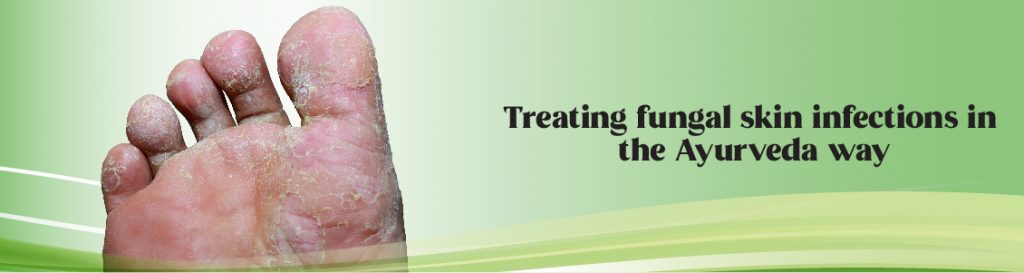
December 30, 2022 Treating fungal skin infections in the Ayurveda way Contact Us +65 6398 0415 admin@ayurvedasg.com Recent Articles However old we are, all of us want to look young. Dr. V. C. Ajith Kumar, Director and Principal Consultant of Ayush Ayurveda, Singapore, Little India Branch elucidates that it is not just your face that need to worry about aging but it’s actually the skin that has to be taken care of. How do you do this? Read on to know what the Ayurvedic doctor says. Dr. Ajith Kumar, renowned Ayurvedic doctor says, “The skin is exposed to various kinds of fungus and at times gets infected too. Millions worldwide suffer from such infections. It mostly affects areas like the feet, groin, and folds of skin, and causes rashes on the scalp. It also causes itchiness and discolouration of the skin.” In Ayurveda, fungal infection of the skin can be treated with antifungal herbs and it is the safest way as they are without side effects. It addresses the root cause of the disease Dr. Ajith Kumar, Ayurvedic doctor, says, “Patients have to modify their diet and lifestyle while taking Ayurvedic treatment for skin diseases. We, at Ayush Ayurveda, Singapore offer this kind of holistic treatment to get successful outcomes.” According to Treating fungal skin infections in the Ayurveda way, the diet should include the following ingredients. DIET The diet should include the following ingredients, says Dr. Ajith Kumar. Garlic: Its antiviral, antibacterial properties reduces inflammation. Aloe vera: Provides relief from itching and burning sensation. Turmeric: Inhibits growth of fungus. Can be used internally and externally. Amla: Activates the defence mechanism of the body Ginger: Boosts immunity. Fresh fruits: Being rich in vitamin C, Citrus fruits are beneficial for the skin. Juices: Fresh fruit juices will keep the skin hydrated. According to Dr. Ajith Kumar, Ayurvedic doctor, taking plenty of water keeps the body hydrated and wards of further infections. It is also important to avoid processed foods, oily foods and foods rich in saturated fats and carbohydrates. Dr. Ajith Kumar insists on avoiding dairy products, non-vegetarian diet, coffee and carbonated drinks. Dr. Ajith Kumar, Ayurvedic doctor says, “It is also important to keep the skin moisturized with coconut oil. As sweating will increase the infection, it is best to avoid hot climes. Loose clothes will prevent skin irritation.” Dr. Ajith Kumar elaborates about the Ayurvedic herbs used in treatment of fungal infections. Rasonam: Clears toxins from blood and lymph. Soaking your feet in garlic infused water can treat fungal infections of the feet (athlete’s feet). You can reduce fungal growth in the affected area if you apply oil, which has garlic soaked in olive oil. Adraka: Treats disorders of all 3 doshas. Affected area can be washed with garlic boiled water. Yashtimadhu: Cleanses kapha and has numerous antifungal phyto constituents. It can be boiled separately or combined with ginger. It can be had as a milk decoction, powder or ghee. Haridra: With its ability to treat psoriasis, acne and inflammation is usually consumed in the form of a milk decoction, infusion or lepa. Ashwagandha: A very effective immune-boosting herb. It manages candidiasis and any fungal infection with ease. Vasa: It is used in the form of an infusion, decoction, extract, poultice or powder for managing kapha disorders and fungal infections. Dr. Ajith Kumar says that at Ayush Ayurveda, Singapore, medicines like Hinguliya Manikyarasa, Dadrughni vati, Chandraprabha vati, Arogyavardhini vati, Kaishora Guggulu and Gandhak Rasayana are considered for the treatment of fungal infections. However, there is no one size fits all and all the medication should be taken under the supervision of an experienced Ayurveda doctor. About the Doctor Dr. V. C. Ajith Kumar is a veteran in Ayurvedic Medicine with over 32 years of experience. A Bachelor of Ayurvedic Medicine and Surgery (BAMS) from Ayurvedic College Coimbatore, India in 1988, V.C. Ajith Kumar was mentored by his guru Bhramasri Ashtavaidyan Vaidyamadam Valiya Narayanan Namboothiri. He is an expert in Ashta Vaidya, particularly in the Vaidyamadam tradition. Dr. V.C. Ajith Kumar has worked for 14 years as a Medical Officer with the Tamil Nadu Government Medical Service. In 2004, he moved to Malaysia and served as a Senior Ayurvedic Consultant with Promotil Ayur Health Centre Sdn Bhd. In 2008, Dr. V.C. Ajith Kumar established Ayush Ayurvedic Pte Ltd in Singapore with an aim to offer traditional Ayurvedic treatments to the people there.
The Ayurvedic Detox And Cleanse Diet
December 28, 2022 The Ayurvedic Detox And Cleanse Diet Contact Us +65 6398 0415 admin@ayurvedasg.com Recent Articles Detoxification protects us from diseases and helps maintain optimum health. In Ayurveda, detoxification means resting, cleaning and nourishing, says Dr. V.C. Ajith Kumar, Director and Principal Consultant of Ayush Ayurveda, Singapore, Little India. When should you go for detoxification? Dr.V.C.Ajith Kumar, Ayurvedic doctor, says that our bodies sent out signals when it is time for a detox. The common symptoms include fatigue, headache, bloating, constipation, sinus infection, joint pain, weight gain, and bad breath. According to Dr.V.C.Ajith Kumar, Ayurvedic doctor, detoxification purifies the blood. “It is achieved by eliminating the impurities from the blood and in the liver. The body gets rid of toxins through kidney, intestines, skin, lungs and lymphatic system. But when these systems are compromised, there is challenge in getting rid of the impurities. This causes health issues.” Ayurvedic detox Dr.V.C.Ajith Kumar, Ayurvedic doctor, says that people have various doshas and hence not all Ayurvedic detox are the same. “An ayurvedic detox may last from 3 days to 45 days based on the practices followed. We recommend dietary and lifestyle changes to balance the dosha, too.” Purvakarma and Panchakarma According to Dr.V.C.Ajith Kumar, Ayurvedic doctor, Purvakarma means preliminary phase. Here we tend to send toxins to the bowels and skin to be eliminated. It includes oil massage, steaming, and Shirodhara. It is followed by Panchakarma, which is an intense therapy. It rejuvenates the body and improves the detox. It has five karmas or treatments.” Dr.V.C.Ajith Kumar, Ayurvedic doctor, says that the five treatments include Virechan, Vaman, Basti, Rakta moksha and Nasya. Virechan is the treatment of cleansing using Ayuredic powders, and heated herbs. Vaman is forced vomiting or purging using medication. In Basti, massage and enema are used. In Rakta oksh, blood purification is done using bloodletting. In Nasya, herbal drops, oils and fumes are used to clear nasal paths. Dr.V.C.Ajith Kumar, Ayurvedic doctor, says that based on the dosha, they prescribe one or more of the above treatments. “Our aim is not only removal of toxins but also rejuvenate mind and body.” Diet According to Dr.V.C.Ajith Kumar, Ayurvedic doctor, each dosha type requires unique diet. “But what is common is that one should not eat food that creates a toxic build-up. It includes alcohol, red meat, processed food and excess caffeine.” While there are several detox plans scattered on the internet Ayurveda doctors at Ayush Ayurveda, Singapore, Little India, doesn’t approve of most of them. Dr.V.C.Ajith Kumar, Ayurvedic doctor, says, “Many people ask us whether they can skip meals or fast for detox. Some others want to go for liquid diets, like drinking only fresh juices. But Ayurveda does not endorse such approaches. It can cause the agni (digestive fire) to go imbalanced.” The Ayurvedic doctor says that they recommend diet depending on the dosha. “You should then consume or avoid certain foods for the detox.” Dr.V.C.Ajith Kumar, Ayurvedic doctor, says, “Detox is a great way to get back to basics. Keep things simple. Pay special attention to your diet and do not strain your digestive system. With Ayurveda, you can achieve Swasthayam.”
Ayurveda Treatment for Allergic Conjunctivitis
December 27, 2022 Ayurveda Treatment for Allergic Conjunctivitis Contact Us +65 6398 0415 admin@ayurvedasg.com Recent Articles It’s quite often that people suffer from an eye allergy. It is known as allergic conjunctivitis, says Dr. V.C. Ajith Kumar, Director and Principal Consultant of Ayush Ayurveda, Singapore. The renowned Ayurveda Doctor from Ayush Singapore adds, “Whenever our eyes get in touch with an allergen, it can cause conjunctivitis. Our body releases histamines, which cause swelling in the eye’s blood vessels.” The renowned Ayurveda Doctor says that our eyes’ whites and eyelids are shielded by a transparent layer called the conjunctiva. “When it gets swollen due to allergy, we name it allergic conjunctivitis.” Symptoms of Allergic Conjunctivitis Dr. V.C. Ajith Kumar, Ayurveda Doctor, Ayush Singapore, says, “The common symptoms of allergic conjunctivitis are redness, itching, watery eyes, swollen eyelids, and increased sensitivity to lights.” He adds, “In Ayurveda, we call allergic conjunctivitis Netra Abhishyandam. It is caused majorly by bacterial and viral infections. Sometimes, it can be due to a hypersensitive reaction to substances like dust, pollen, and chemicals, too.” He says that allergic conjunctivitis can be acute or chronic. “ But Ayurveda has effective treatment for both.” Ayurveda treatment for allergic conjunctivitis Dr. V.C. Ajith Kumar, Ayurveda Doctor, Ayush Singapore,says that Ayurveda considers allergic conjunctivitis as a result of an imbalance in Kapha and Pitta doshas. “Our eyes are managed by Pitta. But when there is an excess water element or Kapha, it starts affecting the eye health, which results in swelling, watery eyes, redness, and yellow discharge.” He adds that Ayurvedic management of allergic conjunctivitis includes internal cleansing using herbs to reduce the aggravated Kapha and Pitta doshas. “Herbal pastes and Panchakarma therapies ease the affected area. We also recommend diet and lifestyle changes.” Stay away from allergens Dr. V.C. Ajith Kumar, Ayurveda Doctor, Ayush Singapore,says that allergic conjunctivitis occurs when the air has more humidity. “It is better to prevent it and hence stay away from the causes of the disease. Maintain your eyes clean and wipe them with a clean cloth to prevent infection.” Dr. V.C. Ajith Kumar, Ayurveda Doctor, suggests some remedies that one can do at home. Cold Compress: Take a small piece of linen or cotton cloth and dip it in ice-cold water. Squeeze away the excess water and apply it over the eyes. Do it 3-4 times but with a different piece of cloth each time. Saline Solution: He recommends washing eyes regularly with saline solution. Make a solution of salt in water and use it as eyewash. The saline solution reduces irritation and inflammation. Rose Water: The Ayurveda doctor says that rosewater has anti-inflammation qualities. “Add a few drops of rose water to the infected eye twice daily. You can add rosewater over cotton balls and keep them over your eyes.” Turmeric: He says that the curcumin present in turmeric has healing properties. “Turmeric reduces irritation and inflammation of the eyes. It has antibacterial properties, too. Boil some water with one teaspoon of turmeric. Dip a piece of cotton in it and use it as a warm compress.” Triphala Powder: Dr. V.C. Ajith Kumar, Ayurveda Doctor, Ayush Singapore, says that Triphala powder addresses the root cause of allergic conjunctivitis. “However, it should be used after consulting an experienced Ayurveda doctor.”
Treating Muscle Loss With Ayurveda
December 27, 2022 Treating Muscle Loss With Ayurveda Contact Us +65 6398 0415 admin@ayurvedasg.com Recent Articles Several age-related problems affect us in various ways. “It is common to lose muscle mass and strength as we age. It is known as Sarcopenia,” says Dr. V.C. Ajith Kumar, Director and Principal Consultant of Ayush Ayurveda, Singapore, Little India. If left untreated, the muscle strength will decline linearly, and people will lose nearly 50% of its mass when they cross their 70s, adds the Ayurvedic doctor. “It is a debilitating condition and causes physical disability leading to poor quality of life and finally death.” Primary treatment “Its obvious symptoms are muscle weakness, slow walking, and difficulty performing daily activities,” explains Dr. Ajith Kumar. The renowned Ayurvedic doctor says increasing muscle strength and endurance is the only way to combat the disease. “You can achieve this by undergoing specific resistance training (will help the neuromuscular system) or strength training,” recommends Dr. Ajith Kumar, Ayurvedic doctor. Healthy diet An experienced Ayurvedic consultant, Dr. Ajith Kumar in Singapore says that one need not have to worry much about muscle loss if one follows a protein-rich diet. “The muscle loss can be slowly decreased with the help of a healthy diet,” says Dr. Ajith Kumar, Ayurveda doctor. He advocates a diet rich in proteins, omega-3 fatty acids, and vitamins to boost muscle growth. He goes on to explain how each of this help to address the disease. Diet Recommendations in Ayurveda Proteins Dr. Ajith Kumar, Ayurvedic doctor says that consuming more proteins and the amino acid Leucine will increase muscle growth. The best sources of Leucine are meat, eggs, fish, soy, and whey protein. The Ayurveda doctor adds that augmenting your diet routine with peanuts, almonds, and chickpeas is best. Vitamin D Dr. V. C. Ajith Kumar, an eminent Ayurvedic physician at Ayurveda Singapore, insists that Sarcopenia patients should include vitamin D-rich food like milk, soymilk, cheese, egg yolks, fatty fish (tuna, salmon, mackerel), and other dairy products. Calcium is needed for good bone health and is best absorbed only when the body has sufficient vitamin D. Omega-3 fatty acids Dr. Ajith Kumar, Ayurveda doctor says, “One can achieve muscle growth (strength, size, and mass) with a daily intake of fish oil extracted from fatty fish. These fish have high amounts of omega-3 fatty acids, DHA and EPA. Omega-3 supplements taken for over 16 weeks can show a significant increase in muscle growth.” Sarcopenia can be treated with Ayurvedic formulations. At Ayush Ayurveda Singapore, under the able supervision of Dr. V. C. Ajith Kumar, a team of doctors works round the clock to address the issues of Sarcopenic patients who approach them for treatment. Let us read about some of the Ayurvedic medicines suggested by the doctor. Ashwagandha According to Dr. V. C. Ajith Kumar, an eminent Ayurvedic physician at Ayurveda Singapore, making exercise a part of your routine will help to keep the disease under check. “Ashwagandha works well on the neuroendocrine system and improves the cellularity of the bone marrow helps decrease anxiety and inflammation of the joins,” says the doctor. One of the best Ayurveda doctors in Singapore, Dr. Ajith Kumar, explains the use of Shilajit in Sarcopenia. “Ayurveda medications, derived from the herbal extract of Shilajit, effectively increase muscle strength, decreases stress, increases stamina, eliminates toxins, and purify the blood,” explains the doctor. “The best part is it slows down aging, increases brain activity, and gives power to the body.”
Padabhyangam: How to treat the feet?
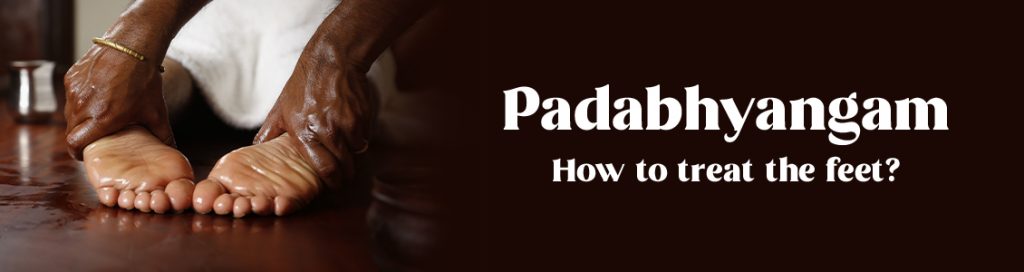
December 22, 2022 Padabhyangam: How to treat the feet? Contact Us +65 6398 0415 admin@ayurvedasg.com Recent Articles Ayurveda, an ancient healing system believes that it is at the foot the body and soul are connected. Dr. V.C. Ajith Kumar, Director and Principal Consultant of Ayush Ayurveda, Singapore, Little India, says that foot massages or Padabhyanga revitalize the energy in the body and improve blood circulation throughout the body. The veteran Ayurvedic doctor explains that this kind of treatment or Padabhyanga can be traced back to nearly 5,000 years. Nerves from almost all the vital organs end in the feet and therefore by massaging it with our hands or with an effective tool, we can render good lymph circulation, strengthen nerves, improve the skin and alleviate stress, explains Dr. V. C. Ajith Kumar, a veteran Ayurvedic physician in Singapore. Marma points The doctor, one of the best Ayurvedic physician, says that at Ayush, Singapore, the therapists bring a balance of doshas of Vata, Kapha and Pitta by stimulating vital points or marma points on the feet. What are marma points? Dr. V. C. Ajith Kumar, a veteran Ayurvedic doctor says that these are vital points on foot where the Prana dwells and is a non-invasive practice for supporting and healing the process. “Marma is a point where muscle (Mamsa), vein (Sira), ligament (Snayu), bone (Asthi), and joint (Sandhi) meet” pointed out the doctor based in Singapore. Our centre uses herbal oils, which have a high therapeutic benefit on the body. Benefits of Padabhyanga The expert Ayurvedic doctor, at Ayush Singapore points out that Marma helps to clear channels or srotas and removes toxins or ama from the channels. Just by adding the right amount of pressure on these points, we can eliminate blocked energy and move positive prana through the channels, explained the doctor. We can help patients suffering from health conditions like muscular pain, paralysis, joint pain, mental stress, and heart diseases, says Dr. Ajith Kumar. “Other conditions that can be treated with Padabhyanga are hypertension, hemiplegia, paraplegia, insomnia, depression, diabetic neuropathy, sprain, cramps, and numbness of feet and legs,” elaborates Dr. Ajith Kumar, Ayurvedic doctor. In short, it improves immunity and prevents further degeneration of nerves, says the Ayurvedic doctor. Techniques of Padabhyangam Dr. Ajith Kumar, the best doctor of Ayurveda in Singapore, says that in order to give patients maximum benefit, the foot is massaged with medicated oils. For instance, sesame oil with its antioxidant properties is easily absorbed in the skin. In our centre at Singapore, other oils that are used include Mahamasha tailam, Ksheerabala tailam, Mahanarayana tailam, Kottamchukkadi tailam, Murivenna, Pinda tailam, Tiktaka ghritam, and Guggulutiktaka ghritam, explained the Ayurveda doctor. Describing the technique Dr. Ajith Kumar says that at Ayush Singapore, their masseurs apply generous amounts of the above-mentioned oil and massage the sole, heels, and ankle joints and release the toxins in the body. “They do it for 30 minutes or up to an hour and focus on the energy points to activate them,” said the doctor. The proficient Ayurvedic doctor also highlighted that the ayurvedic treatments can be done with exclusive metal (copper, bronze, and tin) bowls to eliminate toxins from the body. Dr. Ajith Kumar says that the centre also exposes the feet to the fumes of herbal decoctions if required. Dr. Ajith Kumar, Ayurvedic doctor in Singapore advocates a 15-minute foot massage for everyone to have a good night’s sleep as it would improve cardiovascular circulation in the foot, relax the brain and calm the mind. But, Padabhyangam should not be done when you have a cold, fever, toxin-induced coma, blood infection, thrombosis, indigestion, abnormal skin condition, or any circulatory disorder of the lower limbs, alerts the doctor. Throwing more light on Padabhyangam, Dr. Ajith Kumar, Ayurvedic doctor says that it promotes healthy growth in children and prevents onset of degenerative diseases in the elderly. In short, this Ayurvedic therapy is for those who wish to rejuvenate and fortify their health. “Ensure that you receive therapy from experienced practitioners or massage therapists like us at Ayush, Singapore,” says the Ayurvedic doctor. Dr. V. C. Ajith Kumar is a veteran of Ayurvedic Medicine with over 32 years of experience in the field. He is well known in India and abroad.
Five Tips To Avoid Ama (Accumulating Toxins) During Christmas Indulgence
December 20, 2022 Five Tips To Avoid Ama (Accumulating Toxins) During Christmas Indulgence Contact Us +65 6398 0415 admin@ayurvedasg.com Recent Articles It’s that time of the year again when we indulge in festive treats. With Christmas and New Year around the corner, everyone is excited about meeting friends and families and getting together. “However, it’s also when your digestive system can play truant if not properly cared,” says Dr. V.C. Ajith Kumar, Director and Principal Consultant of Ayush Ayurveda, Singapore. Ama can develop in the digestive system due to poor digestion. “Ama in Ayurveda is a toxic substance formed due to poor metabolism. When digestion is poor, it gives rise to ama, and it causes toxins to stick to the intestine and mixes with the doshas. It is a toxic waste product of incomplete digestion,” adds Dr. V.C. Ajith Kumar, Ayurveda Doctor, Ayush Singapore. Symptoms Some signs or symptoms of accumulated ama include feeling tired, bloating, low energy levels, and chronic fatigue. With many edible delights, how can we stay away from accumulating ama? With overeating and snacking comes ama, which can weaken your immune system if left unchecked. Dr. V.C. Ajith Kumar, Ayurveda Doctor, Ayush Singapore, says that people with ama will experience joint stiffness, respiratory issues, allergen reactions, occasional constipation, or weight gain. So, what is the Ayurvedic way of getting rid of Christmas-time ama? Simple, you must keep the digestive fire, called agni, burning. When agni is strong, your body can digest food efficiently without leaving toxins. Over-indulgence in rich Christmas treats will crush your digestive agni. Agni breaks down food to nourish cells and purifies metabolic waste. But when it is weakened, the rest of the body, too, becomes weak. To avoid building up ama, the following tips will help, says Dr. V.C. Ajith Kumar, Ayurveda Doctor, Ayush Singapore. 1. Eat your main meal between 12 and 2 pm Christmas lunches are lavish affairs. But indulging in them late in the afternoon may not be a good choice. Agni is at its best, and you can digest rich, high-nutrient food midday. Hence, schedule and complete your Christmas lunch between 12 noon and 2 pm. It is better not to have a big meal for the evening as it would upset the digestive system and your sleep. It would help if you cared to have a light and easily digestible meal at least three hours before bed. 2. Don’t skip meals Having your food at fixed times helps a lot. Also, one should not skip meals as it can upset and weaken agni. Our body loves regular and small meals, around the same time, to keep the agni balanced. Dr. V.C. Ajith Kumar, Ayurveda Doctor, Ayush Singapore, says, “Eat only when you are hungry. Hunger is our body’s signal showing that the agni has processed the previous meal. When you eat, if you are not hungry, the partially processed food will get trapped, giving rise to ama.” 3. Listen to your body Dr. V.C. Ajith Kumar, Ayurveda Doctor, Ayush Singapore, says, “We advise people to listen to their bodies. Eat only if you are really hungry. Do not eat out of habit or compulsion. Also, stop eating before you feel full. The Ayurvedic rule is to leave 25% of your stomach empty at the end of a meal. One should feel satisfied but not full. This helps the digestive acids and enzymes to do their work properly.” People often ignore body signals and end up feeling bloated and tired when people surround them with conversations, drinks, and food. 4. Use herbal drinks “When you break the above rules, especially over Christmas, reach out to spices and herbs. Sip warm or hot water between meals, and drink ginger or cumin tea 30 minutes before eating or with the meal. A thin slice of fresh ginger with little lemon juice, honey, and salt is also good,” says Dr. V.C. Ajith Kumar, Ayurveda Doctor, Ayush Singapore,. 5. Exercise daily Thirty minutes of daily exercise will keep off the extra pounds and improve your agni and burn off ama. Something like a short walk after a meal is good to aid digestion and help the detox, concludes Dr. V.C. Ajith Kumar, Ayurveda Doctor, Ayush Singapore. About the Doctor V.C. Ajith Kumar is a veteran of Ayurvedic Medicine. With over 32 years of experience treating patients using the ancient science of Ayurveda, Dr. V.C. Ajith Kumar is well-known in India and abroad. A Bachelor of Ayurvedic Medicine and Surgery (BAMS) from Ayurvedic College Coimbatore, India in 1988, V.C. Ajith Kumar was mentored by his guru Bhramasri Ashtavaidyan Vaidyamadam Valiya Narayanan Namboothiri. Dr. V.C. Ajith Kumar, perfected the science of Ayurveda by staying with his guru for four years and became an expert in Ashta Vaidya, particularly in the Vaidyamadam tradition. V.C. Ajith Kumar had worked for a year at Coimbatore Ayurvedic College and subsequently 14 years as a Medical Officer with the Tamilnadu Government Medical Service. In 2004, he moved to Malaysia and served as a Senior Ayurvedic Consultant with Promotil Ayur Health Centre Sdn Bhd. In 2008, Dr. V.C. Ajith Kumar established Ayush Ayurvedic Pte Ltd in Singapore to offer traditional Ayurvedic treatments to the people.
Treating Gastritis in the Ayurveda way
December 16, 2022 Treating Gastritis in the Ayurveda way Contact Us +65 6398 0415 admin@ayurvedasg.com Recent Articles Many suffer from digestive issues like acidity, indigestion, and constipation. Often, an erratic lifestyle can lead to digestive issues. Dr. V.C. Ajith Kumar, Ayurveda Doctor, Ayush Singapore, says that the secret to healthy digestion is appropriate and balanced digestive fire (Agni). If the digestion, absorption, assimilation, and elimination take place in a balanced way, it improves the Ojas, says Dr.V.C Ajith Kumar, an expert in Ayurveda from Ayurveda Singapore. According to him, there has been a paradigm shift in our dietary habits. The consumption of highly processed foods and unhealthy eating habits has given rise to lifestyle-related issues such as gastrointestinal disorders. According to Dr.V.C Ajith Kumar, an expert in Ayurveda from Ayurveda Singapore, gastritis is a condition with an inflammation of the stomach’s mucosal lining. “If not treated properly and on time, it can lead to complications,” he says. Dr.V.C Ajith Kumar, an expert in Ayurveda from Ayurveda Singapore, continues, “Ayurveda doesn’t address the symptoms, but it goes a little deep and treats the root cause. An imbalance of Pitta can affect digestion and metabolism. Pitta influences agni, which breaksdown the food we eat. Any imbalance, weakening, or intensification of the dosha impacts the functioning of agni.” The quality of agni is different in various people, Dr.V.C Ajith Kumar, an expert in Ayurveda from Ayurveda Singapore, adds. “Those with Vata or Kapha dominance often show a weak agni, which causes slow digestion. It can manifest as metabolic disorders, diarrhea, or constipation. “ Dr. V.C. Ajith Kumar, an expert in Ayurveda from Ayurveda Singapore, says that even excess agni is bad. “Pitta-type people often complain of acidity, heartburn, GERD, and other gastrointestinal conditions. Gastritis refers to a wide range of gastro-inflammatory conditions.” Dr. V.C. Ajith Kumar, an expert in Ayurveda from Ayurveda Singapore, recommends quickly addressing the aggravated Pitta to avoid a vicious cycle of excess agni, gastritis, and damage to the stomach. Dr. V.C. Ajith Kumar cautions, “In some cases, gastritis can develop into erosive gastritis, which causes bleeding and peptic ulcer.” Dr. V.C. Ajith Kumar, an expert in Ayurveda from Ayurveda Singapore, explains, “When gastritis occurs due to pitta aggravation, it is called urdhvaga amla pitta. While Ayurveda looks at each patient differently, based on the dosha, some common things need to be addressed.” He says, “Your first aim should be to fix the diet and lifestyle part. You’ll have to avoid heavily processed foods and reduce your intake of spicy and oily food. Include Pitta pacifying spices like coriander, black pepper, cilantro, turmeric, basil, mint cumin, and cinnamon. Ingredients like amla, elaichi, haritaki, pippali, and jaiphal are used in Ayurveda to treat gastritis. Dr. V.C. Ajith Kumar, an expert in Ayurveda from Ayurveda Singapore, says, “Amla has high fibre content, and it aids in controlling overeating. It helps reduce acidity. Jaiphal, basil, and turmeric are anti-inflammatory.” Besides focusing on dietary changes and taking Ayurvedic medicines, one should focus on lifestyle changes. “Follow a schedule or dinacharya. Ensuring disciplined meal timings and practicing yoga and meditation can all help. Therapies like panchakarma are beneficial in gastritis. However, for a complete treatment plan, you consult an Ayurvedic physician to get personalized recommendations,” concludes Dr. V.C. Ajith Kumar, an expert in Ayurveda from Ayurveda Singapore.