
Restore, and rebuild nerves with Ayurveda

February 10, 2023 Restore, and rebuild nerves with Ayurveda Contact Us +65 6398 0415 admin@ayurvedasg.com Recent Articles Right from mundane activities like breathing, thinking, and feeling emotions we are guided by wire-like structures, called nerves in our body, says Dr. V. C. Ajith Kumar, Director and Principal Consultant of Ayush Ayurveda, Singapore, Little India Branch. He explains that the nerves help us to execute complex tasks like reading, walking, eating, etc. The entire network of nerves which forms the nervous system in the body plays an important role in brain growth and development, says the Ayurvedic doctor. With our fast-paced lifestyle, our life has turned dizzy. There is not much difference between holidays and work, says Dr. Ajith Kumar. “We spend a lot of time on laptops and mobiles in both places. Too much sitting or too much standing or walking has become the order of the day. Eating and sleeping at the right time are all bygones. These habits have taken a beating on the nervous system and we have to rejuvenate it time and again to bring it normalcy, says Ajith Kumar, doctor of Ayurveda. Symptoms of affected nervous system Everyday stress and unpredictable lifestyles exhaust us and weaken the nervous system. This also affects our immunity, highlights the Ayurvedic doctor. Throwing more light on the subject, Dr. Ajith Kumar says that when the nervous system is weakened it leads to serious health problems. “Not just one or two, right from a simple headache to stroke to depression, a person can experience any problem like low back pain and motor neuron disease,” says the doctor. Adding more information about some of the symptoms the doctor of Ayurveda says that all the disorders are due to a build-up of toxins (improper diet and environmental factors) in the body. At Ayush Singapore, we first look for the imbalance of the doshas of Vata, Pitta, and Kapha in the body. The functioning of the nervous system is affected by the imbalance in the vata dosha, which represents movement, says Dr. Ajith Kumar. “The wellness approach at Ayush, Singapore is to reinstate the balance of vata dosha and restore good health,” he adds. Treatment with herbs Ayurveda, the holistic science, tries to rejuvenate overall health, and its tonics work on the tissues to induce wellness in the nervous system and boost immunity, explains Dr. Ajith Kumar. The best tonic to maintain nerve health is Saraswatharishtam. The doctor of Ayurveda lists out the ingredients of this nerve tonic which helps restore the nerves in various parts of the body: Brahmi (Bacopa monnieri): Improves memory and concentration. Anxiety and depression symptoms are also addressed. Shatavari (Asparagus racemosus): Called the queen of herbs, it is a very nutritious and powerful tonic to manage depression. Haritaki (Terminalia chebula): Maintains Vata, Pitta, and Kapha Ashwagandha (Withania somnifera): Manages stress and anxiety Vacha (Acorus calamus): Balances Vata and Kapha doshas and reduces toxins in the body Madhu: Helps balance kapha and pitta doshas and strengthens the tonic’s properties. Dhataki (Woodfordia fruticosa): Maintains the immune system Benefits of Ayurvedic tonic The tonic of Saraswatharishtam is prepared in the traditional way by fermentation as this strengthens the potency of the tonic, notifies Dr. V. C. Ajith Kumar, physician Ayush Singapore. “Fermentation is also said to increase the shelf life of the tonic. The tonic is free of gluten, egg, soy, chemicals, or parabens,” assures the doctor. Usage of Saraswatharishtam helps to maintain a healthy nervous system and deal better with stress, anxiety, and depression details Dr. V. C. Ajith Kumar. As it maintains a good sleep cycle, this restorative tonic acts as an immune modulator. At Ayush Singapore, this rejuvenating tonic is used to improve speech as it clears the body of toxins and restores dosha balance, says the doctor of Ayurveda. Dr. Ajith Kumar assures that Saraswatharishtam has no side effects and can be safely used externally. It gives us a plethora of benefits. If the tonic is taken internally it might cause some discomfort. It is also said to cause some gastrointestinal issues if the dosage is not taken as per the advice of an Ayurvedic doctor. Ayurveda also does not recommend this tonic for pregnant and lactating women, informs the Ayurvedic doctor. Other herbal formulations We also use another ayurvedic medicine for treating this condition. It is Dhanwanthararishtam, which helps in nerve regeneration. Made from fermented herbs it strengthens muscles and nerves, says Dr. Ajih Kumar. To optimize the flow of impulses and keep the functions of the nervous system sharp, a herb called Calamus or Vacha is used, informs the doctor. But he emphasizes that we cannot use any medicine for it depends on the dosha of an individual. “For a kapha dosha patient, Gotu Kola and Calamus, in equal amounts added to honey is recommended,” says Dr. Ajith Kumar. “Pitta dosha patients can do well with one-quarter of Calamus mixed with ghee. For Vata individuals, only Calamus is preferred. If needed it can be added to Gotu kola with warm water of ghee,” says the doctor. Recommended herbs, diet Dr. V. C. Ajith Kumar opines that herbs like Calamus, Basil, Bayberry, Guggul, turmeric, bay leaves, and mint help to clear nerve passages. The herbs can be used with oils in aromatherapy. Herbs like Gotu Kola, Skullcap, Bhringaraj, Passionflower, Betony, and hops can be used to relieve inflammation, he informs. But above all these, Saraswatharishtam is the best nerve tonic in Ayurveda, affirms the doctor of Ayurveda. To keep one’s nervous system healthy, it is also important to follow a good diet, recommends Dr. V. C. Ajith Kumar. Follow these diet recommendations and make it a everyday practice, instructs the doctor: Grains, healthy fats, fruits, and vegetables Manage diabetes well Limit your everyday alcohol intake Meditation or exercise is a must. At least 30 minutes a day should become a habit. 7-8 hours of sleep is a must to rejuvenate the body Body needs to be hydrated. Take plenty of water, juices, and other fluids.
Combine foods the right way, says Ayurveda

February 10, 2023 Combine foods the right way, says Ayurveda Contact Us +65 6398 0415 admin@ayurvedasg.com Recent Articles Do you have problems maintaining your weight? Do you visit a doctor often for some ailment or the other? Does your food choice affect your digestion, elimination, or energy levels? Maybe you are not eating the right foods in the right combination, says Dr.V.C Ajith Kumar, Director and Principal Consultant of Ayush Ayurveda, Singapore, Little India Branch. He elucidates in the Ayurveda way, how to identify the food combination that would be beneficial to us and not be disruptive to our system. The doctor says that whenever we take up a resolution to lose weight or maintain good health, we should choose a diet that will have supportive food combinations. “Begin with just one change at a time. Never go in for food combinations, you are not sure of,” says Dr. Ajith Kumar. “If you begin with fruits, go with it alone, no other food should be combined with it unless you are very sure of its effect together, ” says the doctor of Ayurveda. Diet Plan Any progress should be gradual, only then the diet plan would prove to be beneficial for healing and improved health, explains Dr. Ajith Kumar. The Ayurvedic doctor gives us a few tips on a good diet plan: Never go in for improper food combinations. If you already have the wrong foods, try to reduce the frequency. Go in for the right combinations, gradually Ayurveda gives you certain good combinations, learn and choose foods wisely. Also, needs and habits should be addressed as they are specific to an individual. Find out what food combo works right for you Lastly, evolve a plan and focus on changing a little at a time when you begin. Dr. V. C. Ajith Kumar says that many are unaware of the right food combinations. But, in Ayurveda, this is the basics and it is very important that people should know how to eat properly or learn what is right for them, explains the doctor. “It is the path to self-discovery.” Digestion, energy levels The doctor of Ayurveda at Ayush, Singapore is of the opinion that the body will rejuvenate itself if digestion is good and to improve digestion, one has to be aware of the right combination of food, points out Dr. V.C. Ajith Kumar. “For instance, people eat fruit with cheese or beans. This is incorrect as the combinations do not go well and severely affect digestion,” explains the Ayurvedic doctor. Dr. V. C. Ajith Kumar elaborates on the Ayurvedic perspective about each food and its distinct taste and energy levels and in turn its effect on digestion as a whole. The doctor emphasizes that if foods are combined at random, due to their differing energies, it can cause indigestion, gas, and ama as it overwhelms the fire of digestion or Agni. But this food combination is not akin to simple mathematics and solely depends on the individual’s vata, kapha, and pitta balance in the body explains the doctor of Ayurveda in Singapore. What we have now understood, says Dr. V. C. Ajith Kumar, an Ayurvedic physician, says that agni or gastric fire is very important as all that we consume has to get a GO from it. From there the nutrients and minerals reach the different parts of the body and individual cells to keep us alive. He elucidates that any food has its own taste – rasa, energy – virya, digestive effect – vipaka. There is also another unexplained effect called prabhava for each food. That is why we insist on the right food combination, explains the Ayurvedic physician. Food combinations Elaborating on the same, Dr. Ajith Kumar gives us some examples of food combinations. “Milk is not compatible with bananas, cherries, melons, sour fruits, yeasted bread, yogurt, meat, fish, and eggs. For instance, when bananas (sour taste) are eaten with milk (sweet taste), it produces toxins. It might cause a cold or cough as both foods cool the body. Unfortunately, they also confuse the digestive system and create an imbalance,” explains the Ayurvedic physician. Dr. Ajith Kumar gives another example of the milk and melon combination. He explains that while milk is a laxative, melon is a diuretic. “The stomach releases more acid to digest and melon and this acid will cause the milk to curdle. Therefore, we are against milk-sour foods combination.” The Ayurvedic doctor gives us various right and wrong food combinations in our daily life. Read on: Yoghurt can be had with grains and vegetables but not with fruit, beans, milk, cheese, eggs, meat, and fish. Eggs can be had with grains and non-starchy vegetables but not with milk, cheese, beans, potatoes, meat, and fish Fruits can be eaten with fruits that have similar characteristics. Eg: citrus goes well citrus and apples with pears. Lemons are tolerated by other foods but it is to be used only in small quantities or as a flavoring. Grains should not be had with fruits. Beans, vegetables, other grains, eggs, fish, nuts, and seeds go well with it. Vegetables cannot be tolerated with fruit and milk but are good to go with grains, beans, cheese, yogurt, meat, fish, nuts, and eggs Taking it a bit further Dr. Ajith Kumar says that leftovers should be had only with leftovers from the same meal (should not be more than 24 hours old). Leftovers should never be taken along with freshly cooked foods, warns the doctor of Ayurveda. “Raw food goes well with raw food and never with cooked food.” Mitigating bad combos Dr. Ajith Kumar explains the various factors that can mitigate the bad food combination effect. Strong digestive fire Ratio of foods that are mixed matters Addition of spices and herbs Cardamom can be added to coffee & pepper can be added to potatoes Eating salt, alkalis, grated ginger, and ghee and sipping warm water will aid good food absorption The doctor of Ayurveda advises that one should
Treating vaginitis the traditional way

February 9, 2023 Treating vaginitis the traditional way Contact Us +65 6398 0415 admin@ayurvedasg.com Recent Articles A visit to the gynecologist is never an enjoyable one for the young or elderly. If children face problems, it is even more difficult to bring them to the doctor but such visits are a must, emphasizes Dr. V. C. Ajith Kumar, Director and Principal Consultant of Ayush Ayurveda, Singapore, Little India. Ayush Singapore with a good team of gynecologists effectively treats girls and women of all ages for any problem, says a proud Ajith Kumar. Our approach towards the problems is a multidisciplinary one and the psychological and emotional needs of the patients are addressed simultaneously, adds the Ayurvedic doctor. Causes of Vaginitis “Females of all ages are affected by vaginitis (inflammation of the vagina) at some time or other in their life. The infection causes itching, pain, and discharge from the vagina,” explains Dr. Ajith Kumar. Imbalances in the vaginal bacteria and menopause (reduced estrogen levels) are some of the causes of vaginitis, adds the doctor. Throwing light on the subject, the doctor says that there are different types of vaginitis. The infection may be due to bacteria, yeast, or a parasite. If bacteria proliferates randomly all of a sudden in the vagina, it immediately upsets the natural balance and causes an infection _ Bacterial vaginosis. The yeast infection is caused by a fungus called Candida Albicans and the parasitic one is called Trichomoniasis and this is a sexually transmitted one, concludes the doctor of Ayurveda. Symptoms Dr. V. C. Ajith Kumar says that you should never miss out on the symptoms of the infection as one needs quick relief. He lists out the symptoms: Change in odor and color of the vaginal discharge is one of the first noticeable symptoms of the infection Itching which can be an embarrassing one will trouble the patient much If the infection occurs at a sexually active age, sex will be painful As the vagina turns sore due to itching, urination will be painful Dr. V. C. Ajith Kumar stresses that the characteristic of the vaginal discharge is very important as it is an indication of the type of infection. The Ayurvedic doctor explains that a grayish-white, foul-smelling discharge points to bacterial vaginosis. The odor, especially after sex will be fishy. The doctor of Ayurveda points out that if the infection is due to yeast, then it is an itchy one. The discharge in this case will be a thick, white one. The same will be greenish-yellow if the infection is Trichomoniasis. Having learned the symptoms of the infection, we need to see a doctor before the condition causes discomfort. At Ayush, Singapore, our patients are treated holistically for the infection and it has given them great relief, reveals the doctor of Ayurveda. Treatment with home medicines Dr. Ajith Kumar describes how home medicines help to deal with vaginitis. One of the simple ways to bring down the pain is to wash the vagina with an ayurvedic concoction. The doctor directs the patient to add water to Triphala herb powder and mix the ingredients well. This mixture can be used to wash the vagina, he explains. Continuing on treating the infection, the Ayurvedic doctor says infections are due to the presence of toxins in the body. To get rid of the toxins we can make a drink by boiling dry cartilaginous tube herbs in water and drinking the same. “This herb is a very powerful medicine to free the body of toxins,” says Dr. Ajith Kumar, an Ayurvedic doctor. “Margosa or neem (An important herb in Ayurveda) kills microorganisms and can be used to heal the infected area. It is very good for treating vaginal inflammation,” opines the doctor. Neem powder can also be used, quips the doctor. In vaginal infections, what is very important is making the canal acidic again. Only this will stop bad bacterial growth, explains the doctor. Citrus juices are the best option for doing this job, he adds. I would like to suggest a simple home remedy for the infection, explains Dr. Ajith Kumar. Let a bowl of yogurt be part of your everyday meal. It is also safe to apply this fermented food on the affected area, informs the doctor of Ayurveda. Bacterial Vaginosis causes redness and swelling. Dr. Ajith Kumar says that this can be addressed by placing a cloth soaked in cold water on the inflamed area. Irritation, redness, and swelling will be addressed well by this method, assures the Ayurvedic doctor. Inflammation can be gotten rid of with garlic and turmeric and to fight infection inside the body, turmeric can be had orally. Herbal medicines for Bacterial vaginosis Dr. Ajith Kumar of Ayush Singapore, says that according to Ayurveda bacterial vaginosis is related to Kaphaja Yonivyapath. The imbalance of Kapha dosha is a reason. The doctor lists the medicines used in Ayurveda to expel the bacteria and keep the skin free of itches, irritation, and inflammation. Neem is universally known as an immunity modulator and is considered an antioxidant. The doctor advises the patient to have one capsule of neem every day. Pradrantak Churna is a herbal powder made of herbs like Lodhra (Symplocus racemosa), Ashok (Saraca Indica), Udumbur (Ficus glomerata), and Arjuna (Terminalia Arjuna). A spoonful of this should be had twice daily after meals to reduce itching, and foul smell, and discharge advises the Ayurvedic doctor. Nirgundi herbal oil which is prepared with Tila oil (Sesamum Indicus), Manjutha (Rubia Cardifolia), Haridra (Curcuma longa), Nirgundi (Vitex Negundo), and Kalihari (Gloriosa superba) can be applied over the infected area, instructs Dr. Ajith Kumar. The oil is said to have anti-fungal, anti-viral, anti-bacterial, and anti-inflammatory properties. To flush out toxins, reduce inflammation, and for wonderful rejuvenation, Gandhak Rasayan should be used, informs Dr. Aith Kumar of Ayush Singapore. Prevention of vaginitis Don’t you think prevention is better than cure, asks the Ayurvedic doctor. He gives us some tips to keep the infection away: Wear breathable clothes
Get Set And Sweat For Better Health

February 9, 2023 Get Set And Sweat For Better Health Contact Us +65 6398 0415 admin@ayurvedasg.com Recent Articles Ayurveda considers sweat (sweda) as the waste product of fat tissue or Meda Dhatu. Dr.V.C. Ajith Kumar, Director and Principal Consultant of Ayush Ayurveda, Singapore, says, “Regular sweating is essential to eliminate ama (toxins) from the body. Inadequate sweating may lead to blocked skin pores while excessive sweating can give rise to fungal infection and body odor issues.” Dr.V.C. Ajith Kumar, Ayurveda Doctor, Ayush Singapore, adds that sweating is also linked to Pitta dosha. “Pitta is responsible for the metabolic process of the body. Hence, sweating regulates temperature and affects metabolism. Ayurveda recommends steam bath (swedana) to promote perspiration.” Swedana -Detoxification through Sweat Swedana or sweating helps detoxify and balance Vata, Pitta, and Kapha. Dr.V.C. Ajith Kumar, Ayurveda Doctor Ayush Singapore, says, “There are thousands of sweat glands that help eliminate toxins from the body. When activated, sweat glands can help to eliminate toxins in the inner layers of the skin and muscles. This is one of the major benefits of swedana. Hence it is an important preliminary procedure for the Panchakarma treatment.” Swedana is an excellent treatment for conditions like stagnation, coldness, or stiffness. Such conditions affect the Kapha and Vata doshas. Through sweating, the body will be able to purify itself of toxins. Sweda Therapy Dr.V.C. Ajith Kumar, Ayurveda Doctor, Ayush Singapore, adds that Sweda Therapy, swedana, or sweating therapy, is a basic ayurvedic treatment using herbal steam. “The herbs used in the sweda therapy are selected based on the individual body type and needs.” The Benefits of Swedana Dr.V.C. Ajith Kumar, Ayurveda Doctor, Ayush Singapore, says, “In Swedana, the steam is powered with herbs that open the channels having toxins. The herbal steam initiates generous sweating that, in turn, removes the toxins. Swedana is very effective and useful in relieving body pain, toxins, and waste.” Eliminates toxins Swedana detoxifies the body by expelling harmful toxins, chemicals, and metabolic waste through sweat or perspiration. Helps in weight loss Swedana helps burn fat and hence is effective in weight management. It enables weight loss naturally and safely. Eases body pain The herbal steam has a soothing effect on the nerves and joints. It helps the body to recuperate from pain and improve the quality of life. It also helps in loosening the joints, ligaments, and tendons. Swedana is very helpful in relieving menstrual cramps and rheumatoid arthritis. Revamps the skin Besides giving you glowing skin, swedana can help in managing skin conditions like allergies and cellulite. Swedana also improves the circulation of body fluids, thus promoting inner health. Due to the immense benefits, Ayurveda recommends swedana to keep the body strong and refreshed. Steam Box Swedana Dr.V.C. Ajith Kumar, Ayurveda Doctor in Ayush Singapore, says, “In Ayurveda, a herbal infusion is used to induce steam in this. The patient is made to sit inside a wooden box surrounded by steam. The type of herbs and duration varies, but often it is about 30 minutes. Once they start sweating extensively, the body’s toxins are eliminated. However, this is done under close supervision as some people are very sensitive to high temperature.” Dos and Don’ts Ayurveda offers some procedures to perform swedana to ensure that it is suitable for your body type and ailment. While Ayurveda does not favor saunas, they also insist on not including the head in the sweating chamber. Also, one should not stand in the sun for long to stimulate sweating and avoid excessive sweating. Dr.V.C. Ajith Kumar, Ayurveda Doctor at Ayush Singapore, says, “While yoga and exercise can also induce sweating, steam is the most common source.”
Role Of Ayurveda in Immunity Building
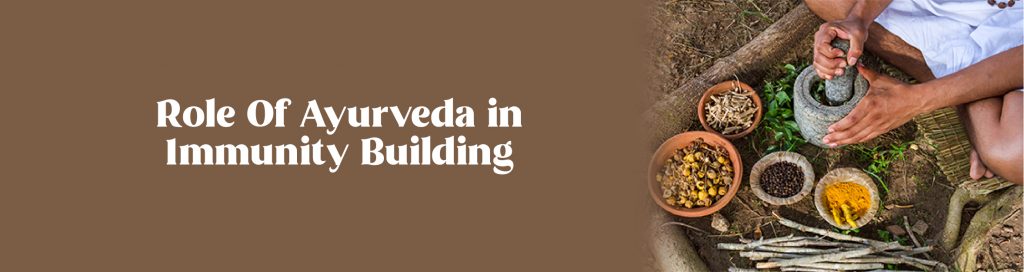
January 27, 2023 Role Of Ayurveda in Immunity Building Contact Us +65 6398 0415 admin@ayurvedasg.com Recent Articles With increasing strains of several pandemics, including COVID-19 impacting the world, as the saying goes, ”Prevention is better than cure,” the need of the hour is for us to initiate preventive steps which will eventually help us to boost our immunity in these trying times. Dr.V.C. Ajith Kumar, Director and Principal Consultant of Ayush Ayurveda, Singapore, says, ” As we are aware, the allopathic branch of science is constantly trying to develop vaccines to arrest the proliferation of viruses, the best for us to enhance our body’s natural defense system or immunity.” Ayurveda As the science of life, Ayurveda recommends the gifts of nature in terms of maintaining a healthy, happy, and peaceful lifestyle. Elaborating on Ayurveda and what it propagates, Dr.V.C. Ajith Kumar, Ayurveda Doctor, Ayush Singapore, says: “Ayurveda is a treasure house offering alternative treatments for immunity and preventive care. The extensive knowledge base of Ayurveda on preventive care is drawn from the concepts of daily routine or regimes, known in Ayurvedic parlance as Dinacharya, and seasonal regimes, known as Ritucharya, both beneficial for the maintenance of healthy life. Ayurveda is a plant-based science. Ayurveda’s classical scriptures have emphasized the simplicity of awareness about yourself and the harmony you can achieve by uplifting and maintaining your immunity.” Self-care Guidelines Coming up with a slew of recommendations, Dr.V.C. Ajith Kumar, Ayurveda Doctor, Ayush Singapore, offers a host of measures. “First and foremost, you have to inculcate the habit of drinking warm water all through the day instead of relying on other forms as a preliminary step towards gaining immunity. Along with that, it is pertinent for you to opt for the practice of Yogasana, Pranayama, and meditation daily for a minimum of half an hour. Also, turmeric, cumin, coriander, and garlic are recommended along with a daily diet in abundance. You can consume 10 grams (1 TSF) in the morning. If you have diabetes, then you should buy sugar-free Chyavanprash. You can have herbal tea made from basil (tulsi), cinnamon (dalchini), black pepper (kalimirch), dry ginger (shunthi), and raisin (munakka) twice a day. You can add natural sugar (jaggery) along with fresh lemon juice to enhance the taste of the herbal tea. If you have diabetes, then you can avoid natural sugar. You can then consider having Golden Milk, consisting of half a teaspoon of turmeric powder in 150 ML hot milk. This you can have twice a day to boost your immunity.” Homemade Ayurvedic Procedures There are quite a few Ayurvedic procedures for boosting immunity. Shedding light on the same, Dr.V.C. Ajith Kumar, Ayurveda Doctor, Ayush Singapore, says: “You can try the nasal application of sesame oil, coconut oil, or ghee. You can apply any of these oils in both nostrils twice daily. This procedure is called Pratimarsh Nasya, an excellent way to boost your immunity.” Sore Throat & Dry Cough If you have a sore throat or dry cough, especially during winter, a few Ayurvedic solutions give immediate relief. Dr.V.C. Ajith Kumar, Ayurveda Doctor, Ayush Singapore, says: “Steam inhalation is the best bet to get relief from conditions such as sore throat and dry cough. Take fresh mint leaves (pudina) and caraway seeds (ajwain) in water and boil the same. Inhale it once a day to get the desired result. You can also consume clove powder (lavang) by mixing it with natural sugar or honey twice a day to relieve normal dry cough and sore throat.”
Know How Ayurveda Helps Boost Your Immunity

January 27, 2023 Know How Ayurveda Helps Boost Your Immunity Contact Us +65 6398 0415 admin@ayurvedasg.com Recent Articles Vyādhi-kṣamatva is the term Ayurvedic texts and physicians used to describe the concept of immunity. Elaborating on the ability of the body to withstand any injury due to adverse external factors and more about the concept of immunity in Ayurveda, Dr.V.C. Ajith Kumar, Director and Principal Consultant of Ayush Ayurveda, Singapore, says: “In Ayurveda, roga or diseases are be categorized into two: Those diseases which strike due to internal factors within the body and mind (nija) and those ailments which shoot from external reasons (āgantu). Immunity is correlated to the power of the body (bala) to endure or overcome āgantu, or external reasons such as injuries, adverse environmental conditions, pollutants, and pathogens of all sorts, including bacteria, viruses, and parasites. The state of physical strength (svāsthya) gives rise to a robust immune system, itself is the manifestation of immense vitality (ojas), deriving from a gamut of things including conscientious hygiene practices, just the requisite diet (balanced and nourishing), exercise and adequate rest, along with healthy mind and spirit.” Hygiene Management Daily hygiene practice (dinacharya) is quite important in keeping your body pure and your health to the brim. Elucidating on that, Dr.V.C. Ajith Kumar, Ayurveda Doctor, Ayush Singapore, says: “Keeping your daily hygiene practice of paramount importance to keep your body pure and robust health. Some of the daily dinacharya include hair and skin care and dental hygiene. Take a shower regularly, wash your hands at regular intervals, brush your teeth, and use the right products for your dental and hair care. Suppose you fail to stick to the strict hygiene practice regimen. In that case, chances are high that your vitality will be depleted, impacting your health and eventually weakening natural immunity.” Diet Management The immune system relies on the abundance of physical vitality, which can be created through proper physical nourishment and a proper balanced and nourishing diet resulting in the optimization of your immune system. Dr.V.C. Ajith Kumar, Ayurveda Doctor, Ayush Singapore, opines: “When it comes to offering a specific diet, a lot depends on the knowledge of your own dosha and your physical constitution. It also depends on the climatic conditions of the area where you live. Having said that, a physician can give a generic Ayurvedic dietary advice. And that includes the consumption of fresh, nourishing, and whole, unprocessed foods sans chemical additives. Of course, you have to have it moderately, and care should be taken to avoid overindulgence, especially in refined and processed foods and drugs that include caffeinated and alcoholic beverages.” Exercise Regimen While touching on the subject of the necessity of having a solid regular exercise regimen, Dr.V.C. Ajith Kumar, Ayurveda Doctor, Ayush Singapore, says: “Routine and regular exercise and activity will not only prevent stagnation of life-energy (prāṇa) but also promotes the circulation of blood, which in turn will nourish your brain and body tissues of all kinds. Again, what constitutes a suitable exercise routine depends on your present state of health and physical constitution. In case of over-indulgence in exercise beyond your endurance, capacity, and limits, the exertion will turn out to be exhaustion and will have just the opposite effect of depleting vitality or ojas and further weakening your immune system. Therefore, it is prudent that you should have a balanced exercise regime in moderation to get the desired result.”
Ayurveda Singapore’s Comprehensive Treatment For Psoriasis

January 24, 2023 Ayurveda Singapore’s Comprehensive Treatment For Psoriasis Contact Us +65 6398 0415 admin@ayurvedasg.com Recent Articles World over, scores of people have Psoriasis, a skin condition where the typical symptoms include flaking and scaling of the skin and the subsequent itching and burning sensation. The most common types of Psoriasis impacting individuals of all age groups include erythroderma, Guttate, Inverse, and Pustular. Dr.V.C. Ajith Kumar, Director and Principal Consultant of Ayush Ayurveda, Singapore, says: “Psoriasis varies in different patients. If for some patients if it is the scalp that is getting affected by this condition; for others, it might be the elbows. Cases have been reported that Psoriasis affects different body parts, including armpits, genitals, hands, knees, and toes.’ Ayurveda Solution While elaborating on how Ayurveda helps manage Psoriasis, Dr.V.C. Ajith Kumar, Ayurveda Doctor, Ayush Singapore, says: “In Ayurvedic parlance, the condition is termed as Kithibha. Typically, Kithiba is manifested by unresolved trauma or toxins in the blood. Chronic stress and poor diet are attributed as other factors that might as well contribute to this skin condition.” Ayurvedic Reason Throwing light on how this skin condition manifests, Dr.V.C. Ajith Kumar, Ayurveda Doctor, Ayush Singapore, elucidates: “Psoriasis is the manifestation of vitiated pitta and Vata doshas. If Vata dosha triggers pain and scaling, pitta dosha causes a burning sensation, inflammation, and itching. Therefore, Ayurveda recommends targeted therapies to treat the skin condition’s root cause. In Ayurveda, there is a slew of standard therapies for Psoriasis such as Rasayana Chikitsa, Shodhana Chitisa, Sharana Chikitsa, and more.” Diet For Psoriasis Dr.V.C. Ajith Kumar, Ayurveda Doctor, Ayush Singapore, talks about home remedies and certain food items patients should avoid. “Often, the symptoms of this skin condition not only can be managed by making a few dietary adjustments but also by using a few home remedies. Diet plays a pivotal role in alleviating or aggravating the symptoms of Psoriasis. Sour and spicy foods are a strict no-no, as these items can exacerbate skin irritation and itching. Also, the patient should try to reduce salt intake, while processed foods with preservatives should also be avoided.” Recommended Food “Any food item which does not trigger acidity is ideal for managing the eruption of Psoriasis, says Dr.V.C. Ajith Kumar, Ayurveda Doctor, Ayush Singapore. “Therefore, we at Ayurveda, Singapore, recommend adding more alkaline-rich foods into your dietary regimen. And these include aloe vera juice (fresh), asparagus, beans, and carrots. In dairy products, the patients with psoriasis symptoms can have only buttermilk and not any other items.” Edible Home Remedies Dr.V.C. Ajith Kumar, Ayurveda Doctor, Ayush Singapore, says: “In Ayurveda offers internal and external treatments for Psoriasis. Taking a warm Epsom salt bath gives you immense relief from itching while consuming food items that have omega-3 fatty acids, such as flaxseed, nuts, and soy. Also, you can add more turmeric to your regular meals, which will help reduce the inflammation and swelling in your body. Another solution is to make a paste of neem leaves and consume the same along with your regular food, this will not only purify your blood but also boost immunity. Moisturize your skin at least twice daily using a cold-pressed coconut oil or olive oil blend. In addition to that, get exposed to the sun for a while daily for the requisite daily dose of vitamin D. Last but not least, you can include stress-buster activities, including meditation, pranayama, and yoga, in your daily routine.”
Get relief from insomnia and stress with Shirodhara
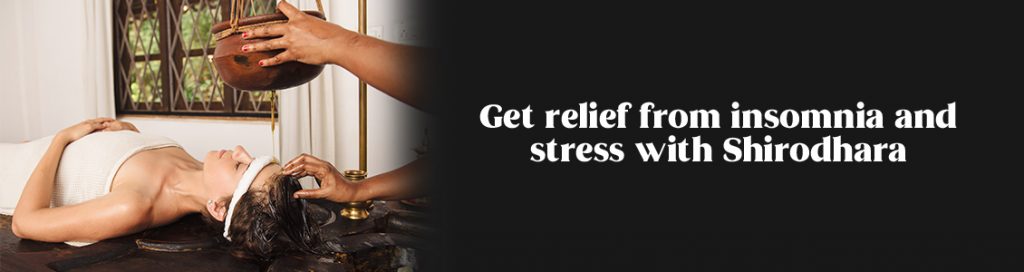
January 24, 2023 Get relief from insomnia and stress with Shirodhara Contact Us +65 6398 0415 admin@ayurvedasg.com Recent Articles Stress, insomnia and anxiety all become by-products of our fast-paced life. Here, the significance of simple and ancient therapies comes to the rescue. Dr. V.C. Ajith Kumar, Director and Principal Consultant of Ayush Ayurveda, Singapore, says: Shirodhara means head and flow. It is the combination of two Sanskrit words, “shiro” (head) and “dhara” (flow). This Ayurvedic healing practice is done using a liquid, liquids like oil, milk, buttermilk, or water — poured onto the forehead. It’s done with a body or head massage. Benefits Dr. V.C. Ajith Kumar, Ayurveda Doctor, Ayush Singapore, says that Shirodhara has relaxing and calming effects on the body and mind. He adds that research has proven that Shirodhara helps to manage insomnia, reduce anxiety and improve sleep quality. Dr. V.C. Ajith Kumar, Ayurveda Doctor, Ayush Singapore, adds that Shirodhara is exceptionally helpful for people suffering from an imbalance of Vata and Pitta. “People suffer from fear, insecurity and worry or anxiety whenever there is a Vata imbalance. Similarly, an imbalance of Pitta can make a person angry, frustrated, and irritated. We use liquids that help to mitigate the negative effects of dosha imbalances for performing Shirodhara. When poured to the forehead in a steady stream, the carefully chosen liquids are expected to soothe and pacify the doshas.” Dr. V.C. Ajith Kumar, Ayurveda Doctor, Ayush Singapore, adds that Shirodhara can even give relief from migraine, helps reduce high blood pressure, decrease hair loss, eases stress and increase focus and concentration. The treatment Dr. V.C. Ajith Kumar, Ayurveda Doctor, Ayush Singapore, says that Shirodhara offers the best results in the morning or evening. “Shirodhara starts with an Ayurvedic body massage, otherwise known as abhyangam. Later, as part of the procedure, about 2 litres of lukewarm oil is poured over the forehead continuously like a stream. The process takes about 30 to 60 minutes, and depending on the patient and his problems, an Ayush Ayurvedic Therapist gives a light head massage.” Talking about the science behind Shiroadhara, Dr. V.C. Ajith Kumar, Ayurveda Doctor, Ayush Singapore, says that our forehead has many nerve endings and is very sensitive. The pressure of the oil creates vibrations on the forehead and penetrates the forehead, scalp and nervous system. It improves blood circulation to the brain and reduces stress hormones. Shirodhara helps the body, mind and nervous system feel deep rest, similar to meditation. Dos and don’ts Dr. V.C. Ajith Kumar, Ayurveda Doctor, Ayush Singapore, says that, like any treatment, Shirodhara, too, should be done under expert supervision after consulting an experienced Ayurvedic doctor. “People suffering from an anxiety disorder, stress, high BP, fatigue, tension, and headache can opt for Shirodhara Ayurvedic treatment. It’s also useful in post-traumatic stress disorder. Shirodhara stimulates the pineal gland that produces the sleep-inducing hormone; hence, it is recommended for treating insomnia.” Dr. V.C. Ajith Kumar, Ayurveda Doctor, Ayush Singapore, says that it is best to avoid Shirodhara for women in the final phase of pregnancy. Also, those with a neck injury wound or cut in the forehead, having nausea or vomiting and suffering from fever should not undergo the procedure.” Like in all Ayurvedic treatments, people who have undergone Shirodhara should benefit better if they avoid caffeine and avoid spicy and oily food. A light diet and warm water will help to receive better outcomes of Shirodhara, concludes Dr. V.C. Ajith Kumar, Ayurveda Doctor, Ayush Singapore.
Atrial Fibrillation: common part of aging

January 16, 2023 Atrial Fibrillation: common part of aging Contact Us +65 6398 0415 admin@ayurvedasg.com Recent Articles Many of the aging population experience abnormal heart rhythms. This condition is a common type of arrhythmia and is popularly known as Atrial Fibrillation, says Dr. V. C. Ajith Kumar, Director and Principal Consultant of Ayush Ayurveda, Singapore, Little India Branch. Obesity, sedate lifestyles, high blood pressure, and coronary heart disease are some of the reasons why atrial fibrillation is embracing more and more of the elderly crowd, explains Dr. Ajith Kumar. Causes of Atrial Fibrillation This condition persists mostly in the elderly age group and certain cardiovascular conditions, long-term endurance exercises, high blood pressure, diabetes, sleep apnea, viral infections, and Mitral valve stenosis are all some of the reasons that cause this condition, elaborates the Ayurvedic doctor. Symptoms In the early part of the disease, the indications are asymptomatic and only as it progresses it becomes more vivid. Dr. Ajith Kumar explains that symptoms like rapid heart rate, palpitations, swelling in the lower extremities, dizziness, and confusion makes the patient feel uncomfortable. “Some might even experience fainting spells, chest pain, swelling, and shortness of breath.” “Though this kind of rhythm is generally not serious, it doubles the risk of death due to the abnormal blood flow which in turn causes a strain to the heart,” says Dr. Ajith Kumar, the chief doctor at Ayush Ayurveda, Singapore. Medical reasoning What causes this Atrial fibrillation? EXPLAINS DR. AJITH KUMAR: The heart pumps blood all over the body by contracting and relaxing. The upper chambers are called atria and the lower ones are called ventricles. The Sinoatrial Node (SA), a bundle of cells, is where the contractions begin. It then spreads as electrical impulses through the atrial walls. But, as time goes by the atria stretch and fibrillations begin. The walls of the atrium develop fibrous tissue which puts a check on the conduction of electrical impulses generated in the heart. Therefore, the impulses stray, spiral, and do not go straight to the atria. The result is atrial fibrillation. Dr. V. C. Ajith Kumar, Director and Principal Consultant of Ayush Ayurveda, Singapore, says that high blood pressure associated with the stiffening of arteries also causes atrial fibrillation. “This condition increases the heart’s workload and stretches the atria. The increased workload on the heart thickens the muscle walls of the ventricles. This irritates the heart and makes it produce extra beats and the result is atrial fibrillation,” elucidates the doctor of Ayurveda. “Major surgeries, sleep apnea, and lung diseases may also cause this condition.” Blood clots Another serious outcome of atrial fibrillation is forming of a blood clot. And if this clot reaches the brain, it will cause a stroke, says Dr. Ajith Kumar. The seriousness does not end here, for stroke and its symptoms can be of various types and this depends on the part of the brain the clot reaches. Therefore, we doctors rush immediately to lessen the risk of stroke by prescribing the right kind of medicines that prevent blood clots in the heart, explained the doctor of Ayurveda. Diagnostic Methods for Atrial Fibrillation How do doctors diagnose the condition? Dr. Ajith Kumar, an Ayurvedic Physician of Ayush, Singapore gives us the following salient points to diagnose the case. The doctor should take a complete history of the patient and should also carry out a proper physical examination An elaborate blood test needs to be done at the earliest. Electrolytes, TSH, and kidney function tests should all be monitored. Electrocardiogram, Echocardiography, and a Chest X–ray will be required. Herbal Care for the Heart Marich Phalam & Dong Quai (Cayenne pepper: strengthens the heart, increases circulation) Basangli (Hawthorn berry, increases heart circulation, eases angina) Lashona (Garlic, opens clogged arteries) Motherwort (slows heart rate) Angelica (anti-arrhythmia) Astragalus (increases cardiac output Using herbs is definitely good for your heart. Other herbs that might be helpful include metallic compounds like Suvarna-Bhasma, Abhrak-Bhasma, and Shrung-Bhasma. These are given in combination with herbal medicines such as Arjun (Terminalia arjuna), Guggulu (Commiphora Mukul), Draksha (Vitis vinifera), Triphala (Three fruits), Amalaki (Emblica Officinalis), Punarnava (Boerhaavia diffusa), Sarpagandha (Rauwolfia serpentina), Pippalimool (Piper longum), Chitrak (Plumbago zeylanica), Bhallatak (Semicarpus Anacardium), Myrrh (Commiphora myrrha) and Pushkarmool (Inula racemosa). All these acts on the heart muscle ascertain Dr. Ajith Kumar. We can use the above-mentioned medicines to reduce high blood pressure and normalize the functioning of the heart and lungs. These can be used on a long-term basis to prevent the recurrence of Afib, assures Dr. Ajith Kumar, doctor of Ayurveda.
Feeling anxious, or depressed? Fight it out with Ayurveda
January 11, 2023 Feeling anxious, or depressed? Fight it out with Ayurveda Contact Us +65 6398 0415 admin@ayurvedasg.com Recent Articles Too much mental stress due to failure or disappointments leads to depression or anxiety, says Dr. V. C. Ajith Kumar, Director and Principal Consultant of Ayush Ayurveda, Singapore, Little India branch. We will experience stress when we feel threatened and this is normal too. But, if you feel that you are in danger (real or imaginary), the body immediately goes into defense mode and this is the stress response. But, anything which exceeds a limit disrupts the normal routine. Similarly, excess stress leads to depression and anxiety, explains the doctor of Ayurveda. Body’s reaction to stress Elaborating on the condition, Dr. Ajith Kumar says that when you are affected by excess stress, the nervous system releases stress hormones like adrenaline and cortisol into the body. When this stress clings to you for long, high levels of cortisol accumulate in the body and cause sugar imbalance, elevated blood pressure, muscle stiffness, and increased heart rate. The Ayurvedic physician says that the result is pain, low immunity, sleep problems, and other health issues. From the point of view of Ayurveda, depression is caused due to Kapha imbalance which spoils Vata and this vitiates pitta resulting in interference in the normal functioning of the nervous system, says Dr. Ajith Kumar. In our center, Ayush Singapore, the person suffering from this disorder is first given counseling, then proper diet and lifestyle changes are suggested, explains Dr. Ajith Kumar. “We begin the treatment only after all these measures are observed by the patient. Practicing Yoga and Pranayama go hand in hand with Ayurveda therapies,” adds the Ayurvedic physician. Ayurvedic Treatments Indian medicine or Ayurveda not only deals with tissues and blood in the body but also effectively treats mental disorders like depression and anxiety. Ayush Singapore, offers several natural remedies to fight stress, anxiety, and depression, says Dr. Ajith Kumar. Throwing light on the treatment, the doctor quips that the medicines help in relieving sleep deprivation, remedial stomach-related issues, and also improve mood. Ayurveda also stresses maintaining a well-balanced diet and routine. This will also help to balance doshas because the type of issue that you might develop depends on the dosha that is imbalanced in the body, adds the doctor of Ayurveda. Dr. V. C. Ajith Kumar discusses the various Ayurvedic therapies to combat anxiety and depression. Abhyangam This is a therapy done to increase blood circulation and thereby remove metabolic wastes and toxins from the body. The doctor explains that the entire body will be massaged with medicated herbal oils to stimulate vital pressure points. This will help to reduce stress, anxiety, and depression. The massage is done in seven different positions. The action treats any emotional imbalance by balancing the doshas. It is effective to treat Insomnia, Paralysis, Arthritis, and Spondylosis, says Dr. Ajith Kumar of Ayush Singapore. Padabhyangam This too is another kind of massage where the nerve endings in the foot are stimulated to balance the doshas and calm the nerves to relieve stress, explains Dr. Ajith Kumar. “When the feet are massaged with precise movements, it improves blood circulation in the lower limbs and invigorates the tired feet. Nervousness, anxiety, depression, muscle cramps, and insomnia are some of the issues that can be addressed with Padabhyangam,” adds the Ayurvedic physician. Nasyam As the name of the treatment indicates, the nose is involved in the treatment. Medicated oils, drugs, or any medicine is administered only through the nose, says Dr. Ajith Kumar. “Nasyam, which is said to be part of the Panchakarma therapy, stimulates vital centers of the brain to overcome stress, anxiety, depression, and insomnia,” says the doctor. We at Ayush Singapore give this relaxing therapy by steaming the face, forehead, ears, and neck. Dr. Ajith elucidates that it is after this, the herbal oils, powders and juices are sent through the nose. The medicines are immediately absorbed into the body. It helps to improve blood circulation and relaxes the body. The treatment ends with gargling lukewarm water and inhaling medicated smoke. “As it simultaneously treats the nose, ears and threats, it helps to release blocked energy channels. Mainly, it boosts immunity and also improves vision,” assures the doctor. Pizhichil Pizhichil is synonymous with the word Ayurveda. Everyone knows that in this treatment, warm medicated oils are gently poured and massaged all over the body. Of course, it gives a great sense of relief to the patient. Dr.V. C. Ajith Kumar of Ayush Singapore says that by gently massaging the entire body in a synchronised manner, rejuvenates the body and boosts functioning of the nervous system. Sometimes, a piece of cloth is dipped in the massage oil and then used to rub all over the body for over an hour. “Pizhichil reduces Vata dosha, It also addresses muscular aches, rheumatic problems, insomnia, and improves skin tone by promoting the blood circulation,” explains Dr. Ajith Kumar. Kizhi Therapy of Kizhi uses powders, rice and even sand packed in small cloth bags, which look like mini sacks. These small sacks are warmed and pounded all over the body or in on specific parts to relieve oxidative stress, explains the doctor. The Kizhi massage which gives out dry heat treats aggravated Vata and Vatakapha conditions. It is effective to treat depression, anxiety, muscular cramps, swelling, obesity, lower back pain, osteoarthritis, and spondylitis, assures the doctor of Ayurveda at Ayush Singapore. Shirodhara This is a healing massage where medicated oils are continuously poured on the forehead for a specific time (30 or 60 minutes). Throwing light on the procedure, Dr. V. C. Ajith Kumar. “Just before beginning the procedure, the patient’s head is massaged well. If needed, this massage is also carried out during the procedure. Physicians also use buttermilk, decoctions, or even water instead of oil. This kind of pouring of liquids on the head is said to soothe the hypothalamus of the brain and induce sleep, explains the Ayurvedic physician.