
Surprising Health Benefits of Sprouts
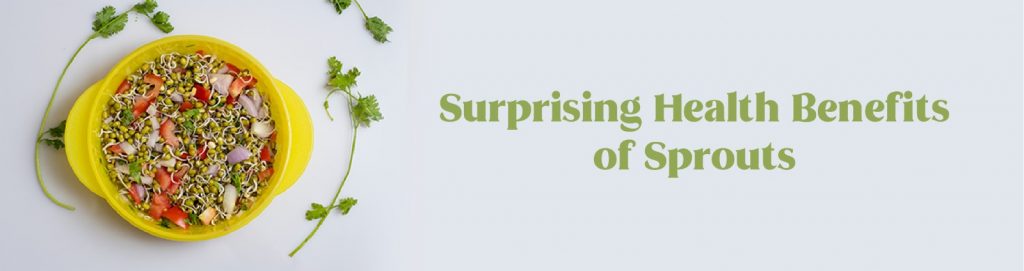
March 18, 2023 Surprising Health Benefits of Sprouts Contact Us +65 6398 0415 admin@ayurvedasg.com Recent Articles If you’re looking for a delicious and healthy way to boost your nutrient intake, sprout salads are an excellent choice. Sprouts are loaded with essential vitamins, minerals, and antioxidants, making them a powerhouse of nutrition that can provide a range of health benefits. Dr.V.C. Ajith Kumar, Director and Principal Consultant of Ayush Ayurveda, Singapore, says that in Ayurveda, sprouts are considered to be a highly nutritious food that is easy to digest and can help balance the three doshas – Vata, Pitta, and Kapha. Dr.V.C. Ajith Kumar, Ayurveda Doctor, Ayush Singapore, says, “Sprouts have a heating or Pitta-increasing effect on the body, which can help improve digestion and metabolism. Sprouts are also believed to be a good source of prana, or life force energy, which can help nourish the body and promote overall health and well-being.” Additionally, Ayurveda recommends sprouts as a food that is beneficial for all doshas, as they contain a balanced combination of all six tastes – sweet, sour, salty, pungent, bitter, and astringent, he adds. Benefits of nutritional sprouts salad Dr.V.C. Ajith Kumar, Ayurveda Doctor, Ayush Singapore, says, “Sprouts are considered to be one of the healthiest foods that can be added to one’s diet. They are essentially germinated seeds of various types of grains, vegetables, and legumes, and are packed with a wide range of nutrients such as protein, fibre, vitamins, minerals, and antioxidants.” Improved digestion: Sprouts are rich in dietary fibre which helps improve digestion, prevent constipation and promote regular bowel movements. Boosted immunity: Sprouts are loaded with essential vitamins and minerals, including Vitamin C and zinc that can boost the immune system and help the body fight off infections and diseases. Enhanced nutrient absorption: The sprouting process helps unlock and increase the bioavailability of nutrients, making them easier to absorb and utilize by the body. Reduced inflammation: Sprouts contain enzymes that help reduce inflammation in the body, which can help alleviate symptoms of various chronic diseases such as arthritis and diabetes. Weight management: Sprouts are low in calories and high in fibre, making them an ideal food for weight management as they can help you feel fuller for longer periods of time. Here’s a recipe for a nutritional sprouts salad: Ingredients: 1 cup mixed sprouts (mung beans, chickpeas, lentils, alfalfa, etc.) 1 small cucumber, chopped 1 small tomato, chopped 1 small onion, chopped 1 carrot, grated 1/4 cup fresh coriander leaves, chopped 1 tbsp lemon juice 1 tbsp olive oil Salt and black pepper to taste Instructions: Rinse the mixed sprouts thoroughly and soak them in water for 6-8 hours or overnight. Drain the water and rinse the sprouts again. Cover them with a clean cloth and leave them in a cool, dark place for 24-36 hours until they begin to sprout. Once the sprouts are ready, rinse them again and place them in a large bowl. Add the chopped cucumber, tomato, onion, and grated carrot to the bowl and mix well. In a separate bowl, whisk together the lemon juice, olive oil, salt, and black pepper. Pour the dressing over the salad and toss to coat. Garnish the salad with fresh coriander leaves and serve chilled. This sprouts salad is a great source of protein, fibre, and essential nutrients, making it a delicious and nutritious addition to any meal. Enjoy! When to have sprouts salad Dr.V.C. Ajith Kumar, Ayurveda Doctor, Ayush Singapore, says, “The best time to eat sprouts salad is during the day, either during lunch or as a mid-day snack. This is because sprouts are high in fiber, and consuming them during the day can help keep you feeling full and satisfied for longer periods of time, which can prevent overeating and promote weight management.” That being said, you can eat sprouts salad at any time that is convenient for you. They can be eaten as a side dish with a meal or as a standalone snack. Just make sure to rinse them thoroughly and store them properly to ensure freshness and prevent contamination. Adding extra nutritional sprouts salad to your diet is an excellent way to enhance your overall health and well-being. They are easy to prepare, delicious, and highly nutritious, making them an excellent addition to any healthy diet. However, Ayurveda also recommends that sprouts should be consumed in moderation, as excessive consumption can lead to an imbalance of Pitta dosha, causing digestive issues such as acidity and heartburn. Dr.V.C. Ajith Kumar, Ayurveda Doctor, Ayush Singapore, concludes, “Sprouts are considered to be a beneficial food in Ayurveda and can be consumed as a part of a balanced diet to promote overall health and well-being. However, it is important to consume them in moderation and consult with an Ayurvedic practitioner to determine the appropriate amount and frequency of consumption based on your individual dosha and health condition.”
Rosacea and its Ayurvedic management

March 18, 2023 Rosacea and its Ayurvedic management Contact Us +65 6398 0415 admin@ayurvedasg.com Recent Articles Dr.V.C. Ajith Kumar, Director and Principal Consultant of Ayush Ayurveda, Singapore, says that rosacea is a common skin condition that affects millions of people worldwide. Characterized by facial redness, inflammation, and sometimes acne-like breakouts, rosacea can also cause significant physical discomfort and emotional distress. Dr.V.C. Ajith Kumar, Ayurveda Doctor, Ayush Singapore, says, “Despite being a chronic condition, there are many ways to manage rosacea and reduce its symptoms.” Rosacea and its symptoms Rosacea is a chronic skin condition that causes redness, flushing, and inflammation on the face, typically affecting the central areas such as the cheeks, nose, chin, and forehead. The exact cause of rosacea is not known, but it is thought to be related to genetics, environmental factors, and an overactive immune system. Dr.V.C. Ajith Kumar, Ayurveda Doctor, Ayush Singapore, says, “The symptoms of rosacea can vary from person to person, but there are some common signs and symptoms.” Facial redness: This is the most common symptom of rosacea, and it often appears as a persistent redness or flushing on the face, particularly on the cheeks, nose, forehead, and chin. Bumps and pimples: In some cases, rosacea can cause small, red, and pus-filled bumps or pimples on the face, which can be mistaken for acne. Eye problems: In some people with rosacea, the eyes can become irritated, red, and swollen, a condition known as ocular rosacea. Thickened skin: Over time, the skin on the nose and cheeks may become thicker and bumpy. Dr.V.C. Ajith Kumar, Ayurveda Doctor, Ayush Singapore, says that some people with rosacea may experience a burning or stinging sensation on their face, particularly when using certain skin care products or after exposure to sunlight or other triggers. Ayurvedic treatments for rosacea Dr.V.C. Ajith Kumar, Ayurveda Doctor, Ayush Singapore, says, “Ayurvedic medicine offers a holistic approach to treating rosacea, focusing on balancing the body and promoting overall health and wellness.” Ayurvedic remedies and treatments that may help alleviate the symptoms of rosacea: Turmeric: Turmeric is a powerful anti-inflammatory herb that can help reduce redness and swelling in the skin. You can use it topically as a face mask or take it internally as a supplement. Aloe Vera: Aloe vera is a natural moisturizer and anti-inflammatory agent that can help soothe and cool the skin. Apply aloe vera gel topically to the affected areas of the skin. Neem: Neem is a natural antimicrobial and anti-inflammatory herb that can help reduce inflammation and prevent infection. You can use neem oil topically or take it internally as a supplement. Triphala: Triphala is an Ayurvedic herb blend that contains three fruits – amla, haritaki, and bibhitaki. It can help detoxify the body and support digestion, which is important for overall skin health. Massage: Ayurvedic massage techniques, such as abhyanga, can help improve circulation and lymphatic drainage, which can help reduce inflammation in the skin. Yoga and Meditation: Stress is a known trigger for rosacea, and practicing yoga and meditation can help reduce stress levels and promote relaxation. Dr.V.C. Ajith Kumar, Ayurveda Doctor, Ayush Singapore, says that as rosacea can have serious complications if left untreated. Ayurvedic treatments for rosacea should be used only after consulting with a qualified Ayurvedic practitioner.” Importance of diet in Ayurveda management of rosacea Dr.V.C. Ajith Kumar, Ayurveda Doctor, Ayush Singapore, says, “In Ayurveda, a healthy diet is considered an essential part of maintaining overall health and well-being, and it can be beneficial in managing the symptoms of rosacea.” Dietary recommendations from Ayurveda for rosacea Eat cooling foods: In Ayurveda, rosacea is often associated with excess heat in the body. To counterbalance this, it is recommended to consume cooling foods like cucumber, watermelon, and mint. Avoid spicy and acidic foods: Spicy and acidic foods can aggravate the skin and trigger rosacea symptoms. Foods like tomatoes, citrus fruits, and hot peppers should be avoided. Consume anti-inflammatory foods: Foods that are rich in anti-inflammatory nutrients, such as omega-3 fatty acids and antioxidants, can help reduce inflammation in the skin. Some examples include fatty fish, leafy greens, and berries. Eat a balanced diet: A balanced diet that includes a variety of whole foods, such as fruits, vegetables, whole grains, and lean proteins, can help provide the nutrients and energy needed to support overall health and well-being. Stay hydrated: Drinking plenty of water and herbal teas can help keep the skin hydrated and reduce inflammation. Dr.V.C. Ajith Kumar, Ayurveda Doctor, Ayush Singapore, says, “Dietary recommendations for rosacea vary depending on an individual’s dosha and overall health status. It’s best to consult with a qualified Ayurvedic practitioner to determine the most appropriate diet for your individual needs.”
Rejunevate your body with Udwarthanam
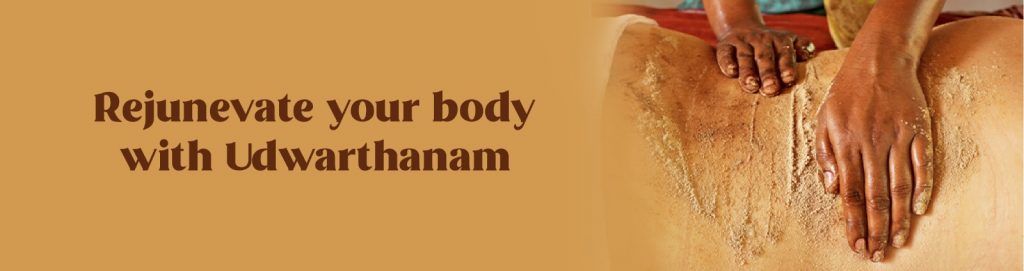
March 18, 2023 Rejunevate your body with Udwarthanam Contact Us +65 6398 0415 admin@ayurvedasg.com Recent Articles Everyone, even if they are slim, wants to lose weight. In Ayurveda, we have an excellent therapy which will help you too, says Dr. V. C. Ajith Kumar, Director and Principal Consultant of Ayush Ayurveda, Singapore, Little India Branch. It is a therapeutic deep tissue massage that melts the excess fat in your body, says the doctor. It is said that in ancient times, it was a therapy that used to be followed as a daily routine. It is highly beneficial to improve your immunity and lymphatic flow in the body explains the doctor.” Types of Udwarthanam Dr. V. C. Ajith Kumar says this deep massage is performed by rubbing oil and herbal powder on the body. What is important about this therapeutic massage is that only upward strokes are used. To get a better or best outcome, this massage is combined with treatments like Shirodhara or Takradhara, he adds. Throwing more light on the treatment, the doctor of Ayurveda says that Udwarthanam is classified into two types based on the action of the powder massage. One is Snigadh or Sneha Udwarthanam. This therapy uses a herbal paste prepared with a mixture of powdered herbs and medicated oils. In the other type of Udwarthanam called Ruksha Udwarthanam, dry powers herbs are rubbed on the body. In both these treatments different kinds of ayurvedic herbs are used and the herbs are selected based on the kind of treatment that an individual needs, explains Dr. Aith Kumar. Delving deeper into the subject, the doctor of Ayurveda explains that, in the Sneha Udwarthanam, the herbal paste (mix of powdered herbs and medicated oils) is vigorously rubbed over the skin to exfoliate it. It rejuvenates the skin and gives it a glow. Texture, tone and complexion improve and in turn prevent skin disorders. The Snigadh Udwarthanam, therefore, suits those with sensitive skin, says the doctor. Ruksha Udwarthanam: This massage uses dry powders of herbs, says Dr. Ajith Kumar of Ayush Ayurveda. The dry nature of the herbs brings down excess kapha in the body. This massage reduces the excess cellulite and fat under the skin. It suits obese people and those suffering from insulin resistance, opines the doctor. Udwarthanam Massage Composition Dr. Ajit Kumar gives us a gist of the herbs used in this therapy: Common herbs such as deodar, senna, horse gram, cestus, gooseberry, mustard, Billerica, myrobalan and Phyllanthus are used in the Udwarthanam treatment. He explains that these herbs are mixed along with milk, herbal oils and dry herbal powders or choornams to prepare a paste called Lepam. It is this Lepam that is used to massage the body. Dr Ajith Kumar elucidates that the herbs that are used in the Lepam depend on the patient’s constitution. If a Kapha-dominant person wants to lose weight, then Triphala’s herbal powder is used. Triphala is a mixture of Emblica Officinalis (Amalaki), Terminalia bellirica (Bibhitaki), and Terminalia Chebula (Haritaki). In bodies where Pitta is dominant, ingredients like Cyperus Rotundus or Nutgrass, Barley or Yava churna, Indian Valerian or Tagara, Mandukaparni or Gotu Kola, Amalaki and Haritaki are used. “While oils like Triphala, Kottamchukkadi Thailam, Lavana Oil, Dhanwantharam Thailam, and Karpasasthyadi Thailam are used on people who want to lose weight. Oils like Chandanadi, Kumkumadi and Sandalwood are used in the massage for beautiful and glowing skin,” points out the Ayurvedic doctor. Udwarthanam Massage Procedure Dr. V. C. Ajith Kumar of Ayush Singapore elaborates on the procedure: A: Whether it is a powder or paste that is used in the massage it is warmed before application. B: It is performed by two therapists who ensure that the massage strokes are done in a direction opposite to the growth of hair follicles. C: The individual receiving the therapy needs to be in seven postures during the massage. D: After completion of the procedure, the patient is advised to rest for about 30 minutes and then have a warm water bath. The entire procedure takes around 45 minutes to 1.5 hours. Dr. Ajith Kumar, explains the breakdown of the procedure 1: Initially the Ayurvedic practitioner rubs the herbal Udwarthanam paste on the body. The patient must be aware of his allergies or the nature of his skin. If at all, there is an issue he must inform the therapist or practitioner without fail. Herbs should be mixed with sesame or olive oil, in case of sensitive skin. The herbal paste that is applied is specific to the individual’s dosha type or body constitution. When the procedure begins the masseur applies warm oil all over the body, using long strokes to help relax the muscles and prepare the body for the powder massage. The powder is then applied in a synchronized manner. It targets the energy channels in the body. Masseurs focus more on the legs, back and abdomen and the massage is continued in a firm, circular motion to stimulate the lymphatic system and increase blood flow to the skin. 2: The patient is asked to rest for some time after the application of the powder or paste on the body. 3: Aimed at breaking down the fat in the body, the masseuse uses different kinds of techniques. To release toxins they apply pressure at appropriate points on the body. 4: After a massage of 45 or 75 minutes, the patient is asked to bathe in lukewarm water. Benefits of Udwarthanam Dr. V. C. Ajith Kumar, Ayush Ayurveda, Singapore details some of the benefits of the Udwarthanam powder massage: The treatment soothes nerve endings and improves blood circulation. It is very apt for patients suffering from sciatica, muscle stiffness, paralysis and obesity. For those suffering from skin-related disorders, it regenerates skin cells and restores the natural elasticity of the skin. It promotes strength and helps prevent drowsiness during the day. It promotes mobility in the joints and tones up the muscles after weight loss or childbirth. The Udwarthanam massage coupled with
Ayurvedic approach to Paralysis
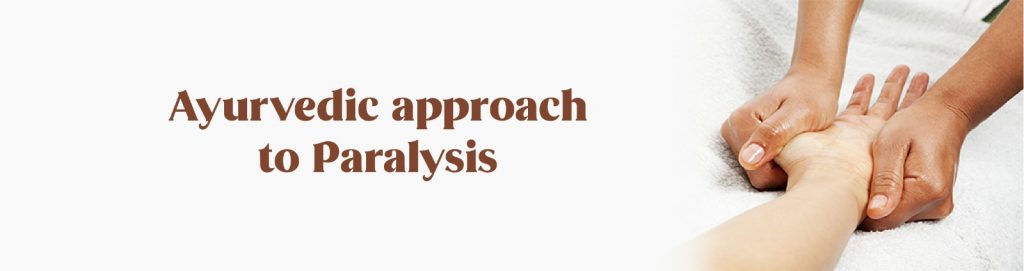
March 18, 2023 Ayurvedic approach to Paralysis Contact Us +65 6398 0415 admin@ayurvedasg.com Recent Articles Paralysis is a condition that has a lot of psychosocial impact on the patient. “A paralytic patient is unable to move the part of the affected body. Paralysis affects the muscles due to problems in the nervous system. It can affect any part of the complete body. There is a loss of motor skills permanently or temporarily. Sometimes, people also lose sensation in the affected part,” says Dr V. C. Ajith Kumar, Director and Principal Consultant of Ayush Ayurveda, Singapore, Little India branch. The doctor goes on to explain that there are three types of Paralysis _ Temporary, Pseudo and Permanent. He further explained about why these occur. Reasons are: A stroke or trauma Nerve injury or cerebral palsy A damaged nervous system Mental stress or REM sleep, to name a few Dr Ajith Kumar warns that we should never fail to recognise the symptoms of paralysis as it can turn dangerous at times. Patients suffer a stroke and it is the symptoms that give us the hint of a paralytic attack. The doctor of Ayurveda throws light on the signs _ of numbness in certain parts of the body, muscle cramps, slurred speech and lack of hand-eye coordination and says that it is to identify and address these on time. The doctor of Ayurveda is of the view that it is relatively easy to diagnose paralysis as the clear sign of the muscles not working can be seen. And in most cases, the causes of paralysis attacks are also easily evident. If the person suffers a stroke right before the attack then that is a sure sign but in some cases, there is no external factor or the factor is not that easy to detect. The right diagnosis is very important, especially for patients whose nervous system is affected, informs Dr Aith Kumar, Ayush Ayurveda, Singapore. Therefore, for patients who have had a sudden attack of paralysis, a diagnosis has to be carried out to understand why the condition occurred. Some of the tests suggested by doctors for diagnosis include CT scan, X-ray, MRI, Myelography, Electromyography or a spinal tap. Once the diagnosis is done, we can go boldly go ahead with the treatment, says Dr V. C. Ajth Kumar. Herbs and oils are the main treatment for this condition. Elucidating about the medicines and oils used in Ayurveda for Paralysis, the doctor says that it is a time-consuming method but we can be sure of the results. Let us now take a look at some of the medicines used in the treatment as suggested by the doctor of Ayurveda. Rajasirobhushanam: This is a tablet that is usually taken along with honey and the dosage depends on the patient’s condition. It is used on patients who suffer from partial paralysis, facial paralysis, and tongue paralysis. Rasarajarasa: It is given as a dose of 1 gram or 5 tablets along with ginger juice with honey. Ekangaveerarasa: It is used on patients who suffer from nerve debility. Vatagajamkusa: This tablet is given to patients suffering from hemiplegia and paraplegia. The dosage usually is one tablet twice a day along with a mixture of ginger juice or honey. It can even be taken along with a decoction of trikatuka, twice a day. Sidhamakaradhwaja and Yogendra Rasa: These two medicines are said to rejuvenate the patient as they are tonics that address the nervous system directly. It quickly refreshes the patient. Dr Ajith Kumar lists some of the other popular Ayurvedic medicines for paralysis _ Rasnadi quath, Medicated castor oil, Pippali mula, Chopcheeni churn, Brihat Vata Chintamani rasa and Ashwagandha churna. The doctor of Ayurveda explains that some of these are also administered through the nostrils as part of Nasyam treatment. There are others that are given via an enema as part of Sneha Vasti. Dr Ajith Kumar insists on drinking 20-40 ml of radish oil twice a day. “A mixture of black pepper powder, sunti and honey is good to treat paralysis,” adds the doctor. Ayurvedic massages with warm herbal oils greatly help to treat paralytic patients, points out the doctor of Ayurveda. Some Ayurvedic massages that could be beneficial to paralyzed patients are abhyanga Ayurvedic massages, padabhyanga and pizhichil. The tailams that are used in the massage include the Masha Taila and Narayana Taila. The Masha Taila is a powerful Ayurveda oil used t relieve pain in the body. Generally, it is never left out while carrying out treatments such as Dhara and Shirovasti. It relieves pain in joints, neck, hands and legs. The Narayana Taila is used to relax the muscles in Paralytic patients. It is not just massage or oral medicines that are important to treat the condition. A vata-pacifying diet plan is a must to treat Paralysis, points out Dr Ajith Kumar of Ayush Ayurveda, Singapore. The doctor’s suggestions about a specific diet plan are: Easily digestible light meals are essential Warm foods should be preferred over cold Avoid Barley, rye and millet Vegetables like asparagus, beets, carrot and okra should be included. Avoid bitter and pungent flavours. Eating sweet or salty foods are good Dr Ajith Kumar clearly points out that the system of medication in Ayurveda addresses the spiritual well-being of the patient and it is not about just the physical symptoms. The doctor adds that mostly it is damage in the nervous system that triggers paralysis. But there are factors such as exposure to radiation or toxins, autoimmune diseases, tumours and spinal cord trauma and many more reasons that cause the condition. “Ayurveda is good and has an edge over types of treatment to treat paralysis but total recovery from a paralytic attack may or may not be possible. It depends on the cause, extent of the injury and the triggering factors,” explains Dr Aiith Kumar. “If you are lucky you might recovery fully even if it is total paralysis,” concludes Dr Ajith Kumar.
The Benefits of Ayurvedic Herbs for Stress and Anxiety
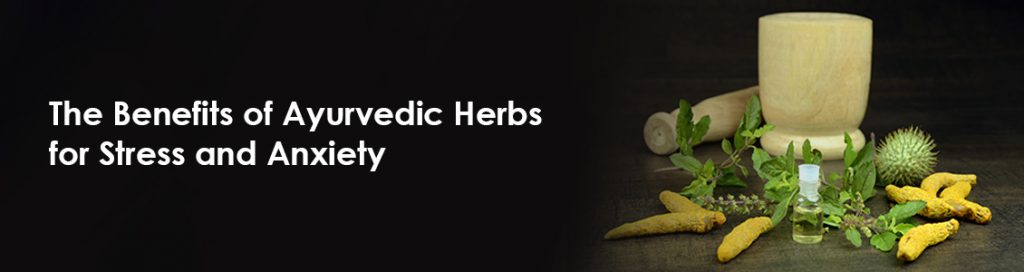
March 7, 2023 The Benefits of Ayurvedic Herbs for Stress and Anxiety Contact Us +65 6398 0415 admin@ayurvedasg.com Recent Articles Ayurvedic herbs have been used for thousands of years to treat various ailments, including stress and anxiety. Dr.V.C. Ajith Kumar, Director and Principal Consultant of Ayush Ayurveda, Singapore, says, “Ayurvedic herbs are known to reduce stress and anxiety by calming the mind and body and improving overall well-being. By incorporating Ayurvedic herbs into your daily routine, you can experience greater wellness and improved mental health.” Research has found that these herbs can work in a variety of ways to help manage mental health issues. Dr.V.C. Ajith Kumar, Ayurveda Doctor, Ayush Singapore, says, “They can help to regulate sleep, reduce inflammation, balance hormones, and improve cognitive function.” Ayurvedic herbs can provide relief from physical symptoms such as headaches and nausea, as well as mental symptoms such as poor concentration and mood swings. By using natural ingredients to provide relief, Ayurvedic herbs can provide a safe and effective solution for those who suffer from stress and anxiety. Dr.V.C. Ajith Kumar, Ayurveda Doctor, Ayush Singapore, adds, “In addition, many of these herbs are rich in antioxidants, which help to protect the body from the damaging effects of stress. Therefore, incorporating Ayurvedic herbs into your daily routine can be a great way to reduce stress and anxiety, and promote overall wellbeing.” Ayurvedic herbs are natural, non-addictive, and have fewer side effects than many pharmaceutical medications. Dr.V.C. Ajith Kumar, Ayurveda Doctor, Ayush Singapore, says, “Some of the most commonly used Ayurvedic herbs for stress and anxiety include ashwagandha, brahmi, turmeric, tulsi, and bhringaraj. Ayurvedic herbs also help balance the three doshas—Vata, Pitta, and Kapha—bringing the body and mind back into balance and easing stress and anxiety.” Popular Ayuvedic herbs and how to take them Dr.V.C. Ajith Kumar, Ayurveda Doctor, Ayush Singapore, says, “Studies have shown that these herbs can even reduce cortisol levels, the hormone associated with stress. Additionally, Ayurvedic herbs can be taken in the form of capsules, powders, or even brewed into tea.” Are you looking for a natural way to improve your mental health? Look no further than the power of herbs and spices! Dr.V.C. Ajith Kumar, Ayurveda Doctor, Ayush Singapore, says, “Ashwagandha is known to regulate neurotransmitters in the brain such as serotonin and dopamine. This can help reduce symptoms of anxiety while improving mood. It’s also commonly found in tea masala blends. Brahmi has long been touted as an effective herb for boosting brain function by reducing stress levels, enhancing memory retention abilities, and treating epilepsy among other benefits.” Turmeric, otherwise known as Curcuma longa, is an ancient Indian spice renowned for its powerful therapeutic properties. Dr.V.C. Ajith Kumar, Ayurveda Doctor, Ayush Singapore, says, Its active ingredient curcumin has been proven to positively influence mental health and relaxation – making it a favorite of both the elderly and medical experts alike. A simple concoction made from turmeric powder mixed with either warm or lukewarm water (or milk) can soothe sore throats while simultaneously treating any underlying anxiety issues associated with your illness in one fell swoop!” Bhringaraj, an herb employed in Ayurvedic medicine, is used to redress the three energies within one’s body – Vata, Pitta, and Kapha. Dr.V.C. Ajith Kumar, Ayurveda Doctor, Ayush Singapore, says, When these are imbalanced it can lead to physical as well as mental issues; however, Bhringaraj helps foster overall well-being by restoring equilibrium between them. The supplement or oil extracted from this plant may be taken orally or applied externally which assists in calming stress levels” Holy basil, more commonly known as Tulsi, is renowned for its ability to ease stress and anxiety. Dr.V.C. Ajith Kumar, Ayurveda Doctor, Ayush Singapore, says, “Tulsi restores equilibrium amongst hormones and neurotransmitters in the body. It has eucalyptol, caryophyllene, and rosmarinic acid – which give a calming effect. It can also assist with mental clarity and cognitive function.” A popular way of consuming this herb is through an infusion; allowing you to relax both your mind and body simultaneously! Safety considerations while consuming the herbs Dr.V.C. Ajith Kumar, Ayurveda Doctor, Ayush Singapore, says, “Not only are these herbs natural and safe, but they can also be used in conjunction with traditional treatments.” Each of these herbs has its own unique properties, so it is important to do research and consult with an Ayurvedic doctor to determine which herbs will work best for you.
Unlock the Power of Ayurveda to Enhance Your Everyday Life
March 7, 2023 Unlock the Power of Ayurveda to Enhance Your Everyday Life Contact Us +65 6398 0415 admin@ayurvedasg.com Recent Articles Ayurveda, the oldest form of medicine, is a holistic system that focuses on balance and well-being, rather than simply treating ailments. Dr.V.C. Ajith Kumar, Director and Principal Consultant of Ayush Ayurveda, Singapore, says, “This ancient practice is becoming increasingly popular in the West, as more people recognize its potential to improve their daily lives.” Here are five ways that Ayurveda can benefit your day-to-day life: 1. Increased Clarity of Mind – Dr.V.C. Ajith Kumar, Ayurveda Doctor, Ayush Singapore, says, “Ayurvedic practices such as yoga and meditation can help to reduce stress and anxiety while increasing focus and clarity of thought. Regular practice helps to quieten the mind and cultivate a sense of calmness that can be applied to all aspects of life. There are also herbs that you can include in your daily diet which can offer a calming effect on your mind.” 2. Improved Digestive Health – Dr.V.C. Ajith Kumar, Ayurveda Doctor, Ayush Singapore, says, “Ayurvedic principles suggest that digestive health is essential for optimal wellbeing. Simple dietary changes such as eating warm, freshly cooked meals and avoiding processed foods can make a big difference in improving your digestive system.” For breakfast, you can have a nutritious breakfast that includes whole grains, fruits, and vegetables. Whole-grain porridge made with oats, barley, or quinoa is a great option. You can top it with fresh fruit such as berries, bananas, or citrus fruits for added flavor and nutrition. Alternatively, try adding nuts and seeds for a heartier meal. Dr.V.C. Ajith Kumar, Ayurveda Doctor, Ayush Singapore, says, “For lunch, you could enjoy a light soup or salad with plenty of vegetables and protein sources like pulses, beans, or nuts. You could also add spices like ginger and turmeric to boost the flavor of your dishes. If you’re looking for something more substantial, try combining cooked quinoa or lentils with steamed vegetables like leafy greens and root vegetables like sweet potatoes or carrots.” Ayurveda recommends a dinner with nourishing vegetable-based dishes such as curries or stir-fries with plenty of fibre-rich ingredients like quinoa or legumes. You could also include some lean proteins like fish or poultry if desired. Finish off the meal by adding some fresh herbs like cilantro or mint for extra flavor and vitamins. Dr.V.C. Ajith Kumar, Ayurveda Doctor, Ayush Singapore, says, “For snacking you can take nuts, seeds, and dried fruits for a healthy treat that’s full of antioxidants and essential nutrients. Additionally, ayurvedic treats such as kitchari (a traditional Indian dish made from rice and lentils) are great options as they provide balanced energy throughout the day without causing any digestive disturbances due to their light nature.” 3. Strengthened Immune System – The body’s natural defense against illness is strengthened through regular detoxification processes recommended by Ayurveda. This includes the consumption of herbal teas and spices, such as turmeric and ginger, which have powerful anti-inflammatory properties. 4. Enhanced Sleep Quality – Dr.V.C. Ajith Kumar, Ayurveda Doctor, Ayush Singapore, says, “Poor sleep can have a huge impact on our mental and physical health, but it doesn’t have to be this way! Incorporating Ayurvedic methods into your evening routine can help you relax, unwind and get a good night’s restorative sleep.” 5. Improved Overall Wellbeing – Dr.V.C. Ajith Kumar, Ayurveda Doctor, Ayush Singapore, says, “A key principle of Ayurveda is that preventive care is better than cure; when we look after ourselves we’re less likely to suffer from poor health or disease down the line. Making small changes in your lifestyle based on these teachings will lead to improved overall well-being in the long run.” Overall, incorporating an Ayurvedic approach into your everyday life will help you achieve balance and harmony both physically and mentally. With its focus on natural methods for healing and prevention, this ancient practice has much to offer us in modern times – so why not give it a go?
Simple ways to improve lymphatic health

February 27, 2023 Simple ways to improve lymphatic health Contact Us +65 6398 0415 admin@ayurvedasg.com Recent Articles We have different systems working hard in our bodies to keep us alive 24/7. Among these, in Ayurveda, we consider the lymphatic system to be a very important one, says Dr.V.C Ajith Kumar, Director and Principal Consultant of Ayush Ayurveda, Singapore, Little India Branch. It is very important to keep this system healthy. Any physician of Ayurveda will primarily focus on this system before beginning any treatment, explains Dr. Ajith Kumar. Ayurveda refers to lymph as ‘Rasa’. “It is said to be the water of life. The Lymphatic system (made of lymph nodes and vessels) drains fluids from tissues in the body. It thus relieves the body of toxins and excess water and in turn, helps it to absorb necessary vitamins and minerals from the digestive system,” explains the Ayurvedic physician. Role of the Lymphatic system Dr. V. C. Ajith Kumar goes into depth about the role played by the lymphatic system in our body. He lists out a few points about how this detox system functions: The body cannot do without this system which, is the basis of our immunity, delivers fats in the form of triglycerides in the body, in-between meals. Sometimes we eat proteins and fats that are unable to get into the bloodstream. They will straight reach the stomach and the small intestine as undigested matter. The result is weight gain. It is the lymph that helps to digest the proteins and fats. All toxins from the skin, respiratory tract, and waste from each and every cell in the body are drained by it. It is said to drain toxins and plaque from the brain too. We tend to develop psychological, cognitive, and immune concerns if there is no proper drainage of lymph from the brain and the central nervous system. Lymph flow problem symptoms Dr. V. C. Ajth Kumar, the physician at Ayush Singapore says that the lymph primarily moves through the muscles in the body. The vessels in the lymphatic system send filtered lymph fluids into the blood and by this action, the lymphatic vessels maintain fluid balance in the body. But, if there is an obstruction to this fluid flow, we are surely in for trouble, alerts Dr. Ajith Kumar. This situation arises when we experience stress or any illness, or lead an unhealthy lifestyle. When the lymphatic system is disrupted patients experience frequent infections in the ENT (ear, nose, throat) segment, explains the Ayurvedic physician. The Ayurvedic doctor goes on to explain that while the sinuses are blocked, rashes on the skin become common. Patients often suffer from stiffness in joints, indigestion, bloating, and constipation. They find it difficult to lose weight and experience mood swings, headaches, and disturbed sleep, adds Dr. Ajith Kumar. Depression, fatigue, and low energy become part of their lives, and daily routine is disrupted totally. Now that we have seen what the lymphatic system is all about, don’t you think it is essential to keep it healthy and strong, asks the Ayurvedic physician, Dr.Ajith Kumar. He advocates that it is very important for us to avoid exposure to toxic chemicals. He explains that if we are exposed to chemicals from pesticides or cleaning products, then the body will find it hard to filter them as waste. “What is very important for waste elimination is the free movement of lymph. For this, one has to drink a lot of water and make exercise a part of their daily routine,” says the doctor of Ayurveda of Ayush, Singapore. Elaborating on this point further, he says movement helps the natural pumping of lymph. Dry skin brushing, good hydration and deep-breathing techniques, and good nutrition are all important factors to keep a good flow of lymph in the body. Recommended treatments Ayurveda recommends a good lymphatic massage at periodic intervals to keep the body healthy. The massage will involve consistent wave-like motions to particular areas to increase circulation. This will in turn help to remove waste and toxins from the body and promote relaxation and calmness, says Dr. V. C, Ajith Kumar. Throwing more light on the subject the Ayurvedic doctor advocates periodic use of lymph-cleansing herbs like ocotillo bark, astragalus, ginger root, red root, and stillingia. How do these herbs act? Explains Dr. Ajith Kumar: Ocotillo bark: It acts as a lymph de-stagnator and helps to detox the lymphatic system. Red root: A congested lymphatic system can be treated with this astringent herb. This bitter herb also offsets the accumulation of fibrous tissue (due to age). Though this is a harsh herb it is good for excessive sleepiness, digestion problems, and sleepiness. The herb cleans the intestinal lymphatic-collecting ducts and helps in the efficient elimination of waste. Stillingia root: Helps to treat congestion in the lymphatic system and mucus membranes. Astragalus: It boosts the immune system. It helps in treating skin-associated lymphatic tissues. Ginger root: This universal spice of Ayurveda acts as a natural cleanser for the collecting ducts in the intestines and the lymphatic system as a whole. Massage for relief To get good relief from stress and pain associated with an imbalance of lymph in the body, Dr. V. C. Ajth Kumar, Physician of Ayurveda at Ayush Singapore advocates an Abhyanga massage. Take a dry oil massage to nourish the tissues. This will promote joint health and improve blood circulation and relax the muscles too. Healthy skin, hair, and mental alertness are some of the other benefits of this massage, says the doctor. The doctor of Ayurveda also advises a Marma massage which focuses on accessing the energy or prana via the marma points throughout the body. The result would be total detoxing tissue regeneration, the release of tension, and the release of psychological blockages. Ayurveda, a 5,000-year-old traditional system of medicine, is the best to rejuvenate the lymphatic system as it is based on the idea of maintaining balance in the body, explains Dr. Ajith Kumar. The system uses
Effective Ayurvedic Treatments for Frozen Shoulder

February 15, 2023 Effective Ayurvedic Treatments for Frozen Shoulder Contact Us +65 6398 0415 admin@ayurvedasg.com Recent Articles Ayurveda is an ancient holistic healing practice used for centuries to treat various medical conditions. One such condition is Frozen Shoulder, which can cause pain and reduced mobility in the shoulder area. Dr.V.C. Ajith Kumar, Director and Principal Consultant of Ayush Ayurveda, Singapore, says, “Ayurveda offers a range of effective treatments to provide relief from the symptoms of Frozen Shoulder and restore mobility. These treatments can include herbal remedies and massage to help reduce pain and improve flexibility.” Causes of Frozen Shoulder Dr.V.C. Ajith Kumar, Ayurveda Doctor, Ayush Singapore, says: According to Ayurveda, Frozen Shoulder occurs due to an accumulation of toxins in the body, which can be caused by poor digestion, stress, or an unhealthy lifestyle. Ayurvedic treatments for frozen Shoulder focus on restoring balance to the body’s energy and eliminating toxins to reduce pain and stiffness. Ayurvedic treatments such as massage, herbal remedies, and detoxification can be very effective at relieving symptoms and improving mobility. Making lifestyle changes such as reducing stress levels, getting enough sleep, and avoiding activities that cause pain can also help to reduce symptoms. By combining these Ayurvedic treatments, individuals can experience improved mobility and reduced pain.” Managing pain and stiffness in Frozen Shoulder Ayurveda has been used for centuries to treat a variety of ailments, and a Frozen Shoulder is no exception. Dr.V.C. Ajith Kumar, Ayurveda Doctor, Ayush Singapore, says, “We, Ayurvedic practitioners believe that the body’s energy balance directly affects overall health. Through specific treatments, Ayurveda can help restore balance and heal Frozen Shoulder.” Ayurveda offers a variety of treatments that can help reduce pain and stiffness, improve mobility, and promote healing. Some of the most common Ayurvedic treatments for frozen Shoulder include hot oil massage, stretching exercises, and herbal remedies. Dr.V.C. Ajith Kumar, Ayurveda Doctor, Ayush Singapore, says, “Massage, including Abhyanga, is an Ayurvedic technique that can be used to improve circulation and flexibility in the affected area. Hot oil massage helps reduce inflammation and improve circulation, reducing pain and stiffness. Stretching exercises can help lengthen the shoulder muscles and improve mobility. Herbal remedies can help reduce inflammation and improve overall health, allowing the Shoulder to heal more quickly. These treatments can be used alone or in combination to provide the best results. With the right combination of treatments, Ayurveda can help you achieve complete relief from a Frozen Shoulder.” Ayurvedic treatments for frozen Shoulder are often effective because they use natural herbs and spices and massage to treat the root causes of the condition. Herbal remedies like turmeric and ginger are used to reduce inflammation and improve mobility in the shoulder joint. Dr.V.C. Ajith Kumar, Ayurveda Doctor, Ayush Singapore, says, “In addition, Ayurvedic practitioners at Ayush Ayurveda, Singapore use a combination of oils, various herbs, and meditation to create a comprehensive and holistic treatment plan that can help to improve the quality of life for those suffering from Frozen Shoulder.” Ayurvedic Treatments for Frozen Shoulder Ayurveda offers a range of time-tested remedies to help manage frozen Shoulder, including massage, herbal treatments, and lifestyle recommendations. Massage is an excellent way to improve circulation, reduce pain and stiffness, and increase flexibility. Ayurveda doctors recommend herbal treatments such as ashwagandha, guggul, and Boswellia to reduce inflammation and promote healing. In addition, lifestyle changes, such as avoiding activities that aggravate the condition and improving posture, can be beneficial. Dr.V.C. Ajith Kumar, Ayurveda Doctor, Ayush Singapore, says, “We treat patients based on individual body type. Sometimes, we also prescribe ayurvedic medicines to help speed up healing and alleviate symptoms. With the right combination of therapies, Ayurveda treats Frozen Shoulder that can help you manage the condition and improve your quality of life.”
Haritaki: The Divine Fruit of Ayurvedic Healing
February 15, 2023 Haritaki: The Divine Fruit of Ayurvedic Healing Contact Us +65 6398 0415 admin@ayurvedasg.com Recent Articles Haritaki, also known as the “Divine Fruit of Ayurvedic Healing,” has amazing medicinal properties. Dr.V.C. Ajith Kumar, Director and Principal Consultant of Ayush Ayurveda, Singapore, says, “It has been used for centuries to promote health and wellbeing, and is a staple of Ayurvedic medicine. Haritaki helps reduce inflammation, improve digestion, and boost overall immunity, making it an essential part of any healthy lifestyle.” Haritaki is derived from the dried fruit of the Terminalia chebula tree and has been used in Ayurveda for thousands of years. Haritaki is believed to be a natural detoxifier known to help with digestive issues and skin conditions and even help with mental clarity. It is also believed to help with longevity and overall health. Dr.V.C. Ajith Kumar, Ayurveda Doctor, Ayush Singapore, says, “In Ayurvedic medicine, Haritaki is often used to treat a wide variety of ailments such as respiratory problems, fever, headaches, skin conditions, indigestion, constipation, and more. It also improves energy levels, mental clarity, and overall wellbeing.” Health Benefits of Haritaki Haritaki is one of the most powerful Ayurvedic healers ever known. It is believed to be a universal panacea that can heal many ailments. It is also incredibly easy to find, as it is available in many health food stores and online. All these benefits make haritaki an incredibly valuable medicinal herb. Uses of Haritaki in Ayurveda Dr.V.C. Ajith Kumar, Ayurveda Doctor, Ayush Singapore, says: Its powerful healing properties make it an essential component of many Ayurvedic formulas and treatments. Its detoxifying and rejuvenating effects help to restore balance in the body, while its anti-inflammatory, antifungal, and antimicrobial qualities help to ward off infection. Haritaki is also known to boost digestion, reduce stress, and improve sleep quality. In addition, this divine fruit contains powerful antioxidants that help to protect the body from free radical damage, as well as vitamins and minerals that promote overall health and well-being. How to Use and Prepare Haritaki Haritaki’s various benefits have been documented in both ancient and modern texts. To get the most out of this amazing fruit, it is important to prepare it correctly. Dr.V.C. Ajith Kumar, Ayurveda Doctor, Ayush Singapore, says: Haritaki can be taken as a powder, pill, or in its raw form. It can also be consumed with honey, ghee, or warm milk. Preparing Haritaki in this way helps to ensure that its beneficial properties are fully absorbed into the body. It is also important to drink plenty of water after taking Haritaki to flush out any toxins released in the body.” Potential Side Effects of Haritaki Haritaki is a powerful fruit and should be used with caution. Dr.V.C. Ajith Kumar, Ayurveda Doctor, Ayush Singapore, says: Some of these side effects may include GI disturbances, nausea, vomiting, abdominal pain, and diarrhea. In rare cases, Haritaki can also cause skin irritation and breathing difficulties. It is always important to consult with your Ayurvedic doctor before using any herbal remedies and to ensure that you are aware of any potential side effects. With the correct preparation, however, it can be a valuable addition to any health regimen. Proper use of Haritaki can provide a safe and natural way to promote health and wellness.
What is water brahmi and how does it work?
February 15, 2023 What is water brahmi and how does it work? Contact Us +65 6398 0415 admin@ayurvedasg.com Recent Articles Water Brahmi, also known as Bacopa monnieri, is an ancient Ayurvedic herb commonly used for its calming and rejuvenating effects. Water brahmi is a traditional Ayurvedic herbal remedy to enhance mental clarity, promote detoxification, and improve overall health. Dr.V.C. Ajith Kumar, Director and Principal Consultant of Ayush Ayurveda, Singapore, says that water Brahmi has been used for centuries to help improve memory, reduce stress and anxiety, and for overall health. Improved cognitive function Dr.V.C. Ajith Kumar, Ayurveda Doctor, Ayush Singapore, says, “Water brahmi is known to improve cognitive function and memory, reduce anxiety and stress, and act as an antioxidant. It is considered to have the power to enhance the brain’s ability to process information and promote a sense of wellbeing.” Dr.V.C. Ajith Kumar, Ayurveda Doctor, Ayush Singapore, continues, “Water brahmi works by increasing the synthesis of neurotransmitters in the brain, which are responsible for regulating mood and cognitive function. It also helps to reduce oxidative stress, which can damage neurons and lead to cognitive decline. Furthermore, water brahmi has been shown to improve the flow of oxygen to the brain, which can help to improve concentration and focus. All these effects help bring about balance in the body, mind, and spirit, allowing a person to reach the highest potential.” Dr.V.C. Ajith Kumar, Ayurveda Doctor Ayush Singapore, says, “The herb is also known as water hyssop. The herb acts as a nerve tonic and improves the functioning of the brain and nervous system. Studies suggest that the herb has antioxidant, anti-inflammatory and neuroprotective properties.” Dr.V.C. Ajith Kumar, Ayurveda Doctor Ayush Singapore, says, “It is useful to improve cognitive performance, particularly in people with cognitive disorders such as dementia and Alzheimer’s disease. It may also help with age-related mental decline. Additionally, water brahmi is said to improve memory, concentration, and focus, and to reduce fatigue. It may also benefit people with attention deficit hyperactivity disorder (ADHD). But as with any herbal remedy, it is important to consult a qualified Ayurveda practitioner before taking water brahmi.” Balances Vata, Pitta, and Kapha In Ayurveda, it is believed that water brahmi helps balance the three doshas: Vata, Pitta, and Kapha. Water brahmi is often used in the form of herbal teas, extracts, capsules, and powders. Dr.V.C. Ajith Kumar, Ayurveda Doctor, at Ayush Singapore, says, “Studies have shown that it can help improve memory, cognitive function, and even reduce symptoms of Alzheimer’s disease. In addition, it is beneficial for treating insomnia, asthma, and even skin disorders. It works by increasing the production of serotonin, dopamine, and acetylcholine, which helps to improve learning, memory, and concentration. Water Brahmi is often used in combination with other herbs such as ashwagandha, shatavari, and shankhpushpi to enhance its effects.” Dr.V.C. Ajith Kumar, Ayurveda Doctor, Ayush Singapore, adds, “In addition, it is a powerful antioxidant, helping to protect your brain from free radical damage and other forms of oxidative stress. The best way to get the maximum benefits from water Brahmi is to take it as a supplement in the form of powder, tablets, capsules, or liquid extracts.”