
Ayurveda’s holistic approach to mental health

April 24, 2023 Ayurveda’s holistic approach to mental health Contact Us +65 6398 0415 admin@ayurvedasg.com Recent Articles The pandemic that rattled the world has really instilled fear among us about our emotional and physical well-being and has also resulted in a mental health crisis, globally. Anxiousness about jobs, the economy, politics, and climate change et al is also on the rise and this affects mental health. Deteriorating mental health impacts immunity and we at Ayush can definitely help you, assures Dr. Ajith Kumar, Director of Ayush Ayurveda, Singapore. Ayurveda gives you a lot of guidelines to manage mental stress. This holistic science defines health as Swasthya or in other words it aims at the equilibrium of the three doshas (Kapha, Pitta, Vata), digestive fire, excretions and keeping the organs and mind in a state of bliss, enlightens the Ayurvedic physician at Ayush, Singapore. Focus of Ayurveda Throwing light on how Ayurveda approaches mental health, Dr. Ajith Kumar informs that mental health is referred to as Manas Shastra and the system focuses more on prevention and gentle intervention. We will never stigmatize mental health; instead, a patient is given more assurance and encouragement. Continuing on the same lines, Dr. Ajith reveals that Ayurveda understands that we are not in the same frame of mind all the time. It is a high and low cycle of lethargy, productivity, alertness, a state of bliss or even restlessness. Ayurveda terms it as qualities of Rajas (activity and restlessness) Tamas (heaviness), and Sattva (pure, clear, happy quality of the mind). Dr. Aith Kumar explains that when the balance of these qualities (Tamas and Rajas) trip, psychological issues crop up. Patients might become depressed, lose their focus or even become aggressive. What endows us with proper mental health or wisdom or the ability to do what we want is Sattva. The doctor advises adopting practices to improve the Sattva in you. He also wants us to address the energy principles of Vata, Pitta and Kapha and balance them right to have a tranquil mind. Explaining about the Doshas he says if a person is creative, he is a vata dominant person; a Pitta-dominated person tends to be intellectually inclined and if Kapha dominates, then the person is endowed with a loving personality. Naturally, the mind is impacted when there is an imbalance in the doshas, he elaborates on the result of an imbalance of each of the doshas. Vata imbalance – Restlessness, Anxiety Pitta imbalance – Irritability, Anger Kapha Imbalance – Depression, laziness Dr. Ajith further adds: When the mind is in a state of imbalance, the doshas too slip out of their state of balance. When you consult our team at Ayush, Singapore, first we assess the mental well-being of a patient. The team here will make a note of his entire history. The team will correct the dosha imbalance with herbs and lifestyle and diet modifications. If need be, Abhyanga, Shirodhara and Panchakarma (cleansing therapies) are given to the patients. Ayurveda believes in enhancing mental health through meditation, Marma and Pranayama and these are also taught to patients who are in need, clarifies Dr. Ajith. Increasing Sattva for mental health Dr. Ajith Kumar of Ayush Singapore recommends a number of ways to improve Sattva guna in us to retain a healthy mind. (Sattva means the quality of goodness, positivity and peacefulness). He is of the view that practising yoga or indulging in stretching exercises or pranayama and meditation are some of the fastest ways to achieve this goal. Yoga: You will have to try some stretches every day, based on your physical ability and personal preference. You can try yoga too. If age does not permit you to take up yoga, you can learn personalized lessons from experienced teachers. Proper Breathing: Mere intake of oxygen and letting out carbon dioxide will not usher in good health. We need to go the extra mile and follow the same process differently for better mental health. Called Nadishodhan (alternate nostril breathing), this kind of deep breathing or abdominal breathing) helps to calm the mind. Meditation: The doctor of Ayurveda bats for a guided meditation to achieve good mental health. He advises us to sit quietly for a few minutes and internalize with our eyes closed. If you are unable to achieve a sense of calm this way, you will have to necessarily learn to practice meditation from a good teacher, says Dr. Ajith. Set an everyday schedule _ ample exercise, healthy companionship & fresh nutritious diet. These will really work wonders on your psyche, says the doctor confidently. Reading, journaling and enhancing one’s skills are ways to self-care. Never lose your creativity and do not be harsh on yourself for small mistakes (they do happen), advises the doctor. Last but not least factor is TAKING GOOD BREAK. Do not fail to take small breaks whenever you feel you have gone overboard with tasks that you have set for yourself. Try to balance doshas & agni To bring about contentment and well-being, you will have to learn to balance the body and the mind, Dr. Ajith Kumar of Ayush Ayurveda, Singapore instructs to: Effective seasonal balancing of the Doshas in the body Again internalizing and balance are important factors in navigating this time. Sleep and exercise in adequacy are a must. Refrain from candy, sweets and unhealthy foods. Planned, healthy snacks (nuts and seeds) help to think positively. Explains Dr. Ajith Kumar: The three pillars of health are Nutrition (Aahar), Sleep (Nidra) and a balanced Lifestyle (Vihar). Of course, following a strict Dinacharya (daily regimen) and Ritucharya (seasonal regimen) helps in the perfect management of mental health. Cleanse to live sans toxins Toxins, otherwise called Ama, begin to build in our body when the digestive fire is hindered. This is the cause of your ailments, whether it is physical or mental. The toxins may be internal or external. Internal is connected to what you eat and that can be controlled easily. External is related to your mind,
Ayurveda shows the path to graceful aging

April 17, 2023 Ayurveda shows the path to graceful aging Contact Us +65 6398 0415 admin@ayurvedasg.com Recent Articles More than childhood, it is youth that is desired by all. Says Dr. Ajith Kumar, Director, Ayush, Singapore: “In another few years we will have more people over 50 in the world and ageism is the challenge that the youth would face then.” Can you prevent ageing?, asks the Ayurvedic doctor. It is an inevitable transition we have to be prepared to face it. Instead of shying away from it, let us find out ways and means to live with it and celebrate the serenity and wisdom that are its add-ons, elaborates the wise doctor of Ayurveda in Singapore. Instead of going in for treatments like Botox, facelifts and chemical creams, let us take some help from nature, suggests Dr. Ajith. First, let me list the health problems that ageing people undergo _ Diabetes, blood pressure, stroke, cancer, heart diseases, arthritis, a decline in mental health, problem in the joints, etc. All these alienate them from society and they also suffer emotionally, highlights the Ayurvedic doctor. Principles of ageing Ageing is natural and cannot be overlooked or avoided. Dr. Aith Kumar explains that in Ayurveda, it is called or defined as Jara. Unfortunately, though it is an important phase of our life, unlike the other stages, it is a degenerative one. The doctor elaborates on the doshas of Kapha, Pitta and Vata. While it is the domination of Kapha in childhood, Pitta takes over in youth and it is Vata that makes its mark beyond 50 or 60 years. If we are able to keep the three doshas balanced, it is well and good and we can delay the process of ageing. otherwise, the transition may not be as smooth as expected, explains the doctor. If you follow the ayurvedic techniques in your youth or in your 40s, you can decrease or delay the onset of health issues in your old age, assures Dr. Ajith. Health disorders can be managed in a wonderful way with the help of Ayurveda. Ayurveda focuses on balancing the three doshas and also balancing them individually. The Ayurvedic doctor elucidates that if the vata dosha is not balanced, it gives rise to dryness, degeneration and joint disorders. Your digestion and sleep may also be in disarray, reveals the doctor. Next, he talks about Ojas which is the strength of the body. “If we increase Ojas, we can be sure of good immunity and also developing mental resistance against stress. Always include in anti-ageing strategies and therapies as part of your weekly or monthly routine. Let herbs always be your first option in all your activities, advises Dr. Ajith Kumar. Regulating body Metabolism There is a need to regulate your needs and wants in your life according to your age, stresses the Ayurvedic doctor. There is a dire need to improve our digestive mechanism or metabolism as we age. In Ayurveda, we refer to it as regulation of Agni, explains Dr. Ajith. He gives us a few tips about regulating Agni in the body of the elderly: -Let the foods they eat be age-appropriate or that can be easily digested -Let the food always be fresh -Timing of the meals is very important. -No skipping meals or overeating, eating late -A strict no to junk or processed food -Heavy lunch or let lunch be the one where they have the most -Foods should be rich in antioxidants -Include veggies, fruits, legumes and whole grains and nuts -Cut down on caffeine intake. (Herbal teas are suggested) After all this, Dr. Ajith stresses on detoxifying the body periodically to kick in the effective regeneration of cells. Ayurveda advocates Dinacharya (daily routine) and Ritucharya (seasonal routine) for one to age gracefully. Dr. Ajith Kumar explains that once you begin to follow a strict routine every day and according to the seasons, circadian rhythms will glide to their place and this will not only improve longevity but also the quality of life. Needed measures for ageing The doctor advocates the following measures for sailing through old age with ease. A night of good sleep is a must, for otherwise the elderly will develop disorders like diabetes, obesity or even cardiovascular diseases. Good sleep can help them get over depression, inflammation or dementia. They should meditate for at least half an hour daily. They should learn to push all unwanted thoughts to the back of their mind and sit in a relaxed manner for 30 minutes, I am sure they will see a change in how they view their problems, asserts Dr. Ajith. In order to retain flexibility and joint health, Dr. Ajith is totally in favour of yoga and exercise. These activities will enable the elderly to retain their cognitive abilities for a longer period of time, affirms the doctor. In addition to all these, the doctor recommends: Oleation – Also called Snehana (meaning self-love) it helps overcome a kind of dryness triggered by vata. Abhyanga – Regular massages can be had to enhance blood circulation. These massages improve joint and skin health, balance doshas and relax the body or reduce stress. Diet – Be liberal with your fat, ghee and oil intake and drink plenty of fluids. Panchakarma – It is a detoxifying treatment that is very effective in treating chronic and degenerative disorders. This has three parts – Pre; Primary; Post. Mostly the post-treatment will be the rejuvenation part where herbs are used and changes will be recommended in the diet and lifestyle. Basically, Panchakarma aids lymphatic drainage, blood circulation and even cerebral blood flow. Herbs used in ageing Dr. Ajith Kumar of Ayush, Singapore opines that formulations to boost immunity such as Chyawanprash, Shakti drops, Triphala and Amruth can be safely had as daily tonics by ageing people. Be sure to consult good Ayurvedic doctors such as the team at Ayush before taking up any over-the-counter medicines. The next recipe the doctor suggests is that of Triphala. It
Eye Health and Ayurveda

April 13, 2023 Eye Health and Ayurveda Contact Us +65 6398 0415 admin@ayurvedasg.com Recent Articles The eyes are one of the sense organs in the body and are also called the windows of the soul. It is very important to take care of them, says Dr. Ajith Kumar, Director of Ayush, Singapore. Eye care is very crucial and Ayurveda gives us various ways and means to take care of them. At Ayush, we give you a holistic approach to taking care of your eyes and this has been proven to be beneficial for everyone, assures the Ayurvedic doctor in Singapore. “It is said that good eye health also keeps our brain alert and healthy.” Screen time has increased in all age groups. We at Ayush are constantly working towards eye care and eye health concerns. Ayurveda aims at the root of the problem and its effects are long-lasting and rejuvenate the eyes systematically, points out Dr. Ajith Kumar. Hence, it’s crucial to take care of your eye health. Speaking in that regard, Dr. Ajith says that to avoid eye health hazards, we must also understand them and why and how sight is affected. For some, it happens at a very young age and for some, as they grow older. There is another lucky group (very less) who have very clear vision despite old age. Read on to see what the Ayurvedic doctor of Singapore has to tell you about eye care concerns and eye health. Why does sight decline Eyesight may be poor from the beginning or it might decline for various reasons. Dr. Ajith Kumar details some of them: Improper Nutrition: Good food is a forgotten factor in our hectic schedule. As a result, the body does not get its needed nutrition and it affects various organs in the long run. But, if we can spend a few minutes preparing a healthy meal _ rich in vitamins and proteins _ we can be confident of maintaining good eyesight, suggests the doctor in Singapore. For good eye health, one needs a balanced diet comprising vitamins A, B, C and E and Proteins cannot be left out, obviously. Infections: The eye must be guarded against environmental pollution. Any pollutant triggers an eye allergy and at times even causes infections. It is always better to wear glasses to shield your eyes if a dusty or windy environment cannot be avoided. Two-wheeler drivers should take more precautions to keep away dust and grime from their eyes. Wearing a helmet does help, assures Dr. Ajith. “Never touch your eyes with dirty hands as it is the easiest route for germs to enter the eyes.” Unprotected Screen Exposure: Whether you are a working professional, a student or a teacher, we are all stuck to a computer, iPad or any electronic gadget all the time. Sadly, this cannot be avoided and we end up paying dearly with our eye health, feels Dr. Ajith Kumar. Cautioning patients against the perils of being addicted to these gizmos, the Ayurvedic doctor advocates the use of protective eye care glasses while viewing the blue screen for prolonged hours. “Look away for one or two minutes or take a walk every 20 minutes to avoid the eyes being affected by the blue light from the screens,” suggests Dr. Ajith. Ageing Weakening eyesight is the first sign of old age, smiles Dr. Ajith Kumar, Singapore. Despite a proper diet and good exercise, this is inevitable for the majority of the population. He lists out the following vision problems as we age: Presbyopia Glaucoma Dry eyes Myopia Age-related macular degeneration and Cataract The team of doctors under Dr. Aith Kumar at Ayush, Singapore teach you or help you to practice some natural eye care methods to keep some of these concerns at bay. Common problems related to the eye Dr. Ajith Kumar throws light on some of the common eye disorders and how they can be managed with Ayurveda. He says that most of the population is affected by dry eyes, myopia (near-sightedness), cataracts and glaucoma. Dr. Ajith dives deep into some of these: When a patient suffers from Myopia or short sight, he finds it hard to see distant objects. He might also be affected by blurry vision, headaches and excessive eye blinking. We call this Dhrishti vyadhi in Ayurveda, says Dr. Ajith Kumar, Director, Ayush, Singapore. “It is caused by an imbalance in Pitta and Vata doshas in the eyes”. Treatment Avoid excessive use of electronic devices Always read in well-lit areas Have a balanced diet rich in vitamin A and other eye-nourishing nutrients Indulge in eye exercises and practising eye rotation will help strengthen eye muscles If you prefer ayurvedic medicines, they should contain Cakshushya and Bhrimhana. To rejuvenate the eyes, herbs like Triphala, Amla, Shatavari, and Jhandu flowers definitely help Eye treatments like Netra Dhara, Seka, Anjana, Ascyotana, Drishti Prasadana, Nasya, Shirodhara and Tarpana promote vision and strengthen eye nerves Managing Glaucoma, the Ayurvedic way Glaucoma, an eye problem, if not detected or treated early, eventually leads to vision loss. However, Ayurvedic treatment can help asserts Dr. Aith Kumar. This eye condition is known as Adhimantha in Ayurveda. Mostly the treatment is a personalized one and is based on the dosha vitiation of an individual. One has to do simple eye exercises to strengthen the eye muscles to combat glaucoma, explains the doctor of Ayurveda. To prevent further weakening of the eye muscles, Surya Namaskar, and pranayam can be practised. Panchakarma procedures (Snehana, Swedana, and Vasti) help to eliminate toxins from the blood and reduce excess pressure in the eyes, assures Dr. Ajith. The Ayurvedic doctor explains a special bloodletting procedure called Rakthamoksha. He is sure that it will greatly help to reduce eye pressure. “Most effecting in managing Glaucoma,” Another unique procedure called Netrabasti helps to strengthen the optic nerve, points out Dr. Ajith Kumar. In this procedure, using the dough of moong dal a small ring is made and placed around the eyes. Lukewarm medicated ghee
Sailing through Menopause with Ayurveda

April 12, 2023 Sailing through Menopause with Ayurveda Contact Us +65 6398 0415 admin@ayurvedasg.com Recent Articles A girl right from the time she is born to becoming a woman and till she turns old, she undergoes a lot of physical transitions in her life. How she copes with these numerous changes is bewildering for each time a change happens, her body changes and so does her psyche. The impact of it all is prodigious and the same time is indispensable, says Dr. Ajith Kumar, Director and Principal Consultant of Ayush Ayurveda, Singapore. One cannot but wish to elaborate on a natural & major transition in her life _ Menopause. What is Menopause? Menopause is a phase that marks the end of the reproductive phase in women. When a girl comes of age, she attains the ability to procreate and this makes her feel important. But when that factor is erased from her life, a sudden pall of gloom descends on her. As women, you open up a Pandora’s box of emotional and physical problems or issues, explains Dr Ajith. Cessation of the menstrual cycle between 45 -55 also brings down hormones in her body. Continues Dr. Ajith: The word menopause is actually a Greek one. While men is Month pausis is Pause. It therefore literally means ‘End of the monthly cycles’. Thankfully, says the doctor of Ayurveda, humans do withstand this ‘reproductive atrophy’. Menopause is nothing to be concerned about, pacifies Dr. Ajith Kumar. It is something that happens naturally and women experience cessation of their monthly cycles by 49 or 50 (approximately). Types of menopause Unfortunately, this transition is not always smooth for every woman, explains the doctor of Ayurveda, Ayush, Singapore. Early menopause can also be triggered and the factors are very many. Dr. Ajith Kumar lists some of the anomalies: Autoimmune Diseases A malfunctioning thyroid gland Diabetes Mellitus Chemotherapy Rise in the luteinizing hormone (LH), follicle-stimulating hormone (FSH). Endometriosis Polycystic ovary syndrome (PCOD) Another scenario when menopause does not happen naturally is when some women develop cancer or a cyst in their ovaries or uterus, details Dr. Ajith Kumar. In such cases, doctors advise surgery and the uterus and the ovaries or just the uterus is removed surgically or bilateral oophorectomy (removal of ovaries) is performed. This is called surgical menopause, explains the Ayurvedic doctor. Dr. Ajith Kumar elaborates that this gives a shock to the women’s body and the hormones fluctuate very badly. It creates a lot of agonizing symptoms in her. Some of them include: Abrupt ending of the monthly cycle Hot flushes Night sweats Vaginal dryness Insomia and so on Before going into other details about menopause, let us study another condition closest to it. It is called perimenopause, explains Dr. Ajith Kumar. It is the period just before menopause sets in. Let me detail some of its symptoms too, says the doctor of Ayurveda. Irregular bleeding occurs during the monthly cycle. Genital bleeding can be combined with genital atrophy. This is a transitional stage for the body. If this condition persists, women must consult a gynaecologist or visit a good Ayurvedic centre like Ayush to rule out any malignancies, warns Dr. Ajith Kumar. The condition warrants urgent attention. A marked symptom is dryness of the vagina. The doctor of Ayurveda elucidates that this shows a decreased oestrogen level in the body. Women experience UTIs, post-sex bleeding and irritation in the vagina during this phase. These symptoms persist even after the onset of menopause, adds Dr. Ajith Kumar. Emotional imbalance (anxiety, mood swings, depression) and cognitive impairment all set in one after the other, points out the doctor. Women experience problems with memory due to lesser levels of estrogen in the brain or lesser blood supply to the brain due to hot flashes, explains the doctor of Ayurveda in Singapore. As though these are not enough some of the quintessential risks associated with perimenopause or menopause are osteopenia, osteoporosis, acute myocardial infarction (likely), lethargy, backache, tenderness in breasts, soreness, dizziness, dry and itchy skin, weight gain and erratic sleep patterns, explains Dr. Ajith Kumar, Physician of Ayurveda, Ayush, Singapore. Coping with Menopause Symptoms Elucidates Dr. Ajith Kumar, In Ayurveda, this period is a transition phase for every woman. It can be said to be a time of inner reflection and spiritual growth. Our team at Ayush can help those suffering from symptoms of menopause with ease and grace. We, at Ayush, offer a holistic approach and help the elderly woman to navigate or get over this situation peacefully, elaborates the doctor of Ayurveda. “Menopause is the time of inner reflection. As everyone knows, Ayurveda is particular about the balance of the fundamental energies of Vata, Pitta and Kapha. During menopause, there is a disruption in these. As a result, it affects the emotional well-being of the person undergoing the condition,” says Dr. Ajith Kumar. Various ways to deal menopause Exercise: As women tend to gain weight during this period, they have to seek ways to bring it down. Obviously, they have to either start walking a lot or stick to a strict exercise regimen. “Physical activity acts as a stress buster and boosts mood. It also makes them less susceptible to diabetes and cardiovascular diseases,” explains Dr. Ajith Kumar. Supplements: It is very important to address the risk of degenerative diseases, once a woman undergoes menopause. One way to do it is to include cheese, curd, fish, cod liver and green leafy veggies as part of your diet. These are rich in supplements like vitamin D and calcium, which are very much essential for menopausal women, clarifies the doctor of Ayurveda. Water, sleep: Women should make sure to drink at least 7-10 glasses of water every day. The Ayurvedic physician says that this is one way of losing weight for these elderly women. Protein-rich meals: Protein-rich foods are a must for menopausal women as it helps to curb the symptoms. It is also important to have a consistent meal schedule. Relaxation techniques: Never
Stress management with Ayurveda: A natural approach to finding harmony
April 10, 2023 Stress management with Ayurveda: A natural approach to finding harmony Contact Us +65 6398 0415 admin@ayurvedasg.com Recent Articles Dr.V.C. Ajith Kumar, Director and Principal Consultant of Ayush Ayurveda, Singapore starts off saying that stress is a common experience in today’s fast-paced world, and it affects millions of people around the globe. Stress can be caused by a wide range of factors, including work pressure, financial difficulties, relationship problems, and health issues. Dr.V.C. Ajith Kumar, Ayurveda Doctor, Ayush Singapore, adds, “It can manifest in various ways, such as anxiety, depression, irritability, insomnia, and physical symptoms such as headaches and muscle tension.” Ayurveda, an ancient Indian system of medicine, offers a holistic approach to managing stress and promoting mental and emotional well-being. According to Dr.V.C. Ajith Kumar, Ayurveda Doctor, Ayush Singapore, stress arises from an imbalance of the three doshas – vata, pitta, and kapha – in the body. When the doshas are in balance, the mind and body are in harmony, and stress is less likely to occur. Ayurveda for stress and anxiety Ayurveda provides a comprehensive approach to managing stress that includes lifestyle modifications, dietary changes, and herbal supplements. Dr.V.C. Ajith Kumar, Ayurveda Doctor, Ayush Singapore offers some Ayurvedic tips to manage stress and anxiety: Meditation and yoga – Ayurveda recommends regular practice of meditation and yoga to calm the mind and reduce stress. These practices can help you develop greater self-awareness and cultivate a sense of inner peace. Ayurvedic diet – A healthy, balanced diet is critical for managing stress. Ayurveda recommends a diet that is tailored to your individual dosha type. Foods that are rich in nutrients and easy to digest, such as fresh fruits and vegetables, whole grains, and lean proteins, can help to nourish the body and promote relaxation. Ayurvedic herbs – Several Ayurvedic herbs have been traditionally used to manage stress and anxiety. These include ashwagandha, brahmi, shankhapushpi, and jatamansi. These herbs have calming and restorative effects on the nervous system, helping to reduce stress and promote relaxation. Ayurvedic supplements for stress management Dr.V.C. Ajith Kumar, Ayurveda Doctor, Ayush Singapore says that Ayurvedic supplements can also be helpful in managing stress. Here are some of the most commonly used supplements for stress relief: Ashwagandha – Ashwagandha is an adaptogenic herb that helps the body adapt to stress. It is known for its calming effects and ability to promote relaxation and improve sleep. Brahmi – Brahmi is a powerful brain tonic that is known for its ability to enhance cognitive function and reduce stress and anxiety. Shankhapushpi – Shankhapushpi is a traditional Ayurvedic herb that is used to support healthy brain function and promote relaxation. Jatamansi – Jatamansi is another Ayurvedic herb that is used to reduce stress and anxiety. It is known for its calming effects on the nervous system. To sum it up… Stress is a common experience in modern life, but it doesn’t have to control our lives. Ayurveda offers a holistic approach to stress management that includes lifestyle modifications, dietary changes, and herbal supplements. By incorporating these Ayurvedic practices into your daily routine, you can reduce stress and anxiety and promote overall health and well-being. Dr.V.C. Ajith Kumar, Ayurveda Doctor, Ayush Singapore, concludes, “Ayurveda offers a natural and holistic approach to stress management that can help individuals find peace and balance in their lives. By incorporating Ayurvedic practices such as meditation, yoga, a healthy diet, and herbal supplements, individuals can reduce stress and anxiety and promote overall well-being.” Dr.V.C. Ajith Kumar, Ayurveda Doctor, Ayush Singapore, adds, “Remember, stress is a part of life, but it doesn’t have to control our lives. With Ayurveda, we can learn to manage stress in a healthy and sustainable way, and find greater peace and happiness in our daily lives.”
Nature’s pharmacy: Unlocking the healing power of Ayurvedic herbs
April 8, 2023 Nature’s pharmacy: Unlocking the healing power of Ayurvedic herbs Contact Us +65 6398 0415 admin@ayurvedasg.com Recent Articles Ayurveda is an ancient Indian system of medicine that emphasizes the use of natural remedies to promote health and well-being. Dr.V.C. Ajith Kumar, Director and Principal Consultant of Ayush Ayurveda, Singapore, says that Ayurvedic herbal remedies have been used for centuries to treat a variety of ailments and support overall health. Ayurvedic herbs are believed to work by balancing the three doshas – vata, pitta, and kapha – to restore health and harmony to the body and mind. Dr.V.C. Ajith Kumar, Ayurveda Doctor, Ayush Singapore, talks about the most popular Ayurvedic herbal remedies, their benefits and uses, and how to incorporate herbs into our daily routine for optimal health. Most popular Ayurvedic herbal remedies Ayurvedic herbal remedies are derived from plants, roots, and other natural sources. Some of the most popular Ayurvedic herbs include ashwagandha, turmeric, triphala, neem, ginger, guggulu, brahmi, and shatavari. Dr.V.C. Ajith Kumar, Ayurveda Doctor, Ayush Singapore, says that these herbs have been used in Ayurvedic medicine for centuries to promote health and treat a variety of ailments. 8 Popular herbs and their uses in Ayurveda Dr.V.C. Ajith Kumar, Ayurveda Doctor, Ayush Singapore, says, “In Ayurveda, each herb has its own unique properties and is believed to balance the body’s three doshas – vata, pitta, and kapha – to restore health and harmony.” Ayurvedic herbs are used in reducing stress and anxiety to promoting digestive health and supporting female reproductive health. Ashwagandha – This herb is known for its adaptogenic properties, which can help reduce stress and anxiety. It is also used to boost energy, improve brain function, and support the immune system. Turmeric – This bright yellow spice is a potent anti-inflammatory and antioxidant. It is used to support joint health, reduce inflammation, and boost immunity. Triphala – This blend of three fruits – amla, haritaki, and bibhitaki – is used to promote digestive health, boost immunity, and support overall well-being. Neem – This bitter herb is used to purify the blood, support skin health, and promote liver function. It is also used as a natural insect repellent. Ginger – This spicy root is used to support digestion, reduce nausea, and boost immunity. It is also known for its anti-inflammatory properties. Guggulu – This resin is used to support joint health, promote weight loss, and reduce cholesterol levels. Brahmi – This herb is used to support brain function, improve memory, and reduce stress and anxiety. Shatavari – This root is used to support female reproductive health, promote lactation, and reduce menopausal symptoms. How to include herbs in daily routine Dr.V.C. Ajith Kumar, Ayurveda Doctor, Ayush Singapore, says: “There are many ways to incorporate Ayurvedic herbs into your daily routine. You can take herbal supplements, drink herbal teas, use herbal oils for massage, or add herbs to your meals.” Herbal supplements and teas can be found at health food stores or online, while herbal oils can be purchased from Ayurvedic practitioners or specialty stores. Adding herbs to your meals can be as simple as sprinkling turmeric on your eggs or adding ginger to your stir-fry, says Dr.V.C. Ajith Kumar, Ayurveda Doctor, Ayush Singapore. Conclusion Ayurvedic herbal remedies offer a natural and effective way to support health and well-being. Dr.V.C. Ajith Kumar, Ayurveda Doctor, Ayush Singapore, says, “By incorporating Ayurvedic herbs into your daily routine, you can support your body’s natural healing processes and promote overall health and vitality.” Whether you choose to take herbal supplements, drink herbal teas, or use herbal oils for massage, Ayurvedic herbs are a valuable tool for anyone looking to promote health and wellness naturally.
Journeying with ease: Ayurvedic tips for staying balanced and healthy while traveling

April 5, 2023 Journeying with ease: Ayurvedic tips for staying balanced and healthy while traveling Contact Us +65 6398 0415 admin@ayurvedasg.com Recent Articles Traveling is an exciting opportunity to explore new places and cultures, but it can also be a source of stress and imbalance for our bodies and minds, says Dr.V.C. Ajith Kumar, Director and Principal Consultant of Ayush Ayurveda, Singapore. Long flights, changes in time zones, unfamiliar environments, and disrupted routines can take a toll on our health and well-being. In particular, the travel experience can aggravate the vata dosha, which governs movement and change in our bodies and minds. Dr.V.C. Ajith Kumar, Ayurveda Doctor, Ayush Singapore, says, “When vata is out of balance, we may experience anxiety, insomnia, constipation, dry skin, and other symptoms.” Fortunately, Ayurveda offers practical tools and strategies for managing vata and staying healthy and balanced while on the go. In this blog, Dr.V.C. Ajith Kumar, Ayurveda Doctor, Ayush Singapore talks about how travel can affect your body and mind, how vata imbalance can manifest during travel, and how to use Ayurvedic practices to support well-being while journeying. From food to massage to hydration and sleep, he shares Ayurvedic tips for staying grounded, nourished, and calm during your travels. Travel and the stress involved Traveling can be stressful for our bodies and minds due to various reasons such as a change in routine, unexpected delays or situations, unfamiliar surroundings, and different time zones. Dr.V.C. Ajith Kumar, Ayurveda Doctor, Ayush Singapore, says, “These factors can all lead to vata imbalance, causing symptoms such as anxiety, insomnia, dry skin, and digestive problems.” How stress can affect people Stress can have a significant impact on our physical and mental health. It can weaken the immune system, increase the risk of chronic diseases, and affect our mood and cognition. Dr.V.C. Ajith Kumar, Ayurveda Doctor, Ayush Singapore says that in particular, stress can aggravate the vata dosha, leading to an imbalance in our bodies and minds. Balancing vata dosha with Ayruveda Ayurveda is a holistic system of medicine that emphasizes the importance of balancing the three doshas – vata, pitta, and kapha – to maintain health and well-being. Dr.V.C. Ajith Kumar, Ayurveda Doctor, Ayush Singapore, says, “Vata dosha is responsible for movement and change in our bodies and minds, and when it is out of balance, it can lead to various symptoms. Balancing vata involves grounding and nourishing practices that promote stability and calmness.” How to manage vata while traveling Balancing vata dosha is critical during travel because vata governs movement and change in our bodies and minds, and travel involves constant movement, change in routine, and exposure to new environments. Dr.V.C. Ajith Kumar, Ayurveda Doctor, Ayush Singapore, says, “When vata is imbalanced, we may experience anxiety, insomnia, digestive problems, and other symptoms that can make travel challenging and uncomfortable.” By practicing grounding and nourishing Ayurvedic techniques to balance vata, we can support our bodies and minds and enjoy the journey with ease and comfort. Dr.V.C. Ajith Kumar, Ayurveda Doctor, Ayush Singapore gives out some Ayurvedic tips for managing vata and staying healthy and balanced while on the go. Food: Eat warm, grounding foods that are easy to digest. Avoid cold, raw, or spicy foods, as they can aggravate vata. Instead, choose warm soups, stews, and cooked vegetables. Carry snacks such as nuts, dried fruits, and seeds for healthy munching. Massage: Self-massage with warm oil can help calm the nervous system and promote relaxation. Use sesame oil or coconut oil to massage your feet, hands, and scalp before bed to promote better sleep and relaxation. Hydration: Drink plenty of warm water, herbal teas, or warm milk to stay hydrated and nourished. Avoid caffeine and alcohol, which can dehydrate and disrupt the nervous system. Sleep: Try to maintain a regular sleep schedule, even while traveling. Create a calming bedtime routine that includes a warm shower or bath, self-massage, and a cup of warm milk or herbal tea. Use earplugs, an eye mask, or white noise to create a peaceful sleep environment. In conclusion, travel can be a challenging experience for our bodies and minds, but with Ayurvedic practices, we can stay grounded, nourished, and calm while on the go. Dr.V.C. Ajith Kumar, Ayurveda Doctor, Ayush Singapore says that by following these tips for managing vata, one can enjoy the journey with ease and maintain well-being along the way.
Transform your pregnancy journey with Ayurvedic approach

April 3, 2023 Transform your pregnancy journey with Ayurvedic approach Contact Us +65 6398 0415 admin@ayurvedasg.com Recent Articles Dr.V.C. Ajith Kumar, Director and Principal Consultant of Ayush Ayurveda, Singapore, says, “Ayurveda, an ancient system of medicine from India, offers a holistic approach to pregnancy that focuses on the physical, mental, and emotional well-being of both the mother and the baby.” Ayurvedic practices can help women prepare for pregnancy, support a healthy pregnancy and delivery, and promote postpartum healing. In this blog, Dr.V.C. Ajith Kumar, Ayurveda Doctor, Ayush Singapore, talks about Ayurvedic tips for each stage of pregnancy, including pre-pregnancy, during pregnancy, and delivery. By incorporating these practices into their lives, women can experience a joyful and transformative pregnancy journey, says Dr.V.C. Ajith Kumar, Ayurveda Doctor, Ayush Singapore. Pre-pregnancy tips Ayurveda suggests that pre-pregnancy preparation is just as important as pregnancy itself. Dr.V.C. Ajith Kumar, Ayurveda Doctor, Ayush Singapore says, “According to Ayurveda, both the mother and father’s physical and mental health can influence the child’s health.” Here are some pre-pregnancy tips: Consult an Ayurvedic practitioner to evaluate your health and create a plan for preparing your body for pregnancy Follow a balanced diet that includes fresh fruits and vegetables, whole grains, and healthy fats Practice yoga or meditation to reduce stress and promote relaxation Avoid smoking, alcohol, and caffeine Take prenatal vitamins, including folic acid and iron Incorporate Ayurvedic herbs such as ashwagandha, shatavari, and guduchi into your diet under the guidance of an Ayurvedic practitioner Dos and Don’ts During Pregnancy Dr.V.C. Ajith Kumar, Ayurveda Doctor, Ayush Singapore says that during pregnancy, it is essential to follow certain dos and don’ts to ensure a healthy pregnancy and a healthy baby. Dos: Eat a balanced diet that includes fresh fruits and vegetables, whole grains, and healthy fats Drink plenty of water and herbal teas to stay hydrated Get plenty of rest and relaxation Practice yoga or meditation to reduce stress Incorporate Ayurvedic herbs such as ginger, turmeric, and fenugreek into your diet to support digestion and overall health Maintain good hygiene to prevent infections Don’ts: Avoid raw or undercooked meat, fish, and eggs to prevent foodborne illnesses. Avoid alcohol, smoking, and drugs Avoid exposure to toxins and chemicals Avoid hot and spicy foods Avoid stress and emotional turmoil Diet and Care of the Pregnant Woman Ayurveda emphasizes a diet rich in fresh fruits and vegetables, whole grains, and healthy fats during pregnancy. It is also essential to stay hydrated by drinking plenty of water and herbal teas. Dr.V.C. Ajith Kumar, Ayurveda Doctor, Ayush Singapore, offers some dietary recommendations for pregnant women: Eat small, frequent meals to prevent nausea and heartburn Incorporate a variety of colors and textures into your diet Include healthy fats such as ghee, coconut oil, and nuts and seeds Avoid processed and packaged foods Avoid sugary and high-fat foods Dr.V.C. Ajith Kumar, Ayurveda Doctor, Ayush Singapore, says that in addition to a healthy diet, Ayurveda recommends the following care for pregnant women: Get plenty of rest and relaxation Practice yoga or meditation to reduce stress Avoid exposure to toxins and chemicals Maintain good hygiene to prevent infections Month-wise diet for pregnant woman Dr.V.C. Ajith Kumar, Ayurveda Doctor, Ayush Singapore, says that Ayurveda recommends that pregnant women adjust their diet according to the month of pregnancy to support the changing needs of the body and the growing baby. First trimester (1-3 months): During the first trimester, the body is undergoing significant changes, and it is essential to eat a balanced diet to support these changes. Here are some dietary recommendations for the first trimester: Eat light, warm, and easy-to-digest foods Incorporate ginger and other warming herbs into your diet to support digestion and reduce nausea Avoid cold, heavy, and oily foods Second trimester (4-6 months): Dr.V.C. Ajith Kumar, Ayurveda Doctor, Ayush Singapore, says that during the second trimester, the baby’s growth is accelerating, and the mother’s energy requirements increase. Here are some dietary recommendations for the second trimester: Eat a balanced diet that includes whole grains, protein, and healthy fats Incorporate fruits and vegetables that are high in antioxidants and vitamins Include iron-rich foods such as leafy greens, beans, and red meat Avoid spicy and salty foods Third trimester (7-9 months): During the third trimester, the baby’s growth is almost complete, and the mother’s body is preparing for delivery, says Dr.V.C. Ajith Kumar, Ayurveda Doctor, Ayush Singapore. He offers some dietary recommendations for the third trimester: Eat a well-balanced diet that includes whole grains, protein, and healthy fats Include calcium-rich foods such as dairy products, leafy greens, and almonds Incorporate foods that are rich in omega-3 fatty acids, such as fatty fish or chia seeds Avoid heavy and oily foods Delivery Ayurveda recommends that women take care of their bodies and minds during delivery to ensure a healthy and smooth delivery. Here are some Ayurvedic tips for delivery Practice deep breathing exercises to stay calm and focused Drink warm water or herbal tea to stay hydrated Use natural methods such as massage, aromatherapy, and music to reduce stress and promote relaxation Use specific Ayurvedic herbs under the guidance of an Ayurvedic practitioner to support the birthing process Rest and recover after delivery, following specific Ayurvedic guidelines to restore balance to the body Dr.V.C. Ajith Kumar, Ayurveda Doctor, Ayush Singapore, says that Ayurveda offers a holistic approach to pregnancy that focuses on the physical, mental, and emotional well-being of both the mother and the baby. By following a balanced diet, practicing yoga and meditation, and incorporating Ayurvedic herbs, women can support a healthy pregnancy and delivery. With proper care and attention, pregnancy can be a joyful and transformative experience for both mother and baby.
Worried About Knee Replacement? Consider Ayurveda
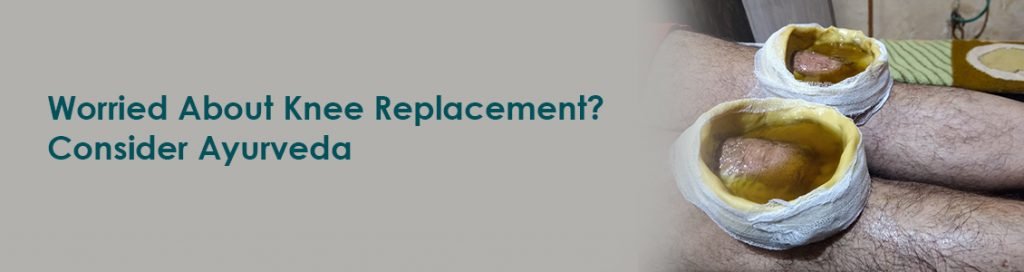
March 29, 2023 Worried About Knee Replacement? Consider Ayurved Contact Us +65 6398 0415 admin@ayurvedasg.com Recent Articles Are you concerned about the thought of undergoing knee replacement surgery? If so, you’re not alone. Many people experience anxiety and uncertainty when it comes to major medical procedures. “Fortunately, there are alternatives to knee replacement surgery that can provide relief without the risks and recovery time associated with surgical intervention. One such option is Ayurveda, which has been used for centuries to treat the joints,” says Dr Ajith Kumar, Director and Principal Consultant of Ayush Ayurveda, Singapore, Little India Branch. The doctor of Ayurveda explains the reasons for knee pain, joint aches and arthritis: The main causative factors of the pain are due to Ama and vata aggression. Dr Aith Kumar emphasises that in order to strengthen the joints, blood circulation around it should be increased. This also helps the muscles and soft tissues around the affected area. The increased blood circulation will: Ease pain Lubricate joints Improves bone density Reduces back and neck pain In the case of knee pain, Ayurveda offers several treatments that can help alleviate discomfort and improve mobility. Ayurvedic physician Dr Ajith Kumar elucidates that, one of the most common treatments for the disease is massage therapy or Abhyanga. The whole body is massaged with warm herbal oil to improve circulation, reduce inflammation, and provide relief from pain, explains the doctor. The doctor throws light on Ayurvedic treatment for knee pain _ Panchakarma. “It is a detoxification process that involves the use of herbal remedies to eliminate toxins from the body. It also involves various therapies such as herbal steam therapy, oil massages and herbal enemas. This can help to reduce inflammation and improve joint function, leading to less pain and better mobility,” reveals the doctor at Ayush, Singapore. The doctor goes on to give details about another effective Panchakarma therapy called Janu Basti. He says that it is one of the best to relieve patients of chronic knee and bone-related disorders. What is best about this therapy is that it is also a preventive measure. Healthy individuals can take this to be healthy and keep themselves free of mobility problems or degenerative disorders. What is Janu Basti? The name itself is a very interesting quip, Dr Ajith Kumar. It is made of two words in Sanskrit (Janu – referring to the knee joint & Basti – which signifies holding). The doctor assures that the oil-pooling treatment is an incredible pain-relieving therapy of Ayurveda. Dr Ajith describes the procedure: With a considerable amount of wet dough of black gram flour a dam-like structure is built around the knee. Medicated oils, meant to soothe the knee, are poured inside and left there for some time. The oil that is stagnant on the knee, seeps into the skin, joints and the tissues around. The herbal oil lubricates the joints, comforts and reduces pain and inflammation. The Ayurvedic doctor stresses that after the patient undergoes Janu Basti, a full-body massage with calming herbal oils is necessary. Dr Ajith Kumar asserts that only then toxins can be eliminated from the body and the nervous system in turn can be calmed. “Janu Basti, therefore, gives rest, nourishes and rejuvenates the entire body. It also moisturizes the skin, improves lymphatic flow and brings down inflammation,” informs the doctor of Ayurveda at Ayush, Singapore. Patra Pinda Sweda is another therapeutic Ayurvedic treatment that involves the use of heated herbal poultices, to help alleviate pain and inflammation, says Dr Ajith Kumar. What are these poultices? Explains the doctor: The poultices are made up of a variety of herbs, which are chosen based on the individual’s specific needs. These herbs may include ginger, turmeric, coriander, cinnamon, and more. Dr Aith Kumar explains that the poultices are heated by dipping them in warm herbal oil and then placing them on specific areas of the body, such as the knees. The heat and the herbs work together to help reduce pain and swelling and improve joint mobility. My team here at Ayush, Singapore, usually begins the treatment with a full-body massage using warm herbal oil, revealed the Ayurvedic doctor. After the massage, the heated poultices are applied to the affected area, which is then covered with a cloth to retain the heat. The poultices are then gently pressed and massaged on the area to help release the herbal extracts. This really helps to alleviate pain, assures Dr Ajith Kumar. The duration and frequency of Patra Pinda Sweda therapy is not the same for every patient, says the doctor. It depends on the severity of the condition and the individual’s response to the treatment. Generally, it is recommended to undergo the treatment for a minimum of 7-14 days, followed by periodic sessions for maintenance, explains Dr. Ajith, Ayush Singapore. It is not enough to take just these treatments, clarifies the doctor. He insists that it is very important to follow a healthy diet and lifestyle. The doctor is of the view that to relieve the pain in the knee, one has to address the problem of digestion. There is a dire need to enhance the body’s digestion power to reduce vata and only then it will aid to reduce the accumulation of undigested toxic materials in the body. If you want your joints to cooperate even as you age, you must include plenty of fruits and vegetables and whole grains in your diet, spells out Dr. Ajith Kumar. Director and Principal Consultant of Ayush Ayurveda, Singapore, suggests the following herbs to get relief from arthritis-related pain. Nirgundi: This herb has anti-inflammatory, anti-convulsing and anti-oxidant properties which help joints to recover fast. Ajwain: It has anaesthetic properties and helps to handle pain during nippy weather conditions. Dashmool: Has analgesic and sedative properties to cure joint pain. Shallaki: Strengthens joints from within, brings down swelling and alleviates pain. Ginger: This superfood has exceptional antiseptic and anti-inflammatory properties that increase blood circulation in the affected areas. “Joint function can be improved
Liver abscess and its ayurvedic management
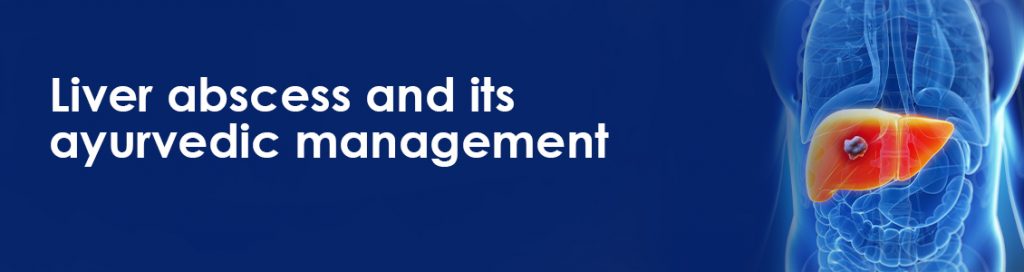
March 28, 2023 Liver abscess and its ayurvedic management Contact Us +65 6398 0415 admin@ayurvedasg.com Recent Articles A liver abscess cannot be brushed away and must be taken seriously, says Dr. V. C. Ajith Kumar, Director and Principal Consultant of Ayush Ayurveda, Singapore, Little India Branch. What is a Liver abscess? Explains the doctor: It is a mass that develops in the liver. It might occur after an injury or due to an intrabdominal infection that could have disseminated from the portal circulation. This mass is filled with pus and could be due to the formation of bacteria or parasites. It is a serious problem that has to be addressed quickly because the liver might get affected seriously if the infection is passed on to it either through the hepatic vein or biliary tree or even trauma, warns Dr. Aith Kumar, Physician of Ayurveda, Ayush Singapore. CAUSES OF LIVER ABSCESS Abscess of the liver happens due to various infections in the abdomen such as a liver injury, perforated bowel or even appendicitis, explains Dr. Ajith Kumar. An infection in the blood, due to streptococcal bacteria or the bile duct can trigger the condition. Such infections cause different types of liver abscess: A pyogenic abscess occurs when a pus-filled pocket forms in the liver. When pus is collected in the liver due to the action of an intestinal parasite (Entamoeba histolytica), Amoebic liver abscess is caused, elucidates the doctor. Dr. Ajth Kumar clearly stated that prolonged exposure to congenital and acquired immunodeficiency causes fungal abscess and latrogenic abscess is a complication of hepatic artery ligation for tumours. The veteran doctor of Ayurveda alerts that when a person develops chest pain or pain in the right abdomen, he must not rule out liver abscess as one of the cause. Throwing more light on the symptoms of liver abscess, Ajith Kumar elaborates that the patient might be troubled by night sweats, loss of appetite, and also might quickly lose weight. Nausea and vomiting become an everyday phenomenon. Some people often have a fever and the body is jaundiced, he adds. TESTS FOR LIVER ABSCESS The doctor, one of the best Ayurvedic physicians in Singapore insists that liver function tests should be part of any master health check-up for those above 50. Once any of these symptoms develop, you must also do a complete blood count along with a CT scan. In some cases, we also suggest a liver biopsy, adds Dr. Aith Kumar. The doctor warns that once you know that your liver is affected, it is important to move away from alcohol and bring down obesity. “If you are a patient of Type 2 Diabetes mellitus, then more care should be taken. Biliary tract disease and being above 50 are a few risk factors to develop Liver abscess,” explains the expert Ayurvedic doctor. In Ayurveda, we say that liver abscess is caused by an imbalance of doshas (especially Pitta and Kapha), points out the expert Ayurvedic doctor. (While Pitta is responsible for digestion and metabolism, Kapha governs fluids and nourishment in the body) “It is a stage of imbalance when the liver begins to accumulate toxins or ama. The result is inflammation, infection and eventually the formation of an abscess”. Ayurveda also recognizes poor diet and lifestyle habits as contributing factors to the development of a liver abscess. Additionally, poor hygiene, contaminated water, and exposure to toxins can also increase the risk of liver abscess, points out Dr. Ajith Kumar. “Ayurveda, therefore, stresses good hygiene, regular exercise and stress management. All these contribute to the formation of Yakrit Vidradi, in Ayurveda.” The doctor, one of the best Ayurvedic physician, Ayush Singapore says that Yakrit Vidradi is a pitta-kapha disorder and as stated above its symptoms may include fever, abdominal pain, nausea, vomiting, loss of appetite and jaundice. If left untreated, Yakrit Vidradi can cause liver failure, sepsis or even death,” warns Dr. Ajith Kumar. Managing Yakrit Vidradi To deal with the disease, Ayurvedic physicians suggest a combination of herbal remedies and dietary modifications and even lifestyle changes. We can always support it with Panchakarma, adds Dr. Ajith Kumar. We, at Ayush, give you a good combination of herbs to treat Yakrit Vidradhi. Giloy, Kutki, Yava, cardamom, liquorice and several others promote liver healing, elaborates the veteran doctor of Ayurveda. The doctor talks about the characteristics of the herbs used to treat the disease. Giloy (Tinospora cordirolia) – Has immunomodulatory and anti-inflammatory properties and boosts the immune system’s response to infections. Yava (Hordeum vulgare) _ Commonly called barley, the grain is rich in antioxidants and has anti-inflammatory properties and promotes healing. Bhumi amalaki (Phyllanthus niruri) – Traditionally used in Ayurveda to treat liver disorders. It has hepatoprotective and anti-inflammatory properties. Reduces inflammation and supports liver function. Shunthi (Zingiber officinale) – It is a common spice with a lot of anti-inflammatory and antioxidant properties and promotes healing in the liver. Astragalus (Astragalus membranaceus) and Liquorice (Glycyrrhiza glabra) support function and reduce inflammation of the liver. The ubiquitous turmeric with its potent anti-inflammatory and antioxidant properties and garlic with its antimicrobial properties help to ward off infections and inflammation of the liver. Cardamom (Elettaria cardamomum) promotes healing. All these herbs or a combination of these herbs are advocated by our Ayurveda physicians in the form of capsules, churnams or kashayams, depending on the body condition of the patient, informs Dr. Ajith Kumar of Ayush Ayurveda, Singapore. The treatment at Ayush also involves the usage of several oils for managing liver abscess, states the veteran doctor of Ayurveda. He lists out the following oils: Castor oil: It helps to remove toxins from the body and improve digestion, which can be helpful in managing liver abscess. Coconut oil: It is known for its anti-inflammatory and anti-bacterial properties and helps to reduce inflammation and infection in the liver. Sesame oil: It is considered a nourishing oil in Ayurveda. It strengthens the liver and improves its function. Mustard oil: Its anti-inflammatory and anti-bacterial properties, can be helpful in