
5 Ayurvedic Herbs to Combat Common Ailments
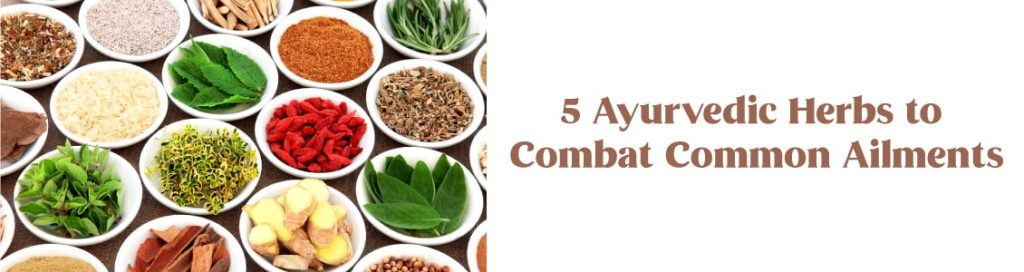
July 7, 2023 5 Ayurvedic Herbs to Combat Common Ailments Contact Us +65 6398 0415 admin@ayurvedasg.com Recent Articles Ayurveda, as we know, is an ancient Indian system of medicine, has been gaining popularity across the globe for its holistic approach to healing. According to V.C. Ajith Kumar, Director and Principal Ayurveda Consultant, herbs derived from plants have been used for centuries to treat various ailments and promote overall well-being. These natural remedies offer a gentle yet effective solution to common health issues without the side effects often associated with conventional medicine. Common ailments and their causes Before delving into the world of Ayurvedic herbs, it’s important to understand the common ailments they can address. V.C. Ajith Kumar, Ayurvedic Consultant, says, “From coughs and colds to digestive issues and stress-related disorders, our modern lifestyles often leave us susceptible to various health problems. These ailments can be caused by poor diet, lack of exercise, stress, environmental toxins, and genetic predispositions. By identifying the root causes of these conditions, we can better address them using Ayurvedic herbs as a natural and holistic approach.” Ayurvedic herbs for natural remedies One of the key advantages of using Ayurvedic herbs is their ability to promote balance and harmony in the body, says the consultant at Ayurvedic Singapore. “Ayurveda believes that imbalances in the doshas, or energy forces, lead to disease and discomfort. These herbs help restore balance by addressing the underlying causes of ailments rather than merely suppressing symptoms,” adds the Ayurveda Singapore consultant. Moreover, Ayurvedic herbs are known for their gentle yet powerful healing properties, making them suitable for people of all ages and constitutions. They also support the body’s innate healing mechanisms, aiding in long-term wellness. Ayurvedic herb #1: Ginger Ginger, a well-known Ayurvedic herb, has been used for centuries to ease sore throat and improve digestion. “Ginger is a warming herb that helps to relieve congestion, cough, and sore throat. It also has anti-inflammatory and antioxidant properties,” says an Ayurvedic Consultant. Ginger (Zingiber officinale) is used to relieve nausea, vomiting, and motion sickness. According to a practitioner at Ayurvedic Singapore, to incorporate ginger into your daily routine, you can make ginger tea. This is a classic way to enjoy ginger. Steep fresh ginger piece in hot water for 5 to 10 minutes. You can use a drop of honey or lemon to taste. If you have nausea or motion sickness, try drinking ginger tea. Sucking on ginger candy will also help. If you are having a sore throat, try gargling with ginger tea or adding grated ginger to your favourite hot beverage. If you have muscle pain, try rubbing ginger essential oil on the affected area. If you have indigestion, add grated ginger to your food or drink ginger tea. However, one should approach an Ayurveda Consultant if the symptoms persist. Ayurvedic herb #2: Tulsi Tulsi (Ocimum sanctum) is a powerful herb with many medicinal properties. It is used to boost the immune system, fight infection, and relieve symptoms of colds and flu. An Ayurveda Singapore consultant says that Tulsi Kadha is a traditional Ayurvedic tea made with tulsi leaves, ginger, and peppercorns. It is believed to help boost the immune system and relieve symptoms of colds and flu. You can incorporate tulsi into your daily routine by making tulsi tea. Tulsi tea is a delicious and refreshing way to enjoy the herb. You can prepare it by steeping fresh or dried leaves of tulsi in hot water for 5-10 minutes. One can also include tulsi in your food. Tulsi can be added to various dishes, both savoury and sweet. Add it to stir-fries, curries, soups, smoothies, or baked goods. Tulsi essential oil can be used in aromatherapy or applied to the skin. It is said to have calming and relaxing properties. Ayurvedic herb #3: Turmeric Turmeric (Curcuma longa) is another powerful herb with anti-inflammatory and antioxidant properties. It is used to relieve pain, inflammation, and congestion. You can include turmeric in your daily life. Make turmeric tea. Turmeric tea is a delicious drink. It is an easy way to get your daily dose of turmeric. You can make it by steeping turmeric powder in hot water for 5-10 minutes. Honey or lemon can also be added for better taste. An Ayurvedic Consultant at Ayurvedic Singapore says, “Golden milk is made with turmeric, honey, and milk. It’s anti-inflammatory and antioxidant properties, which helps to relieve symptoms of colds and flu.R#8221; Turmeric can be added to various dishes, both savoury and sweet. Add it to stir-fries, curries, soups, smoothies, or baked goods. An Ayurveda Consultant says, “We can also use Turmeric as a topical treatment for pain and inflammation. You can make a turmeric paste by mixing turmeric powder with coconut oil or water and applying it to the affected area.” Ayurvedic herb #4: Licorice Licorice is a sweet, flavorful herb used for centuries for its medicinal properties. Licorice (Glycyrrhiza glabra) is a soothing herb that helps to relieve cough, sore throat, and dry mouth, says a practitioner at Ayurveda Singapore. It also has anti-inflammatory and antioxidant properties. You can take licorice tea into your daily routine. This is a classic way to enjoy licorice. Steep a piece of fresh licorice root in hot water for 5-10 minutes. You can use honey or lemon to taste. You can also add licorice to your food. Licorice can be added to various dishes, both savoury and sweet. Add it to stir-fries, curries, soups, smoothies, or baked goods. Ayurvedic herb #5: Ashwagandha As per a practitioner at Ayurveda Singapore, Ashwagandha (Withania somnifera) is an adaptogenic herb. It has been used in Ayurvedic medicine for centuries to improve overall health and well-being. It is said to have many benefits, including reducing stress, anxiety, and fatigue, improving sleep, and boosting the immune system. You can include ashwagandha into your daily routine by making ashwagandha tea. Steep ashwagandha powder in hot water for 10 minutes. You can also add honey or lemon. Conclusion Ayurvedic herbs offer a treasure trove
Nurturing the little ones with a good massage

June 30, 2023 Nurturing the little ones with a good massage Contact Us +65 6398 0415 admin@ayurvedasg.com Recent Articles The healing system of Ayurveda gives a lot of importance to touch and nurturing from birth. It considers it as a vital component of a child’s upbringing and also its overall well-being, opines V. C. Ajith Kumar, Principal Consultant and Director of Ayush, Singapore, Little India branch. “This practice has been passed down through generations in our country.” Delving deeper into the practice Mr. Ajith says that it has a lot of benefits, and techniques and also fosters a profound connection between the caregiver and the Shishu or baby. Sishu Abhyanga, which is specifically designed for babies and is aimed at improving their overall health. Choosing the right oil “We cannot haphazardly apply any oil on infants or even toddlers. During Shishu Abhyanga, natural oils are used to massage the baby’s body in a loving and soothing manner. The oil chosen for the massage depends on the baby’s specific constitution or dosha” explains the Ayurvedic expert. He states the oils that are commonly used in the massage. They include sesame oil, coconut oil, or almond oil, which are known for their nourishing and moisturizing properties,” explains the Ayurvedic consultant. “Coconut oil is one of the best and most harmless ones as it helps cool the baby’s body. Its moisturizing properties are unique and prove to be beneficial to the baby. Therefore it is one of the best options. Almond oil, gentle and rich in nutrients, is often preferred for babies with sensitive skin”, points out the Ayurvedic consultant. Benefits of Sishu Abhyanga The Ayurvedic consultant lists out some of the benefits of massage on babies. Bonding and Emotional Development: Shishu Abhyanga provides an opportunity for intimate bonding between the caregiver and the baby. Usually, it is done by the mother whose loving touch creates a bond between her and the baby, fostering a sense of security, trust, and emotional well-being in the child. Healthy Growth and Development: The gentle massage techniques of Shishu Abhyanga contribute to the healthy development of the baby’s musculoskeletal system. The carefully applied pressure and movements help stimulate blood flow, improve flexibility, and support the growth of muscles and bones. Improved Digestion: Ayurvedic massage techniques, such as clockwise abdominal strokes, can aid digestion and alleviate common discomforts like gas and colic. The massage promotes healthy bowel movements and helps regulate the digestive system, leading to a happier and more comfortable baby. Calming and Relaxing: The soothing nature of Shishu Abhyanga has a profound calming effect on babies. The rhythmic strokes and gentle touch help release tension, reduce restlessness, and promote relaxation. It can be particularly beneficial for babies who experience difficulty settling down or have trouble sleeping. Enhanced Circulation: Through the application of warm oils and gentle massaging movements, Shishu Abhyanga promotes healthy blood and lymphatic circulation in the baby’s body. Improved circulation boosts the supply of oxygen and nutrients to cells, supporting overall growth and vitality. Guidelines for practising Shishu Abhyanga When engaging in Shishu Abhyanga, it is important to ensure that the baby is laid down on the mattress and in a comfortable position, points out V.C. Ajith Kumar. It is essential to follow the guidelines given below, says Mr Ajith: Choose a calm and warm environment for the massage, free from distractions. Use gentle, slow, and rhythmic strokes, keeping the pressure light and appropriate for the baby’s comfort. Start with the baby’s limbs and gradually move towards the abdomen and back. Observe the baby’s cues and adjust the massage techniques accordingly. Respect their preferences and boundaries. Avoid massaging areas with rashes, wounds, or any skin conditions. Pay attention to the baby’s feedback and adjust the duration and frequency of massages as per their needs. Conclusion Shishu Abhyanga is a beautiful and time-honoured tradition that encompasses the wisdom of Ayurveda to nurture and support the growth of infants, elucidates the consultant of Ayurveda. He justifies that through this gentle and loving practice, caregivers can create a special bond with their little ones while providing numerous benefits for their physical, emotional, and overall well-being. “When the mother does this massage to the baby, it imparts everlasting love, security, and comfort to it. Babies can receive her pure love through every touch and stroke during the massage. Thus Shishu Abhyanga is a truly invaluable gift from the heart,” reveals the Ayurvedic expert, Mr Ajith Kumar of Ayush Ayurveda, Singapore.
Shatavari, the wonder herb

June 21, 2023 Shatavari, the wonder herb Contact Us +65 6398 0415 admin@ayurvedasg.com Recent Articles A herb that does wonders for females _ helps their reproductive health, improves libido and also their body condition _ is the Shatavari, confidently says Mr. V. C. Ajith Kumar, Director and Principal Consultant of Ayush Ayurveda, Singapore, Little India branch. The botanical name of this medicinal plant is Asparagus racemosus. Description The Principal consultant of Ayush describes the plant as a spiny one with numerous branches. It has tuberous roots and scaly leaves. White are its flowers and globose berries are the fruits that are produced on its stems. “The spiny Shatavari actually grows well in the tropics and in the subtropical regions. “In fact, it can also be found in the Himalayas up to a height of 1,500 metres above sea level. The shrub Shatavari which has an energy value of 180 kcal/100g.2 can also be found in Sri Lanka, Australia, Indonesia and Africa,” informs Mr. Ajith. Smilingly, he calls out some of the common names of Shatavari. Due to its immense therapeutic properties, it is used in the entire country and is known by different names in different places. Shatmuli in Bengali Satavari in Gujarati Satavar in Hindi Wild asparagus in English Tannirvittan, Nirmittan in Tamil Pilli gaddalu Ammaikodi in Telegu and so on. Benefits of Shatavari Generally, Shatavari powder is taken by mixing it with water which is at room temperature. As it has a bitter-sweet taste, it can be taken along with milk too, says the Ayurvedic specialist. Mr. Ajith Kumar points out that due to the myriad benefits, it can offer for so many conditions and illnesses, it is very popular and is used to manage depression, kidney stones, glucose intolerance, inflammation, memory problems and even pain. Mr. Ajith further adds several other benefits of the herb. _ It can slow down ageing _It can boost immunity _ It can address almost all the problems of the female reproductive organs _ It can help with problems of infertility. Its roots are special and can help manage tumours, blood, eye disorders, joint pain, liver and kidney problems and many other therapeutic applications. In females: Called a female tonic, this rejuvenating herb helps to improve ovulation, help conception, prevent miscarriage and strengthen the uterus. It is said to help a female who is facing postpartum blues, increases lactation. In the elderly, it helps to handle menopause with clarity and positivity, clarifies the Ayurvedic consultant . He points out that one problem that plagues the young girls of these days is polycystic ovarian syndrome. The Shatavari is said to help with follicular growth and ovulation, the lack of which is what young women suffer from. If these young women already are in an Ayurvedic regimen, then it is very easy to introduce this herb as part of it and derive its benefits. For instance, it can be given along with Shatapushpa, and gudichi to manage the condition of the ovaries, he informs. Its other benefits are, points out Mr Ajith Kumar: Role in Neurology: Shatavari is a good nervine tonic. It can help neuro patients manage Alzheimer’s, slow dementia, and handle Parkinson’s and other neurodegenerative disorders. Anti-bacterial properties: The root extracts of the herb have been found to be effective against several bacteria such as Vibrio cholera, Salmonella typhi, Bacillus subtilis, Staphylococcus aureus and many more. Mr. Ajith elaborates that researchers have also found that this herb can inhibit the development of Entamoeba histolytica with the help of an aqueous solution of the extract of its roots. Anti-oxidant property: Produces three anti-oxidants _ Racemofuran, asparagamine A and racemose. It also reduces protein oxidation. Anti-ulcer nature: The shrub can help manage gastric ulcers, stomach ulcers and ulcers of the duodenum. The roots and the aqueous extracts can bring down diarrhoea. Adaptogenic compound: Basically Shatavari helps to deal with stress, says Mr. Ajith Kumar. It is said that when patients are given an aqueous extract of the herb, they can feel relief from any stress _ be it physical, chemical or biological. The same extract is also said to improve lactation in both animals and humans, adds the ayurvedic consultant. Side effects Actually, the herb has no side effects and can be used for a long time but in some cases, patients might develop cardiac problems. If you are a lactating mother, it is best to consult a physician before going ahead. If you are allergic to the Lillaceae family, (onions, garlic etc), you might turn out to be allergic to Shatavari also. Exercise caution before taking up this herb without consulting an Ayurveda physician, advises the Ayurvedic expert of Ayush Singapore.
Foods to be avoided in Vata rakta and why?

June 20, 2023 Foods to be avoided in Vata rakta and why? Contact Us +65 6398 0415 admin@ayurvedasg.com Recent Articles The food we take either builds our health or spoils it. It can cause an imbalance in the three doshas and lead to infections and illness. For instance, joints are affected due to vitiation of vata and rakta and the condition is then known as vatarakta, explains V. C. Ajith Kumar, Director and Principal Consultant of Ayush, Singapore, Little India branch. The consultant informs that this Vatarakta is of two types _ Uttanvatarakta and Gambhirvatarakta. Each of them produces unique symptoms. While a burning sensation, intense itch and discolouration of the skin are characteristics of Uttanvatarakta, swelling, tenderness and pain are associated with Gambhirvatarakta. “When the levels of uric acid rise in the body, it causes inflammation of joints and it is also accompanied by intense pain in the body. Therefore, it is important to balance vata dosha to manage vata rakta,” clearly states the Ayurvedic specialist. It is the food we take that affects the levels of uric acid in the body and therefore it is important to keep a strict watch on what we eat, informs Mr. Ajith Kumar. Are you wondering what this uric acid is all about? Let me explain, says the consultant. Uric acid is nothing but a waste product that is produced in the blood. This product is obtained only when chemicals called purines are broken down and most of it actually dissolves in the blood itself. It is excreted along with the urine. The purines which are the primary source of uric acid are present in high levels in certain types of food and drinks. Foods high in purines can. Here are some foods that are recommended by the Ayurvedic consultant to avoid or minimize if you have Vata Rakta: High-Purine Foods: Purines are substances that break down into uric acid in the body. Foods high in purines can contribute to increased uric acid levels and worsen symptoms. Some examples include organ meats (liver, kidney, etc.), red meat, shellfish, and certain types of fish (sardines, anchovies, shrimp, lobster). Alcohol: Alcohol can interfere with uric acid metabolism and increase its production, leading to higher levels in the body. (Beer, especially has very high purine content and therefore should be definitely avoided). Sugary Foods and Drinks: Excessive consumption of sugary foods and beverages, such as soft drinks, sweets, and desserts, can contribute to weight gain and may trigger or worsen gout symptoms. Added to these, sugary foods do not have high nutritional value too. Processed Foods: Processed foods often contain high amounts of unhealthy fats, added sugars, and additives that can contribute to inflammation and exacerbate symptoms. For example, one should refrain from packaged snacks, and any sort of processed meats as it aggravates Vata Rakta. Certain Vegetables: While vegetables are generally considered healthy, some high-purine vegetables may need to be limited if you have Vata Rakta. These include asparagus, cauliflower, mushrooms, spinach, and peas. C. Ajith Kumar insists that it is important to consult with an Ayurvedic specialist or healthcare professional to determine which vegetables are appropriate for your body and the severity of the condition. Symptoms What exactly happens when this waste product or uric acid circulates in the body? Explains the consultant of Ayurveda: When there is too much of uric acid in the blood, they begin to crystallise and settle around the joints. The person then begins to feel extreme pain and when the crystals move into the kidneys, they form kidney stones. Over a period of time, if the high levels of uric acid go unnoticed, your BP shoots up or creates an imbalance in the sugar levels or causes a fatty liver. The consultant of Ayurveda points out that normally the first symptoms are noticed only in the small joints and that too in the foot. Itching, pain, numbness and other symptoms develop only later and slowly move to the upper part of the body and then to all the joints. Mr Ajith goes on about the general symptoms in the affected joints which include _ Numbness, burning sensation, restricted movements, unbearable pain and discomfort. Ayurveda helps to manage this condition by following a healthy diet, reducing weight, dinacharya and ayurvedic medicines for dosha imbalance in the body. These can also help to regulate uric acid levels in the body. FOODS TO AVOID Therefore, one should refrain from salty foods (Lavana), pungent foods (Katu), sour (Amla), alkaline (Kshara), Oily (Snigdha), Hot foods (Ushna), excess moist food and dry (Klinna & Shushka), radish (Moolaka), horse gram (Kulattha), sugarcane (IKshu) and curds. You should also avoid sleeping during the day or keeping awake till late at night. “Watch what you eat,” concludes Ajith Kumar, Ayurvedic specialist, Ayush, Singapore.
Unravelling health benefits of a tropical wonder Bael fruit
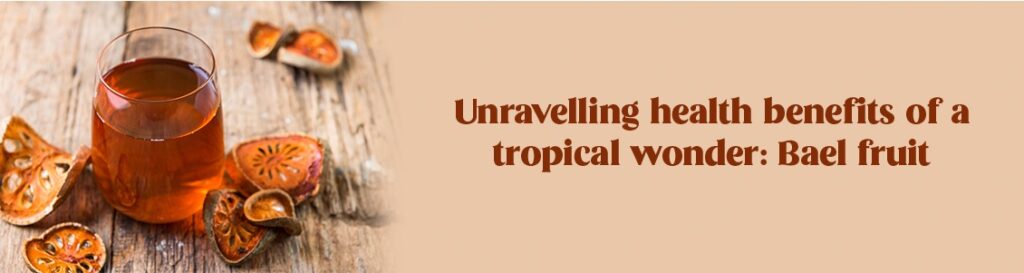
June 19, 2023 Unravelling health benefits of a tropical wonder Bael fruit Contact Us +65 6398 0415 admin@ayurvedasg.com Recent Articles The Bael fruit, Aegle marmelos, is an unsung hero in the fruit family. It is a native of Southeast Asia but is also common in Sri Lanka, India and thrives well in warm climes. Ajith Kumar, Principal Consultant of Ayush Singapore, bats for this humble fruit. When summer sets in it is the king of fruits (Mango) that fills the mind and haunts the memories of the people, and not the Bael which is almost ubiquitous in any tropical country. “Popularly, it is called wood apple (although it hardly resembles a normal apple), smilingly says Mr. Ajith. He describes the fruit as one which is a rich source of fibre, calcium and vitamins (A & B2). He says that the fragrant fruits of summer are sought after and people refrain from this due to its pungent smell. “This is one of the best fruit that can cool your body in summer,” highlights Mr. Ajith, ayurvedic specialist, at Ayush Singapore. “People will begin to relish the Bael fruit as and when they realise the health benefits it offers,” says Mr. Ajith, confidently. The Bael Fruit as described by the Ayurvedic consultant: The rind of the fruit is woody and yellow. The pulp is soft and mushy. The aroma of the fruit is heady and it is either liked or most disliked (depending on the person). It also tastes sweet, tangy and musky at the same time. States Mr. Ajith Kumar: The Bael has numerous health benefits. Let me list out a few: Bael, natural digestive tonic: If you have any gut issues, then Bael fruit juice is just for you, assures Mr. Ajith. “Being rich in tannins, it is ideal for indigestion and diarrhoea. Its anti-bacterial and anti-fungal properties aid digestion,” points out the Ayurvedic specialist. The juice cools your body, kindles your appetite, and relieves fatigue. Bowel movements are made easy due to the rich fibre in it, elaborates the consultant of Ayurveda. It prevents constipation and also aids in relieving symptoms of digestive disorders like diarrhoea, indigestion, and irritable bowel syndrome (IBS). Antimicrobial Properties: Bael fruit has antimicrobial and antibacterial properties that may help combat various infections caused by bacteria, fungi, and parasites. “It is believed to be effective against certain strains of bacteria like Escherichia coli (E. coli) and Staphylococcus aureus,” points out the Ayurvedic consultant. Rich in Antioxidants: Mr. Ajith reveals that this fruit is rich in antioxidants such as beta-carotene, vitamin C, and flavonoids. These compounds help protect the body against damage caused by harmful free radicals, thereby reducing the risk of chronic diseases, including heart disease and certain types of cancer. Immune System Support: The Bael fruit contains vitamin C, which is essential for a healthy immune system. Adequate intake of vitamin C helps strengthen the immune system, protects against infections, and aids in faster recovery from illnesses, explicates Mr. Ajith Kumar. Respiratory Health: The specialist of Ayurveda further describes the Bael fruit as one which has good respiratory benefits. “It may help relieve symptoms associated with respiratory conditions like cough, cold, bronchitis, and asthma. Its expectorant properties can help expel mucus from the respiratory tract, providing relief from congestion,” he says. Side Effects of Bael Fruit We should never rule out side effects of any fruit or vegetable, clarifies Mr. Ajith Kumar. It is always best to find out if it suits you. He throws light on some of the side effects: Allergic Reactions: Some individuals may experience allergic reactions to bael fruit, says the specialist of Ayurveda. Symptoms can range from mild skin rashes and itching to more severe reactions such as swelling of the face, lips, or throat. If you are allergic to bael fruit, it is best to avoid consuming it. Blood Sugar Control: Ajith Kumar of Ayush Singapore reveals that the Bael fruit has a natural sweetness and contains carbohydrates, so individuals with diabetes should consume it in moderation. It is advisable to monitor blood sugar levels when incorporating bael fruit into the diet, he advises. Interference with Medications: Bael fruit may interact with certain medications, warns the Ayurvedic specialist. For example, it can enhance the effects of anti-diabetic medications, leading to low blood sugar levels. If you are taking any medications, especially for diabetes or blood sugar control, consult your healthcare provider before adding bael fruit to your diet, says the specialist. Constipation (Excessive Consumption): While bael fruit can relieve constipation when consumed in moderate amounts, excessive intake may have the opposite effect and lead to constipation or digestive discomfort. It is important to consume it in moderation and drink enough water to prevent dehydration, cautions the Ayurvedic consultant. It is worth noting that individual reactions may vary, and it’s always a good idea to consult with a healthcare professional or a registered dietician. This aspect is very important, especially if you already have glucose intolerance or if you suffer from any health condition, concludes the Principal Consultant, Ayush Singapore.
Exploring the healing power of herbs and spices in Ayurveda
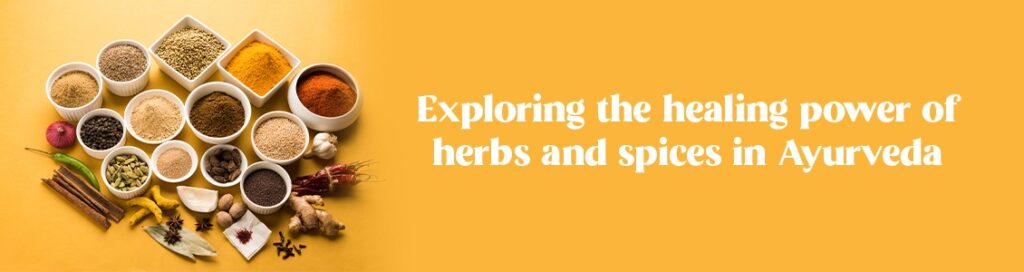
June 19, 2023 Exploring the healing power of herbs and spices in Ayurveda Contact Us +65 6398 0415 admin@ayurvedasg.com Recent Articles Ayurveda, the ancient system of medicine from India, gives a lot of importance to herbs and spices for promoting health, balance and well-being, says V. C. Ajth Kumar, Director and Principal Consultant of Ayush Singapore, Little India branch. Ayurveda holds a profound understanding of the therapeutic potential of herbs and spices. These natural ingredients have been utilized for centuries to promote health, restore balance, and enhance well-being, explains the Principal Consultant. He now asks to delve into the world of Ayurvedic herbs and spices, explore their medicinal properties, traditional uses, and their relevance in modern wellness, along with him. The ayurvedic specialist draws our attention to some commonly used herbs and spices in Ayurveda: Ashwagandha (Withania somnifera): It is one of the most revered herbs in Ayurveda. Known as an adaptogen, it helps the body adapt to stress and promotes overall vitality, says Mr. Ajith. It is believed to support the immune system, enhance cognitive function, improve energy levels, and promote a sense of calm and relaxation. Ashwagandha is commonly used in herbal formulations and is available in various forms such as powders, capsules, and tinctures, adds the ayurvedic specialist. Turmeric (Curcuma longa): It is a vibrant yellow spice renowned for its potent anti-inflammatory and antioxidant properties. Its active compound, curcumin, has been extensively studied for its potential to support joint health, promote healthy digestion, and protect against oxidative stress, explains Ajith Kumar of Ayush Ayurveda, Singapore. Turmeric is commonly used in cooking, and turmeric supplements are also available to harness its therapeutic benefits. Ginger (Zingiber officinale): Ginger, with its warming and digestive properties, is a staple herb in Ayurvedic medicine. It is known to aid digestion, alleviate nausea and vomiting, and support respiratory health, points out the Ayurvedic specialist. “Ginger can be consumed in various forms, such as fresh root, dried powder, or as a soothing herbal tea”. Holy Basil (Ocimum sanctum): Also known as Tulsi, Holy Basil is considered a sacred herb in Ayurveda. It is revered for its adaptogenic, immune-enhancing, and stress-relieving properties. “Holy Basil is used to promote mental clarity, support respiratory health, and strengthen the immune system. It can be consumed as a herbal tea or taken in supplement form,” elaborates Mr. Ajith Kumar. Cumin (Cuminum cyminum): “Cumin seeds are widely used in Ayurvedic cooking for their digestive benefits. Cumin aids in digestion, alleviates bloating and flatulence, and supports healthy metabolism. It can be used as a spice in various dishes or consumed as a tea to support digestive health,” says the Ayurvedic Specialist. Triphala: It is a blend of three fruits: Amalaki (Indian Gooseberry), Bibhitaki (Bahera), and Haritaki (Chebulic Myrobalan). It is a renowned herbal formula in Ayurveda and is known for its gentle cleansing and detoxifying properties. Ajith Kumar clearly states that Triphala supports healthy digestion, promotes regular bowel movements, and nourishes the body with antioxidants. It is available in powder or capsule form. Cardamom (Elettaria cardamomum): It is a fragrant spice widely used in Ayurvedic cuisine. It is known for its digestive properties, aiding in the digestion of food and reducing bloating. Cardamom also has cooling effects on the body and is often used in Ayurvedic formulations to balance excess heat or Pitta. Brahmi (Bacopa monnieri): Brahmi is a renowned herb for promoting mental clarity, memory, and cognitive function. “It is used to support brain health, reduce mental fatigue, and enhance concentration. Brahmi is available in various forms, including capsules, tablets, and herbal oils for external application,” elucidates the expert of Ayurveda. Trikatu: It is a blend of three pungent spices: ginger, black pepper, and long pepper. Ajth Kumar is of the view that this powerful combination helps stimulate digestion, support metabolism, and promote healthy respiratory function. Trikatu is often used to alleviate digestive discomfort and enhance nutrient absorption. Enlightening us more about the herbs and spices that play a vital role in Ayurveda, Ajith Kumar says that they offer a natural and holistic approach to health and well-being. “These traditional remedies are celebrated for their therapeutic properties and have stood the test of time. Incorporating Ayurvedic herbs and spices into your lifestyle can support various aspects of health, from digestion and immunity to mental clarity and stress management,” says Mr. Ajith firmly. However, it is important to consult with a qualified Ayurvedic practitioner or healthcare professional before using herbs and spices for specific health concerns or if you are taking any medications. Embrace the wisdom of Ayurveda and explore the healing power of these remarkable herbs and spices to enhance your overall wellness journey. Remember, nature provides us with a bountiful pharmacy of treasures to support our well-being and promote a balanced and harmonious life.
How Ayurveda helps ease Bhagandara
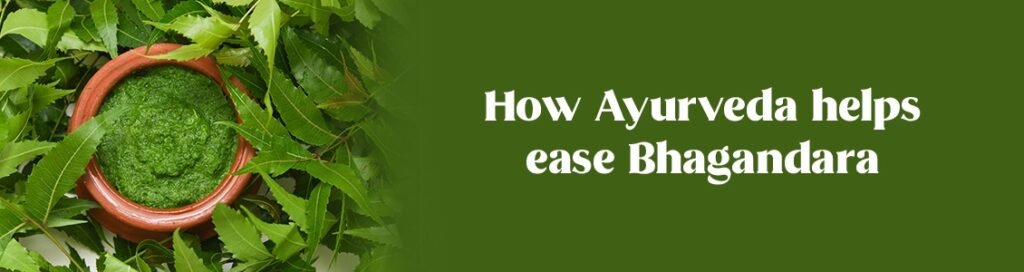
May 30, 2023 How Ayurveda helps ease Bhagandara Contact Us +65 6398 0415 admin@ayurvedasg.com Recent Articles Bhagandara, also known as fistula in ano, is a painful and uncomfortable condition. It is a condition that various factors, including poor hygiene, chronic constipation, and anal trauma, can cause. If you are suffering from Bhagandara, managing the condition and finding relief can be challenging. However, with the help of an Ayurveda consultant, you can manage the condition and improve overall health and well-being. Understanding Bhagandara and its causes Bhagandara is a condition that affects the anal region of the body. There is the formation of a tunnel-like channel that joins the anal canal to the skin around the anus. This channel can lead to the formation of an abscess, causing pain and discomfort. If left untreated, Bhagandara can lead to severe complications, such as sepsis or infection throughout the body. Bhagandara can be due to various reasons. Poor hygiene, chronic constipation, and anal trauma are common causes of the condition. Medical conditions such as Crohn’s disease and ulcerative colitis can also increase the risk of developing Bhagandara. How can Ayurveda help with Bhagandara? Ayurveda is a holistic approach to healthcare used for centuries to promote health and well-being. Ayurvedic consultants balance the body, mind, and spirit to promote overall health and wellness. For example, if you are suffering from Bhagandara, an Ayurveda consultant can help you manage the condition through various treatments. One of the most essential aspects of Ayurveda is diet and nutrition. Your Ayurveda consultant will work with you to develop a personalized diet plan designed to promote healing and reduce inflammation in the body. Additionally, Ayurvedic herbs and supplements can help manage the symptoms of Bhagandara. Benefits of consulting an Ayurveda consultant for Bhagandara There are several benefits if you meet an Ayurveda consultant if you have Bhagandara. One of the primary benefits is that Ayurveda is a holistic approach to healthcare on managing the whole body, not just the condition’s symptoms. This means that your Ayurveda consultant will try to identify the root causes and devise a personalized treatment plan to address those underlying issues. Additionally, Ayurveda is a natural and non-invasive approach to healthcare. Ayurveda management Many different Ayurvedic approaches can be used to manage Bhagandara. An effective Ayurvedic way for Bhagandara is using Ayurvedic herbs and supplements. Spices such as turmeric, ginger, and neem have anti-inflammatory and antibacterial properties that can help manage the symptoms of Bhagandara and promote healing. Lifestyle changes Lifestyle changes can help manage Bhagandara. For example, maintaining good hygiene is essential, as it can prevent the spread of infection and reduce inflammation in the area. Eating a healthy diet and including fruits, vegetables, and whole grains can help promote healing and reduce inflammation. What to expect during an Ayurveda consultation If you are considering consulting with an Ayurveda consultant for managing Bhagandara, knowing what to expect during your consultation is important. Your Ayurveda consultant will begin by taking a detailed medical history . They will then develop a personalized plan to address your needs and concerns. Home remedies In addition to lifestyle changes, a variety of Ayurveda home remedies can be used to manage Bhagandara. One effective home remedy is the use of a warm sitz bath. This involves sitting in a shallow tub of warm water for 10-15 minutes several times daily. This reduces inflammation. Another effective Ayurveda home remedy for managing Bhagandara is using a neem paste. Neem has antibacterial and anti-inflammatory properties. To use neem paste, grind fresh neem leaves. Grind to a smooth paste and apply it to the affected area. Conclusion By making lifestyle changes and consulting with an Ayurveda consultant, you can take steps to manage Bhagandara and improve your quality of life.
Ayurvedic Eye Care Tips For Healthy Eyes

May 23, 2023 Ayurvedic Eye Care Tips For Healthy Eyes Contact Us +65 6398 0415 admin@ayurvedasg.com Recent Articles Ayurveda, an ancient Indian medicine system, has existed for thousands of years. It is formed on the principles of the mind, body, and spirit balance to achieve optimal health. Ayurvedic eye care is a natural and holistic approach to maintaining healthy eyes and improving vision. Here are some different aspects of Ayurvedic eye care and tips and tricks to keep your eyes healthy and bright. Ayurvedic eye care involves not only taking care of the eyes but also the mind and body. This is because the eyes are connected to the brain and the nervous system, and any imbalance in these systems can affect eye health. Ayurvedic eye care involves a combination of natural remedies, lifestyle changes, and dietary modifications. It also includes eye exercises and the use of Ayurvedic herbs and products. Ayurvedic eye care aims to maintain healthy eyes and improve vision naturally, without using drugs or surgery. Understanding the doshas and eye health According to Ayurveda, the three doshas (Vata, Pitta, Kapha) are the primary energies that govern the body and mind. The doshas are responsible for maintaining balance in the body, and any imbalance can lead to diseases and disorders. Each dosha has a specific role in eye health. Vata dosha is behind the movement and circulation of bodily fluids, including the eyes. An imbalance in Vata dosha can lead to dry eyes, eye strain, and poor eye circulation. Pitta dosha is responsible for the metabolism and digestion of nutrients in the body. An imbalance in Pitta dosha can lead to inflammation in the eyes, redness, and sensitivity to light. Kapha dosha is responsible for lubrication and stability in the body. An imbalance in Kapha dosha can lead to excessive tearing, swollen eyes, and cloudy vision. The importance of a balanced diet for eye health Diet is crucial in maintaining healthy eyes and improving vision. According to Ayurveda, a balanced diet is critical for maintaining balance in the doshas and promoting overall health. In addition, a diet rich in nutrients such as vitamins A, C, and E and antioxidants benefits eye health. Carrots, leafy greens, and sweet potatoes are rich in Vitamin A and essential for maintaining healthy eyesight. Vitamin C, found in citrus fruits, berries, and peppers, helps reduce the risk of cataracts and macular degeneration. Vitamin E, found in nuts, seeds, and vegetable oils, helps protect the eyes from oxidative stress. Antioxidants, found in fruits and vegetables, safeguard eyes from free radicals. In Ayurvedic eye care, avoiding foods detrimental to eye health, such as processed foods, fried foods, and sugary drinks, is also important. These foods can lead to inflammation and oxidative stress, damaging the eyes. Eye exercises to improve vision Ayurvedic recommend eye exercises are a natural and effective way to improve vision and maintain healthy eyes. In addition, these exercises help improve eye muscle strength and flexibility, reduce eye strain, and improve blood circulation in the eyes. Palming: Rub your palms together to create heat and place them over your closed eyes. Relax and breathe deeply for a few minutes. Blinking: Blink rapidly for a few seconds, then close your eyes and relax. Repeat this exercise several times. Focus shifting: Focus on a distant object and then shift your focus to a nearby object. Repeat this exercise several times. Eye rotations: Look up and rotate your eyes clockwise and then anti-clockwise. Repeat this exercise several times. Figure of eight: Imagine a figure of eight before you and follow its shape with your eyes. Ayurvedic home remedies for common eye problems Ayurvedic home remedies are a natural and effective way to treat common eye problems such as dry eyes, eye infections, and conjunctivitis. These remedies are made from natural ingredients and are safe to use. Here are some Ayurvedic home remedies that you can try: Warm compress: Take a clean cloth. Soak it in warm water and place it on your closed eyes for a few minutes. This helps reduce eye strain and dryness. Rose water: Rose water has a cooling effect on the eyes and can help reduce eye strain. Soak a ball of cotton in rose water and keep it over closed eyes for a few minutes. Cucumber slices: Cucumber slices have a cooling effect on the eyes and can help reduce puffiness and dark circles. Place cucumber slices over your closed eyes for a few minutes. Aloe Vera: Aloe Vera is anti-inflammatory and antibacterial. It can help reduce inflammation and soothe the eyes. Apply Aloe Vera gel around your eyes. Leave it on for 10-15 minutes. Ayurvedic eye care practices for a healthier lifestyle Ayurvedic eye care is about taking care of the eyes and maintaining a healthy lifestyle. Here are some Ayurvedic eye care practices that you can do daily for a healthier lifestyle: Practice yoga and meditation: Yoga and meditation can help reduce stress and improve overall health. They can also help improve eye health by reducing eye strain and improving blood circulation. Get enough sleep: Sleep is needed for maintaining healthy eyes and improving vision. Lack of sleep can create eye strain and dryness. Exercise regularly: Regular exercise improves blood circulation in the body, including the eyes. It reduces the risk of eye diseases and disorders. Avoid smoking: Smoking can cause damage to the eyes and increase the risk of eye diseases and disorders. Instead, incorporate some of these Ayurvedic eye care tips into your routine. Remember to consult with a qualified Ayurvedic consultant for your eye health.
Fatty Liver and Ayurveda
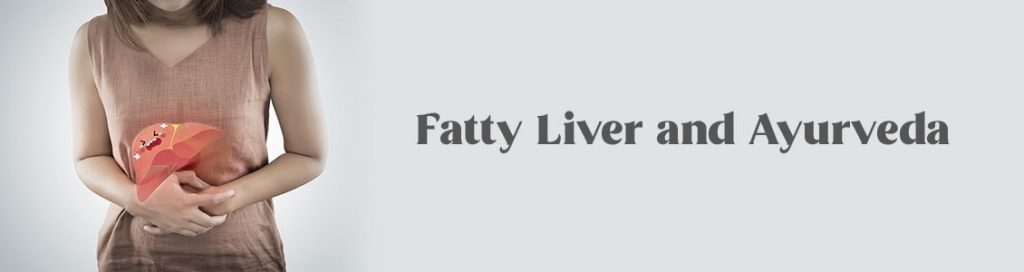
May 18, 2023 Fatty Liver and Ayurveda Contact Us +65 6398 0415 admin@ayurvedasg.com Recent Articles If excess fat cells accumulate in the liver, it might lead to a disorder in the organ, explains Mr. Ajith Kumar, Principal Consultant of Ayush Ayurveda, Singapore. He explains that if we do not take proper care of the liver, it might deteriorate over a period but if proper measures are taken at the right time, the condition can be set right. According to Ayurveda, an imbalance in the Kapha and pitta dosha, or an elevated Kapha dosha in pitta-dominant regions, causes this condition. The Physician explains that fat accumulates in the liver if you consume too much alcohol. The liver gets inflamed when the cells in the organ retain unusually excessive amounts of lipids. All these deteriorate the liver and make it fat. When this condition sets in, the organ loses its ability to expel the extra fat from the body. Thus, the cycle continues. The consultant of Ayurveda adds that the large organ’s function is also affected due to non-alcoholic reasons. No one can define the cause of why the liver turns fat but according to several research studies it is caused due to various kinds of factors, explains Ajith Kumar. Let us explore some of them. Obesity Obesity or being very heavy affects our health in many ways. Being on the leaner side has its own advantages and does away with the need for pharmacies or a medical store. Being obese also indicates that the body is unable to maintain the right fat-muscle ratio. This condition stresses the bones. How does this affect the liver? Answers Mr. Ajith: Turns us a little lethargic as we will find it difficult to move freely. Doing exercises becomes tedious. Causes fat to build up in the abdomen. Not only these but we will also have to deal with a slew of health issues. Type 2 Diabetes Diabetes affects the level of insulin in the body and at the same time leads to the accumulation of fat in the liver. It might also result in building up scar tissues in the liver, says Mr. Ajith Kumar. Alcohol As stated earlier by the Ayurvedic consultant, excess alcohol does end up in the liver becoming fat and hampers its normal functioning. Especially, it affects the way the organ metabolizes fat. As a result, the liver fails to eliminate excess fat from its cells and this causes many complications. High Triglycerides Levels in the blood When the levels of triglycerides circulating in the blood become high, it leads to the accumulation of fat in the liver. This is a significant factor for non-alcoholic fatty liver conditions. Let us now move on to the symptoms of the fatty liver condition. Symptoms Abdominal Pain: If pain in the abdomen persists for many days, it is better to approach a physician for it might be due to a fatty liver condition, suggests Mr. Ajith Kumar. The feeling of fullness: For no reason, some people might suddenly lose their appetite. They will be more than happy with just a few servings of food. Don’t you think, this is unusual? Asks Mr. Ajith. He goes on to explain that it might be due to an underlying liver condition. Some people even feel nauseous and begin to feel weak over a period of time, warns the Ayurvedic consultant. Weight loss: Obviously, the next phase is weight loss, followed by fatigue. This means that the weight loss is one that has occurred on its own without any effort from your side, such as exercises or dieting. This kind of weight loss also might be due to the accumulation of fat in the liver, informs Mr. Ajith Kumar. The consultant of Ayurveda elaborates that if the liver is very badly affected then symptoms of jaundice like pale skin, and yellowing of the eyes sets in. Bloating, swollen abdomen, and edema of the legs may be present in some cases. Added to it, if there is also weight loss, then it is very important to get the liver tested, advises Mr. Ajith. Suggestions by the consultant of Ayurveda are: Consulting a physician as soon as symptoms set in; Try to determine the exact cause of your condition; Carry out necessary tests; Stick to the schedule and guidance given by the physician to see the improvement. Home remedies Mr. Ajith gives us some tips about home remedies to heal a fatty liver. He says that if the condition is in its early stages, the disease can be controlled with small adjustments in our lifestyle and dietic interventions. Some of his suggestions are: Try to take Aloe vera as it helps to purify the blood and improve liver function. It can be taken with warm water to improve taste. Next, we should try to reduce the fat in our diet to lessen the strain on the liver in fat metabolism. The consultant goes on to explain sugar avoidance is the key to a good liver. If you have a sweet tooth and find it difficult to avoid sugar, try substitutes like jaggery or honey, suggests Mr. Ajith Kumar. Next, he prefers a fiber-rich diet to boost the body’s metabolism. Mr. Ajith explains that fiber cleanses the gut and internal organs too, promotes liver function, and a check on body weight. Added to it, if you also abstain from alcohol, don’t you think you can steer clear of malfunctioning of the liver, asks the Ayurvedic consultant. Some of the common foods recommended by the consultant include Apple cider vinegar and papaya. While apple cider vinegar cuts down on fat and promotes liver function, the humble papaya helps improve fatty liver conditions naturally. Medicines The consultant of Ayurveda suggests some Ayurvedic medicines to heal a fatty liver. Heposem Tablet: Helps to regulate and enhance liver function. The tablet, fortified with antioxidants, improves appetite and digestion. Heposem Syrup: This is a substitute for Heposem tablets and is one of the best medicine
Reasons why you should opt for Ayurvedic consultation

May 15, 2023 Reasons why you should opt for Ayurvedic consultation Contact Us +65 6398 0415 admin@ayurvedasg.com Recent Articles Are you looking for a natural approach to achieving optimal health? Then, Ayurveda, an ancient Indian system of medicine, maybe just what you need. Ayurveda is based on the concept of balancing the mind, body, and spirit to achieve optimal health. An Ayurvedic consultant can help you identify your unique mind-body constitution, or dosha, and provide personalised diet, lifestyle, herbal preparations, and supplements. Introduction to Ayurveda and the role of an Ayurvedic consultant Ayurveda is a holistic system of medicine that originated in India over 5000 years ago. It is on the belief that health and wellness are based on a balance between the mind, body, and spirit. Ayurveda recognises that each individual is unique and that there is no one-size-fits-all approach to health. An Ayurvedic consultant is a trained professional who can help you identify your unique mind-body constitution or dosha. There are three major doshas in Ayurveda: Vata, Pitta, and Kapha. Specific physical, emotional, and mental traits characterise each dosha. An Ayurvedic consultant can provide personalised recommendations for diet, lifestyle, herbal remedies, and supplements by understanding your dosha. Benefits of consulting with an Ayurvedic consultant One of the main benefits of consulting with an Ayurveda consultant is that you will receive personalised recommendations based on your unique mind-body constitution. This customised approach can help you achieve optimal health and wellness. Another benefit of Ayurvedic consultation is that it can help you identify imbalances in your dosha. Imbalances can happen due to various factors, such as stress, poor diet, lack of exercise, or environmental toxins. An Ayurvedic consultant can provide recommendations to restore balance and improve your overall health by identifying imbalances in your dosha. Understanding your unique mind-body constitution (dosha) As mentioned earlier, Ayurveda recognises that each individual is unique and that there is no one-size-fits-all approach to health. Your mind-body constitution, or dosha, is determined by your physical, emotional, and mental characteristics. There are three doshas in Ayurveda: Vata, Pitta, and Kapha. Qualities of air and ether characterise Vata, qualities of fire and water describe Pitta and qualities of earth and water represent Kapha. Each dosha has specific physical, emotional, and mental traits. An Ayurvedic consultant will assess your dosha based on physical, emotional, and mental characteristics. Once your dosha has been identified, the consultant will provide a personalised diet, lifestyle, herbal remedies, and supplements recommendations. Identifying imbalances in your dosha and how an Ayurvedic consultant can help Imbalances in your dosha can occur due to various factors, such as stress, poor diet, lack of exercise, or environmental toxins. Imbalances can lead to physical, emotional, and mental health problems. An Ayurvedic consultant can help you identify imbalances in your dosha and provide recommendations to restore balance. For example, you may experience symptoms such as anxiety, insomnia, or digestive problems if you have a Vata imbalance. An Ayurvedic consultant may recommend a Vata-balancing diet, lifestyle changes, herbal remedies, and supplements to restore balance. Ayurvedic principles and practices for optimal health Ayurvedic principles and practices can help you achieve optimal health and wellness. Here are some of the fundamental principles and practices of Ayurveda: Ayurvedic Diet and nutrition recommendations Ayurveda recognises that food is medicine and that diet is crucial for optimal health. Therefore, an Ayurvedic consultant can provide personalised recommendations for a diet based on your unique mind-body constitution or dosha. For instance, if you have a Pitta dosha, you may benefit from a cooling diet that includes cucumber, coconut, and cilantro. Ayurvedic lifestyle recommendations Ayurveda recognises that lifestyle plays a crucial role in maintaining optimal health. An Ayurveda consultant can provide personalised lifestyle recommendations based on your unique mind-body constitution or dosha. If you have Vata dosha, you may benefit from a calming routine that includes meditation, gentle exercise, and warm baths. Ayurvedic herbal preparations and supplements Ayurvedic herbal preparations and supplements can help restore mind, body, and spirit balance. An Ayurveda consultant can provide personalised recommendations for herbal remedies and accessories based on your unique mind-body constitution or dosha. Finding the right Ayurvedic consultant for you When looking for an Ayurveda consultant, finding someone experienced, knowledgeable, and trustworthy is important. Check for recommendations from friends or family or research online to find an Ayurveda consultant in your area. Finding an Ayurveda consultant who is a good fit for you is also essential. You should feel comfortable with the consultant and communicate openly and honestly about your health concerns and goals. Conclusion In conclusion, consulting with an Ayurvedic consultant can provide many benefits for achieving optimal health and wellness. If you’re looking for a natural approach to achieving optimal health, consider consulting with an Ayurvedic consultant.