
Ayurvedic eye care
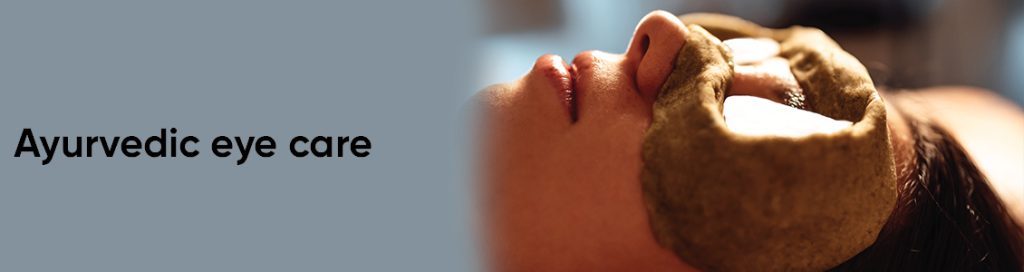
October 3, 2023 Ayurvedic eye care Contact Us +65 6398 0415 admin@ayurvedasg.com Recent Articles Ayurveda Consultant at Ayurveda Singapore suggests following the 20-20-20 rule. Accordingly, every 20 minutes, you should look at something 20 feet away for 20 seconds. It will help reduce eye strain In today’s fast-paced world, our eyes are constantly exposed to screens, pollution, and stress. V.C. Ajith Kumar, Director and Principal Ayurvedic Consultant, Ayurveda Singapore says that maintaining good eye health has become more crucial than ever. While modern medicine offers a range of solutions, Ayurveda, the Indian system of healing, provides a unique perspective on eye care. This time-tested approach emphasizes natural solutions, lifestyle adjustments, and herbal treatments to promote and preserve vision. Ayurvedic perspective on eye health According to Ayurvedic Consultant at Ayurvedic Singapore, Ayurveda views the eyes as the seat of Pitta dosha, one of the three fundamental energies governing the body. When Pitta is balanced, it promotes clear vision, healthy eyes, and sharp focus. However, imbalances in Pitta can lead to various eye problems, including dryness, redness, inflammation, and even deteriorating eyesight. Ayurvedic eye care practices Ayurveda Consultant at Ayurveda Singapore talks about the relevance of dietary considerations in eye care. Incorporate cooling foods: Ayurveda Consultant at Ayurveda Singapore recommends including foods that have a cooling effect on the body, such as cucumber, rose water, and aloe vera. These helps balance excess Pitta and soothe the eyes. Colorful fruits and vegetables: According to Ayurvedic Consultant at Ayurvedic Singapore, consuming a diet rich in fruits and vegetables like carrots, spinach, and berries are good for the eyes. They are packed with antioxidants like beta-carotene and vitamin C, essential for eye health. Ghee (clarified butter): According to Ayurvedic Consultant at Ayurvedic Singapore, ghee is considered beneficial for the eyes in Ayurveda. Consuming a teaspoon of pure ghee daily may help nourish the eye tissues. Eye exercises and relaxation techniques V.C. Ajith Kumar, Director and Principal Ayurvedic Consultant, Ayurveda Singapore recommends eye exercises and relaxation techniques.Palming: Ayurveda Consultant at Ayurveda Singapore says, “Rub your palms together. It will generate heat and gently cup the palms over your closed eyes. This technique helps relax the eye muscles and soothe tired eyes.” Eye rolling: Ayurveda Consultant at Ayurveda Singapore recommends to slowly roll eyes in a clockwise and then counterclockwise direction. This exercise helps improve blood circulation and relieves strain. Triphala eye wash According to Ayurvedic Consultant at Ayurvedic Singapore, Triphala is a potent Ayurvedic fix for eye health. Triphala is a combo of three fruits (amalaki, bibhitaki, and haritaki), Prepare a solution by soaking Triphala overnight, and use it as an eye wash in the morning. This helps reduce inflammation and refreshes the eyes. However, the same should be done after consulting an Ayurvedic specialist. Netra basti: According to Ayurvedic Consultant at Ayurvedic Singapore, Netra basti is a specialized Ayurvedic treatment involving the use of medicated ghee. A dam made of gram flour is created around the eyes, and warm ghee is poured into it. This therapy helps nourish and rejuvenate the eye tissues and it should be done under the supervision of a qualified Ayurvedic specialist. Nasya: According to Ayurvedic Consultant at Ayurvedic Singapore, Nasya involves applying medicated oil drops into the nostrils. This treatment not only benefits the nasal passages but also has a positive impact on eye health. Maintaining proper sleep patterns Ayurveda Consultant at Ayurveda Singapore recommends to get adequate sleep, which is crucial for overall eye health. Ayurveda emphasizes the importance of a regular sleep routine to allow the body and eyes to rejuvenate. Avoiding excessive screen time Prolonged exposure to screens can strain the eyes. Ayurveda Consultant at Ayurveda Singapore suggests following the 20-20-20 rule. Accordingly, every 20 minutes, you should look at something 20 feet away for 20 seconds. It will help reduce eye strain. According to Ayurvedic Consultant at Ayurvedic Singapore, Ayurveda’s approach to eye care is rooted in natural solutions and holistic practices that aim to balance the body’s energies. By adopting these principles, you can nurture and safeguard your vision in a gentle yet effective manner. However, Ayurveda Consultant at Ayurveda Singapore says that it’s a must to consult with an Ayurvedic practitioner before making changes to your eye care routine.
Harnessing the power of neem leaf powder
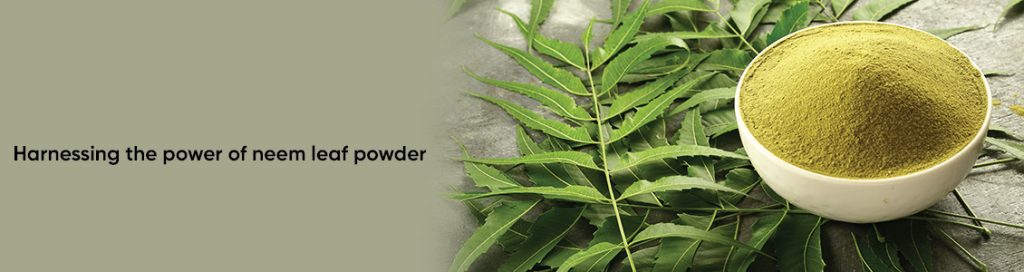
October 2, 2023 Harnessing the power of neem leaf powder Contact Us +65 6398 0415 admin@ayurvedasg.com Recent Articles According to Ayurvedic Consultant at Ayurvedic Singapore, neem leaf powder is ideal for those seeking radiant and flawless skin. Its potent antimicrobial properties work diligently to combat acne-causing bacteria, making it a formidable ally in the battle against blemishes In natural remedies, few plants rival the versatility and potency of neem. Revered for centuries in Ayurveda, neem leaf powder has emerged as a transformative elixir for skin and hair health. This ancient herb has garnered attention from Ayurveda experts like V.C. Ajith Kumar, Director and Principal Ayurvedic Consultant at Ayurveda Singapore. In this article, we delve into the myriad benefits of neem leaf powder for achieving radiant skin and lustrous hair, drawing on the expertise of renowned Ayurvedic Consultant, V.C. Ajith Kumar. Nature’s panacea According to Ayurvedic Consultant at Ayurvedic Singapore, neem’s profound roots extend deep into the annals of Ayurveda and traditional medicine, making it an integral component of ancient healing practices. For thousands of years, Ayurvedic practitioners have revered neem (Azadirachta indica) as a botanical treasure trove, acknowledging its remarkable therapeutic properties. Known for its bitter and astringent taste, neem is celebrated in Ayurveda for its ability to pacify aggravated doshas, particularly Kapha and Pitta. It is hailed as a powerful purifier, aiding in the detoxification of the body and the restoration of balance. Neem’s leaves, seeds, and bark are meticulously harnessed to create many products, ranging from poultices for topical application to decoctions for internal use. Its inclusion in Ayurvedic formulations is a testament to the profound respect for neem’s multifaceted healing potential, a tradition that continues to thrive in modern times. Today, under the guidance of experts like V.C. Ajith Kumar, Director and Principal Ayurvedic Consultant at Ayurveda Singapore, neem continues to play a pivotal role in holistic wellness and serves as a testament to the enduring wisdom of Ayurvedic traditions. Nutritional profile Ayurveda Consultant at Ayurveda Singapore says that neem boasts an impressive nutritional profile that underpins its remarkable therapeutic properties. This ancient botanical treasure is rich in a diverse array of bioactive compounds. These constituents endow neem with potent antifungal, antibacterial, and antiviral properties, making it a natural shield against a variety of microbial invaders. Additionally, neem is a rich source of essential fatty acids, including linoleic, oleic, and stearic acids, which play a crucial role in maintaining skin’s moisture and suppleness. Furthermore, neem is packed with an array of minerals and vitamins like vitamin C, vitamin E, calcium, and iron, which contribute to its overall nutritive value. This unique combination of bioactive compounds and essential nutrients makes neem leaf powder a powerhouse in promoting both skin and hair health, embodying nature’s bounty for holistic well-being. Neem leaf powder for glowing skin According to Ayurvedic Consultant at Ayurvedic Singapore, neem leaf powder is ideal for those seeking radiant and flawless skin. This natural elixir is a powerhouse of detoxification, ridding the skin of impurities and toxins that can dull its natural glow. Neem’s soothing touch extends to inflammatory skin conditions like eczema and psoriasis, offering relief and calming irritated skin. Furthermore, by stimulating collagen production, neem leaf powder assists in maintaining skin’s elasticity and suppleness, effectively reducing fine lines and wrinkles. With neem’s versatile benefits, one can embark on a journey towards luminous and healthy skin. Acne and blemish control According to Ayurvedic Consultant at Ayurvedic Singapore, neem powder stands as a potent ally in the fight against acne and blemishes, owing to its remarkable antimicrobial properties. Packed with compounds like nimbin and nimbidin, neem works tirelessly to combat the proliferation of acne-causing bacteria, effectively reducing inflammation and preventing new breakouts. Its natural astringency helps in tightening pores, diminishing excess oil production, and promoting a balanced complexion. Additionally, neem’s anti-inflammatory properties soothe irritated skin, aiding in the healing process and preventing unsightly blemishes from becoming long-lasting scars. Incorporating neem powder into your skincare regimen can be a game-changer in achieving clear and blemish-free skin, offering a natural and holistic solution for acne management. Skin detoxification Ayurveda Consultant at Ayurveda Singapore says that neem powder is a formidable agent in skin detoxification, owing to its potent purifying properties. Rich in antioxidants and bioactive compounds, neem works tirelessly to expel toxins, impurities, and excess sebum from the skin’s surface. Its natural astringency helps to tighten pores, effectively preventing the buildup of dirt and debris. Additionally, neem’s deep-cleansing action promotes a clear and healthy complexion by unclogging congested pores. By incorporating neem powder into your skincare routine, you tap into nature’s bounty, facilitating a thorough and rejuvenating detoxification process for your skin, leaving it refreshed, revitalized, and glowing with renewed vitality. Anti-aging benefits According to Ayurvedic Consultant at Ayurvedic Singapore, neem offers a potent array of anti-aging benefits that make it a prized component in natural skincare regimens. Its rich concentration of antioxidants, such as carotenoids, safeguards the skin from free radical damage, a major contributor to premature aging. Neem also stimulates collagen production, a protein crucial for maintaining skin’s elasticity and suppleness. This, in turn, helps minimize the fine lines and wrinkles, giving a more youthful complexion. Moreover, neem’s regenerative properties aid in the repair of damaged skin cells, supporting overall skin health and resilience. By including neem in your skincare routine, you harness nature’s wisdom in preserving your skin’s youthful vigor and radiance. Dandruff and scalp health Ayurveda Consultant at Ayurveda Singapore says that neem is a potent natural remedy for addressing dandruff and promoting overall scalp health. Thanks to its powerful antifungal, antibacterial, and anti-inflammatory properties, neem works effectively to combat the underlying causes of dandruff. It helps to eliminate the fungus responsible for dandruff, providing relief from itching and flaking. Additionally, neem’s natural astringency helps regulate excess sebum production, maintaining a balanced and healthy scalp environment. Regular use of neem-infused products or neem oil can provide a soothing and nourishing effect on the scalp, contributing to a flake-free and revitalized head of hair. V.C. Ajith Kumar, Director and Principal Ayurvedic Consultant, Ayurveda Singapore
Ayurvedic hair oils for nourishing your tresses
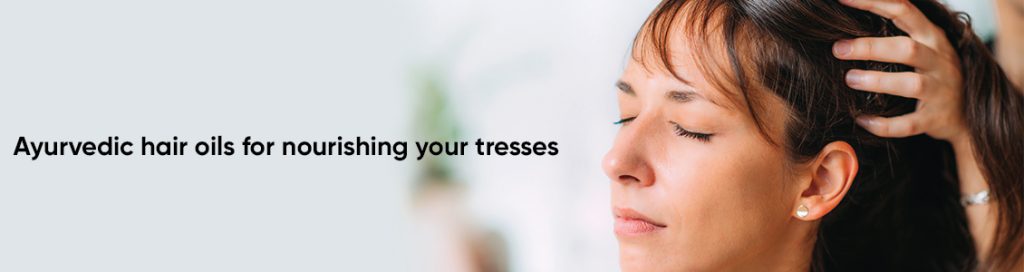
October 1, 2023 Ayurvedic hair oils for nourishing your tresses Contact Us +65 6398 0415 admin@ayurvedasg.com Recent Articles Ayurveda Consultant at Ayurveda Singapore says that neem is used widely for its antibacterial and antifungal properties In the sphere of holistic wellness, Ayurveda stands as an ancient, time-tested system that harmonizes the body, mind, and spirit. V.C. Ajith Kumar, Director and PrincipalAyurvedic Consultant, Ayurveda Singapore says that one of its cherished treasures is Ayurvedic hair oils. These elixirs, steeped in centuries of wisdom, hold the key to lustrous, healthy locks. In this blog, Ayurveda Consultant at Ayurveda Singapore talks about the profound role of Ayurvedic hair oils, exploring their ingredients, benefits, and how they differ from conventional hair products. The essence of ayurvedic hair oils Ayurvedic Consultant at Ayurvedic Singapore says that Ayurvedic hair oils are concoctions of natural herbs, oils, and botanical extracts, meticulously curated to promote hair health and vitality. These formulations draw upon the principles of Ayurveda, a science that believes in balance and harmony within the body. According to Ayurveda Consultant at Ayurveda Singapore, hair health is closely connected to overall well-being, and these oils are designed to nurture both the scalp and hair. Ingredients that transform Bhringraj (Eclipta Alba): Ayurveda Consultant at Ayurveda Singapore says that Bhringraj is revered for its potent rejuvenating properties. Often referred to as the “King of Herbs for Hair,” it stimulates hair growth, prevents premature graying, and alleviates scalp conditions like dandruff and psoriasis. Amla (Indian Gooseberry): According to Ayurvedic Consultant at Ayurvedic Singapore, bursting with Vitamin C and antioxidants, Amla nourishes hair follicles, strengthens roots, and imparts a natural shine. It’s also known for preventing hair fall and premature aging. Neem: Ayurveda Consultant at Ayurveda Singapore says that neem is renowned for its antibacterial and antifungal properties. Neem soothes irritated scalps, combats dandruff, and promotes a healthy environment for hair growth. Hibiscus: Ayurveda Consultant at Ayurveda Singapore says that the vibrant flower is a treasure trove of amino acids, vitamins, and minerals. It stimulates hair growth, prevents split ends, and adds a natural sheen to the strands. Coconut oil: According to Ayurvedic Consultant at Ayurvedic Singapore, coconut oil is a staple in Ayurvedic hair care, as it penetrates deep into the hair shaft, providing essential nutrients and locking in moisture. It is particularly effective in preventing protein loss and minimizing damage. Sesame oil: Ayurveda Consultant at Ayurveda Singapore says that sesame oil is known for its high vitamin E content, and it strengthens hair, improves blood circulation in the scalp, and offers a natural shield against UV rays. Jasmine oil: According to Ayurvedic Consultant at Ayurvedic Singapore, the fragrant essence of jasmine not only calms the mind but also revitalizes the hair. It helps in reducing stress-related hair loss and adds a delightful aroma to the oil. Benefits beyond aesthetic appeal Promotes hair growth: According to Ayurvedic Consultant at Ayurvedic Singapore, Ayurvedic hair oils stimulate hair follicles, encouraging a steady and healthy growth cycle. This leads to longer, thicker, and more voluminous locks. Nourishes scalp: Ayurveda Consultant at Ayurveda Singapore says that the herbal concoctions deeply nourish the scalp, ensuring it remains moisturized, free from infections, and conducive to hair growth. Prevents hair fall: According to Ayurvedic Consultant at Ayurvedic Singapore, strengthening hair roots and preventing breakage, these oils significantly reduce hair fall. The natural ingredients fortify the strands, making them less prone to damage. Alleviates scalp conditions: Ayurveda Consultant at Ayurveda Singapore says that Ayurvedic hair oils are potent in treating a variety of scalp issues, from dandruff and psoriasis to dryness and itchiness. Their antibacterial and antifungal properties soothe and heal. Retains natural shine: According to Ayurvedic Consultant at Ayurvedic Singapore, these oils do more than just superficially coat the hair; they penetrate deep into the strands, locking in moisture and leaving a natural, radiant shine. Balances doshas: According to Ayurvedic Consultant at Ayurvedic Singapore, imbalances in the body’s doshas (Vata, Pitta, and Kapha) can lead to various health issues, including hair problems. Ayurvedic hair oils are tailored to bring these doshas back into equilibrium, promoting overall well-being. Distinguishing Ayurvedic oils from commercial products Unlike conventional hair products laden with chemicals, Ayurvedic hair oils are pure, natural, and free from harmful additives. They work in harmony with the body, respecting its innate intelligence. While commercial products may provide temporary solutions, Ayurvedic oils nurture the hair from within, addressing the root cause of issues. According to Ayurvedic Consultant at Ayurvedic Singapore, in a world inundated with quick-fix solutions, Ayurvedic hair oils stand as timeless treasures, offering a holistic approach to hair care. With carefully selected ingredients and centuries-old wisdom, these elixirs transform the tresses and embody the essence of a balanced, harmonious life.
Managing Cholesterol Levels Through Ayurveda

September 11, 2023 Managing Cholesterol Levels Through Ayurveda Contact Us +65 6398 0415 admin@ayurvedasg.com Recent Articles Cholesterol management is a crucial aspect of maintaining good heart health. V.C. Ajith Kumar, Director and Principal Ayurvedic Consultant at Ayurveda Singapore says that high cholesterol levels can give rise to a range of serious health issues. “When excess cholesterol accumulates in the bloodstream, it can form plaques that narrow and harden the arteries, a condition known as atherosclerosis. This restricts blood flow leading to complications such as coronary artery disease, heart attacks, and strokes,” says the Ayurveda Consultant at Ayurveda Singapore. The Ayurvedic Consultant at Ayurvedic Singapore says, “Additionally, high cholesterol levels will cause development of peripheral artery disease, which can reduce blood flow to the limbs, potentially leading to pain and reduced mobility. Furthermore, elevated cholesterol can result in the formation of gallstones, as cholesterol can solidify in the gallbladder.” Ayurveda Consultant at Ayurveda Singapore, adds that it is worth noting that high cholesterol is a risk factor for various metabolic disorders, including fatty liver disease. Thus, addressing and managing cholesterol levels is crucial for overall cardiovascular and metabolic health, he emphasizes. According to Ayurvedic Consultant at Ayurvedic Singapore by combining dietary adjustments, herbal remedies, lifestyle modifications, and mindful practices, Ayurveda providesa comprehensive approach to managing cholesterol effectively. Understanding cholesterol in Ayurvedic terms Ayurveda Consultant at Ayurveda Singapore says, “In Ayurveda, cholesterol is referred to as “meda dhatu.”; It is considered a vital component of bodily tissues and has a crucial role in various physiological functions. However, an excess of meda dhatu can lead to imbalances and health issues.” The Ayurvedic Consultant at Ayurvedic Singapore categorizes high cholesterol as an imbalance of the Kapha dosha, which represents earth and water elements in the body. Managing cholesterol through Ayurveda aims to pacify excess Kapha, restore balance, and promote optimal health. Dietary guidelines Embrace a sattvic diet: Ayurvedic Consultant at Ayurvedic Singapore recommends consumingfoods that are fresh, pure, and energetically balanced. He adds, sattvic foods like fresh fruits, vegetables, whole grains, nuts, seeds, and dairy products in moderation form the foundation of a cholesterol-friendly diet. Incorporate herbs and spices: The Ayurveda Consultant at Ayurveda Singapore says to include cholesterol-regulating herbs and spices such as turmeric, garlic, ginger, and fenugreek in your meals. These ingredients possess potent anti-inflammatory and lipid-lowering properties, aiding in cholesterol management. Limit saturated and trans fats: The Ayurvedic Consultant at Ayurvedic Singapore recommends reducing intake of fried and processed foods, as they contribute to elevated cholesterol levels. He asks to choose healthier fats like olive oil, avocado, and ghee in moderation. Prioritize high-fiber foods: The Ayurveda Consultant at Ayurveda Singapore suggests including whole grains, legumes, fruits, and vegetables are rich in soluble fiber, which helps lower cholesterol levels by binding to excess cholesterol in the digestive tract and aiding in its elimination. Power of herbs The Ayurvedic Consultant at Ayurvedic Singapore talks about the power of herbs in cholesterol management. Triphala: Says that Ayurveda Consultant at Ayurveda Singapore Triphala, consists of three fruits (amalaki, bibhitaki, and haritaki), supports digestion and detoxification. It helps regulate cholesterol levels by enhancing metabolism and improving liver function. Guggul: Ayurvedic Consultant at Ayurvedic Singapore says, “Guggul, taken from the resin of the mukul myrrh tree, is known for its cholesterol-lowering properties. It helps increase the production of bile acids, which aid in the breakdown of cholesterol.” Arjuna bark: The Ayurveda Consultant at Ayurveda Singapore says that the bark of the Arjuna tree is revered in Ayurveda for its cardiovascular benefits. It strengthens the heart muscles, improves blood circulation, and helps maintain healthy cholesterol levels.Talking about lifestyle modifications, the Ayurvedic Consultant at Ayurvedic Singapore recommends regular exercise, stress management, and maintaining a consistent routine. The Ayurveda Consultant at Ayurveda Singapore also emphasizes on mindful practices such as controlled breathing exercises like pranayama to enhance lung function and oxygenation , to promote better circulation and overall cardiovascular health.
How To Get Rid Of Dandruff Through Ayurveda
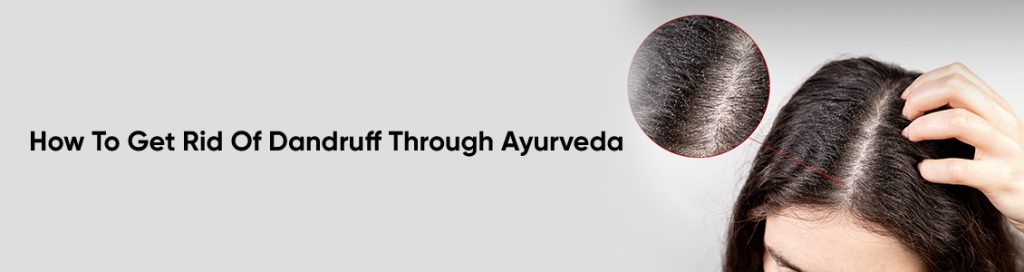
September 11, 2023 How To Get Rid Of Dandruff Through Ayurveda Contact Us +65 6398 0415 admin@ayurvedasg.com Recent Articles Dandruff is an annoying and embarrassing problem, causing discomfort and self-consciousness for many individuals. Says V.C. Ajith Kumar, Director and Principal Ayruvedic Consultant at Ayurveda Singapore, “While there are numerous commercial products available, sometimes the best solutions can be found in ancient wisdom.” Ayurveda, an ancient Indian system of medicine, offers holistic approaches to treating various health issues, including dandruff. Understanding dandruff in Ayurveda According to Ayurveda Consultant at Ayurveda Singapore dandruff is associated with an imbalance in the Kapha and Vata doshas. The accumulation of excess Kapha in the scalp leads to flakiness and itching, while Vata imbalance can cause dryness and roughness of the scalp. Ayurvedic Consultant at Ayurvedic Singapore emphasizes the importance of balancing these doshas for optimal health, which includes maintaining a healthy scalp. Ayurvedic management of dandruff Neem (Azadirachta indica) Ayurveda Consultant at Ayurveda Singapore says, “Neem is a powerful herb known for its antibacterial, antifungal, and anti inflammatory properties. It has been used for centuries in Ayurvedic medicine to treat various skin conditions, including dandruff. You can create a neem paste by grinding neem leaves with water and applying it to your scalp. Leave it on for about 30 minutes before rinsing it off.” Amla (Emblica officinalis) Ayurvedic Consultant at Ayurvedic Singapore vouches for the power of amla. He says, “Amla, also known as Indian gooseberry, is rich in vitamin C and has potent antimicrobial properties. It nourishes the scalp and helps maintain a healthy pH balance, which is crucial for preventing dandruff. You can apply amla juice or a paste made from dried amla powder to your scalp, leaving it on for at least 20-30 minutes before washing it off.” Tulsi (Ocimum sanctum) Tulsi, or holy basil, is known for its antimicrobial and anti inflammatory properties. Ayurveda Consultant at Ayurveda Singapore says, “It can soothe an itchy scalp and support healthy hair growth. Crush tulsi leaves and mix them with coconut or sesame oil. Apply the mixture to your scalp. Let it stay for about 30 minutes before washing it off.” Fenugreek (Trigonella foenum-graecum) According to Ayurvedic Consultant at Ayurvedic Singapore, “Fenugreek seeds are a goodsource of proteins and nicotinic acid, which are essential for hair health.” He suggests, “Soak fenugreek seeds overnight and make them into a paste. Apply the paste to scalp and leave it on for about 30 minutes before rinsing it off. Regular use can help control dandruff effectively.” Aloe vera Ayurveda Consultant at Ayurveda Singapore recommends aloe vera as it is renowned for its soothing and moisturizing properties. It reduces inflammation and supports a healthy scalp environment. Apply fresh aloe vera gel directly to your scalp and leave it on for at least 30 minutes before washing it off. Yogurt and lemon Ayurvedic Consultant at Ayurvedic Singapore, yogurt and lemon is an excellent combination for dandruff. “The probiotics in yogurt help balance the scalp’s microbiome, while lemon’s acidic properties help control excess oil and dandruff. Mix equal parts of yogurt and lemon juice and apply it to your scalp. Leave it on for about 30 minutes before rinsing,” he says. Sesame oil Ayurveda Consultant at Ayurveda Singapore says, “Massaging your scalp with warm sesame oil improves blood circulation and nourishes the hair follicles. It helps balance the Vata dosha and prevents dryness, a common cause of dandruff. Warm the sesame oil slightly and massage it into your scalp in gentle, circular motions. Leave it on for at least an hour or overnight before washing it off.” An Ayurvedic practioner will approach dandruff treatment through a holistic lens, taking into consideration not just the symptoms but also the underlying imbalances in the body. Here’s what you can expect from an Ayurvedic consultant for dandruff treatment: Assessment of Dosha Imbalance: The Ayurvedic consultant will start with a comprehensive assessment of the person’s overall health, including factors like diet, lifestyle, stress levels, and any existing health conditions. They will also evaluate your Prakriti (basic constitution) and Vikriti (current state of balance or imbalance) to determine which dosha or combination of doshas (Vata, Pitta, Kapha) may be contributing to your dandruff.Based on the dosha assessment, the Ayurveda consultant will provide dietary recommendations to help balance your specific dosha imbalance. Depending on the severity of the dandruff and the individual’s constitution, the Ayurvedic consultant may recommend specific Ayurvedic, which are designed to balance the doshas and promote overall well-being. The Ayurvedic consultant at Ayurvedic Singapore will provide guidance on how to integrate these recommendations into your daily routine and will monitor your progress over time.
Anidra Management with Ayurveda

September 11, 2023 Anidra Management with Ayurveda Contact Us +65 6398 0415 admin@ayurvedasg.com Recent Articles Anidra or insomnia has become a common ailment affecting millions worldwide. V.C. Ajith Kumar, Director and Principal Ayruvedic Consultant at Ayurveda Singapore says that the constant hustle and bustle of modern life can disrupt our natural sleep patterns, leading to a range of physical and mental health issues. The Indian system of medicine, Ayurveda, offers a holistic approach to managing insomnia by addressing the root causes and balancing the body’s energies. Understanding Anidra in Ayurveda According to Ayurveda Consultant at Ayurveda Singapore, Anidra is because of an imbalance in the Vata dosha, which governs movement, and the Rajas and Tamas gunas, which are associated with restlessness and inertia, respectively. This imbalance disrupts the natural circadian rhythms, leading to difficulty falling asleep or staying asleep. Ayurvedic approaches to Anidra management Dinacharya (daily routine): Ayurvedic Consultant at Ayurvedic Singapore emphasizes the need for maintaining a regular daily routine to balance the doshas. He recommends following a consistent sleep schedule, going to bed and waking up at the same time, daily helps regulate the body’s internal clock. Abhyanga (self-massage): Massaging the body with warm, herbal oils before bedtime helps calm the nervous system, soothe the mind, and relax the muscles, says the Ayurvedic Consultant at Ayurvedic Singapore. Oils like sesame or Brahmi oil are commonly used for their calming properties. Srotas shuddhi (Detoxification): Ayurveda Consultant at Ayurveda Singapore, Ayurveda believes that a buildup of toxins (ama) in the body can disrupt the flow of energy and cause sleep disturbances. Gentle detoxification methods, such as drinking warm water with lemon in the morning or consuming detoxifying herbs help cleanse the body and promote better sleep. Yoga and pranayama: Ayurvedic Consultant at Ayurvedic Singapore says, “Specific yoga asanas and pranayama (breathing exercises) that focus on grounding and relaxation can be beneficial for individuals struggling with insomnia. Poses like Viparita Karani (legs-up-the-wall pose) and Nadi Shodhana (alternate nostril breathing) help calm the mind and prepare the body for restful sleep. Dietary considerations: According to Ayurveda Consultant at Ayurveda Singapore, Ayurveda places great emphasis on diet and nutrition. Staying away from stimulants like caffeine and nicotine, as well as heavy, spicy, and processed foods in the evening, can contribute to better sleep. Instead, opt for light, easily digestible meals with warming spices like ginger and cardamom. Role of herbs Ashwagandha: Ayurvedic Consultant at Ayurvedic Singapore says that Ashwagandha, known as an adaptogenic herb, helps the body adapt to stress, promoting relaxation and improved sleep quality. Brahmi: According to Ayurveda Consultant at Ayurveda Singapore brahmi herb is renowned for its ability to calm the mind, enhance cognitive function, and promote restful sleep.Jatamansi: Ayurvedic Consultant at Ayurvedic Singapore adds that with sedative properties,Jatamansi helps alleviate anxiety and insomnia.Meditation and mindfulness: According to Ayurveda Consultant at AyurvedaSingapore practicing mindfulness meditation can calm the mind and reduce stress, which are common triggers for insomnia. Focusing on your breath for a few minutes before bedtime can make a significant difference. Herbal teas: Ayurvedic Consultant at Ayurvedic Singapore says that infusions made from herbs like chamomile, lavender, and valerian root have natural sedative properties that can induce relaxation and improve sleep quality. Ayurvedic consultation According to Ayurveda Consultant at Ayurveda Singapore in Ayurveda, addressing Anidra begins with a personalized consultation conducted by a qualified Ayurvedic practitioner. During this consultation, the Ayurvedic practitioner assesses an individual’s unique constitution (Prakriti) and the current state of dosha imbalances. By understanding the specific energetic patterns at play, the practitioner can tailor recommendations to restore balance and promote restful sleep. Ayurvedic Consultant at Ayurvedic Singapore says, “This may involve prescribing specific herbs, suggesting dietary modifications, recommending lifestyle adjustments, and offering guidance on relaxation techniques. Additionally, the Ayurvedic practitioner may advise on incorporating Ayurvedic practices like Abhyanga (self-massage) and meditation to further support the body’s natural rhythms and promote a state of calm conducive to quality sleep. Such consultations serve as a crucial first step in embarking on a holistic journey towards alleviating insomnia and achieving sustainable, rejuvenating rest.” However, Ayurveda Consultant at Ayurveda Singapore,adds, “It’s important to remember that Ayurveda is a holistic system of medicine, and individual results may vary. It’s always recommended to consult a qualified Ayurvedic practitioner before starting any new regimen.”
Managing Vatarakt with Ayurveda
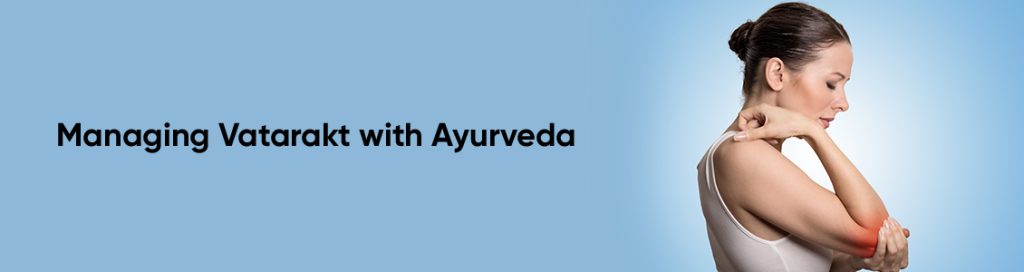
September 11, 2023 Managing Vatarakt with Ayurveda Contact Us +65 6398 0415 admin@ayurvedasg.com Recent Articles Vatarakt, commonly known as gout, is a painful condition. It occurs due to accumulation of uric acid crystals in the joints. Says V.C. Ajith Kumar, Director and Principal Ayruvedic Consultant at Ayurveda Singapore, “This ailment can severely impact one’s quality of life, but fortunately, Ayurveda offers a comprehensive approach to manage and alleviate its symptoms.” By addressing the root causes and rebalancing the body’s energies, Ayurveda can bring relief to those suffering from Vatarakt. Understanding Vatarakt according to Ayurveda Ayurvedic Consultant at Ayurvedic Singapore says, “In Ayurveda, Vatarakt is primarily attributed to an imbalance in the Vata dosha, which governs movement and mobility in the body. When Vata becomes aggravated, it leads to the accumulation of uric acid, causing pain, inflammation, and stiffness in the joints.” He adds, additionally, improper digestion and metabolism (Agni) play a crucial role in the development of Vatarakt. Ayurveda focuses on restoring balance to these vital energies to alleviate symptoms and prevent future flare-ups. Dietary guidelines Balanced diet: According to Ayurveda Consultant Ayurveda Singapore, adopting a balanced diet is the cornerstone of managing Vatarakt. Emphasize whole, unprocessed foods like fruits, vegetables, whole grains, and lean proteins. Stop taking high-purine foods like organ meats, shellfish, and certain legumes. Agni-enhancing foods: Ayurvedic Consultant at Ayurvedic Singapore recommends including spices like ginger, turmeric, and cumin in your meals. These aid digestion and help prevent the buildup of uric acid. Hydration: Ayurveda Consultant Ayurveda Singapore, says, “Proper hydration is crucial for flushing out excess uric acid from the body. Drink plenty of water throughout the day to maintain optimal kidney function.” Avoid Alcohol and sugary beverages: According to Ayurveda Consultant Ayurveda Singapore, alcohol and sugary drinks can exacerbate Vatarakt symptoms. He suggesting choosing herbal teas or infused water for a healthier alternative. Limit high-fructose corn syrup: Ayurvedic Consultant at Ayurvedic Singapore recommends minimizing foods and beverages containing high-fructose corn syrup, as they can increase uric acid levels. Lifestyle practices Regular exercise: Ayurvedic Consultant at Ayurvedic Singapore says, “Engaging in regular, gentle exercise is essential for managing Vatarakt. Activities like yoga, walking, and swimming promote flexibility, reduce inflammation, and improve overall joint health.” Stress management: According to Ayurveda Consultant Ayurveda Singapore, high-stress levels can worsen Vatarakt symptoms. “Do relaxation techniques such as deep breathing, meditation, and mindfulness to calm the mind and soothe the body,” he adds. Adequate rest: Ayurveda Consultant Ayurveda Singapore, stresses on the importance of rest. “Ensure you get enough restorative sleep each night. A well-rested body is better equipped to manage pain and inflammation.” Ayurvedic herbs Talking about the role of Ayurvedic herbs in Vatarakt, Ayurvedic Consultant at Ayurvedic Singapore says: Triphala: This potent herbal formulation supports digestion and elimination, helping to balance Agni and remove toxins from the body. Guggul: Ayurveda Consultant Ayurveda Singapore says guggul is known for its anti-inflammatory properties and can be helpful in reducing joint pain and inflammation associated with Vatarakt. Boswellia: Ayurvedic Consultant at Ayurvedic Singapore adds that another powerful anti-inflammatory herb, boswellia, can help alleviate joint discomfort and improve mobility. Shallaki (Boswellia serrata): Ayurveda Consultant Ayurveda Singapore says that Shallaki is well-known in Ayurveda for its ability to support joint health, making it a valuable addition to any Vatarakt management plan. Turmeric (Curcuma longa): According to Ayurvedic Consultant at Ayurvedic Singapore, curcumin, the active compound in turmeric, is anti-inflammatory and antioxidant that can help alleviate pain and reduce inflammation in Vatarakt. However, the Ayurveda Consultant at Ayurveda Singapore says that one should consult an Ayurvedic practitioner before beginning any new treatment regimen, especially for a condition like Vatarakt. Qualified Ayurvedic practitioners can assess your individual constitution (Prakriti) and determine the best approach for your unique needs. Managing Vatarakt with Ayurveda involves a holistic approach that addresses the underlying causes while providing relief from painful symptoms. Ayurvedic Consultant at Ayurvedic Singapore, concludes that by adopting a balanced diet, incorporating specific herbs and remedies, and embracing a lifestyle that supports Vata balance, individuals with Vatarakt can experience improved well-being and a higher quality of life.
A Guide to Njavarakizhi in Ayurveda: Rejuvenate Your Body and Mind
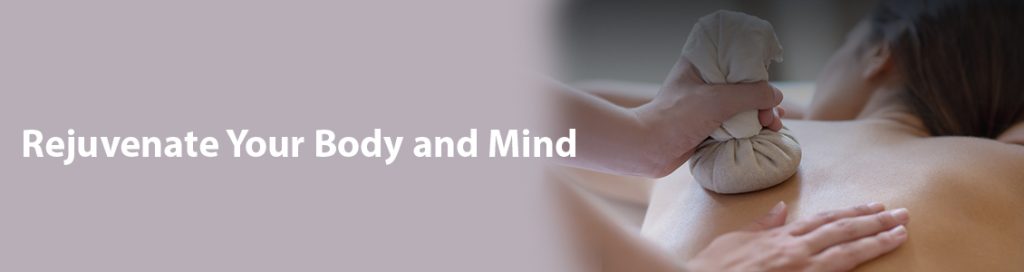
September 11, 2023 A Guide to Njavarakizhi in Ayurveda: Rejuvenate Your Body and Mind Contact Us +65 6398 0415 admin@ayurvedasg.com Recent Articles According to Ayurvedic Consultant at Ayurvedic Singapore, the calming effect of Njavarakizhi on the nervous system is unparalleled Ayurveda, the ancient holistic system of medicine, offers numerous therapies designed to promote wellness and balance in the body. One such helpful procedure is Njavarakizhi, a unique treatment renowned for its rejuvenating properties. V.C. Ajith Kumar, Director and Principal Ayruvedic Consultant, Ayurveda Singapore says that the ancient practice combines the goodness of rice, milk, and medicinal herbs to invigorate the body, alleviate stress, and improve overall vitality. The origins of Njavarakizhi Ayurveda Consultant at Ayurveda Singapore says that Njavarakizhi, also known as Shashtika Pinda Sweda, traces its roots back to the ancient Ayurvedic texts like Charaka Samhita and Sushruta Samhita. “It originated in Kerala, a region in South India that has been a cradle of Ayurvedic practices for centuries. The term “Njavara” refers to a special variety of riceindigenous to this region, which forms the cornerstone of this therapy. Packed with essential nutrients, Njavara rice is revered for its rejuvenating properties, making it perfect for this procedure,” he says. The procedure According to Ayurvedic Consultant at Ayurvedic Singapore, Njavarakizhi involves the preparation of special poultices made from Njavara rice, milk, and a blend of potent Ayurvedic herbs. “These poultices are then tied into boluses and heated to a comfortable temperature. Skilled therapists subsequently massage your body with these boluses, focusing on specific energy points. Gentle, rhythmic movements promote relaxation, improve blood circulation, and aid in the absorption of the therapeutic substances through the skin,” he adds. The benefits of Njavarakizhi Rejuvenation of body and mind: According to Ayurvedic Consultant at Ayurvedic Singapore, Njavarakizhi is renowned for its profound rejuvenating effects. The combination of Njavara rice, herbs, and milk nourishes the body at a cellular level, revitalizing tissues and promoting overall vitality. It helps combat fatigue, making it an excellent choice for individuals experiencing physical or mental exhaustion. Muscle and joint health: Ayurveda Consultant at Ayurveda Singapore says that the warm boluses, when applied with gentle pressure, help soothe aching muscles and joints. This makes Njavarakizhi an effective method for conditions like arthritis, muscular stiffness, and joint pain. Detoxification and improved metabolism: Ayurveda Consultant at Ayurveda Singapore adds that the therapeutic heat generated during the treatment aids in detoxifying the body by opening up pores, allowing impurities to be expelled. Additionally, the medicinal herbs used in the poultices stimulate metabolic processes, enhancing digestion and assimilation of nutrients. Stress relief and mental clarity: According to Ayurvedic Consultant at Ayurvedic Singapore, the calming effect of Njavarakizhi on the nervous system is unparalleled. The warm herbal poultices soothe the mind, decrease stress, and offer a deep state of relaxation. Regular sessions can lead to improved mental clarity, focus, and a sense of inner peace, he adds. Skin health and glow: Ayurveda Consultant at Ayurveda Singapore says that the nourishing properties of Njavara rice and milk, combined with the detoxification process, contribute to healthier and more radiant skin. It can help alleviate skin conditions like eczema and psoriasis, promoting a clear and glowing complexion. How to incorporate Njavarakizhi into your wellness routine Consult an Ayurvedic practitioner: Before undergoing Njavarakizhi or any Ayurvedic technique, it is important to consult a qualified Ayurvedic practitioner. They will assess your unique constitution and suggest the appropriate herbs and oils for your session. Maintain a proper diet and lifestyle: Ayurveda Consultant at Ayurveda Singapore recommends, “To maximize the benefits of Njavarakizhi, a balanced diet is important . Avoiding processed foods and incorporating whole, nourishing foods will complement the rejuvenating effects of the process.” Regular sessions for long-term benefits: Ayurveda Consultant at Ayurveda Singapore says, “While a single session of Njavarakizhi can offer immediate relaxation, regular treatments over a period of time yield more profound and lasting results. Discuss a suitable plan with your Ayurvedic practitioner.” While Njavarakizhi offers numerous benefits, it may not be suitable for everyone, cautions Ayurveda Consultant at Ayurveda Singapore. It is essential to exercise caution and consult a qualified Ayurvedic practitioner before undergoing it. Ayurvedic Consultant at Ayurvedic Singapore says that pregnant women, individuals with allergies or sensitivities, with acute illnesses, fever, or infectious conditions should refrain from undergoing it. Ayurvedic Consultant at Ayurvedic Singapore adds that individuals with chronic diseases like cancer, organ failure, or advanced stages of degenerative disorders should consult both an Ayurvedic practitioner and the primary healthcare provider to determine if it is suitable for them. Ayurveda Consultant at Ayurveda Singapore says, “Remember, it is important to consult an Ayurvedic practitioner who can assess your individual health status and advise on the suitability of Njavarakizhi.” Ayurvedic Consultant at Ayurvedic Singapore adds, “However, by incorporating Njavarakizhi into your wellness routine under the guidance of a qualified practitioner, you can embark on a journey towards vitality, balance, and radiant health.”
Kati Vasti: An Ayurvedic Approach To Back Pain
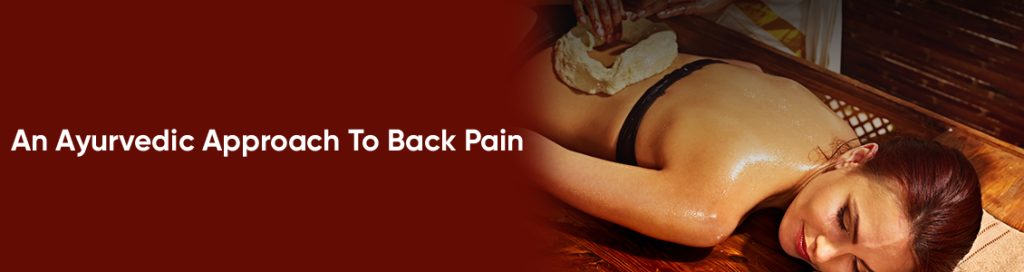
September 11, 2023 Kati Vasti: An Ayurvedic Approach To Back Pain Contact Us +65 6398 0415 admin@ayurvedasg.com Recent Articles According to the Ayurveda Consultant at Ayurveda Singapore Kati Vasti provides a deeply relaxing and rejuvenating experience. The warm herbal oil penetrates deeply into the tissues, soothing the nerves and alleviating pain. It also stimulates better blood circulation, promoting the body’s natural healing mechanisms. Back pain has become a common ailment affecting millions of people globally. V.C. Ajith Kumar, Director and Principal Ayurvedic Consultant, Ayurveda Singapore, says that Ayurveda, the ancient Indian system of medicine, provides holistic and natural solutions like Kati Vasti, known for its remarkable effectiveness in alleviating back pain. Understanding Kati Vasti The Ayurveda Consultant at Ayurveda Singapore says that Kati Vasti is a specialized Ayurvedic treatment focusing on the lower back region. The term ‘Kati’ refers to the lower back, and ‘Vasti’ signifies a container. Together, Kati Vasti involves creating a dam-like structure using herbal oils, allowing warm medicated oil retention on the affected area. This therapy is renowned for addressing various back-related issues, including sciatica, lumbar spondylosis, and herniated discs. The Ayurvedic approach Ayurvedic Consultant at Ayurvedic Singapore says that Kati Vasti aligns perfectly with Ayurvedic principles, as it leverages the healing properties of specific herbal oils to restore harmony in the lower back region.He adds, Ayurveda, an ancient Indian system of medicine, views health as a balance between mind, body, and spirit. It emphasizes the importance of understanding one’s unique constitution, known as ‘Prakriti,’ and treating imbalances with natural remedies. Benefits: Ayurveda Consultant at Ayurveda Singapore says that Kati Vasti presents many benefits for individuals grappling with back pain. He says, “Firstly, it provides targeted relief, focusing specifically on the lower back region, making it highly effective for conditions like sciatica, lumbar spondylosis, and herniated discs. The warm herbal oil used in Kati Vasti penetrates deep into the tissues, alleviating pain, soothing nerves, and promoting relaxation. Additionally, this therapy enhances blood circulation, which is crucial for the body’s natural healing processes. Moreover, Kati Vasti aligns seamlessly with Ayurveda’s holistic approach to health, treating not just the symptoms but also addressing the underlying imbalances in the body. By incorporating natural techniques and potent herbal elixirs, Kati Vasti offers a comprehensive solution, revitalizing the individual’s physical and energetic aspects.”In embracing this ancient practice, one finds relief from back pain and experiences a profound sense of well-being and rejuvenation. Herbal Elixir Ayurvedic Consultant at Ayurvedic Singapore says that central to Kati Vasti are the potent herbal oils used in the treatment. “These oils are prepared by meticulously infusing various herbs with a carrier oil, resulting in a concoction that packs a powerful therapeutic punch. Ingredients like Ashwagandha, Nirgundi, and Bala are known for their anti-inflammatory, analgesic, and muscle-relaxant properties, making them ideal choices for alleviating back pain,” he says. The magic lies in the synergy of these herbs, each contributing its unique healing benefits. Ayurveda Consultant at Ayurveda Singapore says, “Ashwagandha, for instance, is known for its adaptogenic properties, which help the body adapt to stress and promote overall vitality. Nirgundi, on the other hand, possesses anti-inflammatory properties that can help reduce swelling and discomfort. Bala, another crucial ingredient, aids in muscle relaxation and promotes better blood circulation.” Natural techniques for holistic healing Ayurvedic Consultant at Ayurvedic Singapore says that Kati Vasti incorporates natural techniques that enhance its efficacy besides the herbal elixir. “Before the treatment, a gentle massage of the affected area is performed to loosen up the muscles and prepare them for the therapy. This aids in better absorption of the herbal oil and primes the body for the subsequent healing process,” he adds. Ayurveda Consultant at Ayurveda Singapore continues, “The next step involves the creation of a reservoir around the lower back using a paste of black gram flour. This acts as a dam, ensuring that the warm herbal oil remains in contact with the skin throughout the process. The oil is then heated and poured into this reservoir, allowing it to seep into the tissues, nourishing and rejuvenating the affected area.” A soothing experience, inside and out According to the Ayurveda Consultant at Ayurveda Singapore Kati Vasti provides a deeply relaxing and rejuvenating experience. “The warm herbal oil penetrates deeply into the tissues, soothing the nerves and alleviating pain. It also stimulates better blood circulation, promoting the body’s natural healing mechanisms.” Ayurvedic Consultant at Ayurvedic Singapore adds, “In a world increasingly turning to natural and holistic approaches for health and well-being, Kati Vasti stands as a shining example of Ayurveda’s timeless wisdom.” While Kati Vasti is a highly effective Ayurvedic treatment for alleviating back pain, there are certain individuals who should exercise caution or avoid undergoing this therapy. Ayurveda Consultant at Ayurveda Singapore says that pregnant women, individuals with open wounds or infections, those suffering from severe chronic illnesses or conditions like cancer, tuberculosis, or other systemic disorders should not do Kati Vasti. Ayurvedic Consultant at Ayurvedic Singapore recommends that those experiencing fever or acute inflammatory conditions should postpone Kati Vasti until their situation stabilizes. Ayurveda Consultant at Ayurveda Singapore cautions that individuals with uncontrolled high blood pressure should exercise caution, as the relaxation induced by Kati Vasti might temporarily lower blood pressure levels. Ayurvedic Consultant at Ayurvedic Singapore suggests that individuals who have recently undergone surgery in the lower back area should avoid Kati Vasti until they have sufficiently healed. Ayurveda Consultant at Ayurveda Singapore says that Kati Vasti should not be prescribed for people with severe osteoporosis, severe skin conditions such as eczema, psoriasis, or dermatitis in the lower back area and individuals with known allergies to specific herbs or oils used in Kati Vasti. Ayurvedic Consultant at Ayurvedic Singapore says, It is crucial for individuals considering Kati Vasti to consult a qualified Ayurvedic practitioner or a healthcare professional, who can assess their specific health situation and provide personalized advice regarding the suitability of this therapy.”
Understanding the concept of detoxification in Ayurveda
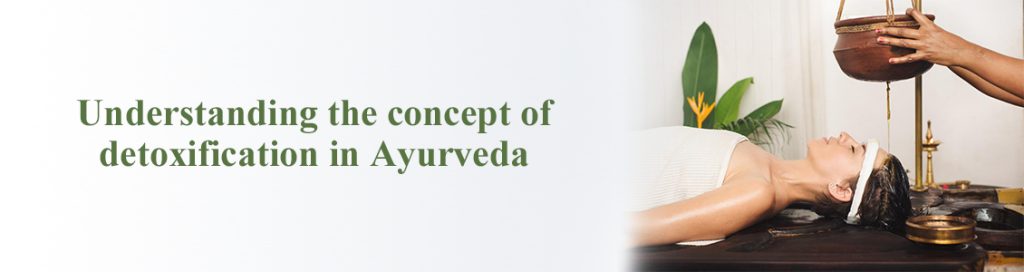
August 21, 2023 Understanding the concept of detoxification in Ayurveda Contact Us +65 6398 0415 admin@ayurvedasg.com Recent Articles According to the Ayurveda Consultant at Ayurveda Singapore, a detoxifying Ayurvedic diet focuses on fresh, wholesome foods that are nourishing to the body and easy to digest Ayurveda places great emphasis on detoxification as a means to revitalize your health. V.C. Ajith Kumar, Director and Principal Ayruvedic Consultant says that in Ayurveda, detoxification is known as “Panchakarma,” which translates to “five actions” or “five therapies.” These aim to eliminate toxins from the body, restore balance, and promote overall well-being. The Ayurvedic Consultant at Ayurvedic Singapore says that toxins or “ama” accumulate in the body due to various factors such as poor digestion, improper lifestyle choices, and environmental pollutants. These toxins can disrupt the body’s natural functioning, leading to a range of health issues. Detoxification in Ayurveda focuses on removing these toxins and restoring the body’s natural equilibrium. Benefits of detoxification in Ayurveda According to the Ayurveda Consultant at Ayurveda Singapore detoxification offers numerous benefits for your health. By eliminating toxins from your body, you can experience improved digestion, increased energy levels, and a strengthened immune system. Detoxification also helps to reduce inflammation, promote mental clarity, and improve the quality of your sleep. The Ayurvedic Consultant at Ayurvedic Singapore adds that detoxification aids in weight management, as it helps to eliminate excess fat and water retention from the body. It can also enhance the effectiveness of other Ayurvedic treatments and therapies, allowing them to work more efficiently. By regularly detoxifying, you can experience a renewed sense of vitality and overall rejuvenation. Ayurvedic detoxification techniques According to the Ayurveda Consultant at Ayurveda Singapore Ayurveda has a variety of detoxification techniques that can be tailored to suit individual needs. One popular technique is “Abhyanga,” which involves a therapeutic oil massage that stimulates the lymphatic system, promotes circulation, and aids in toxin elimination. Another technique is “Swedana,” which uses steam therapy to open the pores, release toxins, and promote sweating. The Ayurveda Consultant at Ayurveda Singapore adds, “”Virechana” is another Ayurvedic detoxification technique that uses herbal purgatives to cleanse the intestines and eliminate toxins. “Basti” is a specialized enema therapy that helps to remove toxins from the colon. These detoxification techniques are performed under the guidance of an experienced Ayurvedic practitioner to ensure safety and effectiveness.” Ayurvedic herbs for detoxification The Ayurvedic Consultant at Ayurvedic Singapore says that Ayurveda harnesses the power of various herbs to support the detoxification process. “Some commonly used herbs include “Triphala,” a blend of three fruits that aids in digestion, elimination, and detoxification. “Neem” is another potent herb known for its detoxifying properties, as it helps to purify the blood and support liver function,” he says. The Ayurvedic Consultant at Ayurvedic Singapore continues, “”Guduchi” is an Ayurvedic herb that boosts the immune system and aids in toxin elimination. “Turmeric” is a potent spice with anti-inflammatory properties and helps to cleanse the liver. “Ashwagandha” is an adaptogenic plant that supports the body’s natural detoxification processes and helps to reduce stress.” Ayurvedic diet for detoxification According to the Ayurveda Consultant at Ayurveda Singapore, a detoxifying Ayurvedic diet focuses on fresh, wholesome foods that are nourishing to the body and easy to digest. It emphasizes the consumption of organic fruits and vegetables, whole grains, legumes, and herbal teas. To support detoxification, the Ayurveda Consultant at Ayurveda Singapore recommends incorporating spices such as ginger, turmeric, cumin, and coriander into your meals. These spices have detoxifying properties and help to stimulate digestion and eliminate toxins. It is also important to stay hydrated by drinking warm water with lemon throughout the day. Ayurvedic lifestyle practices for detoxification In addition to diet, the Ayurvedic Consultant at Ayurvedic Singapore emphasizes lifestyle practices that support detoxification. “One important practice is “Dinacharya,” which refers to a daily routine that aligns with the body’s natural rhythms. This includes waking up early, practicing self-care rituals like oil pulling and tongue scraping, and engaging in regular exercise,” he says. Ayurveda also recommends practicing “Pranayama,” a form of yogic breathing exercises that help to cleanse the body and calm the mind. Ayurvedic therapies for detoxification According to the Ayurveda Consultant at Ayurveda Singapore Ayurveda offers a range of therapies that can enhance the detoxification process. “Shirodhara” is a Ayurvedic method of slowly pouring warm herbal oil over the forehead, which helps to calm the nervous system and promote detoxification. “Udvartana” is a herbal powder massage that stimulates lymphatic drainage and aids in toxin elimination. Talking about “Netra Basti”, the Ayurvedic Consultant at Ayurvedic Singapore says that it is a therapy that involves bathing the eyes in warm ghee, which helps to nourish and detoxify the eyes. “Nasya” is a nasal cleansing therapy that involves the administration of herbal oils or powders to cleanse the nasal passages and promote overall detoxification. These therapies are performed by trained Ayurvedic practitioners and can greatly enhance the detoxification process. Ready to embark on your Ayurvedic detoxification journey? Consult an Ayurvedic practitioner today and discover the path to revitalized health and wellness.