
Ayurvedic Travel Tips

November 15, 2023 Ayurvedic Travel Tips Contact Us +65 6398 0415 admin@ayurvedasg.com Recent Articles Ayurveda Singapore recommends traveling during the Kapha time of day, which is from 6 a.m. to 10 a.m. and 6 p.m. to 10 p.m. to stay balanced on the go In the fast-paced world we live in, travel has become an integral part of our lives. Whether it’s for business or pleasure, frequent travel can take a toll on the physical and mental well-being of an individual. According to Ayurveda Singapore, maintaining balance is key to a healthy and harmonious life. So, how can we stay balanced on the go, according to Ayurvedic principles? Ayurvedic Singapore suggests some travel tips that can help you navigate the challenges of travel while keeping your mind and body in harmony. Ayurvedic Singapore mentions that Ayurveda is based on the belief that balance is essential for good health. According to Ayurveda Singapore, each individual has three doshas – Vata, Pitta, and Kapha – which govern various physiological and psychological functions. Traveling disrupts these doshas, leading to imbalances that can manifest as fatigue, digestive issues, and stress. Ayurvedic travel tips: Ayurvedic Singapore suggest some travel tips help maintaining physical and mental well-being during journeys, ensuring a harmonious experience. Incorporating Ayurvedic travel tips helps prevent imbalances and enhances the overall travel experience by promoting mindfulness and connection with one’s unique constitution. Know your dosha: According to Ayurvedic Singapore, before embarking on your journey, it’s crucial to understand your dominant dosha and how it might be affected by travel. Vata individuals are more prone to imbalances during travel due to the inherently mobile and light nature of Vata. Pitta individuals may experience digestive issues, while Kapha individuals may feel sluggish and heavy. Eat mindfully: Ayurveda Singapore places great emphasis on the connection between diet and well-being. While traveling, opt for warm, freshly prepared meals, and avoid processed and fast foods. Carry snacks like nuts, seeds, and fruits to maintain energy levels. Adjust your diet based on your dosha; for instance, Vata types may benefit from grounding, nourishing foods, recommends Ayurvedic expert at Ayurvedic Singapore. Stay hydrated: Ayurvedic expert at Ayurveda Singapore says that traveling, especially by air, can dehydrate the body. Counteract this by drinking warm water throughout the day. Avoid iced beverages, as cold drinks can aggravate Vata. Herbal teas, especially those with ginger or licorice, can be soothing and hydrating. Maintain routine: Ayurveda Singapore emphasizes the importance of daily routines. While it might be challenging to follow your regular schedule during travel, try to maintain some semblance of routine. Wake up and go to bed at consistent times and incorporate simple self care practices like oil massage or meditation. Choose the right time to travel: Ayurveda Singapore recommends traveling during the Kapha time of day, which is from 6 a.m. to 10 a.m. and 6 p.m. to 10 p.m. These periods are considered more stable and supportive for the body and mind. Avoid traveling during the peak Pitta time, which is from 10 a.m. to 2 p.m, they suggest. Exercise: Ayurvedic Singapore emphasizes the importance of grounding exercises and yoga to counteract the destabilizing effects of travel. Poses that focus on stability, such as mountain pose and forward bends, can help balance Vata. Pitta individuals may benefit from cooling practices like moon salutations, while Kapha types may find invigorating exercises helpful. Carry ayurvedic herbs: Ayurvedic Singapore suggests packing a small travel kit with Ayurvedic herbs that can help balance your doshas. Triphala, known for its digestive benefits, can be useful during travel. Ashwagandha or Brahmi may help manage stress and promote mental clarity. Mindful breathing: Ayurveda Singapore recommends incorporating deep, mindful breathing into your travel routine. This simple practice can help calm the nervous system and alleviate the stress associated with travel. Practice deep belly breathing for a few minutes during your journey,say the Ayurvedic consultant. Protect your senses: Travel exposes us to various stimuli that can disturb the doshas. Ayurveda Singapore suggest applying a small amount of sesame oil to the inside of your nostrils to prevent nasal dryness. Reconnect with nature: Ayurveda Singapore suggests spending time in nature whenever possible. Whether it’s a short walk in a park or simply sitting by a window, reconnecting with the elements can have a grounding effect and help balance your doshas, says the Ayurvedic consultant. Ayurveda Singapore believes that traveling doesn’t have to be a source of stress; instead, it can be an opportunity to align with the natural rhythms of your body and enjoy the journey with a sense of well-being.
Tips for Balancing Vata, Pitta, and Kapha
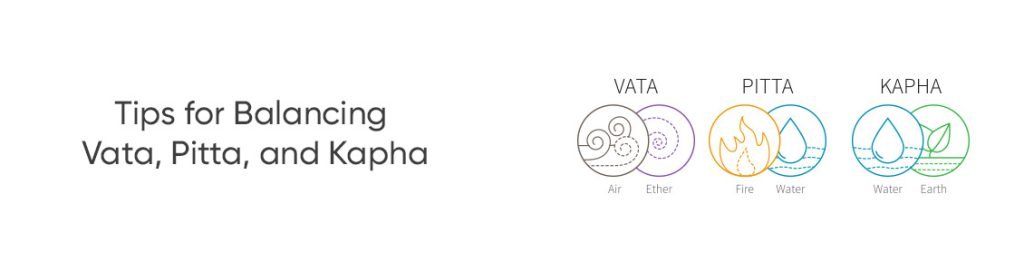
November 10, 2023 Tips for Balancing Vata, Pitta, and Kapha Contact Us +65 6398 0415 admin@ayurvedasg.com Recent Articles Ayurveda Singapore explains the characteristics of each dosha type and provide practical tips to balance Vata, Pitta, and Kapha. In the ancient system of Ayurveda, the three doshas—Vata, Pitta, and Kapha—form the foundation of one’s constitution and play a pivotal role in maintaining overall health and well- being. According to Ayurvedic Singapore, an imbalance in these doshas can cause various physical and mental health issues. To achieve optimal health, it’s essential to understand your dominant dosha and adopt lifestyle practices that bring harmony to your unique constitution. Ayurveda Singapore explains the characteristics of each dosha type and provide practical tips to balance Vata, Pitta, and Kapha. Understanding the doshas Vata dosha:Ayurvedic Singapore says Vata is associated by the elements of air and space. It governs movement, including bodily functions like breathing, circulation, and elimination. Individuals with a dominant Vata dosha are often creative, energetic, and quick-thinking. However, when Vata is imbalanced, it can lead to anxiety, insomnia, and digestive issues. Tips for balancing Vata:Ayurvedic Singapore recommends warm food, mindful eating and gentle exercise for Vata type people. a. Warmth and routine: Since Vata is cold and dry, incorporate warmth into your daily routine, says Ayurveda Singapore. Choose warm, nourishing foods and beverages, and establish a consistent daily routine to create stability. b. Mindful eating: Ayurvedic Singapore recommends warm, cooked foods over raw and cold options. They suggest choosing grounding foods like root vegetables, whole grains, and cooked fruits. Herbal teas, especially those with warming spices like ginger and cinnamon, can also help balance Vata. c. Gentle exercise: Ayurveda Singapore suggests engaging in gentle, grounding exercises like yoga or tai chi. Avoid intense and strenuous activities that may exacerbate Vata’s natural tendencies. Pitta dosha:According to Ayurveda Singapore, Pitta is associated with the elements of fire and water. It governs digestion, metabolism, and transformation in the body. Pitta-dominant individuals are often sharp-minded, ambitious, and have a strong digestive fire. When there is Pitta imbalance, it can lead to issues like inflammation, irritability, and digestive disorders. Tips for balancing Pitta: a. Cooling foods: Ayurveda Singapore recommends cooling, hydrating foods to balance Pitta’s heat. Include leafy greens, sweet fruits, and dairy alternatives in your diet. Avoid spicy and overly processed foods, as they can aggravate Pitta. b. Time in nature: Ayurvedic Singapore suggests spending time outdoors in nature, especially during the cooler parts of the day. This can help calm the intensity associated with Pitta dosha and promote a sense of relaxation. c. Moderate exercise: According to Ayurveda Singapore, Pitta individuals benefit from moderate, non-competitive exercise. Activities like swimming, hiking, and biking can help release excess heat without overstimulating the system. Kapha dosha: According to Ayurveda Singapore, Kapha is associated with the elements of earth and water. It governs structure, stability, and lubrication in the body. Kapha-dominant individuals are often calm, nurturing, and have a sturdy build. Imbalances in Kapha can manifest as weight gain, lethargy, and respiratory issues. Tips for balancing Kapha: a. Stimulating foods: Ayurvedic Singapore suggests e warm, spicy, and stimulating foods to counterbalance Kapha’s heaviness. One should include different and colorful vegetables, legumes, and light proteins in your diet. Limit intake of heavy, oily, and sweet foods. b. Regular exercise: Ayurvedic Singapore recommends regular, invigorating exercise to stimulate circulation and metabolism. Activities like jogging, dancing, or high-intensity interval training (HIIT) can be beneficial for balancing Kapha. c. Maintain a routine: According to Ayurveda Singapore establishing a daily routine is crucial for Kapha individuals. This helps prevent stagnation and provides structure to the day, promoting a sense of purpose and vitality. Incorporating Ayurvedic principles into your lifestyle can be a transformative journey toward achieving balance and optimal well-being. By understanding your dominant dosha and implementing personalized practices, you can harmonize Vata, Pitta, and Kapha, promoting equilibrium in both your physical and mental health. Ayurveda Singapore emphasizes the importance of individualized approaches, so feel free to check with them and adopt methods to suit your unique constitution.
Ayurveda in Supporting Women’s Health

November 6, 2023 Ayurveda in Supporting Women’s Health Contact Us +65 6398 0415 admin@ayurvedasg.com Recent Articles Ayurveda Singapore offers a comprehensive and personalized approach to women’s health, emphasizing the importance of balance and harmony In the intricate tapestry of health and well-being, Ayurveda emerges as a time-honoured tradition, offering profound insights into the unique needs of women. According to Ayurveda Singapore, as the custodians of life and nurturers of the world, women’s health is a pivotal aspect that demands attention and care. Ayurveda, an ancient Indian system of medicine, provides a holistic approach to wellness, focusing on balance and harmony within the body, mind, and spirit. Let’s probe into the principles of Ayurveda as they relate to women’s health, exploring how this ancient wisdom can help balance hormones and support overall well-being. Ayurvedic Singapore says that Ayurveda is translated as the “science of life,” as it is a holistic system that originated in India over 5,000 years ago. At its core, Ayurveda recognizes the individual as a particular combination of the three doshas – Vata, Pitta, and Kapha. These doshas represent the fundamental energies that control various physiological and psychological functions within the body. Each person has a distinct dosha constitution, known as Prakriti, which influences their physical, mental, and emotional characteristics. Ayurveda Singapore explains that women, like men, have their unique Prakriti, and Ayurveda acknowledges the dynamic nature of their hormonal cycles. The key to optimal health, according to Ayurveda, lies in maintaining a balance among the doshas, adapting lifestyle choices, dietary habits, and self-care practices to align with the body’s changing needs. Balancing hormones with Ayurveda: According to Ayurvedic Singapore, through personalized dietary choices, herbal support, and mindful daily routines, Ayurveda can empower individuals to harmonize their hormones naturally. Ayurveda Singapore emphasizes that balancing hormones isn’t merely a goal; it’s a holistic journey where Ayurveda Singapore guides individuals to align with their unique constitution, promoting vitality and well-being from within. Menstrual cycle: Ayurveda Singapore recognizes the menstrual cycle as a vital indicator of a woman’s overall health. Irregularities in the menstrual cycle are often indicative of doshic imbalances. The menstrual cycle corresponds to the lunar cycle and is divided into three phases: the Vata phase (menstruation), the Pitta phase (follicular phase), and the Kapha phase (luteal phase). Each phase demands specific care to maintain equilibrium. Dietary recommendations: Ayurveda Singapore places great emphasis on the role of food in maintaining balance. Choosing foods that pacify their dominant dosha during each menstrual phase is crucial for women. During the Vata phase, warm and nourishing foods help alleviate discomfort. The Pitta phase benefits from cooling foods, while the Kapha phase requires light and easily digestible options. Incorporating a variety of seasonal fruits, vegetables, whole grains, and herbal teas can support hormonal balance. Herbal support: Ayurvedic Singapore recommends herbs that play a pivotal role in promoting hormonal balance. Ashwagandha, Shatavari, and Brahmi are renowned for their adaptogenic properties, supporting the body adapt to stressors and promoting overall well-being. Shatavari, in particular, is known for its ability to support the female reproductive system, balance hormones, and ease menstrual discomfort. Daily routine (Dinacharya): According to Ayurvedic Singapore, establishing a daily routine aligned with Ayurvedic principles is crucial for hormonal balance. Adequate sleep, regular exercise, and stress management practices such as meditation or yoga contribute to overall well- being. Ayurveda encourages syncing daily routines with natural circadian rhythms to enhance the body’s innate healing abilities. Emotional well-being: Ayurveda Singapore understands the intricate connection between the mind and body. Emotional well-being is vital for women’s health. Meditation, mindfulness, and self-reflection are integral to maintaining emotional balance. Ayurvedic therapies like Abhyanga (self-massage with warm oil) can promote relaxation and reduce stress. Detoxification (Panchakarma): Periodic detoxification is one of the basics of health management in Ayurvedic Singapore. Their Panchakarma, a cleansing therapy, helps eliminate accumulated toxins from the body. For women, these therapies can be tailored to support the reproductive system, promoting a healthy balance of hormones. Seasonal adaptations: Ayurveda Singapore recognizes the impact of seasonal changes on health. Adapting one’s lifestyle, diet, and self-care practices according to the seasons ensures the body remains in harmony with its environment. For women, this may involve adjusting daily routines and dietary choices to accommodate hormonal cycles’ natural ebb and flow. Ayurveda Singapore offers a comprehensive and personalized approach to women’s health, emphasizing the importance of balance and harmony. By understanding one’s unique constitution, embracing dietary and lifestyle practices aligned with Ayurvedic principles, and incorporating herbs and therapies that support hormonal balance, women can nurture their well- being at every stage of life.
Eating Based On Your Dosha

November 4, 2023 Eating Based On Your Dosha Contact Us +65 6398 0415 admin@ayurvedasg.com Recent Articles Ayurveda Singapore explains the significance of eating for your dosha and the dynamic interplay between food and the changing seasons Ayurvedic Singapore emphasizes the importance of understanding one’s dominant dosha and adapting dietary habits to align with both personal constitution and seasonal influences. In the exploration of Ayurvedic nutrition, Ayurveda Singapore explains the significance of eating for your dosha and the dynamic interplay between food and the changing seasons.According to Ayurvedic Singapore, Ayurveda, offers profound insights into maintaining balance and harmony within the body and mind. Central to Ayurveda is the concept of doshas—Vata, Pitta, and Kapha—representing unique combinations of the five elements (earth, water, fire, air, and ether) present in varying proportions in each individual. Vata, Pitta, and Kapha Ayurveda Singapore highlights that before embarking on an Ayurvedic nutritional journey, it’s crucial to identify your predominant dosha or dosha combination. Vata, primarily composed of air and ether, embodies qualities such as lightness, coldness, and dryness. Pitta, associated with fire and water, manifests as heat, intensity, and oiliness. Kapha, influenced by earth and water, exhibits qualities of heaviness, coolness, and moisture. Each individual possesses a unique doshic constitution, with one dosha typically dominating. Eating for your doshaVata Dosha: Ayurveda Singapore says individuals with a dominant Vata dosha benefit from warm, grounding foods that counterbalance their inherent cold and dry qualities. Foods that are nourishing, moist, and easily digestible are recommended. Examples include cooked grains, root vegetables, warming spices like ginger and cinnamon, and healthy fats such as ghee and sesame oil.Emphasis should be on regular, nourishing meals to provide stability and prevent Vata imbalance.Pitta dosha: Ayurvedic Singapore recommends a diet that cools and soothes to pacify the fiery nature of Pitta. This involves incorporating sweet, bitter, and astringent tastes. Foods like cucumber, mint, coconut, and coriander help maintain balance. Moderation in spicy, salty, and sour foods is advisable, as they can exacerbate Pitta imbalances.Eating at regular intervals and avoiding overly hot or spicy foods contribute to the overall well-being of Pitta-dominant individuals.Kapha dosha: According to Ayurveda Singapore, Kapha individuals, with their inherent stability and moisture, benefit from a diet that is warm, light, and stimulating. Incorporating pungent, bitter, and astringent tastes helps balance Kapha. Foods such as cruciferous vegetables, legumes, and light grains are favorable.Maintaining an active lifestyle and avoiding excessive intake of heavy, oily, and sweet foods is essential to prevent Kapha imbalances. Seasonal eating in AyurvedaIn Ayurvedic nutrition, the concept of Ritucharya, or seasonal regimen, plays a pivotal role. Ayurveda Singapore recognizes three primary seasons—Vata (fall and early winter), Pitta (summer), and Kapha (late winter and spring). Aligning dietary choices with the prevailing season helps maintain equilibrium and prevent imbalances associated with doshas.Vata season (Fall and Early Winter): As Vata is predominant during this season, Ayurveda Singapore suggests incorporating warm, nourishing foods is crucial. Root vegetables, hearty stews, and warming spices like cinnamon and nutmeg are beneficial.Adequate hydration with warm beverages and the inclusion of healthy fats help combat the dryness associated with Vata.Pitta season (Summer): Given the intense heat during Pitta season, cooling foods become supreme, says Ayurvedic Singapore. Water-rich fruits like watermelon, cucumber, and berries, along with leafy greens, support balance.Emphasis on hydration, through both food and drink, is essential to counteract the heat and prevent Pitta aggravation.Kapha season (Late Winter and Spring): During the Kapha season, as the earth begins to thaw, Ayurveda Singapore recommends incorporating lighter, warming foods. Spices like ginger and garlic, along with astringent and bitter tastes, help balance Kapha.Engaging in regular physical activity and favoring foods that stimulate digestion contribute to maintaining equilibrium. Practical tips for Ayurvedic nutritionMindful eating: Ayurveda Singapore places great importance on the manner in which we eat. Practicing mindful eating, savoring each bite, and paying attention to hunger and satiety cues contribute to optimal digestion and assimilation of nutrients.Food combining: Ayurveda Singapore emphasizes proper food combining to enhance digestion. For example, avoiding the simultaneous consumption of fruits and dairy can prevent digestive issues and optimize nutrient absorption.Cooking methods: The method of food preparation is as significant as the choice of ingredients. Ayurveda Singapore encourages cooking methods that enhance the digestibility of food, such as steaming, stewing, and sautéing, while minimizing raw and excessively processed foods. Ayurvedic Singapore offers a personalized and holistic nutrition approach to maintaining health and preventing imbalances. By understanding and aligning with your dominant dosha, as well as considering the seasonal influences on your body, you can cultivate a diet that promotes balance and vitality.
Detoxification and Cleansing with Ayurveda

November 1, 2023 Detoxification and Cleansing with Ayurveda Contact Us +65 6398 0415 admin@ayurvedasg.com Recent Articles Ayurveda Singapore places great emphasis on establishing a daily routine aligned with natural rhythms The concept of detoxification and cleansing has gained prominence in the realm of holistic health, says Ayurveda Singapore. In our fast and modern lives, we are constantly exposed to a barrage of pollutants, stress, and unhealthy lifestyles that can take a toll on our well-being. Ayurveda Singapore offers a comprehensive approach to detoxification through a process known as Panchakarma and other complementary practices. Let’s understand the significance of detoxification in Ayurveda, the principles behind Panchakarma, and additional Ayurvedic strategies for maintaining a balanced and cleansed body. Detoxification in Ayurveda:Ayurveda, often referred to as the “science of life,” views health as a delicate balance between the body, mind, and spirit. According to Ayurvedic Singapore, toxins or “ama” accumulate in the body due to improper diet, poor digestion, and an unhealthy lifestyle. These toxins, if left untreated, can disrupt the body’s natural equilibrium, leading to various diseases.Ayurveda Singapore aims to eliminate the accumulated toxins, rejuvenate the body, and restore balance. It goes beyond just physical cleansing; Ayurveda acknowledges the interconnection of the body and mind, emphasizing the vital nature of mental and emotional well-being in the detoxification process. Panchakarma: The five actions of cleansingAccording to Ayurvedic Singapore, at the heart of Ayurvedic detoxification is Panchakarma, a specialized therapeutic procedure that targets the root cause of imbalances in the body. The term “Panchakarma” translates to “five actions” in Sanskrit, reflecting the comprehensive nature of this cleansing process. The five actions include:Vamana (Emesis): At Ayurveda Singapore, this involves therapeutic vomiting to eliminate excess mucus and toxins from the upper respiratory and gastrointestinal tract.Virechana (Purgation): A controlled purgation process to remove accumulated toxins from the liver and gallbladder, promoting better digestion and metabolic function at Ayurvedic Singapore. Basti (Enema): Administering herbal decoctions or oils through the rectum to cleanse and nourish the colon, enhancing the elimination of waste is carried out at Ayurveda Singapore. Nasya (Nasal administration): Ayurvedic Singapore recommends application of herbal oils or powders to the nasal passages, to promote the cleansing of the head and neck region. It is considered to improve respiratory function and mental clarity. Raktamokshana (Bloodletting): An ancient technique rarely used today, involving controlled removal of a small amount of blood to purify the blood and eliminate toxins. At Ayurveda Singapore, the choice of Panchakarma procedures is tailored to an individual’s unique constitution (Prakriti) and current imbalances (Vikriti). It is crucial for these procedures to be done under the recommendation and guidance of a qualified Ayurvedic practitioner for safety and effectiveness. Beyond Panchakarma: Supporting Detoxification with Ayurveda: While Panchakarma is a potent detoxification tool, Ayurveda Singapore offers a holistic approach to wellness that extends beyond these intensive procedures. They recommend incorporating daily practices and dietary guidelines can support ongoing detoxification and contribute to overall well-being. Dinacharya (Daily Routine): Ayurveda Singapore places great emphasis on establishing a daily routine aligned with natural rhythms. This includes practices like oil pulling, tongue scraping, and self-massage (Abhyanga) to enhance detoxification and promote balance. Ahara (Nutrition): Ayurvedic Singapore’s dietary principles play a crucial role in maintaining optimal health. Emphasizing fresh, seasonal, and whole foods, while avoiding processed and incompatible combinations, it supports the body’s natural detoxification processes. Herbal support: Ayurveda Singapore makes use of the therapeutic properties of numerous herbs to support detoxification. In the quest for optimal health, Ayurveda Singapore offers a holistic and time-tested approach to detoxification through Panchakarma and complementary practices. By addressing imbalances at their roots and promoting harmony between the body, mind, and spirit, Ayurveda Singapore provides a roadmap for individuals seeking to cleanse and rejuvenate. Whether through the transformative actions of Panchakarma or the incorporation of daily Ayurvedic rituals, incorporating these practices can lead to a profound sense of well-being and vitality.
Ayurvedic management of urinary disorders

October 8, 2023 Ayurvedic management of urinary disorders Contact Us +65 6398 0415 admin@ayurvedasg.com Recent Articles Ayurveda Consultant at Ayurveda Singapore says that adequate water intake is crucial for maintaining healthy urinary function Urinary disorders are a common health concern affecting millions of individuals worldwide. V.C. Ajith Kumar, Director and Principal Ayurvedic Consultant, Ayurveda Singapore says, “These conditions encompass several issues, from urinary tract infections to more chronic conditions like kidney stones and urinary incontinence. While modern medicine offers effective treatments, Ayurveda, the ancient Indian system of medicine, provides a holistic approach to managing urinary disorders. This holistic approach addresses the symptoms and restore balance in the body, promoting long-term well-being.”In this blog, Ayurveda Consultant at Ayurveda Singapore delves into the principles of Ayurvedic management for urinary disorders, exploring natural solutions, dietary guidelines, and lifestyle modifications. Urinary disorders from an Ayurvedic perspective Ayurveda Consultant at Ayurveda Singapore says that Ayurveda views urinary disorders as an imbalance in the doshas—Vata, Pitta, and Kapha—that govern various bodily functions. A disruption in the equilibrium of these doshas can lead to urinary problems. For instance, an excess of Vata can cause dryness and constriction in the urinary tract, leading to conditions like urinary retention, while an aggravated Pitta may result in inflammation and irritation, contributing to conditions like urinary tract infections. Role of herbs in urinary disorders Talking about the role of herbs, the Ayurveda Consultant at Ayurveda Singapore says: Triphala: This powerful Ayurvedic formulation, consisting of three fruits – Amalaki, Bibhitaki, and Haritaki, is renowned for its cleansing and rejuvenating properties. It aids in detoxifying the urinary system and helps prevent infections. Gokshura (Tribulus terrestris): According to Ayurvedic Consultant at Ayurvedic Singapore, Gokshura is a renowned herb for its diuretic properties, which help improve urine flow and alleviate symptoms of urinary disorders. Punarnava (Boerhavia diffusa): Ayurveda Consultant at Ayurveda Singapore says that Punarnava is known for its anti-inflammatory and diuretic properties, Punarnava aids in reducing swelling in the urinary tract and is particularly beneficial in cases of kidney disorders. Varuna (Crataeva nurvala): According to Ayurvedic Consultant at Ayurvedic Singapore, the herb, Varuna, has diuretic and antiinflammatory properties. It is specifically effective in the management of urinary infections and kidney stones. Shatavari (Asparagus racemosus): According to Ayurvedic Consultant at Ayurvedic Singapore, Shatavari is a rejuvenating herb that helps balance Vata and Pitta doshas, making it valuable in the management of urinary disorders. Dietary guidelines Elaborating on the dietary part, Ayurveda Consultant at Ayurveda Singapore says that Ayurveda places significant emphasis on diet as a foundation of good health. When it comes to urinary disorders, he offers some dietary recommendations: Hydration: Ayurveda Consultant at Ayurveda Singapore says that adequate water intake is crucial for maintaining healthy urinary function. Drinking warm water at regular intervals can help flush toxins from the system. Limiting caffeine and alcohol:According to Ayurvedic Consultant at Ayurvedic Singapore, excessive consumption of caffeine and alcohol can irritate the urinary tract. It’s advisable to moderate or avoid these substances. Incorporating cooling foods: Ayurveda Consultant at Ayurveda Singapore says that foods with cooling properties, such as cucumbers, watermelons, and mint, can help pacify an aggravated Pitta, which may be contributing to urinary issues. Ayurveda Consultant at Ayurveda Singapore recommends avoiding spicy and acidic foods, which may exacerbate Pitta imbalances. He advices to choose milder, soothing flavors instead. Lifestyle modifications According to Ayurvedic Consultant at Ayurvedic Singapore, practicing yoga asanas and meditation can help reduce stress levels, which can exacerbate urinary disorders. Specific poses like Uttanasana (Standing Forward Bend) and Setu Bandhasana (Bridge Pose) can be particularly beneficial. Ayurveda Consultant at Ayurveda Singapore says engaging in regular, moderate exercise promotes healthy circulation and can support overall urinary system function.Ayurveda Consultant at Ayurveda Singapore says stress can significantly impact urinary health. Techniques like deep breathing, mindfulness, and Ayurvedic stress reducing practices can be highly effective. According to Ayurvedic Consultant at Ayurvedic Singapore, good personal hygiene, especially in the genital area, is crucial to prevent infections. Ayurveda Consultant at Ayurveda Singapore says that Ayurveda provides a comprehensive approach to managing urinary disorders, focusing on restoring balance to the body and mind. By incorporating natural remedies, following dietary guidelines, and making lifestyle modifications, individuals can take significant steps towards alleviating urinary issues and promoting long-term wellness. However, it’s important to consult with a qualified Ayurvedic practitioner for personalized guidance and treatment plans tailored to individual needs.
How Ayurveda can help improve gut health
October 7, 2023 How Ayurveda can help improve gut health Contact Us +65 6398 0415 admin@ayurvedasg.com Recent Articles Ayurveda Consultant at Ayurveda Singapore says that Triphala, a well-known Ayurvedic formulation, is revered for its ability to cleanse and tonify the digestive tract In our fast-paced world, where stress and processed foods are commonplace, maintaining a healthy gut can be a challenge. Ayurveda, woth its origin in India, offers a holistic approach to well-being that places great emphasis on digestive health. This 5000-year-old science provides valuable insights into how we can improve our gut health through natural, sustainable practices.In this blog, V.C. Ajith Kumar, Director and Principal Ayurvedic Consultant, Ayurveda Singapore discusses how Ayurveda can play a pivotal role in nurturing a thriving gut. Understanding the importance of gut health Ayurveda Consultant at Ayurveda Singapore says, the gut, often referred to as the “second brain” is a complex system responsible for digestion, absorption of nutrients, and elimination of waste. It is also home to a diverse community of microorganisms, collectively known as the gut microbiome. This delicate balance of bacteria, fungi, and viruses plays a crucial role in one’s overall health, impacting everything from our immune system to our mental well-being. Ayurveda’s perspective on gut health Ayurveda Consultant at Ayurveda Singapore says that Ayurveda views the digestive system as the basis of health. According to this ancient wisdom, optimal digestion is important in preventing disease and promoting longevity. The foundation of Ayurvedic principles lies in balancing the three doshas—Vata, Pitta, and Kapha—which govern various physiological functions, including digestion. Balancing the doshas According to Ayurvedic Consultant at Ayurvedic Singapore, in Ayurveda, maintaining a harmonious balance between Vata, Pitta, and Kapha is crucial for overall well-being. An imbalance of the doshas can lead to digestive issues. For instance, excess Vata can cause gas, bloating, and constipation, while elevated Pitta may result in acid reflux and inflammation. Ayurvedic therapies and dietary recommendations are tailored to restore equilibrium among the doshas, consequently improving gut health. Mindful eating practices Ayurveda Consultant at Ayurveda Singapore says that Ayurveda places great importance on mindful eating. This means savoring each bite, eating in a calm and pleasant environment, and avoiding distractions. Additionally, Ayurveda advises against overeating, as it can overload the digestive system and lead to indigestion. By adopting these practices, we can support our gut’s natural ability to process and assimilate nutrients. Adopting digestive herbs and spices According to Ayurvedic Consultant at Ayurvedic Singapore, Ayurvedic herbs and spices have been used by mankind for centuries to aid digestion. For instance, ginger is, known for its digestive benefits. Ginger can stimulate digestive enzymes’ production and help alleviate symptoms of indigestion. Similarly, fennel seeds, cumin, and coriander are frequently recommended to soothe the digestive tract and enhance nutrient absorption. Incorporating Triphala Ayurveda Consultant at Ayurveda Singapore says that Triphala, a well-known Ayurvedic formulation, is revered for its ability to cleanse and tonify the digestive tract. Comprising three fruits—amalaki, bibhitaki, and haritaki—Triphala offers a gentle, yet effective, approach to supporting healthy digestion. It aids in regular bowel movements, detoxification, and rejuvenation of the gut. Practicing Ayurvedic detoxification According to Ayurvedic Consultant at Ayurvedic Singapore, Ayurveda recommends periodic cleansing, or Panchakarma, to eliminate accumulated toxins (ama) from the body. This process involves a combination of therapies such as massage, herbal enemas, and dietary modifications. By ridding the body of harmful substances, we create an optimal environment for the gut to thrive. Encouraging a Sattvic diet According to Ayurvedic Consultant at Ayurvedic Singapore, in Ayurveda, a Sattvic diet is considered ideal for promoting digestive health. This diet is comprised of fresh, whole foods that are minimally processed and free from artificial additives. Such a diet promotes fruits, vegetables, whole grains, nuts, seeds, and dairy products. By adopting a Sattvic approach, one can provide the gut with the essential nutrients it needs to function optimally. Ayurveda Consultant at Ayurveda Singapore concludes that incorporating Ayurvedic principles into our daily lives can lead to significant improvements in gut health. By nurturing a balanced digestive system, one can enhance physical well-being, support mental and emotional equilibrium. Through mindful eating practices, the use of digestive herbs, and the incorporation of Ayurvedic therapies, we can tap into the profound wisdom of this ancient healing tradition. According to Ayurvedic Consultant at Ayurvedic Singapore, a healthy gut is the basis of a vibrant, thriving life.
Nurturing your heart, the Ayurvedic way

October 6, 2023 Nurturing your heart, the Ayurvedic way Contact Us +65 6398 0415 admin@ayurvedasg.com Recent Articles In the hectic pace of modern life, it’s easy to neglect our most vital organ – the heart. V.C. Ajith Kumar, Director and Principal Ayurvedic Consultant, Ayurveda Singapore assures that by incorporating Ayurvedic habits into one’s daily routine, you can support a happy heart and lead a healthier, more fulfilling life. The Indian system of medicine, Ayurveda, offers a holistic approach to heart health that not only focuses on physical well-being but also nurtures emotional and mental balance. Balanced diet According to Ayurvedic Consultant at Ayurvedic Singapore, the cornerstone of Ayurveda is a balanced diet that supports your unique constitution or dosha – Vata, Pitta, or Kapha. Foods rich in antioxidants, fiber, and essential nutrients are vital for heart health. Always look for whole grains like brown rice and quinoa in the diet. Having plenty of fruits and vegetables, and lean proteins like legumes, nuts, and seeds are good for heart. Avoid processed foods, excessive caffeine, and sugary snacks that can lead to inflammation and cardiovascular issues. Herbs for health Ayurveda Consultant at Ayurveda Singapore says that Ayurveda harnesses the power of herbs to promote heart health. Turmeric, for instance, contains curcumin, a potent anti-inflammatory compound that supports cardiovascular function. Garlic is another well-known herb that helps lower cholesterol levels and supports healthy blood pressure. Including these herbs in your meals or as supplements can provide a natural boost to your heart’s well-being. Daily exercise Ayurveda Consultant at Ayurveda Singapore underscores the importance of regular physical activity, which is essential for maintaining a healthy heart. Ayurveda recommends exercises that align with your dosha. For instance, Vata individuals benefit from gentle, grounding practices like yoga and walking, while Pitta types may find cooling activities like swimming or cycling beneficial. Kapha individuals benefit from more vigorous activities like jogging or intense yoga sessions to stimulate their metabolism. Stress management Ayurveda Consultant at Ayurveda Singapore emphasizes the role of chronic stress in heart disease. Ayurveda places a strong emphasis on stress reduction techniques like meditation, deep breathing exercises (pranayama), and mindfulness practices. These techniques help calm the mind, balance emotions, and reduce the impact of stress on the heart. Quality sleep Ayurvedic Consultant at Ayurvedic Singapore highlights the need for adequate, restful sleep for heart health. Ayurveda suggests establishing a regular sleep routine that aligns with your dosha. This includes going to bed and waking up at consistent times, creating a calming bedtime ritual. You should also ensure that your sleep environment is conducive to restful sleep. Healthy digestion Ayurveda Consultant at Ayurveda Singapore says that a well-functioning digestive system is integral to overall health, including heart health. Ayurveda recommends eating mindfully, chewing food thoroughly, and avoiding overeating. Incorporating warming spices like ginger and black pepper can aid digestion and help prevent the accumulation of toxins, which can negatively impact the heart. Detoxification According to Ayurvedic Consultant at Ayurvedic Singapore, periodic detoxification helps eliminate accumulated toxins from the body, which can contribute to heart problems. Ayurvedic practices like Panchakarma, which includes various cleansing techniques, can be beneficial. However, it’s crucial to consult with an experienced Ayurvedic practitioner before undergoing any detoxification regimen. Lifestyle choices Ayurvedic Consultant at Ayurvedic Singapore advocates for a balanced lifestyle that aligns with your dosha. This includes maintaining a regular daily routine (dinacharya), keeping a specified time for relaxation and leisure activities, and avoiding excessive stimulants or substances that can be detrimental to heart health. Cultivating a joyful heart through Ayurvedic practices embraces a holistic perspective, taking into account the interplay of physical, emotional, and mental well-being. By adopting a balanced diet, incorporating herbal solutions, engaging in regular exercise, managing stress, prioritizing quality sleep, maintaining healthy digestion, practicing detoxification, and making conscious lifestyle choices, one can pave the way for a healthier, happier heart. Ayurvedic Consultant at Ayurvedic Singapore assures that by following the Ayurvedic habits, one can watch their heart smile with gratitude for the care and attention you provide.
Ayurvedic secrets to oral health

October 5, 2023 Ayurvedic secrets to oral health Contact Us +65 6398 0415 admin@ayurvedasg.com Recent Articles Ayurveda Consultant at Ayurveda Singapore says that a healthy smile is not only a reflection of good oral hygiene but also a testament to a balanced and harmonious body Oral health has a crucial role in our overall well-being. V.C. Ajith Kumar, Director and Principal Ayurvedic Consultant at Ayurveda Singapore, says that in Ayurveda, an ancient Indian system of medicine, maintaining a healthy mouth is considered essential for achieving balance and harmony in the body. We can promote good oral hygiene by adopting Ayurvedic principles while reaping numerous holistic health benefits. Here, the Ayurvedic expert unveils the time-tested Ayurvedic practices that contribute to optimal oral health. Jihwa Prakshalana, or tongue scraping According to Ayurvedic Consultant at Ayurvedic Singapore, Ayurveda emphasizes the importance of tongue scraping as a daily routine. This simple practice involves using a copper or stainless steel scraper to gently remove toxins, bacteria, and food debris from the tongue’s surface. This not only improves oral hygiene but also supports digestive health and freshens breath. The tongue is believed to be a reflection of the digestive system, making this practice integral to Ayurvedic oral care. Gandusha or oil-pulling Ayurveda Consultant at Ayurveda Singapore says oil pulling is another cornerstone of oral care. It involves swishing a tablespoon of warm sesame or coconut oil in the mouth for 15-20 minutes before spitting it out. This process helps to draw out toxins, reduce plaque, and promote gum health. Oil pulling is renowned for detoxifying the mouth, improving oral hygiene, and even contributing to overall body detoxification. Herbal tooth powders and pastes Ayurveda encourages using natural, herbal tooth powders and pastes to clean teeth. According to Ayurvedic Consultant at Ayurvedic Singapore, ingredients like neem, clove, triphala, and turmeric have potent antibacterial and anti-inflammatory properties. These natural substances not only cleanse the teeth but also promote gum health and combat bad breath. Unlike commercial toothpaste, Ayurvedic formulations are free from harsh chemicals and additives, ensuring a gentle yet effective cleaning experience. A balanced diet and nutritional choices According to Ayurvedic Consultant at Ayurvedic Singapore, diet plays a vital role in oral health. Including foods that are high in vitamins and minerals, especially calcium and vitamin C, can help maintain strong teeth and healthy gums. Additionally, one should stay away from excessive consumption of sugary and acidic foods is crucial in preventing cavities and gum disease. A balanced diet not only supports oral health but also contributes to overall well-being. Ayurvedic mouthwashes and rinses Ayurveda Consultant at Ayurveda Singapore says that Ayurvedic mouthwashes and rinses utilize herbal ingredients like clove, mint, and neem to maintain oral hygiene. These natural formulations help to kill harmful bacteria, soothe gum irritation, and freshen your breath. Unlike alcohol-based commercial mouthwashes, Ayurvedic alternatives are gentle on the mouth’s delicate tissues, providing a holistic approach to oral care. Stress management Ayurveda recognizes the connection between stress and oral health. According to Ayurvedic Consultant at Ayurvedic Singapore, high-stress levels can lead to teeth grinding, jaw clenching, and other oral health issues. Practices like pranayama (breathing exercises) and meditation help to calm the mind and relax the body, minimizing the effect of stress on oral health. By making these techniques a part of your daily routine, one can promote a healthy mouth and a peaceful mind. Regular dental check-ups and cleanings While Ayurveda offers a holistic approach to oral health, it’s important to complement these practices with regular dental check-ups and cleanings. According to Ayurvedic Consultant at Ayurvedic Singapore, Ayurvedic practices can be integrated into conventional dental care to create a comprehensive oral health regimen. Incorporating Ayurvedic principles into one’s oral care routine provides a holistic approach to maintaining optimal oral health. By practices like tongue scraping, oil pulling, herbal tooth care, a balanced diet, and stress management techniques, one can promote a healthy mouth and contribute to our overall well-being. Ayurveda Consultant at Ayurveda Singapore says, “Remember, a healthy smile is not only a reflection of good oral hygiene but also a testament to a balanced and harmonious body” Your radiant smile can be a testament to your vibrant health.
Ayurveda in alleviating heel pain
October 4, 2023 Ayurveda in alleviating heel pain Contact Us +65 6398 0415 admin@ayurvedasg.com Recent Articles Ayurveda Consultant at Ayurveda Singapore says regularly massaging the heels with warm sesame oil helps lubricate the tissues, reduce stiffness, and improve blood circulation Heel pain is a common problem that can significantly impact one’s mobility and quality of life. Whether it stems from plantar fasciitis, Achilles tendonitis, or other causes, finding effective relief is paramount. V.C. Ajith Kumar, Director and Principal Ayurvedic Consultant, Ayurveda Singapore says that Ayurveda, the ancient holistic healing system from India, offers a holistic approach to healing various ailments, including heel pain. Understanding the Ayurvedic perspective According to Ayurvedic Consultant at Ayurvedic Singapore, heel pain is often associated with an imbalance in the Vata dosha. Vata governs movement and is primarily located in the bones, joints, and nerves of the body. An aggravated Vata dosha can lead to dryness, stiffness, and pain in the affected area, which in this case is the heels. Ayurvedic management of heel pain According to Ayurvedic Consultant at Ayurvedic Singapore, Ayurvedic solutions and practices can help alleviate heel pain and restore your comfort and mobility. Sesame oil massage (Abhyanga) Ayurveda Consultant at Ayurveda Singapore says regularly massaging the heels with warm sesame oil helps lubricate the tissues, reduce stiffness, and improve blood circulation. Sesame oil is revered in Ayurveda for its warming and nourishing properties. Warm a small amount of sesame oil and gently massage it into your heels using circular motions. Leave it on for 15-20 minutes before washing it off. Triphala powder paste Ayurveda Consultant at Ayurveda Singapore says Triphala is known for its anti-inflammatory and analgesic properties. To create a paste, mix Triphala powder with a small amount of water. Apply this paste to the affected area and leave it on for 30 minutes before rinsing off. Ginger compress (shunti lepa) According to Ayurvedic Consultant at Ayurvedic Singapore, ginger is an anti inflammatory herb that can be used topically to alleviate pain and swelling. Grind fresh ginger into a paste and apply it to the heels. Cover the area with a cloth and leave it on for 30 minutes. Ginger’s natural heat helps increase blood flow to the area, reducing pain and inflammation. Turmeric poultice (haridra lepa) According to Ayurvedic Consultant at Ayurvedic Singapore, turmeric is renowned for its potent anti-inflammatory and analgesic properties. Mix turmeric powder with a small amount of water and create a paste. Apply this poultice to the affected heels and cover with a cloth. Leave it on for 20-30 minutes before rinsing off. Warm Epsom salt soak Ayurveda Consultant at Ayurveda Singapore recommends Epsom salt, which is rich in magnesium, to relax muscles and reduce inflammation. Take warm water and dissolve a cup of Epsom salt in it. Soak your feet for 15-20 minutes. This practice can be especially soothing before bedtime. Balanced diet and hydration Ayurvedic Consultant at Ayurvedic Singapore emphasizes the importance of a balanced diet for a robust overall health. Incorporate foods that pacify Vata dosha, such as warm, nourishing soups, cooked grains, and root vegetables. Staying well hydrated is also crucial for optimal circulation and joint health. Stretching exercises According to Ayurvedic Consultant at Ayurvedic Singapore, practicing yoga asanas and gentle stretching exercises can help improve flexibility, strengthen the muscles supporting the feet, and alleviate tension in the heels. Poses like Tadasana (Mountain Pose) and Vrikshasana (Tree Pose) can be particularly beneficial. Ayurveda Consultant at Ayurveda Singapore says, “Heel pain can be debilitating but with the holistic approach of Ayurveda, relief is within reach. By incorporating the Ayurvedic practices into your routine, you are addressing the root cause of the pain and promote overall well-being. However, it’s essential to consult with a qualified Ayurvedic practitioner before starting any new treatment regimen, especially if you have underlying health conditions. With patience and consistent effort, you can experience the transformative healing power of Ayurveda and regain your mobility and comfort.”