
AYURVEDA FOR RESPIRATORY HEALTH DURING COVID-19
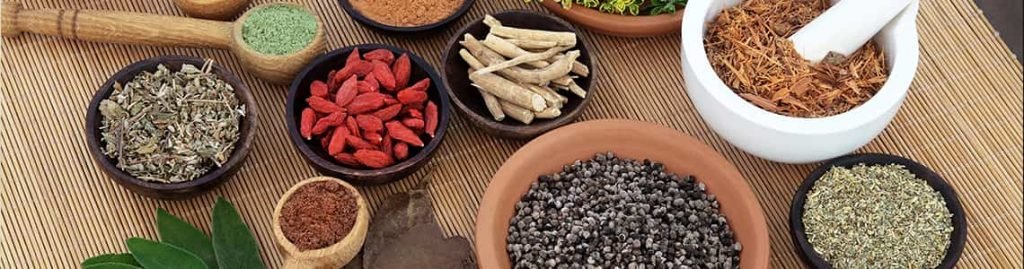
May 28, 2020 AYURVEDA FOR RESPIRATORY HEALTH DURING COVID-19 Contact Us +65 6398 0415 admin@ayurvedasg.com Recent Articles The coronavirus pandemic has got the whole world in a state of panic. The rapid spread of the disease put a pause on life and living as we were used to. This has caused great stress and anxiety to all individuals. Understanding the Coronavirus and its spread The coronavirus attacks the respiratory system. It enters the body predominantly through the mouth and nose. The habit of frequently touching our faces can also bring the virus close to these organs, allowing it to infect the person. For this reason, it is absolutely essential to wear a face mask to reduce the ability of the virus to enter into our systems. In addition to this guideline which is being followed worldwide in an effort to reduce the spread, Ayurveda also provides a few practices which can help protect the respiratory system. By following these practices, it is possible to lessen the chances of infection, and purge the respiratory tract of any microbes which can cause disease. There are several breathing techniques or pranayamas which are practiced to target various issues. Below are two such breathing methods which can be performed daily to keep the respiratory system functioning smoothly. Take some black cumin seeds in a small cotton cloth and wrap it into a little bolus by molding it in your palms to lightly break the seeds and allow the essence to be released. Next, make the pranava mudra with your hand. This is done by folding the middle finger to touch your palm. With the thumb and ring finger next to each nostril, open and close the nostrils alternatively, breathing in and out through either nostril at a time. The index finger must be placed between the eyebrows on the forehead to stimulate the crown. Then the anulom vilom pranayama is performed. This is done by placing the bolus in the right nostril, deeply inhaling, and exhaling through the left nostril. This is then repeated with the other nostril. Continue to do this for 5 minutes. The powerful cumin seeds work to clear the nostrils and the respiratory passageway, thereby reducing the possibility of any infection due to the coronavirus. Once this pranayama is completed, perform bhastrika pranayama. This type of breathing, also known as bellow’s breath, the name refers to a deep breathing method, or hyperventilation. Perform this by taking deep inhalation, holding the air inside and then exhaling from the abdomen. Inhalation is natural to the body, so effort is required predominantly while exhaling. Repeat this and gradually increase speed. Practice this every day for good respiratory health. It is common knowledge that the body requires oxygen for optimum functioning. By doing bhastrika, the body absorbs more oxygen, enabling detoxification. It also stimulates mucus in the esophagus which helps prevent any microbes from entering the body. Apart from these types of pranayama, there is also another method to promote respiratory health. This is done with potent ayurvedic herbs, and can be done in two forms. It is called herbal smoking or herbal steaming. For herbal smoking, use herbs like ginseng, ‘Vayambu’ and ‘veppu’ or neem. The dried form of these herbs is added to burning embers of coal or coconut husk and the smoke is allowed to permeate the entire household. This is extremely potent and can clear the nasal path and promote prevention of any respiratory disease. For herbal steaming, take 50g of fresh leaves of Pinus sylvestris, which is commonly available and boil it in 5 liters of water. Allow this to steep and boil for a few hours and let the steam percolate all living spaces. This humidifies the environment, making it easy to breath and provides the same protection as herbal smoking. By following the above methods, it is possible to protect yourself from the coronavirus, purely by herbal, natural, ayurvedic means. These have all been practiced for centuries and have been proved to be. Tags: ayurveda herbs ayurvedic lifestyle ayurvedic tips covid-19
AYURVEDA FOR GOOD SLEEP

May 28, 2020 AYURVEDA FOR GOOD SLEEP Contact Us +65 6398 0415 admin@ayurvedasg.com Recent Articles Stress, anxiety and insomnia are becoming extremely common these days due to the global coronavirus pandemic. The impact it has had on the whole world is taking a toll on mental health, which over time will directly affect physical health. The biggest cause as well as of all these issues, is the inability to sleep. Ayurveda believes that a healthy mind is key to a healthy body, and a good 7 hours of sleep every night is absolutely essential to keep your mind well rested and calm. Without this sleep, the brain goes on overdrive leading to chronic stress, overthinking, depression, irritation and more. There are a few ways prescribed by Ayurveda which can help the mind shut off and the body relax and drift off into a deep and restful sleep. Below is a nighttime routine to follow which will drastically improve your quality of sleep, making sure you’re ready to face a new day every morning. Oil and gently massage your body thoroughly. Allow the oil to work on you for 30 minutes to 1 hour. Take a calming, warm bath. A soak in the tub is also advised. Drink a glass of warm milk before you hit the bed. According to Ayurveda, warm water, warm milk all have a great effect in de-stressing the body. Avoid cold drinks, and drink a glass of milk sweeter with warm honey just before bed time to enjoy blissful sleep. This can also be an aid to calm the stomach. Indulge in self massage. Ghee has immense restorative properties. Ayurvedic massage of the navel and temples with ghee causes a subtle drowsiness, and allows you to sleep immediately. Feet have several nerve endings which means massaging the feet with oil also has an immense effect in relieving tense muscles. An indulgent head massage also has a similar effect. Gadgets have been big reason for insomnia in the modern world. Put away all gadgets. With news about coronavirus on every platform, browsing on mobile gadgets only serves to increase anxiety. In addition to this, the blue light emitted by phones, tablets and laptops, disrupts the body’s biological clock. So, always put your devices away in an unreachable location, at least half an hour before you plan to go to bed. This will showcase a drastic difference in your sleeping patterns almost immediately. By following the above steps, it is possible to enjoy a good night’s rest without any disruptions. Sleep is vital for regular body functioning. If you have trouble with sleeping even after following the steps, Ayush offers telephone consultation with qualified ayurvedic professionals, who will prescribe personalized ayurvedic therapies to ensure you don’t lose another night of sleep. Tags: ayurvedic lifestyle ayurvedic therapy ayurvedic tips covid-19
MANO SUHAM (MENTAL WELL-BEING) IN THE TIME OF CORONA

May 28, 2020 MANO SUHAM (MENTAL WELL-BEING) IN THE TIME OF CORONA Contact Us +65 6398 0415 admin@ayurvedasg.com Recent Articles Corona virus. The whole world has come to a screeching halt due to the effects of this dreadful disease. Every news channel is talking about it, and it seems to be the only point of discussion these days. In addition to this, the preventive measures of social distancing and nationwide lockdowns are further isolating individuals from accessing a lot of their regular habits. All these, along with the fear of potentially catching the virus, are adding a huge mental weight on most of us. Ayurveda has always focused not just on physical wellness but also mental wellness. Mano suham, is one of the aspects of Ayurveda which must be followed to live a healthy and stress-free life. While there are several ayurvedic therapies which aid in lessening anxiety, preventing stress and aiding sleep such as Abhyangam, Shirodhara, Takradhara and more, there are also measures which can be taken right at home which can improve mental health almost immediately and leave you feeling refreshed and relaxed; ready to take on every day with a positive outlook. Here is some insight on a few such practices which can drastically improve the state of your mind, and thereby allow the body to function harmoniously. PRANAYAMA What is pranayama? Pranayama is a popular ayurvedic practice which involves mindful breathing. Breathing is the most frequent activity done by our body, and is not something we think about often. However, it is most important as it allows the intake of oxygen which purifies our blood and keeps the pH balanced. Pranayama, allows us to harness the full power of breathing and experience complete relaxation and relief from stress by stimulating the parasympathetic system in the body. Simply by breathing with intent, Ayurveda states that it is possible to drastically alter our mental state from that of anxiety and fatigue to one of happiness and contentment. How to perform Pranayama? There are various breathing techniques prescribed in Ayurveda which can target specific problems and assist in relieving them. Instructions for Nadi Pranayama, which promotes calmness and peace of mind is prescribed below. Sit in a comfortable position with the spine erect, or lie down on the floor with some padding. Close your eyes, or cover your eyes with an eye mask to promote concentration. Close your left nostril with your finger and inhale with your right nostril alone, deeply for 4-8 counts. Take care to breathe deeply, into your belly and not your chest. Exhale slowly for about 4 counts, all the while keeping the left nostril closed. Repeat the same by closing the right nostril and performing inhalation and exhalation using the left nostril. This is one cycle. Repeat this 10 times and observe your mental state. Continue this for about 10 minutes. Practice every day for highly positive results. YOGA What is yoga? Ayurveda has always promoted yoga as an extremely therapeutic physical practice which not only aids in keeping the body healthy but also makes the mind healthy. There are several asanas or poses which are perfect for mental health enhancement. Yoga also keeps the body functioning without any hassle, and boosts the performance of the digestive system, immune system and respiratory system. Practicing it daily is sure to improve your overall mood and aid in a better night’s rest. This in turn will increase productivity and keep you both mentally and physically fit during this pandemic. How to do Balasana? While there are numerous asanas, this is a simple one which can help in stress relief and mental rejuvenation. Kneel down and sit on your knees. Bend forward and allow your chest to touch your thighs, with your hands stretched out resting comfortably on the sides. Hold this pose, and take mindful, deep breaths. Allow all worries to melt away and visualize a soft light spreading throughout your whole body and healing it, relaxing it. Perform this pose every day to experience relief from anxiety, worry, tension and more. In addition to these two extremely therapeutic practices, Ayurveda also recommends dinacharya, a regimen for everyday ayurvedic lifestyle and a healthy inclusion of ayurvedic herbs in daily diet. Simple habits like drinking warm water throughout the day, eating mindfully and slowly without distraction and having a regular sleep schedule are all proven to positively impact mental health. Ayush offers consultation with highly skilled Ayurveda practitioners, during this time, who offer the best advice and tips on how to effectively implement Ayurveda into your life. Tags: ayurvedic lifestyle ayurvedic tips Pranayama respiratory health yoga
VATA MANAGEMENT FOR BETTER LIFE

May 28, 2020 VATA MANAGEMENT FOR BETTER LIFE Contact Us +65 6398 0415 admin@ayurvedasg.com Recent Articles Ayurveda relies on the principle of keeping the three doshas of the body balanced. When the kapha vata and pitta doshas are all in complete alignment with each other, the human body functions harmoniously without any issues. However, due to our lifestyle, diet, mental state and external environment, an imbalance in doshas is not uncommon. Currently, the entire global population is facing great turmoil in light of the coronavirus pandemic. This has resulted in widespread panic and a large number of people are suffering from immense stress on a day-to-day basis. Stress in itself is both a cause and an effect of a vata imbalance. Leaving this unchecked, will further destroy the delicate balance of vatas and cause the kapha and pitta levels to vary as well. SYMPTOMS OF VATA IMBALANCE Vata imbalance manifests itself with several tell-tale effects on both the mind and body. Feeling cold and uncomfortable Dehydration and excessive thirst Dryness of skin, eyes, lips and joints Digestion issues including bloating, constipation and indigestion Stress, anxiety and mental fatigue Irritation of sinuses, nose due to extreme dryness STEPS TO MANAGE VATA IMBALANCE By bringing the vata imbalance under control, it is possible to reverse all the negative effects and reach a state of mental and physical equilibrium which promotes health and wellbeing. This can be done by targeting the vata imbalance and taking measures to systematically change it. Drink plenty of warm water several times a day. This is absolutely vital to restore normal bodily function. Restore moisture to the skin with self-massage or Abhyangam with oils to deeply penetrate and restore skin tissue. Cook with sesame, almond oil to promote digestive health through the calming of vata. Eat food which falls under the 3 S’s – sweet, sour and salty. Do not go overboard with this, but when consumed in moderation, this helps balance vata. Warm and hearty foods including soups, casseroles and broth can help ease digestion. Ayurveda also prescribes inclusion of herbs such as cumin, cardamom, cinnamon, black pepper, turmeric and saffron into the regular diet. Stick to a regular sleep schedule. This allows the body to function normally, and restores balance from within. Drink ginger tea with honey to calm the stomach. Golden milk is another great way to pacify vata. Yoga also helps alleviate symptoms of vata imbalance. In particular, perform the following asanas: Surya namaskar, cat stretch, Virabhadrasana (warrior pose) and, Vrikasana (Tree pose) daily for a few minutes to see results. Ayush provides phone consultation with highly skilled ayurvedic practitioners during this ongoing lockdown. If you are experiencing any symptoms which indicate vata imbalance, please contact our Ayurveda doctors to acquire a personalized ayurvedic regimen which is sure to help you achieve balance of doshas.
HOW TO FOLLOW AN AYURVEDIC DIET
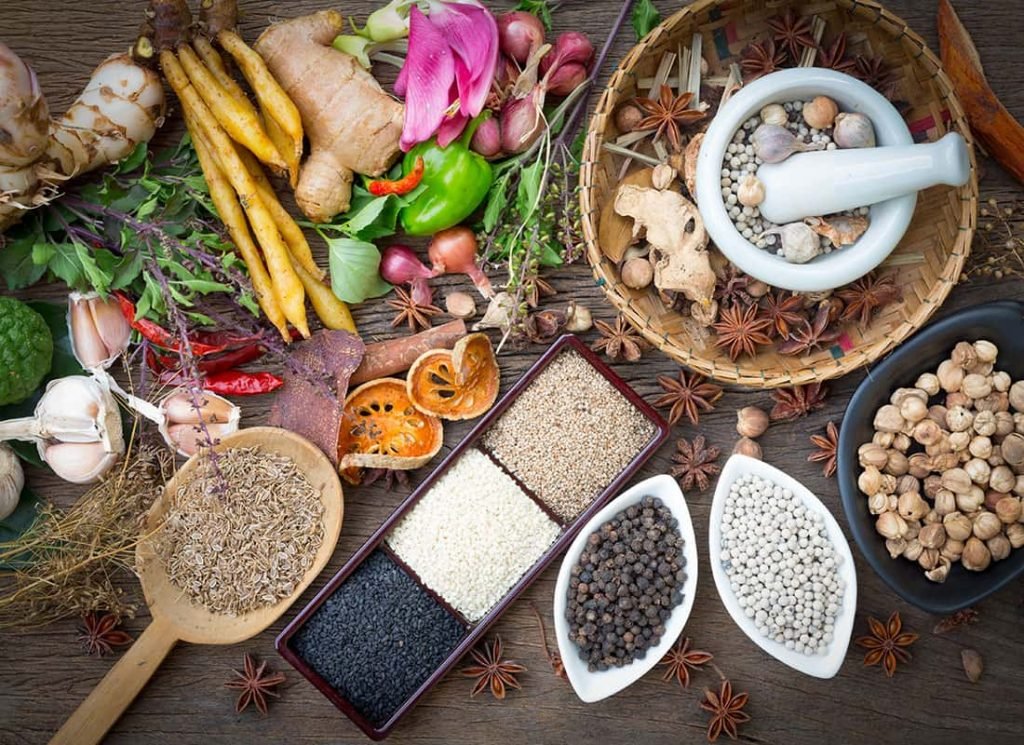
June 19, 2020 HOW TO FOLLOW AN AYURVEDIC DIET Contact Us +65 6398 0415 admin@ayurvedasg.com Recent Articles Ayurveda is firmly rooted in the belief that overall health and wellbeing all starts with good digestion. Digestive health is an indicator of how the body is functioning, and 3000 years of this science have shown time and again that a good diet is the best way to a healthy life. Vedic texts even state that the right food is medicine when consumed correctly. All human bodies are not the same. Ayurveda classifies people’s bodies based on the 3 doshas. Depending on certain key characteristics, people may be predominantly Vata, Kapha or Pitta dosha. Some people might be a combination of 2 of the doshas as well. This is a major factor to take into consideration when planning meals. Depending on your dosha, a diet conducive to appeasing it is the best way to overall fitness, strength and lifelong health. Below are some factors to consider: According to Ayurveda, every meal must have all 6 tastes : salty, sweet, sour, bitter, astringent and pungent. This does not mean the meals should be overpoweringly flavored, but rather that there should be a balance between the components which create a filling, yet healthy meal. Natural, organic food is always advisable. Because preservatives, GMO’s, etc. cause accumulation of toxins in the body, they can not only affect digestion, but will invariably slow down metabolism, reducing immunity in the long run. Meals which are rich in fruits and vegetables is one of the key aspects of an ayurvedic diet. Steamed, sautéed or cooked vegetables are preferable as these are easily digestible when compared to raw, uncooked vegetables. This is particularly important for the morning and night meals. Lunch can include a salad with fresh vegetables, as the digestive fire or agni is at its peak during noon time, promoting faster digestion. Ayurveda makes use of herbs and spices in various medicines, all of which are natural and holistic cures for numerous diseases. These spices can be added to regular diet as well to boost immunity, increase digestive health and regulate body functions. Drinking habits play an important role in maintaining health. Ayurveda recommends drinking warm water or room temperature water throughout the day to stay hydrated. Cool water is not advisable unless you have a Kapha dosha body. Similarly, regular intake of warm, hearty soups; enriched herbal teas can all help ease the load on the stomach during digestion and bring regularity to your daily life. Fruit juices are also good, however consume in moderation as most fruits contain natural sugars. Avoid alcohol, caffeine and smoking. These are responsible for bad digestive health and simply by cutting them out of your lifestyle, you will experience lightness and better health from day 1. An ayurvedic diet is wholesome, and nutritious without cutting any corners. Ayurveda does not recommend any fad weight loss diets, or diets heavy in one particular nutrient, proteins, carbohydrates and so on. These might produce immediate results, like reducing bloating, or helping lose water weight but might cause detrimental effects to the digestive system over time. Ayurveda approaches health by understanding the balance of mind, body and soul. If the mind is in turmoil or under stress, this can cause disruption in the body’s functioning as well. So always be mindful when eating, and chew slowly. Avoid usage of electronic devices during meals and be fully conscious of what you are consuming. This will ensure your body accepts the food and processes it. By following the above tips, it is easy to improve your life, simply by changing your eating habits. An ayurvedic diet will open your eyes to a number of organic food choices which you may have otherwise avoided due to over indulgence in snacks, fast food, fried food and more. This type of eating will refresh your body from the inside out, healing your digestive system, and protecting you from infections, toxins, and disease. Once you try this, and experience the medicinal and therapeutic effects of the same, there’s every chance that you will stick with it for the long run. Tags: ayurveda herbs ayurvedic tips diet health
HOW TO DO NASYAM AT HOME?
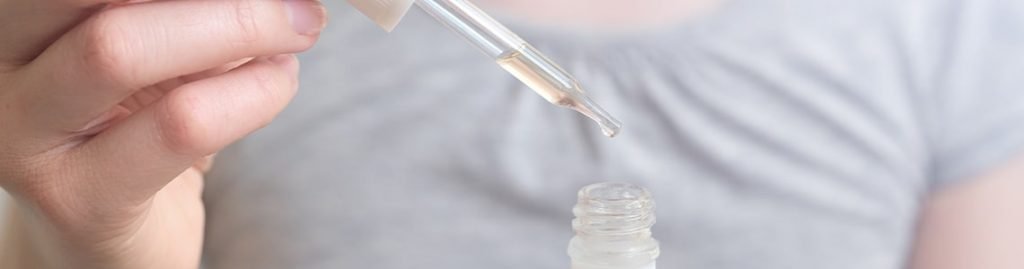
May 13, 2020 HOW TO DO NASYAM AT HOME? Contact Us +65 6398 0415 admin@ayurvedasg.com Recent Articles Ayurvedic therapies have been practiced for centuries and show clear results when followed regularly. All Ayush therapy centres offer Nasyam therapy in-house. However, during times of coronavirus and lockdowns, it might be a good idea to practise Nasyam regularly at home. This has numerous health benefits and is also a simple procedure that can calm and relax the mind, without taking too much of your time in your daily routine. WHAT IS NASYAM? Nasyam is an ancient ayurvedic therapy, which involves purging the waste which has accumulated in the parts of the body above the shoulders. It has a deep penetrative action, and must be performed exactly as indicated to experience the best results. Nasyam also helps balance the doshas in the body and promote cooling especially for vata prone individuals. It also aids in clearing the head, and during times HOW TO PERFORM NASYAM? Nasyam can be done at home accompanied by a good full body oil massage or Abhyangam. Nasyam involves putting ghee, herbal or medicated oil inside the nostrils. Sesame oil may also be used. The steps are as follows : Firstly, finish all your morning rituals such as brushing your teeth, emptying your bowels and gargling or oil pulling if you practice the same. Lie back and perform Abhyangam (if you choose to), by yourself, gently massagaing the body with oil. Put a pillow under your spine such that your head is tilted backwards with the nose facing upwards. Take some warm medicated oil and gently massage it around the sinuses and nose. This allows the cavities to loosen up, ready for the treatment. Take 2 drops of the warm medicated oil and allow it to drip down deep inside your nose, through both nostrils. Lay back for 2-5 minutes, allowing the oil to penetrate the head and remove all toxins. Sit up, and spit out all remnants of the oil and accompanying mucus or impurities which might drip down the throat. Do not swallow. This cleansing can continue to occur for about 30 minutes after the treatment. Continue spitting. If necessary, gargle with oil to remove any remaining toxins from the mouth. BENEFITS OF NASYAM Nasyam has numerous health benefits due to the fact that it removes toxins from the entire head. Removal of mucus or phlegm from the sinus cavities Prevention of cold and other flu like symptoms Treats throat and relieves congestion in the nose Frees up the head, leaving it light and stress free Drains any blockages, promoting sound sleep and better breathing Calms the mind and cools the entire body Promotes better functioning of the sensory organs Clears any vision problems and improves eye health Stops any sinusitis or cold related headaches Helps balance vata or heat in the body Lessens any pain due to jaw clenching. With so many benefits, it is wise to practice Nasyam regularly at home to keep the body fit and healthy, and allow the immune system to function without compromise. Practice Nasyam every day for a few minutes and you are sure to notice a drastic change in your overall health and well-being. Since this treatment involves the head, it also deeply stimulates the brain, promoting better emotional and mental well-being, which in turn keeps the body light and better equipped to deal with any infection or disease. Ayush offers consultation over phone with skilled ayurvedic practitioners, who can give you the best advice on the types of Nasyam oil to use, and how often to practice the same as per your personal health condition. Ayush will also send you the Ayurvedic medicines you need to your doorstep.
MINISTRY OF AYUSH

April 24, 2020 MINISTRY OF AYUSH Contact Us +65 6398 0415 admin@ayurvedasg.com Recent Articles 2020 will be a year that humanity will remember for a long time. It has become the year of the COVID-19 pandemic, which has triggered a health and social crisis, the likes of which has not been seen since the end of the World War- 2. The first COVID- 19 case in India was detected on January 30th, the same day, WHO declared it a public health emergency. India alertly implemented surveillance as early as January 17, even before the first cases were officially detected. The Coronavirus has turned the world’s attention to our immune system, the body’s defense force against disease-causing viruses and organisms that we touch ingest and inhale every day. Our immune systems will need to adapt unaided to COVID-19, until a potential vaccine is available. Ayurveda to combat Covid-19? As we continue to battle this epidemic, let’s not forget that India is the birthplace of Ayurveda an ancient system of natural and holistic medicine. Enhancing one’s natural immunity plays a vital process in the Ayurvedic practice. Ayurveda pays larger emphasis on building strength of mind and body to cope with infections. This medicinal practice has transcended 5000 years and has over time been collated into texts. The oldest known texts on Ayurvedic therapies are the Charaka Samhita, Sushruta Samhita, and the Ashtanga Hrudaya. According to this medicinal system, a person’s body type identifies with one of the three standard body types – vata, pita or kapha. The practice of Ayurveda is holistic and its fundamental concept is to maintain health. It does not merely look at the disease, but studies the host and the individual’s vulnerability against the disease. It is nature-based medical science. Kerala, a southern state in India has always practiced this. Kerala Ayurveda is one of the most popular forms of Ayurveda around the world. The state has one of the finest Ayurvedic systems in the country. Several other Indian states also use Ayurvedic therapies as a preventative measure including COVID-19. The Ministry of Ayush and its fight against the pandemic India formed the Ministry of Ayush on 9th November to ensure development of health care system and best practices within the country. Ayush represents Department of Ayurveda, Yoga and Naturopathy, Unani, Siddha and Homoeopathy (AYUSH), and is dedicated to the development of Education and Research in these respective fields. Ayurveda has potential and possibilities to be employed both for the prevention and an adjunct treatment option for COVID-19. In Ayurveda there are several treatment options are available to enhance immunity against respiratory illnesses, these include certain immunomodulators known as Rasayana. The prophylactic and therapeutic potential of traditional and complementary medicine systems such as Ayurveda and Yoga can be used to prove effective prophylaxis and adjuvant therapy of the Coronavirus. Best practices for the fight against COVID-19 Ministry of AYUSH recommends the following self-care guidelines for preventive health measures and boosting immunity with special reference to respiratory health. Disclaimer: The below advisory does not claim to be treatment for COVID-19. General Measures Drink warm water throughout the day. Daily practice of Yogasana, Pranayama and Meditation for at least 30 minutes as advised by Ministry of AYUSH Spices like Haldi (Turmeric), Jeera (Cumin), Dhaniya (Coriander) and Lahsun (Garlic) are recommended in cooking. Ayurvedic Immunity Promoting Measures Take Chyavanprash 10gm (1tsf) in the morning. Diabetics should take sugar free Chyavanprash. Drink herbal tea / decoction (Kadha) made from Tulsi (Basil), Dalchini (Cinnamon), Kalimirch (Black pepper), Shunthi (Dry Ginger) and Munakka (Raisin) – once or twice a day. Add jaggery (natural sugar) and / or fresh lemon juice to your taste, if needed. Golden Milk – Half tea spoon Haldi (turmeric) powder in 150 ml hot milk – once or twice a day. Simple Ayurvedic Procedures Nasal application – Apply sesame oil / coconut oil or ghee in both the nostrils (Pratimarsh Nasya) in morning and evening. Oil pulling therapy- Take 1 table spoon sesame or coconut oil in mouth. Swish it in the mouth for 2 to 3 minutes and spit it off followed by warm water rinse. During dry cough / sore throat Steam inhalation with fresh Pudina (Mint) leaves or Ajwain (Caraway seeds) can be practiced once in a day. Lavang (Clove) powder mixed with natural sugar / honey can be taken 2-3 times a day in case of cough or throat irritation.
SWEDANA AT HOME
April 23, 2020 SWEDANA AT HOME Contact Us +65 6398 0415 admin@ayurvedasg.com Recent Articles AYURVEDA IN THE TIMES WE LIVE IN During the Coronavirus pandemic, it is important to keep the body functioning to fight any infection or disease. One such way is to practice an ayurvedic lifestyle to build immunity, improve health, and mental well-being. Ayush provides consultation with skilled ayurvedic practitioners who prescribe the best methods to practice Ayurveda at home for effective results. One such ayurvedic practice that can be done quickly and easily at home is Swedana. WHAT IS SWEDANA? According to the Ayurveda, Swedana is an ayurvedic therapy that means “sweating”. It is one of the practices of Panchakarma, or a whole body ayurvedic cleanse. The skin is the largest organ of the human body, having numerous pores in it. Lastly, these pores allow the skin to expel toxins. That’s how the pores on the skin help you detox in Swedana. Therefore, as an intensely detoxifying method, Swedana causes pores to open and release accumulated waste in the form of sweat. The balance of doshas is the underlying principle of Ayurveda. Due to which Swedana aids the body in achieving this balance, especially with Vata and Kapha dosha imbalance. At Ayush, Swedana is done in the form of a herbal steam bath. The patient’s body is encased in a wooden chamber which is surrounded with herbal steam, causing the body to sweat profusely and cleanse itself. However, during the ongoing lockdown, it is recommended to avail the benefits of Swedana at home. HOW TO PERFORM SWEDANA AT HOME? Swedana is the process of allowing the body to sweat. Likewise, performing vigorous physical activities like yoga can all cause sweating which can help purge toxins from the body. Lastly, it leaves the body feeling refreshed and light. Yet another way to perform Swedana at home includes steaming using a facial steamer. Even using a towel over a pot of hot water or steaming in a hot shower is performing Swedana. Or else, add a few herbs to the water and allow the body to stay in steam for about 5-10 minutes. Therefore, perform this regularly to aid the body’s natural detoxifying ability. Before performing Swedana, ensure the eyes, region of the heart, and genitals are covered without direct exposure to steam. Lastly, it is also not advisable for pregnant women, or those who are ill to undergo this therapy. BENEFITS OF SWEDANA Swedana clears the airways, making breathing easy by breaking down any mucus or accumulation in the nose and lungs. It leaves the skin feeling refreshed and radiant, with a post-sweat glow. Then lessens the load on the digestive system, hence, eliminates a large number of toxins. It also aids in relieving stress and anxiety because it allows the mind to relax and de-stress. Stay at home during the times of coronavirus to practice simple Ayurveda to keep you and your loved ones safe.
AYURVEDA IN THE TIME OF CORONA
April 23, 2020 AYURVEDA IN THE TIME OF CORONA Contact Us +65 6398 0415 admin@ayurvedasg.com Recent Articles BOOST IMMUNITY WITH AYURVEDA The Coronavirus has got the whole world on its toes to practice better hygiene, and most importantly, social distancing. There are several methods in Ayurveda for the times we live in which can boost immunity, and improve overall health. Though there is no ayurvedic cure for the Coronavirus, the following steps help develop a better natural immune response. AYURVEDA – INTERNAL APPLICATIONS Ayurveda is a holistic lifestyle that has health benefits, enriching the human body in numerous ways. Intake of various Ayurvedic medicines is extremely effective in curing numerous ailments and their symptoms. Ayurvedic herbs improve overall health and help improve the functioning of the digestive system, circulatory system, and hormonal system. Listed below are a few Ayurvedic preparations which will help build up the body’s response to infections and diseases. Herbal tea of lemon, ginger, and honey is effective to treat colds or infections of the throat. Since these are symptoms of the Coronavirus, regular consumption of this decoction could help protect you from the disease. Chewing a few tulsi (basil) leaves daily can aid in boosting immune response. Tulsi also acts as an anti-bacterial, antiviral and antifungal. It is extremely beneficial for health. Golden milk, made with 1/2 teaspoon of turmeric steeped in 150 ml of hot milk is highly effective. This concoction is extremely therapeutic and has strong detoxifying effects on the body. Chyavanprash which is a potent herbal concoction of about 44 herbs/ingredients is effective when taken every morning. This herbal paste has high healing potential that refreshes the body and bolsters immunity. Black pepper is useful in treating congestion. When boiled with clove, cinnamon, turmeric, and ginger, this solution provides relief from respiratory congestion and helps breathe freely. Addition of eucalyptus in daily diet can be done by mixing it in tea. Though extremely bitter, this is a highly potent herb aiding in opening up the respiratory tract. Increase the addition of spices such as turmeric, cinnamon, and cardamom to your cooking to make your meals healthy. AYURVEDA- EXTERNAL APPLICATIONS Ayurveda consists of a whole plethora of internal as well as external practices. The external application routines are extremely beneficial for the healthy functioning of the human body. Simple steps go a long way according to Ayurveda. By implementing the given list of healthy Ayurvedic habits into daily life, there will be strong positive changes in wellness. This keeps the body safe from the Coronavirus as it keeps the immune system ready to handle any health issue. Oil pulling if introduced in our daily regimen is beneficial in boosting immunity. When performed daily, it helps clean the entire mouth and protect it from any microbes. Simply swish coconut oil around your mouth for about 10 minutes and spit it out. Pranayama or breathing technique has a holistic healing effect, not just on the body, but also on the mind. This can help you de-stress, while also improving overall health and well-being. Yoga has always been a vital ayurvedic practice that has numerous benefits. The human body experiences improved detoxification, better digestion, less fat retention, and improved mental stimulation after a session of yoga. Brushing with/chewing a neem tree stick is another way to reduce infection and control lingering microorganisms in the mouth. It reduces the incidence of them moving down the respiratory tract from the mouth and causing diseases. Applying ghee to the inside of the nostrils is another practice suggested by Ayurveda. It prevents any harmful disease-carrying microbes from entering the airways and lungs. This also opens up nostrils for better inhalation. Ayush has certified Ayurveda practitioners who are available for medical consultation during these trying times. Follow the above ayurvedic practices regularly as much as possible to live a healthy life. They will improve your health and maybe even prevent/lessen the impact of Coronavirus.
BOOST IMMUNITY WITH AYURVEDA-2
April 15, 2020 BOOST IMMUNITY WITH AYURVEDA-2 Contact Us +65 6398 0415 admin@ayurvedasg.com Recent Articles The human body has a rapid acting immune system which bolsters the body and keeps it safe from all kinds of infection. During these troubled times of a global pandemic, keeping the immune system in great shape is of utmost importance. It forms the only barrier which is within our control to prevent infection of the corona virus. According to Ayurveda, the human body is naturally slightly alkaline with a pH of about 7.35-7.45. An alkaline diet includes plenty of fresh fruits, vegetables, lentils, and unprocessed fresh foods. Including all these in meals and avoiding fermented food, caffeine, sugar and excessive salt can all aid in keeping the digestive system healthy, and thereby allow the immune system to work without being compromised. Daily practice of yoga and pranayama or breathing exercises are also shown to reduce mental stress and anxiety. Stress and anxiety have been shown to also weaken the body and the immune system. In addition to these healthy dietary and lifestyle changes, Ayurveda also has an arsenal of herbs which can add an extra layer of protection and boost the body’s natural immune response. INDIAN BASIL Indian basil, or tulsi, as it is commonly known is of two variants. Black tulsi and the green leaved tulsi, also called holy basil. It is an extremely powerful herb with antifungal, antibacterial and antiviral properties. This allows the body to fight microbes effectively and keep any infection at bay, which is extremely important during this Corona virus pandemic. Indian basil has a bitter and slightly pungent taste which according to Ayurveda, promotes overall digestive health. It is also an analgesic and prevents toxins from affecting the body. Another major benefit of ingesting holy basil is the drastic change it causes to mental health. When consumed, it calms the mind and removes stress, allowing the body to function with stability. METHODS OF CONSUMPTION Pick 10 leaves, wash and directly consume.. Make a decoction with 5 grams of pepper, 10 leaves of tulsi and 1/2 litre of water. Drink 100 ml of this 2/3 times every day. Add the leaves to boiling water and inhale the steam to allow the benefits of the herb to penetrate deeply. Keep eyes closed while steaming. AJWAIN Ajwain, otherwise known as Carom seeds are a highly effective herb which has always been used in Ayurveda with promising results. Carom seeds are rich in fiber, antioxidants, vitamins and minerals. This helps improve overall health and immunity, and keeps the body fit and healthy. Ajwain also has anti-fungal and anti-bacterial properties, allowing the body to fight off any infections quickly. It also helps fight colds by removing the mucous from the airways, and even provides relief from sinus related headaches. This can ease symptoms of flu and may improve immunity from all flu-like diseases. METHODS OF CONSUMPTION Combine 15 grams of ajwain with 1/2 litre of water and allow it to reduce to about 300 ml. Drink 50 ml of this solution 2/3 times a day. 25 ml of same solution can be used to gargle thoroughly twice a day. By adding these Ayurvedic herbs to your daily diet, it is possible to build strong resistance in the body against infections and disease. It aids the healthy functioning of the immune system. Ayush provides consultation with highly skilled ayurvedic practitioners who can provide the best ayurvedic practices and diet as per your requirement, which can allow you to follow an ayurvedic lifestyle from the comfort of your home during the global crisis.