
Ayurveda Singapore’s Holistic Approach to Achilles Tendinitis
April 9, 2024 Ayurveda Singapore’s Holistic Approach to Achilles Tendinitis Contact Us +65 6398 0415 admin@ayurvedasg.com Recent Articles Ayurveda Singapore views Achilles tendinitis as a Vata-Pitta disorder, where the imbalance of these doshas disrupts the normal functioning of the tendon Achilles tendinitis is a common ailment affecting the Achilles tendon, the largest tendon connecting the calf muscles to the heel bone. In modern medicine, it’s often attributed to overuse, sudden increases in physical activity, or improper footwear. However, Ayurveda Singapore offers a unique perspective on this condition through the lens of doshas (bio-energies) and the balance of bodily tissues (dhatus). According to Ayurvedic Singapore consultants, the condition is characterized by inflammation of the Achilles tendon, leading to pain and stiffness around the back of the heel. Athletes and individuals, doing activities that involve repetitive stress on the tendon, including running, jumping, or dancing can impact the tendon. The condition can vary from mild discomfort to severe pain, impacting mobility and quality of life. CausesAyurvedic Consultants explain that the condition is often linked to an imbalance of the doshas, particularly Vata and Pitta. Vata, representing the air and ether elements, governs movement and controls the nervous system. Excessive Vata can lead to dryness, stiffness, and degeneration of tissues, making the tendon more susceptible to injury. Pitta governs digestion and metabolism. Aggravated Pitta can manifest as inflammation and heat in the affected area, exacerbating the condition. SymptomsAyurveda Singapore Consultants explain the symptoms of Achilles tendinitis as pain, swelling, and stiffness in the back of the heel or lower calf. Activities might worsen the pain. In chronic cases, there may be thickening or nodules along the tendon. Additionally, individuals may experience weakness or limited range of motion in the ankle joint. Dosha AspectAyurveda Singapore views Achilles tendinitis as a Vata-Pitta disorder, where the imbalance of these doshas disrupts the normal functioning of the tendon. Excess Vata causes dryness and weakness, while aggravated Pitta results in inflammation and heat. The combination of these imbalances contributes to the development and progression of tendinitis. Role of Raktha DhatuRaktha dhatu, or blood tissue, plays a crucial role in the manifestation of Achilles tendinitis. According to Ayurvedic Singapore experts, impaired circulation and accumulation of toxins can lead to blood stagnation in the affected area, exacerbating inflammation and pain. Addressing the health of raktha dhatu is essential in managing the condition and promoting healing. Achilles Tendinitis Management by Ayurveda SingaporeAyurveda Singapore offers a holistic approach to managing Achilles tendinitis, focusing on restoring balance to the doshas and promoting tissue health. Treatment strategies may include: Balancing Vata and Pitta: Ayurvedic therapies such as Ayurveda massage with warm herbal oils can pacify Vata and reduce dryness and stiffness in the tendon. Cooling herbs like aloe vera and sandalwood may be used to alleviate Pitta-related inflammation. Dietary Modifications: Incorporating foods that are nourishing and easy to digest can help pacify aggravated doshas. Warm, cooked meals balanced with sweet, sour, and salty tastes can support tissue repair and reduce inflammation. Avoiding spicy, fried, and processed foods is recommended to prevent further aggravation of Pitta. Ayurvedic herbs like Ashwagandha, Guggulu, and Shatavari have anti-inflammatory and rejuvenating properties supporting healing. These herbs may be taken internally or applied topically as poultices or pastes. Lifestyle Modifications:Gentle stretching exercises and yoga poses help better flexibility and strengthen the muscles around the Achilles tendon. Avoiding high-impact activities and wearing supportive footwear can also prevent symptoms from exacerbating. Detoxification:Kerala massage or Panchakarma therapies that include Virechana (therapeutic purgation) or Basti (medicated enema) may be recommended to eliminate toxins from the body and restore balance to the doshas. Achilles tendinitis is a debilitating condition that can significantly impact an individual’s mobility and quality of life. While modern medicine focuses on symptomatic relief through rest,ice, and medication, Ayurveda Singapore offers a comprehensive management addressing the root cause of the ailment. By restoring balance to the doshas, promoting tissue health, and adopting a holistic lifestyle, individuals can effectively manage Achilles tendinitis and prevent recurrence, leading to improved overall well-being.
Savoring the Seasons: Ayurveda Singapore’s Guidelines
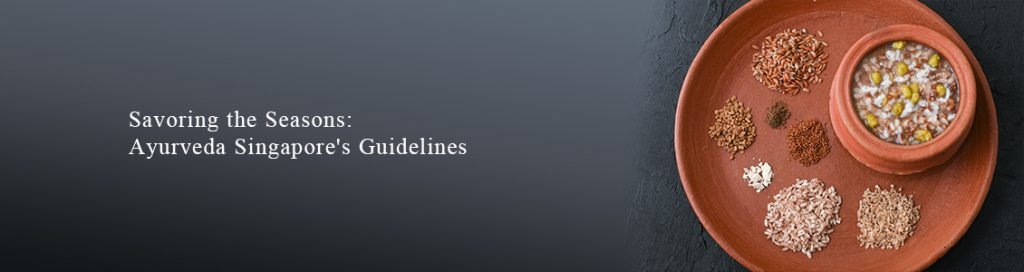
April 8, 2024 Savoring the Seasons: Ayurveda Singapore’s Guidelines Contact Us +65 6398 0415 admin@ayurvedasg.com Recent Articles Ayurveda Singapore offers insights into how to harmonize food choices with individual doshas and specific physical requirements, considering the seasons and promoting optimal health and balance Ayurveda Singapore advocates for a minimalist lifestyle, emphasizing the importance of aligning with nature’s rhythms. Our bodies operate in sync with environmental changes, the passage of time, and our biological clocks. Therefore, consuming food should be a natural and enjoyable process, not a complex mathematical exercise, says Ayurvedic Singapore consultants. According to Ayurveda Singapore, eating within a specific time frame, aligned with the sun’s movements, is beneficial. During the early hours, when the sun rises, and its rays are less aggressive, our digestive fire (Agni) is also subdued. Hence, a light breakfast, such as warm cooked apples or porridge, is recommended to provide nourishment without burdening the digestive system. Completing essential morning tasks, including breakfast, before 10 am is advised. This aids in maintaining balanced doshas, setting a stable foundation for the rest of the day. Following a healthy routine and mindful eating habits are crucial for sustaining a wholesome lifestyle following Ayurvedic principles. Warm FoodAyurveda Singapore strongly advocates for the consumption of warm food to enhance digestion. While warm food may not directly appease the digestive fire (Agni), it aids in digestion by minimizing the energy required by the body. Cold food can strain the body as it must work harder to digest it. Additionally, warm food has a calming effect on Vata and Kapha doshas. Nutritionally Balanced DietMaintaining a balanced diet is essential for neutralizing doshas and preventing imbalances in the body. Ayurvedic Singapore stresses the importance of consuming a variety of macro and micronutrients to support overall health. Presence of Fat in DietContrary to popular belief, Ayurveda Singapore consultants say that Ayurveda promotes the inclusion of healthy fats in the diet. Fats aid in absorbing vitamins A, D, E, and K and increase the digestive fire (Agni) for improved digestion. They say that ghee (clarified butter) and oil are considered pitta shamaka, which helps to balance the Tridoshas. Environment and Utensils for EatingAccording to Ayurveda Consultants, the environment in which we eat ic important in our overall health. Alongside this, the utensils used for cooking and consuming food also impact its effects on the body. In ancient times, copper utensils were favored for their perceived purity asnd beneficial properties. Fast-paced EatingIn the modern rush of life, many individuals consume their meals hastily. However, Ayurveda Singapore advises against this practice, as rapid eating can hinder proper digestion. The digestion process begins in the brain, where it takes time for the body to register the presence of food. Eating at a moderate pace allows for properly mixing digestive juices, facilitating efficient digestion, opine the Ayurvedic Consultants. Mindful EatingEating is not merely a physical act but also a mental one. Ayurveda Singapore emphasizes the importance of eating with concentration and tranquillity. A scattered mind, whether filled with positive or negative thoughts, can disrupt the digestive process. Eating while on the move is discouraged as it can lead to indigestion and fatigue, as the body does not receive the nourishment it requires. Personalized NutritionIndividuals’ doshas and unique constitution (Prakriti) are crucial in determining their dietary needs. Factors such as age also influence these requirements; for instance, adults have different nutritional needs than children or older individuals. Recognizing these differences is essential for tailoring nutrition plans aligning with one’s doshas and overall constitution. Seasonal dietary regimenAyurveda Singapore consultants offer guidelines on tweaking our diet to suit the seasons or rithu. WinterIn response to the colder temperatures, emphasize warming and nourishing foods like soups,stews, and hearty root vegetables like carrots, sweet potatoes, and squash, says Ayurvedic Singapore consultants. They suggest incorporating more spices like ginger, cinnamon, and cloves to enhance warmth and digestion. SpringLighten the diet with fresh greens, sprouts, and seasonal fruits like berries and citrus as the weather starts to warm up. Ayurveda Singapore suggests detoxifying foods such as bitter greens (e.g., kale, dandelion greens) and pungent spices (e.g., mustard seeds, fenugreek) to support the body’s natural cleansing process. SummerAyurveda Singapore suggests hydrating foods like cucumbers, watermelon, and leafy greens to beat the heat. Include cooling herbs and spices such as mint, cilantro, and cardamom to help balance the body’s internal temperature. Light, easily digestible meals like salads and raw fruits are ideal. MonsoonDuring the rainy season, Ayurvedic Consultants recommend prioritizing foods that are easily digested such as light soups, steamed vegetables, and warm herbal teas. They suggest incorporating immune-boosting foods like garlic, turmeric, and ginger to help protect against seasonal illnesses. They recommend avoiding heavy and fried foods, as they can tax the digestive system. Additionally, Ayurveda Singapore recommends Kerala Ayurveda massage to detoxify the body.
Mouth Ulcers and Ayurvedic Solutions for Relief
April 6, 2024 Mouth Ulcers and Ayurvedic Solutions for Relief Contact Us +65 6398 0415 admin@ayurvedasg.com Recent Articles Ayurveda Singapore recommends adopting a balanced diet, incorporating herbal remedies, practising good oral hygiene, and managing stress levels to prevent the recurrence of mouth ulcers effectively Mouth ulcers, canker sores or aphthous ulcers, are an oral condition that can cause discomfort and inconvenience. These small, painful lesions can develop on the inside of the mouth, including the lips, cheeks, gums, and tongue, says a consultant at Ayurveda Singapore. While they are usually harmless and tend to heal on their own within a week or two, their presence can disrupt daily activities such as eating, speaking, and even brushing their teeth. What Causes Mouth Ulcers? According to Ayurvedic Singapore experts, several factors can contribute to the development of mouth ulcers: Trauma: Accidental biting of the cheek or tongue, dental work, or vigorous brushing can cause tissue damage, leading to ulcer formation. Stress and Hormonal Changes: Emotional stress or hormonal fluctuations, particularly in women during menstruation, can trigger the onset of mouth ulcers. Dietary Factors: Certain foods, such as acidic fruits, spicy foods, and nuts, can irritate the delicate tissues of the mouth and increase the risk of developing ulcers. Nutritional Deficiencies:Deficiency of essential nutrients like vitamin B12, iron, and folate can weaken the immune system and can cause mouth ulcers. Medical Conditions: Underlying health conditions such as autoimmune diseases, gastrointestinal disorders, and viral infections like herpes simplex can also contribute to forming mouth ulcers. Signs and Symptoms Ayurveda Consultants mention that the symptoms of mouth ulcers can vary depending on their size, location, and severity. According to an Ayurvedic Consultant, the common signs and symptoms include: Pain or discomfort while speaking, eating, or drinking Redness and inflammation around the ulcer site Formation of a white or yellowish coating over the ulcer Swelling of nearby lymph nodes Fever or general feeling of malaise in severe cases Ayurvedic Management of Mouth Ulcers Ayurveda Singapore views mouth ulcers as a manifestation of excess heat or “pitta” in the body, which disrupts the natural balance of doshas (bio-energies). The primary goal of Ayurveda for mouth ulcers is to pacify pitta and promote healing using natural remedies and lifestyle modifications. Here are some Ayurvedic Singapore approaches to managing mouth ulcers: Dietary Modifications: Avoiding spicy, acidic, and hot foods that can aggravate pitta is crucial. Instead, focus on incorporating cooling and soothing foods such as cucumber, coconut water, and coriander into your diet. Herbal Solutions: Triphala: This is a combination of three fruits (Amalaki, Bibhitaki, and Haritaki), Triphala is renowned for its cooling and cleansing properties. According to an Ayurveda Consultant, gargling with Triphala water can help alleviate inflammation and promote ulcer healing. Licorice (Yashtimadhu): Licorice root contains anti-inflammatory compounds that can soothe irritated mucous membranes and accelerate healing. Chewing on liquorice sticks or using liquorice powder mixed with honey can relieve mouth ulcers, mentions Ayurvedic Singapore Consultant. Oral Hygiene Practices: According to Ayurveda consultants, maintaining good oral hygiene is essential for avoiding infection and speeding up the recovery of mouth ulcers. Ayurvedic Singapore consultants recommend rinsing the mouth with warm water and salt. This helps to reduce inflammation and disinfect the ulcer site. Ayurvedic Oil Pulling: Oil pulling, or “gandusha” in Ayurveda, involves swishing a tablespoon of coconut or sesame oil in your mouth for a few minutes before spitting it out. According to Ayurvedic Singapore consultants, this ancient practice helps remove toxins from the oral cavity and promotes oral health. Stress Management: Since stress can worsen pitta imbalances, incorporating stress-reducing techniques such as yoga, meditation, and deep breathing exercises can help prevent recurrent mouth ulcers. Conclusion Mouth ulcers can be uncomfortable and disruptive, but with proper care and Ayurvedic management, you can alleviate symptoms and promote healing. Ayurveda Singapore recommends adopting a balanced diet, incorporating herbal remedies, practising good oral hygiene, and managing stress levels to effectively manage and prevent the recurrence of mouth ulcers. However, if mouth ulcers persist or worsen despite these measures, it's essential to consult an Ayurvedic Consultant for further evaluation and treatment. It is important to have a holistic approach to addresses the root cause of mouth ulcers for long-term relief and oral health.
Managing Menstrual Migraines with Ayurveda

April 3, 2024 Managing Menstrual Migraines with Ayurveda Contact Us +65 6398 0415 admin@ayurvedasg.com Recent Articles Menstrual migraines can be extremely debilitating, but Ayurveda Singapore has a natural and holistic approach to managing symptoms and preventing future attacks Menstrual migraines, often referred to as hormonal migraines, are a debilitating condition affecting countless women worldwide. According to Ayurveda Singapore experts, these migraines typically occur in association with a woman’s menstrual cycle, typically before,during, or after menstruation. Menstrual migraines give intense throbbing pain, sensitivity to light and sound, nausea, and sometimes vomiting. Hence, menstrual migraines can significantly disrupt daily life and productivity, says an Ayurveda Consultant. According to Ayurvedic Consultants, research has shown that hormonal fluctuations, mainly changes in estrogen levels, play a significant role in triggering menstrual migraines. “They are most commonly experienced by women in their reproductive years, with many experiencing their first menstrual migraine in their late teens or early twenties. However, they can occur at any age during the reproductive years and may continue into menopause for some women,” says an Ayurvedic Singapore consultant. While conventional treatments such as pain relievers, triptans, and hormonal therapies are commonly used to manage menstrual migraines, many individuals seek alternative approaches to alleviate symptoms and reduce reliance on medication. Ayurveda Consultants say that Ayurveda offers a holistic approach to managing menstrual migraines by addressing the underlying imbalances in the body. Ayurveda Singapore views menstrual migraines as a result of aggravated doshas, or energy forces, particularly Pitta and Vata. Ayurvedic Singapore experts mention that Pitta dosha, associated with fire and water elements, governs hormonal balance, while Vata dosha, associated with air and ether elements, influences the nervous system and circulation. Imbalances of the doshas can lead to heightened sensitivity to hormonal fluctuations and trigger migraines. To manage menstrual migraines effectively, Ayurveda Singapore focuses on restoring balance to the doshas through lifestyle modifications, dietary changes, herbs, and stress reduction techniques. Here are some Ayurvedic Singapore strategies for managing menstrual migraines: Balancing Pitta Dosha: Ayurvedic herbs such as Brahmi, Shatavari, and Ashwagandha help regulate hormonal balance and calm Pitta dosha. Incorporating cooling foods such as cucumber,coconut water, and leafy greens in your food can also help pacify Pitta and reduce migraine intensity. Calming Vata Dosha: To soothe Vata dosha and alleviate nervous system imbalances, Ayurvedic Consultants may recommend practices such as daily Ayurveda massage with warm sesame oil, gentle yoga, and meditation. These practices promote relaxation, improve circulation, and reduce stress, which are essential for preventing migraines. Dietary Modifications: Ayurveda Consultants say that avoiding triggers such as caffeine, alcohol, spicy foods, and processed foods can help prevent migraine attacks. Instead, focus on nourishing, easy-to-digest meals cooked with warming spices such as ginger, turmeric, and cumin. Adequate hydration with warm herbal teas and room-temperature water is also crucial for balancing the doshas and preventing dehydration, a common trigger for migraines. Herbal Remedies: Ayurvedic herbs such as Triphala, Guduchi, and Yashtimadhu have been traditionally used to alleviate migraine symptoms and support overall health. These herbs possess anti-inflammatory, analgesic, and calming properties to help reduce pain and inflammation that occurs with menstrual migraines. Stress Reduction: Chronic stress can exacerbate hormonal imbalances and trigger migraines. Practicing stress-reducing exercises such as deep breathing, aromatherapy, and spending time in nature can help calm the mind, balance the doshas, and reduce the frequency and intensity of menstrual migraines. Ayurvedic Practices: Panchakarma, an Ayurvedic detoxification and rejuvenation therapy, can benefit individuals suffering from chronic menstrual migraines. You can opt for the Kerala massage near you or Panchakarma such as Shirodhara (warm oil poured over the forehead) and Nasya (nasal administration of herbal oils) to help balance the doshas, improve circulation, andpromote relaxation, thereby reducing migraine frequency and severity.Ayurvedic Singapore consultants mention that it’s important to note that Ayurvedic management of menstrual migraines may vary depending on the individual constitution (Prakriti) and underlying imbalances. Seeing a qualified Ayurvedic Consultant can help tailor a personalized regime that addresses your specific needs and promotes long-term relief from menstrual migraines. In conclusion, menstrual migraines can be extremely debilitating, but Ayurveda Singapore offers a natural and holistic approach to managing symptoms and preventing future attacks. By addressing imbalances in the doshas through lifestyle modifications, dietary changes, herbal remedies, and stress reduction techniques, individuals can experience significant relief from menstrual migraines and improve their life quality without relying solely on medication.Embracing Ayurvedic Singapore’s wisdom and incorporating its principles into your daily life can empower you to manage your health and well-being, allowing you to live your life to the fullest, migraine-free.
Ayurvedic Solutions for Ama Vata or Arthritis

April 2, 2024 Ayurvedic Solutions for Ama Vata or Arthritis Contact Us +65 6398 0415 admin@ayurvedasg.com Recent Articles Ayurveda Singapore offers a holistic approach to managing arthritis, addressing the root causes, rebalancing the doshas, and promoting overall well-being Ayurveda Singapore says that arthritis is one of the leading causes of disability globally. According to the World Health Organization (WHO), it is estimated that over 350 million people suffer from arthritis worldwide, with numbers expected to rise due to ageing populations and lifestyle changes. According to Ayurvedic Singapore experts, arthritis, known as “Ama Vata”, is a chronic condition characterized by joint inflammation and stiffness. Ama refers to toxins or undigested metabolic waste, while Vata represents the dosha associated with air and ether elements responsible for movement and lubrication in the body. Ayurveda Singapore considers arthritis a manifestation of aggravated Vata dosha combined with the accumulation of Ama in the joints, causing pain, swelling, and decreased mobility. Ayurvedic Consultants say that understanding the underlying causes and imbalances in the body is essential for effectively managing arthritis. Ayurvedic Consultants opine that Ama Vata is classified as a Vata dosha disorder and is commonly synonymous with “Sandhivata” another term for arthritis. According to Ayurveda Consultants, several factors contribute to the development of Amavata, or arthritis associated with toxins: Weak Digestive Fire (Agni): Impaired digestion and weak agni lead to incomplete food digestion, producing Ama. Ama then accumulates in the joints, causing inflammation and pain. Poor Diet and Lifestyle: Consuming improper food combinations, heavy or indigestible foods, and excessive cold or raw foods, along with irregular eating habits, can all generate Ama. Sedentary lifestyle, lack of exercise, and disrupted sleep patterns also contribute to Amavata. Suppression of Natural Urges: Ayurveda highlights that suppressing urges like urination, defecation, and sneezing can lead to toxin buildup, aggravating Vata dosha and causing Amavata. Accumulation of Emotional Toxins: Mental and emotional stress, anxiety, and unresolved emotions can create toxins in the body. These disturbances disrupt normal bodily functions and weaken the system, contributing to Amavata. Genetic Predisposition: While not solely determinative, genetic factors can predispose individuals to certain types of arthritis, making them more susceptible to Amavata. Ayurveda For ArthritisAyurvedic management for Amavata by Ayurveda Singapore focuses on removing toxins, balancing Vata dosha, reducing inflammation, and alleviating pain. Here are key strategies: Enhancing Digestive Fire: Improving digestion is vital. This involves avoiding heavy, oily foods and favoring light meals. Digestive herbs such as ginger, cumin, and fennel can aid digestion.detoxification: Panchakarma or Ayurveda Massage, such as Vamana, Virechana, and Basti, helps eliminate toxins from the body. Herbal Formulations: Preparations containing anti-inflammatory and detoxifying herbs like Guggulu, Shallaki, Nirgundi, and Giloy are often used to reduce inflammation and pain. Lifestyle Modifications: It is crucial to maintain a routine that supports balanced Vata dosha. This includes regular meals, adequate rest, stress management, and gentle exercises like yoga and walking. External Therapies: Ayurvedic oils and applications such as massages with herbal oils like Mahanarayan oil or herbal poultices help relieve pain and inflammation. Ayurveda Singapore targets the root causes and aims to rebalance the doshas. Here’s an overview of the approach: Diet and Lifestyle Modifications:Ayurvedic Singapore advises a balanced diet and healthy lifestyle. Avoiding Vata-aggravating foods like cold and dry items is recommended. Warm, cooked foods and spices like ginger, turmeric, and cumin are beneficial. Regular exercise, yoga, and meditation help maintain joint flexibility and well-being. Ayurvedic Oils: Kerala Massages, such as Abhyanga (oil massage), Pinda Sweda (bolus fomentation), and Janu Basti (medicated oil treatment for knees), reduce pain, improve circulation, and nourish joints. Panchakarma: Detoxification procedures like Vamana (therapeutic vomiting), Virechana (purgation), Basti (enema), and Nasya (nasal administration of medicated oils) eliminate toxins from the body, aiding in arthritis management. In conclusion, Ayurveda Singapore offers a holistic approach to managing arthritis, addressing the root causes, rebalancing the doshas, and promoting overall well-being. Through the use of Ayurvedic herbs, dietary and lifestyle modifications, external therapies, and Panchakarma procedures, individuals can experience significant relief from inflammation, pain, and joints tiffness. By adopting these natural and personalized approaches, Ayurvedic Singapore empowers individuals to take control of their health, enhance joint mobility, and improve their quality of life. Embracing the principles of Ayurveda Singapore not only alleviates arthritis symptoms but also fosters harmony between mind, body, and spirit, leading to long-term wellness and vitality.
CCF Tea for Digestive Health, Detoxification, and Weight Management
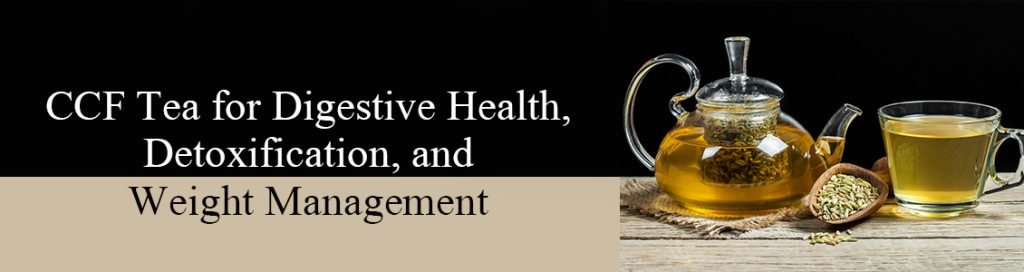
March 22, 2024 CCF Tea for Digestive Health, Detoxification, and Weight Management Contact Us +65 6398 0415 admin@ayurvedasg.com Recent Articles As per Ayurveda Singapore experts, the key to vitality is nurturing a robust digestive fire and maintaining healthy Agni Tea drinking in Ayurveda is not merely a beverage choice but a mindful practice that encourages connection with nature’s bounty and appreciation for the present moment. Whether enjoyed as a morning ritual, a midday respite, or an evening unwind, the health benefits of tea can be relished throughout the day and throughout the seasons, say consultants at Ayurveda Singapore. Unveiling the Power of CCF Tea CCF Tea is an Ayurvedic formulation blending cumin, coriander, and fennel seeds, and it holds transformative potential for the digestive system. According to Ayurvedic Singapore experts, this simple yet potent concoction promotes optimal mineral absorption and activates the lymphatic system, aiding in the breakdown of food and eliminating toxins. The Triumvirate of Digestive Health Cumin, coriander, and fennel—abbreviated as CCF—are culinary staples renowned for enhancing flavour and potent allies in promoting digestive wellness, say Ayurvedic Singapore experts. When combined with CCF Tea, these seeds offer many benefits, including improved digestion, enhanced nutrient absorption, and gentle detoxification. Turmeric boasts a plethora of therapeutic properties. Its bitter and spicy taste profile aligns with its ability to aid digestion, act as an astringent, and support blood health. Furthermore, it’s hailed for its anti-diabetic qualities and skin enhancing effects. Rich in curcumin, its active compound, turmeric exhibits antibacterial, anti-allergic, and antioxidant properties, making it a versatile remedy for various ailments, including acne, burns, and autoimmune disorders. Ongoing research also explores its potential anti-cancer benefits. Coriander, known as dhania, offers a spectrum of therapeutic benefits beyond its delightful aroma. Its sweet and bitter taste balances all three doshas—vata, pitta, and kapha. Whether as fresh greens or dried seeds, coriander is an antipyretic, anti-flatulent, and digestive aid. It’s widely utilized to alleviate various ailments, including indigestion, diarrhoea, headaches, and fever. Additionally, coriander controls excessive menstrual discharge and hypersexual excitability, as well as plays a role in managing chronic colitis, as per Ayurvedic Singapore experts. Fennel, also known as mishreya or saunf, has a sweet, strong, and bitter taste profile and a cooling effect on the body. Rich in protein, lipids, minerals, fibre, and carbs, it is a digestive aid, invigorating tonic, and balancer of vata and kapha energies. Its carminative, digestive, and aromatic properties make it an essential ingredient in many culinary preparations and medicinal concoctions aimed at alleviating digestive discomfort and promoting overall well-being. These kitchen staples—turmeric, coriander, and fennel—encompass a treasure trove of health-enhancing properties deeply rooted in Ayurvedic tradition, offering holistic support for digestion,skin health, and overall vitality. A Gentle Nourishment for Body and Soul The golden-hued infusion of CCF Tea delights the senses with its nutty aroma and nurtures the body from within. According to Ayurveda Singapore, with its subtle stimulation of agni (digestive fire), CCF Tea aids in the gentle digestion of food while supporting the body’s natural detoxification processes. Beyond CleansingWhile CCF Tea is often lauded for its role in Ayurvedic cleansing rituals, its benefits extend far beyond detoxification. By fostering healthy digestion and eliminating toxins, CCF Tea becomes a cornerstone of overall well-being—from maintaining proper weight and promoting mental clarity to ensuring optimal nutrient absorption and supporting urinary health. A Catalyst for Optimal HealthAs per Ayurveda Singapore experts, the key to vitality is nurturing a robust digestive fire and maintaining healthy Agni. CCF Tea emerges as a potent ally on this journey, offering multifaceted support for physiological balance and vitality. How to Make CCF TeaIngredients:1/2 teaspoon cumin seeds1/2 teaspoon fennel seedsA pinch of coriander powderWater StepsBring water to a boil in a stainless-steel saucepan.Add cumin, fennel, and coriander powder to the boiling water.Let the tea steep for 5 to 10 minutes, depending on the desired strength.Strain the seeds and pour the tea into an insulated thermos.Enjoy throughout the day. Experts at Ayurvedic Singapore explain the benefits of CCF tea are as follows: Alleviates bloating and flatulence. Calms stomach cramps and aches Boosts appetite and reduces nausea Supports balanced digestion without causing discomfort. It helps break down toxins in the GI tract and aids in gentle detoxification. Contributes to overall health by promoting mental clarity, nutrient absorption, proper digestion, weight management, and toxin elimination. According to Ayurveda Singapore consultants, whether used to support digestive health or as part of a cleansing regimen, CCF Tea helps nourish the body and foster well-being.
Ayurvedic Insights on Skin Fissures of Hands and Feet

March 22, 2024 Ayurvedic Insights on Skin Fissures of Hands and Feet Contact Us +65 6398 0415 admin@ayurvedasg.com Recent Articles According to Ayurveda Singapore consultants, the primary cause of skin fissures in Ayurveda is an excess of Vata dosha Skin fissures, those pesky cracks that often appear on the hands and feet, can be both uncomfortable and unsightly. While modern medicine offers various treatments, Ayurveda Singapore provides unique insights into the causes and management of skin fissures. In this comprehensive guide, Ayurvedic Singapore experts delve into the details of the underlying factors contributing to skin fissures and explore natural ways and lifestyle practices to promote healing and prevent recurrence. Skin Fissures from an Ayurvedic Perspective According to Ayurveda Singapore experts, skin health is closely linked to the balance of the body’s doshas – Vata, Pitta, and Kapha –. Skin fissures, known as “kshudra vrana” in Ayurveda, are often attributed to an imbalance of Vata dosha, which governs movement and dryness. When Vata dosha becomes aggravated, it can lead to dry, rough, and cracked skin, particularly on the hands and feet, which are more prone to dehydration and exposure to environmental factors. Causes of Skin Fissures in AyurvedaVata Imbalance: According to Ayurveda Singapore consultants, the primary cause of skin fissures in Ayurveda is an excess of Vata dosha. Factors such as cold, dry weather, excessive physical activity, inadequate hydration, and irregular lifestyle habits can aggravate Vata and disrupt the natural moisture balance of the skin, leading to fissures, opine Ayurveda Singapore experts. Poor Diet: Ayurvedic Singapore experts emphasize the importance of diet in maintaining overall health, including skin health. Consuming dry, cold, and rough foods and spicy and processed foods can further aggravate Vata dosha and contribute to skin dryness and fissures. Lack of Proper Hydration: According to Ayurveda Singapore consultants, hydration plays a crucial role in maintaining skin health. Insufficient water intake, coupled with excessive consumption of caffeinated and alcoholic beverages, can cause dehydration of the body and exacerbate Vata imbalances, leading to skin fissures. Environmental Factors: Exposure to rigorous environmental conditions, like cold, windy weather or excessive sun exposure, can damage the skin by removing its natural oils and moisture, making it more susceptible to fissures. Ayurvedic Management of Skin Fissures Abhyanga (Oil Massage): Consultants at Ayurvedic Singapore recommend regular self-massage with warm, nourishing oils as part of skincare. Choose oils such as sesame, coconut, or almond oil, which are profoundly moisturizing and help pacify Vata dosha. Massage the hands and feet gently in circular motions to improve circulation and nourish the skin. Hydrating Foods: Focus on incorporating hydrating foods, such as juicy fruits, leafy greens, and cooked vegetables. Select warm, nourishing soups and stews seasoned with digestive spices like ginger, cumin, and turmeric to support digestion and enhance nutrient absorption. Stay Hydrated: Drink plenty of warm water daily to maintain hydration and support healthy skin function. Avoid limitless intake of caffeinated and sugary beverages, which can dehydrate the body and exacerbate Vata imbalances. Protect from Environmental Factors: Shield your hands and feet from harsh environmental conditions by wearing gloves and socks in cold weather and applying a natural sunscreen before venturing out in the sun. Moisturize the skin regularly with natural creams or balms to lock in moisture and prevent dryness. Practice Stress Management:According to Ayurveda Singapore experts, stress is a significant aggravator of Vata dosha. Include stress-reducing practices such as yoga, meditation, deep breathing exercises, and adequate rest to promote relaxation and balance Vata dosha. Ayurvedic Herbs: Certain Ayurvedic herbs and formulations can be beneficial for supporting skin health and healing fissures. Triphala powder, a combination of three fruits, is used widely for its detoxification and rejuvenation properties and can be taken internally or used topically as a paste with water. Additionally, applying a paste of neem leaves or aloe vera gel to the affected parts can help soothe inflammation and promote healing. Incorporating Ayurvedic Singapore’s principles into your skincare routine can offer holistic support for managing skin fissures of the hands and feet. By addressing the root causes of Vata imbalance through nourishing self-care practices, hydrating foods, and stress management techniques, you can promote healing, restore skin health, and prevent recurrence naturally. You can turn to Ayurveda to cultivate radiant, resilient skin and experience holistic well being from the inside out.
Ayurvedic management of childhood obesity

March 22, 2024 Ayurvedic management of childhood obesity Contact Us +65 6398 0415 admin@ayurvedasg.com Recent Articles According to consultants at Ayurveda Singapore, childhood obesity isn’t just a number on a scale; it’s a t health challenge that affects every aspect of a child’s life. When a child’s weight tips the scales significantly higher than what’s healthy for their age and height, it’s like ringing the alarm bells for potential health troubles down the road. From physical health woes like Type 2 diabetes, hypertension, and joint problems to emotional hurdles like low self-esteem, childhood obesity packs a punch that can knock the wind out of a child’s sails. “Genetics, diet, environment, and behaviour all play a role in this heavyweight battle” say experts at Ayurvedic Singapore. However, Ayurvedic consultants at Ayurveda Singapore are adept in managing the health issue. By limiting screen time, serving nutritious meals, and getting kids moving with outdoor activities, they say one can turn the tide against childhood obesity. With effective management and a concerted effort, they help children dodge the health risks associated with carrying excess weight, ensuring they thrive and flourish for years to come. Assist experts at Ayurvedic Singapore. Childhood obesity isn’t just a one-size-fits-all issue; it’s a complex puzzle with multiple pieces contributing to the picture. Ayurvedic Singapore consultants say that the BMI calculator is the go-to tool in the kit to identify childhood obesity. It’s like a scale for health, measuring how your child’s weight stacks up against their height. If their BMI hits the 95th percentile or above for their age and gender, it’s a red flag waving high for obesity. Childhood obesity might not come with its disease label, but it has a role in overall health and some consequences. It is like a gateway to a host of other medical issues, including diabetes, heart troubles, joint pains, and breathing difficulties. Consultants at Ayurvedic Singapore explain the factors that often play a role in childhood obesity. Family history and genetics: Like pieces inherited from previous generations, genetics can predispose children to weight struggles, making them more susceptible to obesity. Sedentary lifestyles: Too much time spent glued to screens or lounging around without enough physical activity is like a puzzle that fits perfectly into the obesity picture. Socio-economic factors: For families facing financial constraints, access to healthy foods might be like a missing puzzle piece, making it harder to maintain a balanced diet and leading to weight issues. Medical conditions and hormones: These can be like hidden puzzle pieces, lurking beneath the surface and contributing to weight gain in ways that aren’t immediately obvious. Overeating and unhealthy diets: Picture this as the piece that doesn’t quite fit yet somehow manages to slot into place perfectly, fueling the obesity epidemic with high-calorie foods and excessive portions. Psychological factors: Psychological factors such as insecurity and low self-esteem can silently influence eating habits and contribute to childhood obesity. Sipping on sugar-laden beverages has become a global favorite among millions of kids, but it’s also serving up a hefty dose of trouble. These sweet drinks are like a one-way ticket to the obesity express, increasing the risk of packing on extra pounds and cavities and setting the stage for serious diseases like type 2 diabetes and heart issues down the road, opine Ayurveda consultants at Ayurvedic Singapore. By recognizing and addressing each issue, Ayurveda Singapore experts developed a multifaceted approach to tackling childhood obesity. Shamana method: Fasting (Langhan): Giving the digestive system a break can help kick-start weight loss. Oral digestives (Ama Pachan): Certain herbs aid in fat metabolism, assisting the body in processing food more efficiently. Low-calorie diets: Fueling on filling, nutrient-rich foods like salads helps keep calorie intake in check.Ruksha Udwartan (Dry medicated powder massages): These massages stimulate circulation and metabolism, aiding in fat lossPhysical and mental activities: Engaging in physical exercises and activities stimulating the mind is crucial for overall well-being. Purificatory Stage:Ayurvedic Singapore experts explain the methods used in the purification stage to manage childhood obesity. Panchakarma therapy: This includes procedures like therapeutic emesis, purgation therapy, and medicated enemas to detoxify the body and kick-start weight loss. Warm water with honey and lime: Starting the day with this concoction is believed to improve digestion and kick-start metabolism. Herbal remedies: Single herbal preprations like Sunthi, Musta, and Guduchi and compounds like Guggulu are known for their metabolism-boosting and fat burning properties. Compound formulations: Blends like Triphala churna, Vidangadi churna, and others are formulated to aid in weight loss. Deep tissue herbal oil massages: These massages improve circulation, metabolism, and promote fat loss. Physical activities and yoga: Incorporating regular physical activities and yoga sessions helps burn calories and enhances overall health and well-being. Ayurveda Singapore experts mention that incorporating these Ayurvedic practices can address childhood obesity from multiple angles, promoting healthy weight loss and overall wellness.
Healing Anal Fissures with Ayurveda

March 22, 2024 Healing Anal Fissures with Ayurveda Contact Us +65 6398 0415 admin@ayurvedasg.com Recent Articles While conventional treatments focus on symptom management, Ayurveda Singapore offers a holistic approach to address the root cause and provide long-term relief It is not uncommon for people to complain of severe pain during bowel movements, which last for several hours afterwards. According to consultants at Ayurveda Singapore, anal fissures are small tears in the lining of the anus, the opening at the end of the rectum where stool leaves the body. They are often caused by passing hard stool during constipation or diarrhoea. Other symptoms may include bright red bleeding on stool and a small skin tag near the anus. If you think you have an anal fissure, it’s essential to see an Ayurvedic consultant to rule out other causes of anal pain and bleeding, such as haemorrhoids. Anal fissures can be an uncomfortable and distressing condition, causing pain, discomfort, and even bleeding. While conventional treatments focus on symptom management, Ayurveda Singapore offers a holistic approach to address the root cause and provide long-term relief. In Ayurveda, anal fissures are viewed as an imbalance in the body’s doshas and can be effectively managed through dietary changes, lifestyle modifications, herbal remedies, and holistic therapies. Understanding Anal Fissures in Ayurveda According to Ayurvedic Singapore, anal fissures are primarily caused by an imbalance in the Pitta dosha, which governs digestion and metabolism. Excessive heat and acidity in the digestive tract can lead to inflammation and weakening of the anal tissues, making them prone to fissures. Additionally, factors such as constipation, poor dietary habits, and excessive straining during bowel movements can exacerbate the condition. Dietary Recommendations One of the fundamental principles of Ayurveda is that food is medicine. According to experts at Ayurveda Singapore, making dietary adjustments can play a significant role in managing anal fissures. Foods that are cooling and soothing to the digestive tract are recommended to pacify the aggravated Pitta dosha. This includes incorporating plenty of fibre-rich foods such as fruits, vegetables, whole grains, and legumes to promote healthy digestion and regular bowel movements. Additionally, consuming foods with natural lubricating properties, such as ghee (clarified butter), can help alleviate dryness and inflammation in the anal region. Lifestyle Modifications Ayurveda Singapore experts emphasize the importance of maintaining a balanced lifestyle to support overall health and well-being. In the case of anal fissures, certain lifestyle habits can aggravate symptoms and delay healing. Avoiding spicy, oily, and processed foods that can increase heat and acidity in the body is recommended. Staying hydrated by drinking plenty of water throughout the day is essential to soften stools and ease bowel movements. Regular exercise, such as yoga or walking, can help improve digestion and reduce stress, which often contributes to digestive issues. Role of Herbs Ayurvedic herbs have been used for centuries to treat various ailments, including anal fissures. Triphala, a traditional Ayurvedic formulation consisting of three fruits, is renowned for its gentle laxative and bowel-regulating properties. Taking Triphala powder or tablets can help promote regular bowel movements and relieve constipation, thereby reducing strain on the anal tissues. Additionally, herbs such as aloe vera, slippery elm, and liquorice have soothing and anti-inflammatory effects on the digestive tract, making them beneficial for alleviating symptoms of anal fissures. In addition to dietary and herbal interventions, Ayurvedic Singapore offers various holistic therapies to support healing from anal fissures. Abhyanga, or self-massage with warm herbal oils, can help improve circulation, reduce inflammation, and promote tissue repair in the anal region. Sitz baths, where the lower body is immersed in warm water infused with healing herbs like neem or chamomile, can provide immediate relief from pain and discomfort associated with anal fissures. Practising pranayama (breathing exercises) and meditation can also help alleviate stress and promote relaxation, which is essential for optimal digestion and healing. Consultation with an Ayurvedic Practitioner While Ayurvedic formulations can be highly effective in managing anal fissures, it’s essential to seek guidance from a qualified Ayurvedic practitioner for personalized recommendations. A practitioner will comprehensively assess your unique constitution (prakriti) and imbalances (vikriti) to tailor a treatment plan that addresses your specific needs. They may also recommend specific Ayurvedic therapies, such as Panchakarma (detoxification) or Basti (enema therapy), to further support healing and restore balance to the body. In conclusion, Ayurveda Singapore offers a holistic approach to managing anal fissures by addressing the underlying imbalances in the body’s doshas. By making dietary adjustments, adopting healthy lifestyle habits, incorporating herbal remedies, and exploring holistic therapies, individuals can experience significant relief from symptoms and support long-term healing. With dedication and patience, anal fissures can be managed effectively, allowing individuals to regain comfort and improve their overall quality of life.
How Doshas Influence Back Pain
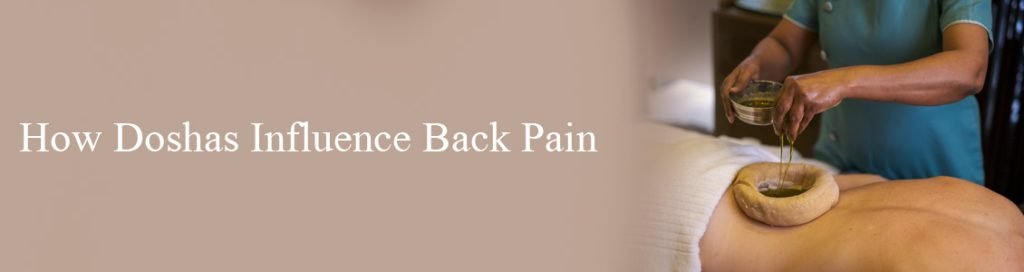
March 19, 2024 How Doshas Influence Back Pain Contact Us +65 6398 0415 admin@ayurvedasg.com Recent Articles Ayurveda Singapore views the human body as a microcosm of the universe, governed by the five elements: ether, air, fire, water, and earth Back pain impacts millions of populations worldwide, impacting their quality of life and productivity. According to Ayurvedic Singapore, back pain is caused by the imbalance of the three doshas: Vata, Pitta, and Kapha. Understanding how these doshas operate can provide valuable insights into effectively managing and preventing back pain. Ayurveda Singapore views the human body as a microcosm of the universe, governed by the five elements: ether, air, fire, water, and earth. The three doshas—Vata, Pitta, and Kapha—combine these elements and are responsible for various physiological and psychological functions. Each individual possesses a unique combination of these doshas, their Prakriti, which determines their physical and mental characteristics. Ayurvedic Singapore experts say that Vata dosha primarily comprises air and ether elements and governs movement, including nerve impulses, circulation, and breathing. When Vata is in balance, it promotes creativity, flexibility, and vitality. However, excess Vata can lead to dryness, coldness, and instability, manifesting as symptoms like stiffness, cracking joints, and pain. In the context of back pain, an aggravated Vata dosha can cause muscle tension, nerve compression, and reduced lubrication of the joints, leading to discomfort and stiffness in the back. According to Ayurveda Singapore, Pitta dosha, comprising fire and water elements, governs metabolism, digestion, and transformation in the body. When Pitta is balanced, it promotes intelligence, courage, and ambition. However, excess Pitta can lead to inflammation, acidity, and overheating. In terms of back pain, an aggravated Pitta dosha may contribute to conditions such as inflammation of the muscles and joints and disc herniation due to increased pressure on the spinal discs. Ayurvedic Singapore says that Kapha dosha, composed of water and earth elements, governs the body’s structure, stability, and lubrication. When Kapha is balanced, it promotes strength, endurance, and emotional stability. However, an excess of Kapha can lead to heaviness, congestion, and lethargy. Concerning back pain, an aggravated Kapha dosha may manifest as excessive fluid retention in the tissues, leading to swelling, stiffness, and reduced mobility in the back. Understanding the influence of doshas on back pain allows for a holistic approach to its management and prevention in Ayurveda. Here are some Ayurvedic Singapore recommendations for addressing back pain based on dosha imbalances: Balancing Vata Dosha Keep your back warm and well-supported, especially during cold weather. Practice gentle exercises like yoga and Tai Chi to promote flexibility and relaxation. Incorporate warming spices such as ginger, cinnamon, and turmeric into yourdiet. Establish a regular eating, sleeping, and relaxation routine to calm the nervous system. Massage the back with warm sesame or coconut oil to nourish the tissues and soothe discomfort. Balancing Pitta Dosha Avoid spicy, fried, and acidic foods that can aggravate inflammation. Practice cooling pranayama techniques like Sheetali and Sheetkari to reduce heat and acidity. Consume plenty of hydrating foods such as cucumbers, watermelon, and leafy greens. Engage in calming activities like meditation, mindfulness, and gentle walks in nature. Apply cooling herbal oils like coconut or sandalwood to the back to alleviate inflammation and discomfort. Balancing Kapha Dosha Stay physically active with regular exercise to prevent stagnation and congestion in the body. Favour light and warming foods such as soups, steamed vegetables, and spices like black pepper and mustard. Practice invigorating yoga poses such as backbends and twists to stimulate circulation and release excess Kapha. Use stimulating essential oils like eucalyptus or rosemary for massage to improve circulation and reduce swelling. Stay mentally engaged and motivated to prevent emotional stagnation and lethargy, which can exacerbate back pain. In addition to these lifestyle and dietary recommendations, Ayurveda Singapore emphasizes the importance of maintaining a balanced mind-body connection through meditation, pranayama, and self-awareness. Ayurvedic Singapore offers a comprehensive approach to managing back pain and promoting overall well-being by addressing not only the physical symptoms but also the underlying imbalances of doshas. It’s essential to remember that Ayurvedic Singapore views each individual as unique, and the approach to managing back pain may vary based on one’s Prakriti and current state of imbalance. Consulting with a qualified Ayurvedic practitioner can provide customized guidance and treatment options tailored to your specific needs. The influence of doshas on back pain underscores the interconnectedness of mind, body, and environment in Ayurveda. By understanding and addressing the underlying imbalances of Vata, Pitta, and Kapha, individuals can effectively manage and prevent back pain while promoting holistic health and vitality. Embracing Ayurvedic Singapore principles can empower individuals to take charge of their well-being and live a life free from the limitations of back pain.