
Ayurvedic Approaches to Skin Wellness
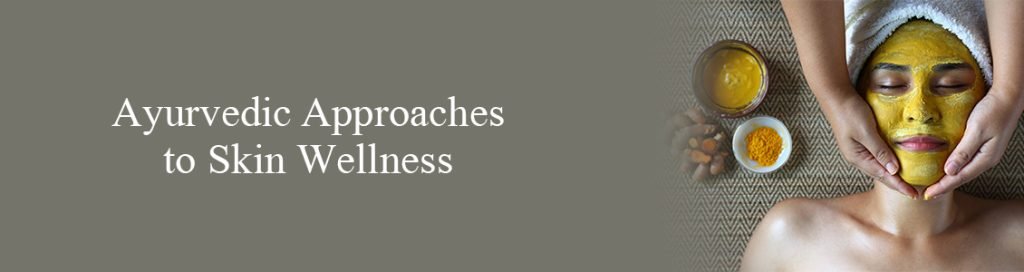
March 11, 2024 Ayurvedic Approaches to Skin Wellness Contact Us +65 6398 0415 admin@ayurvedasg.com Recent Articles Ayurvedic Singapore experts say that detoxification therapies for skin conditions benefit patients and individuals without any ailments Skin issues can impact individuals of all ages, from newborns to older people, causing various forms of harm. According to Ayurvedic Singapore consultants, these include disfigurement,disability, and discomfort. The skin, being the outermost organ, also extends its influence deeply into the body’s underlying layers. According to Ayurveda Singapore, skin disorders arise due to imbalances in the doshas and dhatus within the body. Two primary factors contributing to dosha imbalances are incorrect diet and lifestyle choices. Consuming incompatible foods (known as viruddhara) or living in a manner contrary to the season or an individua’s nature (Prakriti) can generate toxins in the body. These toxins accumulate in tissues, including the skin, leading to the eruption of skin diseases. While imbalances in all three doshas can contribute to skin disorders, Pitta is often considered the primary dosha involved. Ayurvedic Singapore experts opine that all therapies aimed at addressing skin disorders stress their deep-penetrating and detoxifying qualities. Ayurvedic approaches prioritize addressing root causes, which may result in longer durations as the focus is on restoring overall health. Primary strategies for skin issues typically involve cleansing therapies such as Vamana (Emesis therapy), Virechana (Purgation therapy), and Rakhtamoksham. Additionally, oral medications (shaman aushadhis) are utilized for both preventive and curative purposes. Ayurvedic Singapore experts say that detoxification therapies for skin conditions benefit patients and individuals without any ailments. Panchakarma aids in maintaining overall health, prolonging lifespan, managing weight, enhancing complexion, and revitalizing the mind, body, and spirit. Understanding Doshas:According to Ayurvedic Singapore consultants, each dosha plays a distinct role in skin health, and an imbalance in any of them can contribute to specific skin issues: Vata Dosha: Governs movement and controls dryness, roughness, and cracking. Imbalance can lead to dry skin conditions like eczema and psoriasis. Ayurvedic methods focus on nourishing and moisturizing therapies such as Abhyanga (oil massage) and herbal steam therapy (Swedana). Pitta Dosha Governs metabolism and heat in the body. An imbalance can result in inflammatory skin conditions like acne and rosacea. Ayurveda aims to alleviate excess heat and inflammation with cooling therapies like applying herbal pastes and using gentle skincare products. Kapha Dosha: Governs stability and lubrication. Imbalance can cause oily skin and acne.Ayurveda aims to reduce oiliness and congestion with herbal exfoliation and detoxifying herbs. Eczema:Ayurveda Singapore consultants opine that eczema, known in Ayurveda as Vicharchika, manifests as swelling, reddening, itching, and skin dryness. The trigger may be internal or external reaons such as irritants, allergens, bacteria, temperature, stress, and dietary habits. Ayurvedic Management for EczemaAyurvedic Singapore experts note that eczema is triggered by vitiation of the pitta dosha. Ayurvedic methods restore pitta dosha balance, stabilize the digestive system, and eliminate toxins. This includes detoxification and cleansing therapies like Udhwarthanam (massage with dry herbal powders) and Lepam (face packs with herbs). Oral medication may also be prescribed as needed. Ayurvedic approaches to managing skin ailments entail personalized strategies: Herbal Power: Herbs like neem, turmeric, and manjistha are chosen based on the individual’s doshic imbalance and skin condition for their cleansing and anti-inflammatory properties. Dietary Adjustments: To restore balance, a balanced diet is customized according to one’s predominant dosha. For instance, Pitta individuals may benefit from cooling foods, Kapha types may require lighter options, and Vata types may need nourishing foods. Lifestyle Modifications: Stress management, adequate sleep, and a regular routine are vital for skin health. Meditation, yoga, and pranayama help reduce stress and enhance overall well-being. External Therapies: Topical applications such as oil massage, herbal exfoliation, and steam baths enhance circulation, detoxification, and skin vitality. According to Ayurveda Singapore, addressing skin diseases involves rebalancing the doshas. By recognizing the distinct roles of each dosha and tailoring approaches accordingly, Ayurvedic Singapore practitioners aim to target the root cause of skin issues and promote sustained healing. Consulting a qualified Ayurvedic practitioner ensures personalized guidance and effective methods for achieving radiant and healthy skin.
Ayurvedic Insights into Vipadika Kushta
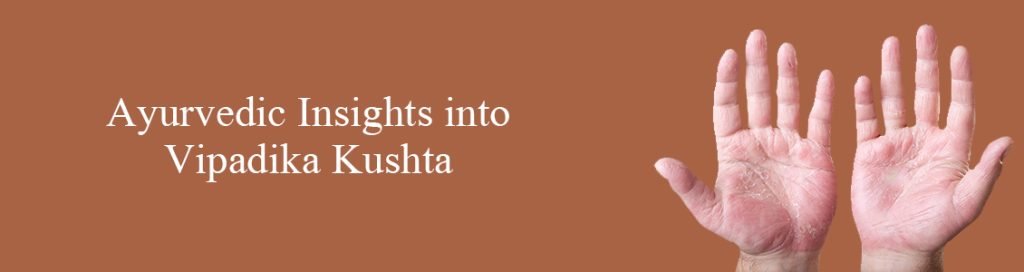
March 8, 2024 Ayurvedic Insights into Vipadika Kushta Contact Us +65 6398 0415 admin@ayurvedasg.com Recent Articles Ayurveda Singapore experts say that Vipadika Kushta arises due to the vitiation of one or more doshas, particularly Vata, Pitta, and Kapha, leading to imbalances in the skin’s health and function According to Ayurveda Singapore, the skin is considered a mirror reflecting the body’s internal state. Skin disorders, such as Vipadika Kushta, are manifestations of underlying imbalances in the body’s doshas (bio energies), dhatus (tissues), and malas (waste products). Understanding Vipadika Kushta through the lens of Ayurvedic Singapore provides profound insights into its causes, symptoms, and holistic management strategies. Understanding Vipadika KushtaVipadika Kushta is a term used in Ayurveda to describe various skin disorders characterized by symptoms like itching, inflammation, discoloration, and lesions. Ayurveda Singapore experts say that Vipadika Kushta arises due to the vitiation of one or more doshas, particularly Vata, Pitta,and Kapha, leading to imbalances in the skin’s health and function. Ayurvedic Perspective on Skin HealthIn Ayurveda, the skin is the outermost manifestation of the body’s internal health and vitality. It is governed by the sub dosha of Vata, known as Vyana Vata, which regulates circulation, moisture balance, and sensation in the skin. When the doshas become imbalanced due to dietary indiscretions, lifestyle factors, environmental toxins, or emotional stress, it can manifest as skin disorders like Vipadika Kushta, say Ayurvedic Singapore experts. Causes of Vipadika Kushta According to AyurvedaAyurveda Singapore attributes the development of Vipadika Kushta to a combination of internal and external factors. Some common causes include: Dietary Factors: Consumption of incompatible foods (Viruddha Ahara), excessive intake of spicy, oily, or processed foods, and irregular eating habits can disturb the digestive fire (Agni) and contribute to the accumulation of toxins (Ama), leading to skin disorders. Lifestyle Habits: A sedentary lifestyle, lack of exercise, inadequate sleep, and exposure to environmental pollutants can disrupt the body’s natural balance, aggravating Vata, Pitta, or Kapha doshas and manifesting as skin ailments. Emotional Stress: Emotional disturbances like anxiety, fear, and anger can affect the neuroendocrine system, leading to hormonal imbalances and skin reactions. Ayurveda emphasizes the interconnectedness of mind and body in maintaining skin health. Seasonal Influences: Changes in weather and seasonal transitions can influence the doshic balance within the body, predisposing individuals to skin disorders. For example, Vata aggravation during the dry, cold seasons can exacerbate symptoms of itching and dryness, while Pitta aggravation in hot weather may lead to inflammation and rashes. Symptoms of Vipadika KushtaVipadika Kushta encompasses various skin conditions, each presenting unique symptoms. As per Ayurveda Singapore experts, some common signs of Vipadika Kushta include: Itching (Kandu) Redness and inflammation (Pitta) Dryness and scaling (Vata) Discoloration or pigmentation abnormalities Formation of papules, vesicles, or pustules Sensitivity to touch or temperature changes Discharge or oozing from lesions Ayurvedic Management of Vipadika KushtaAyurveda Singapore offers a holistic approach to managing Vipadika Kushta by addressing the root causes and restoring doshic balance. Some key strategies include: Dietary Recommendations: A skin-friendly diet that pacifies aggravated doshas and promotes digestion is essential for managing Vipadika Kushta. Emphasize cooling, hydrating, and easy-to-digest foods, such as fresh fruits, vegetables, whole grains, and herbal teas. Avoiding spicy, oily, and processed foods can help reduce inflammation and toxin accumulation. Lifestyle Modifications: Adopting lifestyle habits that support skin health, such as regular exercise, adequate hydration, stress management techniques like yoga and meditation, and proper hygiene, can complement dietary interventions and promote overall well-being. Ayurvedic Herbs and Formulations: Ayurvedic Singapore uses various herbs and formulations to alleviate symptoms of Vipadika Kushta and promote skin healing. Some commonly recommended herbs include Neem (Azadirachta indica), Turmeric (Curcuma longa), Aloe Vera, and Manjistha (Rubia cordifolia). External applications like herbal pastes, oils, and medicated baths can provide soothing relief to inflamed skin. Detoxification Therapies: Panchakarma, the Ayurvedic detoxification and rejuvenation therapy, may be recommended for individuals with chronic or severe cases of Vipadika Kushta. Panchakarma, like Vamana (therapeutic vomiting), Virechana (purgation), and Basti (medicated enema), help eliminate toxins from the body, purify the blood, and restore doshic balance, thereby promoting skin healing from within. Individualized Care: Since Ayurveda Singapore recognizes the uniqueness of each individual’s constitution (Prakriti) and imbalances, personalized treatment plans tailored to one’s specific doshic profile and presenting symptoms are essential for optimal results. Consulting with a qualified Ayurvedic practitioner can provide expert guidance and support in managing Vipadika Kushta effectively. Vipadika Kushta, as understood in Ayurvedic Singapore, reflects the intricate interplay of doshas,dhatus, and malas within the body, manifesting as various skin disorders. By addressing the root causes of Vipadika Kushta through Ayurveda Singapore’s principles of diet, lifestyle, herbal therapies, and detoxification, individuals can restore doshic balance, promote skin health, and experience long-lasting relief from skin ailments. Embracing this ancient wisdom offers profound insights into nurturing our skin and fostering holistic well-being naturally.
Ayurvedic Spa Techniques for Optimal Wellness
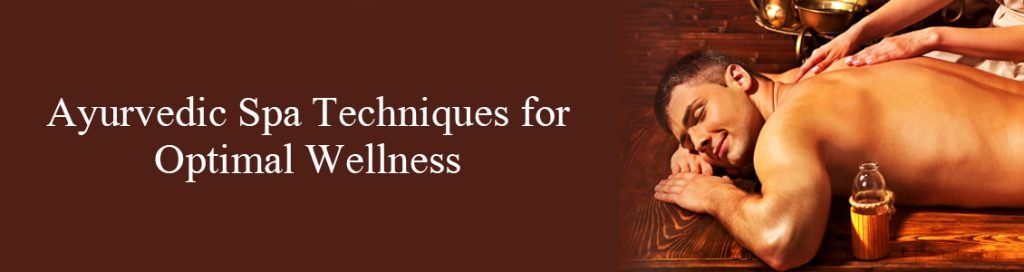
March 4, 2024 Ayurvedic Spa Techniques for Optimal Wellness Contact Us +65 6398 0415 admin@ayurvedasg.com Recent Articles According to Ayurvedic Singapore, Ayurvedic spas prioritize herbal oils, powders, and natural products aligned with Ayurvedic principles. These selections, tailored to doshas, are believed to possess therapeutic properties, enhancing the overall experience In modern times, spas have evolved into multifaceted sanctuaries offering various services to rejuvenate the mind, body, and spirit. According to Ayurveda Singapore, spas are no longer merely places of relaxation; they incorporate multiple methods and wellness practices to address several health concerns. From stress reduction to pain management, spas provide a haven for individuals seeking solace from the demands of contemporary life. Many spas offer specialized treatments tailored to specific needs, including detoxification, weight loss, and holistic therapies to balance energy flow. Ayurvedic Singapore experts say that spas have become integral to maintaining overall well-being with a growing emphasis on self-care and holistic health. They serve as retreats where individuals can disconnect from the drudgery of daily life and reconnect with themselves in a serene environment conducive to relaxation and renewal. According to Ayurveda Singapore, the primary difference between an Ayurvedic spa and a conventional one is their respective approaches and offerings. Here are some notable differences:Philosophy and Approach Ayurvedic Spa: Rooted in ancient Indian holistic healing, Ayurveda aims to harmonize the mind, body, and spirit. Ayurvedic spas integrate these principles into their treatments, focusing on balancing energies and enhancing overall wellness through personalized approaches, says Ayurvedic Singapore experts.Conventional Spa: Conventional spas primarily emphasize relaxation, stress reduction, and indulgence. While they may offer therapeutic treatments, their approach usually lacks the depth of a specific holistic healing system like Ayurveda.Ayurveda Singapore experts say that distinguishing Ayurvedic spas from conventional ones lies in their treatment techniques, product selections, and personalized approaches: Techniques Ayurvedic Spa: Experts at Ayurvedic Singapore say that drawing from ancient Ayurvedic practices, Ayurvedic spas employ specialized techniques such as dosha-specific massages, herbal therapies, and unique process like Shirodhara and Panchakarma. These methods target individual doshas, aiming to restore equilibrium and vitality. Normal Spa: Conventional spas offer a range of facilities, such as Swedish or deep tissue massages, aromatherapy, facials, and body scrubs. However, Ayurveda Singapore emphasizes that while effective for relaxation and rejuvenation, these services typically lack adherence to specific holistic principles. Herbal and Natural Products Ayurvedic Spa: According to Ayurvedic Singapore, Ayurvedic spas prioritize herbal oils, powders, and natural products aligned with Ayurvedic principles. These selections, tailored to doshas, are believed to possess therapeutic properties, enhancing the overall experience.Regular Spa: Normal spas utilize various beauty and skincare products, ranging from natural to commercial options, with less emphasis on Ayurvedic principles.Personalized Approach Ayurvedic Spa: Ayurvedic Singapore experts say that Ayurvedic spas conduct assessments to determine an individual’s dosha or body type, allowing for personalized approaches and recommendations tailored to specific needs and imbalances.Regular Spa: While some customization may occur based on client preferences, conventional spas generally offer standardized treatments without the same level of personalized assessment found in Ayurvedic spas. According to Ayurveda Singapore, Ayurvedic spa offer many benefits for overall well-being and harmony. Here are some of the potential advantages: Stress Relief: Tailored techniques in Ayurvedic massages and therapies induce deep relaxation, easing stress and anxiety and fostering a serene state of mind, say Ayurvedic Singapore experts. Detoxification: Through therapies like Panchakarma, Ayurvedic spas facilitate the elimination of toxins from the body, aiding purification and restoration of the body’s natural equilibrium. Improved Circulation: Ayurvedic Singapore experts say that Ayurvedic massage methods stimulate blood flow and lymphatic drainage, enhancing nutrient delivery to tissues, supporting tissue repair, and assisting in waste removal. Enhanced Skin Health: Herbal facials, body scrubs, and oil massages utilized in Ayurvedic spas nourish the skin, improving texture and imparting a radiant complexion through natural means. Balance of Energies: Ayurvedic methods target balancing the three doshas Vata, Pitta, and Kapha—fostering optimal health, vitality, and emotional equilibrium, explain experts at Ayurveda Singapore. Better Sleep Quality: According to consultants at Ayurveda Singapore, relaxing techniques like Shirodhara and herbal remedies promote deep relaxation, aiding in insomnia relief and fostering restorative sleep patterns. Pain Relief: Consultants at Ayurvedic Singapore say that Ayurvedic therapies such as Abhyanga and Pizhichil alleviate muscular tension, joint discomfort, and conditions like arthritis and back pain. Increased Energy and Vitality: Ayurvedic massages rejuvenate energy levels by harmonizing body and mind, fostering stamina, mental clarity, and vitality. Ayurvedic massages are enriched with specific oils tailored to individual needs and doshas.
What Your Tongue Reveals According to Ayurveda

February 22, 2024 What Your Tongue Reveals According to Ayurveda Contact Us +65 6398 0415 admin@ayurvedasg.com Recent Articles According to Ayurvedic Singapore experts, the texture of the tongue can also reveal important clues about your health Have you ever considered that your tongue might be trying to tell you something about your health? According to Ayurvedic Singapore experts, the tongue is considered a powerful diagnostic tool, offering insights into the state of your overall well-being. This holistic approach to health emphasizes the interconnectedness of the body, mind, and spirit, with the tongue serving as a mirror reflecting the internal balance or imbalance within the body. Ayurveda Singapore recognizes the tongue as a map of the body, with different areas corresponding to different organs and systems. By examining the color,texture, coating, and any markings or abnormalities on the tongue, Ayurvedic Singapore practitioners can assess imbalances and identify potential health issues long before they manifest as symptoms. So, what exactly does your tongue say about your health from an Ayurvedic perspective? Color: According to Ayurveda Singapore, the color of the tongue can indicate valuable insights into the balance of the doshas – Vata, Pitta, and Kapha – which are the fundamental energies that govern all biological functions in the body. A pale or whitish tongue may indicate an excess of Kapha, suggesting poor digestion or the accumulation of toxins. A reddish tongue may point to an aggravated Pitta, indicating inflammation or excessive heat in the body. A bluish or purplish tint could signal Vata imbalance, suggesting poor circulation or nervous system disorders. Texture: According to Ayurvedic Singapore experts, the texture of the tongue can also reveal important clues about your health. A dry or rough tongue may indicate dehydration or excess Vata, while a moist or excessively smooth tongue could be a sign of Kapha imbalance, suggesting poor metabolism or sluggish digestion. A swollen or puffy tongue may indicate fluid retention or excess Pitta, while a thin or atrophied tongue could be a sign of Vata imbalance,suggesting weakness or depletion in the body. Coating: The coating on the tongue is another key indicator of health according to Ayurveda Singapore. A thick, white coating may suggest an accumulation of toxins or undigested food in the digestive tract, while a yellowish coating could indicate excess Pitta or liver dysfunction. A thin, transparent coating may suggest a healthy balance of the doshas, while a thick, black coating could signal severe toxicity or digestive issues requiring immediate attention. Markings: Ayurveda Singapore also pays attention to any markings or abnormalities on the tongue, which can provide further insights into your health. A cracked or fissured tongue may suggest dehydration or excess Vata, while a coated or discolored tongue could be a sign of poor digestion or imbalanced doshas. Other markings, such as bumps, ulcers, or swelling, may indicate specific health issues related to particular organs or systems in the body. Besides examining the physical characteristics of the tongue, Ayurveda Singapore also considers other factors such as taste preferences, breath odor, and overall energy levels when assessing an individual’s health. By taking a comprehensive approach to diagnosis and treatment, Ayurvedic Singapore practitioners aim to address the root causes of imbalances rather than just treating the symptoms. So, what can you do to maintain optimal tongue health according to Ayurvedic Singapore? Eat a balanced diet: Ayurveda Singapore highlights the significance of eating fresh, whole foods that are suitable for your body type and current state of health. Avoiding processed foods, excessive sugar, and artificial additives can help you with healthy digestion and maintain a clear, healthy tongue. Stay hydrated: Proper hydration is vital for keeping a healthy balance of the doshas and supporting optimal digestion and elimination. Drinking plenty of water throughout the day is one way to keep your tongue moist and prevent dehydration-related imbalances. Practice good oral hygiene: Ayurveda Singapore recommends daily practices such as tongue scraping, oil pulling, and gentle brushing to remove toxins and bacteria from the mouth and promote oral health. These simple practices can help keep your tongue clean and free of coating, ensuring better health. Manage stress: Stress is a common reason for imbalances in the doshas, which can manifest as various health issues including digestive problems and oral health issues. Following stress-reducing techniques such as yoga, meditation, and deep breathing can help promote relaxation and balance in the body, leading to a healthier tongue and overall well-being. In conclusion, your tongue can offer valuable insights into your health from an Ayurvedic perspective. By paying attention to its color, texture, coating, and any markings or abnormalities, you can gain a better understanding of your body’ internal balance and take steps to support optimal health and well being. By including Ayurvedic Singapore’s principles into your daily routine, you can nourish your body, mind, and spirit and unlock the secrets to vibrant health and vitality.
Ayurvedic Singapore’s insights into fibre, fluid imbalance, and constipation
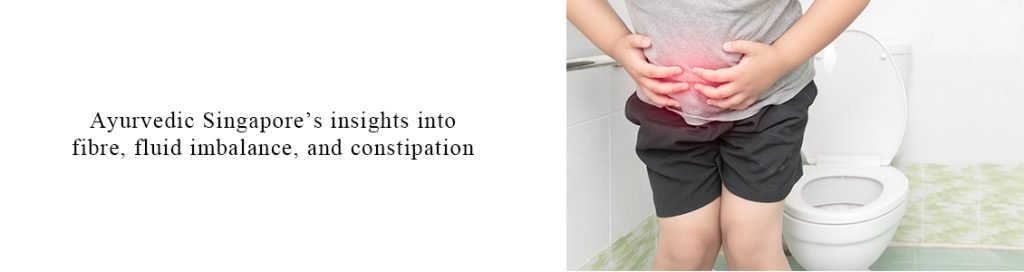
February 22, 2024 Ayurvedic Singapore’s insights into fibre, fluid imbalance, and constipation Contact Us +65 6398 0415 admin@ayurvedasg.com Recent Articles According to Ayurvedic Singapore, dietary modifications play a central role in relieving constipation In holistic health and wellness, Ayurveda Singapore stands as a light of ancient wisdom, offering profound insights into the interconnectedness of body, mind, and spirit. Central to Ayurvedic Singapore philosophy is the notion that balance is vital to optimal health, especially concerning digestive health. In this article, Ayurveda Singapore delves into Ayurvedic perspectives on fibre, fluid imbalance, and constipation, exploring how these elements intertwine to influence overall well-being. According to Ayurveda Singapore, Fibre, often called "roughage" or “bulk,” plays a pivotal role in maintaining digestive health. In Ayurvedic terms, fibre is classified as “Raksha” (dry) and ‘laugh’ (light), qualities that are essential for stimulating digestive fire, known as ‘agni.’ Incorporating fibre-rich foods into your diet helps to promote proper digestion and elimination,preventing the accumulation of toxins, or ‘ama,’ in the body. Ayurvedic Singapore emphasizes consuming naturally fibre-rich foods such as whole grains,legumes, fruits, vegetables, and seeds. These foods not only provide essential nutrients but also support the formation of healthy stool.However, it’s essential to consider individual constitution, or ‘Prakriti,’ when choosing dietary fibre sources. For instance, those with a predominance of the Vata dosha may benefit from cooked grains and steamed vegetables. At the same time, individuals with Pitta or Kapha constitutions may find favour in raw fruits and leafy greens. In addition to dietary fibre, adequate hydration is paramount for maintaining digestive balance. According to Ayurveda Singapore, water is regarded as the universal solvent, playing a vital role in lubricating the digestive tract and facilitating the smooth passage of stool. However, the quality of water matters just as much as the quantity. Ideally, one should consume room temperature or warm water to stoke the digestive fire without dampening it. Infusions of herbs such as cumin, coriander, and fennel can further enhance digestive function and alleviate constipation. Fluid imbalance, characterized by inadequate hydration or excessive fluid loss, can disrupt the delicate equilibrium of the digestive system. In Ayurveda, this imbalance is often attributed to aggravated Pitta or Vata doshas, which can lead to symptoms such as dryness, excessive thirst, and hard stools. To counteract fluid imbalance and promote hydration, Ayurveda Singapore recommends consuming hydrating foods and beverages such as juicy fruits, herbal teas, and freshly prepared soups. Furthermore, Ayurvedic therapies such as ‘Abhyanga’ (oil massage) and ‘Shirodhara’ (oil pouring on the forehead) can help to pacify aggravated doshas and restore fluid balance throughout the body. Regular self massage with nourishing oils like sesame or coconut oil can nourish the tissues and promote optimal hydration from within. Constipation, a common digestive complaint in today’s fast-paced world, is often viewed through the lens of Ayurveda Singapore as a manifestation of impaired digestive function and systemic imbalance. According to Ayurvedic principles, constipation arises when Vata dosha accumulates in the colon, leading to dryness, hardness, and sluggish bowel movements. Addressing constipation requires a comprehensive approach that addresses both dietary and lifestyle factors. According to Ayurvedic Singapore, dietary modifications play a central role in relieving constipation. Emphasizing warm, cooked foods that are easy to digest can help to pacify aggravated Vata and promote regular bowel movements. Incorporating fibre-rich foods such as ripe fruits, cooked vegetables, whole grains, and soaked nuts and seeds can provide bulk to the stool and facilitate smoother elimination. In addition to dietary changes, consultants at Ayurveda Singapore advocate for mindful eating practices that encourage proper chewing, digestion, and assimilation of nutrients. Eating in a calm, relaxed environment and savouring each bite mindfully can enhance digestive function and alleviate constipation. Beyond dietary considerations, Ayurvedic Singapore emphasizes the importance of lifestyle practices that support optimal digestion and elimination. Establishing a regular daily routine, or ‘dinacharya’ that includes adequate rest, exercise, and stress management can help to harmonize bodily functions and prevent constipation. Practices such as ‘Nasya’ (nasal administration of herbal oils) and ‘Basti’ (colon cleansing) may also be recommended by Ayurvedic practitioners to alleviate chronic constipation and restore balance to the digestive system. Ayurveda Singapore offers profound insights into the intricate dynamics of fibre, fluid imbalance, and constipation from a holistic perspective. By honouring the principles of balance, hydration, and mindful living, we can cultivate digestive harmony and promote overall well-being in the body, mind, and spirit.
Understanding Aruchi, Arochaka, and Anannabhinandana: Ayurvedic Perspectives and Management
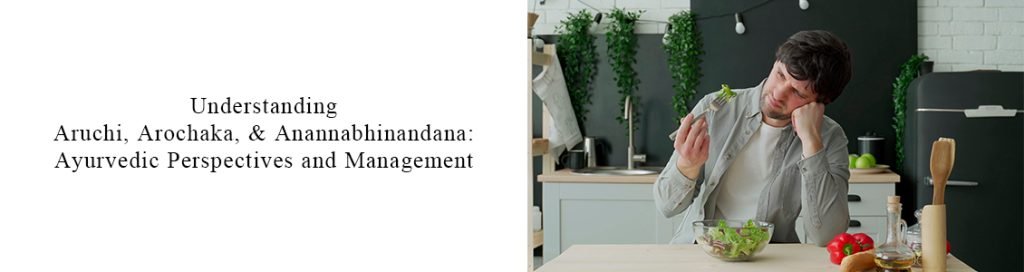
February 18, 2024 Understanding Aruchi, Arochaka, and Anannabhinandana: Ayurvedic Perspectives and Management Contact Us +65 6398 0415 admin@ayurvedasg.com Recent Articles According to Ayurvedic Singapore, Aruchi can arise due to an imbalance in the doshas—Vata, Pitta, and Kapha—along with disturbances in Agni, the digestive fire Ayurveda stands out as a profound system that not only addresses physical ailments but also understands the intricacies of mental and emotional well being. According to Ayurvedic Singapore, among the many concepts it encompasses, the understanding of appetite and its disorders holds a significant place. Aruchi, Arochaka, and Anannabhinandana are three such terms that elucidate the nuances of appetite disturbances in Ayurveda, offering insights into their causes and management strategies. 1. Aruchi: The loss of taste Ayurvedic Singapore expert says that Aruchi, often translated as “anorexia” in contemporary medical terms, extends beyond mere loss of appetite to encompass a broader spectrum of taste disturbances. In Ayurveda, taste is not just a sensory experience but a vital aspect of digestion and overall health. Aruchi manifests itself as a disinterest or aversion towards food, resulting in reduced intake and subsequent malnutrition. According to Ayurvedic Singapore, Aruchi can arise due to an imbalance in the doshas—Vata, Pitta, and Kapha—along with disturbances in Agni, the digestive fire. Excessive consumption of processed foods, irregular eating habits, emotional stress, and chronic illnesses are common factors contributing to this condition. Management of Aruchi: According to Ayurveda Singapore, the management of Aruchi involves restoring the balance of doshas and rejuvenating Agni. This often includes dietary modifications tailored to pacify the aggravated doshas, incorporating warm, easily digestible foods and herbal formulations known for their digestive properties. Herbs such as ginger, cumin, fennel, and mint are commonly prescribed to stimulate Agni and enhance appetite. Additionally, lifestyle practices such as mindful eating, stress management techniques, and regular exercise play a pivotal role in restoring a healthy appetite. 2. Arochaka: Altered taste perception Arochaka refers to a distortion or alteration in taste perception wherein individuals experience a diminished ability to recognize flavors accurately. According to Ayurvedic Singapore, this condition can manifest as a metallic taste, blandness, or an unpleasant taste sensation, even in the presence of flavorful foods. Ayurveda Singapore attributes Arochaka to a vitiation of Rasavaha Srotas, the channels responsible for taste perception, stemming from imbalances in the doshas and accumulation of Ama, undigested toxins. Chronic illnesses, dental problems, medication side effects, and psychological factors can also contribute to Arochaka. Management of Arochaka: As per experts from Ayurvedic Singapore, addressing Arochaka involves cleansing therapies to eliminate Ama from the body, along with dietary and lifestyle modifications aimed at pacifying the aggravated doshas. Incorporating bitter, pungent, and astringent tastes can help restore balance to the Rasavaha Srotas and improve taste perception. Ayurvedic formulations containing herbs like Triphala, Neem, and Guduchi are beneficial in detoxification and rejuvenation. Oil pulling, a traditional Ayurvedic practice of swishing oil in the mouth, is also recommended for oral hygiene and improving taste sensation. 3. Anannabhinandana: Persistent hunger despite eating Anannabhinandana, characterized by insatiable hunger and dissatisfaction despite adequate food intake, presents a unique challenge in Ayurvedic management. This condition reflects a disturbance in the body’s ability to assimilate nutrients effectively, leading to constant cravings and dissatisfaction, opines expert at Ayurveda Singapore. Ayurveda Singapore attributes Anannabhinandana to an imbalance in the Samana Vayu, the subtype of Vata responsible for digestion and assimilation. Weak Agni, improper food combinations, excessive intake of processed foods, and emotional factors such as anxiety and depression can exacerbate this imbalance. Management of Anannabhinandana: The management of Anannabhinandana focuses on strengthening Agni and restoring balance to the digestive system. Practitioners at Ayurvedic Singapore may recommend a nourishing diet comprising whole, unprocessed foods and herbal formulations aimed at improving digestion and nutrient absorption. Digestive spices such as cardamom, cinnamon, and black pepper are often incorporated into meals to enhance Agni. Lifestyle practices such as regular mealtimes, adequate hydration, and stress reduction techniques are also emphasized to promote optimal digestion and satiety. Aruchi, Arochaka, and Anannabhinandana offer valuable insights into the complexities of appetite disturbances from an Ayurvedic Singapore perspective. By addressing imbalances in the doshas, optimizing Agni, and adopting holistic lifestyle practices, individuals can effectively manage these conditions and restore harmony to their digestive health. Ayurveda Singapore adopts an integrative approach that offers a holistic framework for comprehending and managing appetite disorders. This approach underscores the interconnectedness of the mind, body, and spirit in fostering overall well-being, providing a comprehensive understanding and solution for such conditions.
Harnessing the power of amla for women’s health
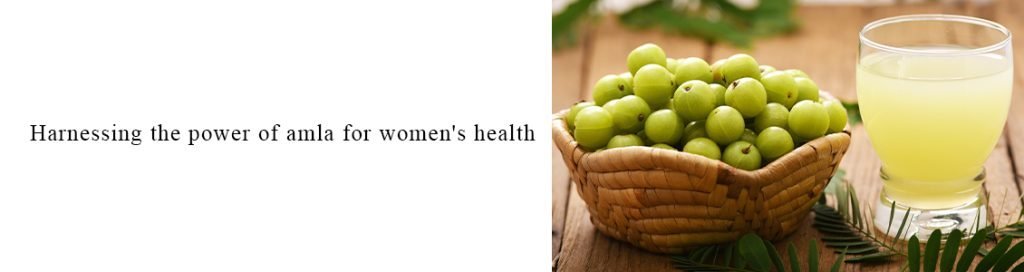
February 12, 2024 Harnessing the power of amla for women’s health Contact Us +65 6398 0415 admin@ayurvedasg.com Recent Articles With the International Women’s Day around the corner, here is a look at how Amla can play a significant role in enhancing women’s overall well-being According to Ayurvedic Singapore, in the area of natural remedies and holistic wellness, few ingredients have garnered as much attention and acclaim as Amla, also known as Amalaki. This small, sour fruit, native to India and neighboring regions, has been revered for centuries in Ayurvedic medicine for its myriad health benefits, particularly for women. From promoting radiant skin to bolstering immune function and supporting reproductive health, Amla is a powerhouse of nutrients that has a significant role to play in enhancing women’s overall well-being. At the heart of Amla’s health-promoting properties lies its remarkable nutritional profile. Rich in vitamin C, antioxidants, and essential minerals like calcium and iron, this fruit offers a potent blend of nutrients that are vital for maintaining optimal health. For women, in particular, the benefits of Amla extend across various aspects of their physiological and emotional wellness, says Ayurveda Singapore. One of the most celebrated benefits of Amla for women is its ability to support healthy skin and hair. Vitamin C, a key component of Amla, is renowned for its role in collagen synthesis, the protein responsible for managing skin elasticity and firmness, according to an expert with Ayurvedic Singapore. Regular consumption of Amla can help combat signs of ageing, such as wrinkles and fine lines, while also promoting a clear, radiant complexion. Additionally, Amla’s antioxidant properties help protect the skin from environmental damage and oxidative stress,contributing to a youthful and glowing appearance. Beyond its cosmetic benefits, Amla plays a crucial role in supporting women’s reproductive health. Ayurveda Singapore experts say that in Ayurveda, Amla is revered as a rasayana, or rejuvenating herb, with the ability to balance the female reproductive system. Its nourishing properties help regulate menstrual cycles, alleviate menstrual cramps, and promote hormonal balance. For women with menopausal symptoms like hot flashes and mood swings, incorporating Amla into their diet may offer relief and support overall well-being during this transitional phase of life. Furthermore, Amla’s high content of iron makes it particularly beneficial for women who are prone to iron deficiency anaemia, a common condition characterized by fatigue, weakness, and dizziness, says consultants at Ayurvedic Singapore. By increasing iron absorption and improving blood circulation, Amla helps combat these symptoms, boosting energy levels and vitality. Its calcium content also contributes to maintaining bone health, reducing the risk of osteoporosis, which is especially important for women as they age. Amla’s immune-boosting properties are another aspect that makes it invaluable for women’s health, says Ayurveda Singapore experts. As primary caregivers and often juggling multiple roles, women can benefit greatly from a robust immune system that helps ward off infections and illnesses. The vitamin C and antioxidants present in Amla strengthen the body’s natural defences, enhancing resistance to various pathogens and reducing the risk of common ailments such as colds and flu. In addition to its physical benefits, Amla also exerts a positive influence on women’s emotional well-being. In Ayurveda, it is believed that Amla possesses sattvic qualities, promoting mental clarity, emotional stability, and a sense of inner peace. As women navigate the complexities of modern life, incorporating Amla into their daily routine can help alleviate stress, anxiety, and mood imbalances, fostering a greater sense of harmony and equilibrium. There are numerous ways to incorporate Amla into one’s diet to reap its benefits. Fresh Amla fruits can be consumed raw, juiced, or included in salads and smoothies. Amla powder, derived from dried fruits, can be added to yoghurt and oatmeal or used as a seasoning in cooking. Additionally, Amla supplements are available in various forms, including capsules and tablets, for those seeking a convenient way to incorporate this superfood into their daily regimen. According to Ayurvedic Singapore, it’s essential to note that while Amla offers a multitude of health benefits, it is not a magical cure-all. For best results, incorporating this supplement into a comprehensive wellness regimen is key, which should encompass a well-rounded diet, consistent exercise, sufficient sleep, and effective stress management techniques. Before making any major dietary changes, particularly if you have any health concerns or are pregnant nursing, you should seek guidance from a healthcare provider. In conclusion, Amla, or Amalaki, helps to achieve holistic health and wellness, offering women a natural and effective way to enhance their physical, emotional, and reproductive well-being. From promoting radiant skin and healthy hair to supporting immune function and hormonal balance, the benefits of Amla are as diverse as they are profound. According to Ayurveda Singapore, by incorporating this superfood into their daily routine, women can harness the power of nature to nurture their health and vitality from the inside out.
Ayurvedic ways to get relief from sciatica

February 8, 2024 Ayurvedic ways to get relief from sciatica Contact Us +65 6398 0415 admin@ayurvedasg.com Recent Articles According to Ayurvedic Singapore expert Ashwagandha, known as Indian ginseng, helps alleviate pain and discomfort associated with sciatica while calming the nervous system Sciatica, a common condition characterized by pain radiating along the sciatic nerve, can significantly impede one’s quality of life. According to Ayurvedic Singapore, whether caused by a herniated disc, spinal stenosis, or other factors, managing sciatica often requires a multifaceted approach. While modern medicine offers various treatments, Ayurveda Singapore provides time-tested remedies to alleviate sciatic pain holistically. Here are some Ayurvedic ways to find relief from sciatica and promote overall well-being. Understanding sciatica from an Ayurvedic perspectiveIn Ayurveda, sciatica is often attributed to a disparity in the Vata dosha, which governs movement and communication within the body. According to Ayurvedic Singapore, aggravation of Vata can lead to nerve compression and inflammation, manifesting as sciatic pain. Therefore, Ayurvedic management focuses on pacifying Vata and restoring harmony to the body. Herbal power1. Ashwagandha (Withania somnifera):Ashwagandha, known as Indian ginseng, possesses potent anti-inflammatory properties. It helps reduce pain and discomfort associated with sciatica while calming the nervous system.Consuming ashwagandha regularly can relieve sciatic symptoms and promote overall well-being, says an Ayurvedic Singapore expert. 2. Guggulu (Commiphora mukul):Guggulu, a resin obtained from the mukul myrrh tree, is renowned for its anti inflammatory and analgesic properties. It effectively reduces inflammation around the sciatic nerve, relieving pain and stiffness. Incorporating guggulu into your daily routine can aid in managing sciatica symptoms, recommends an Ayurveda Singapore consultant. 3. Shallaki (Boswellia serrata):Shallaki, also known as Indian frankincense, is another potent anti inflammatory herb. An Ayurvedic Singapore expert, it inhibits the production of inflammatory compounds, thereby reducing pain and improving mobility in individuals suffering from sciatica. Shalaki supplements or extracts can complement your sciatica treatment regimen. Dietary recommendations1. Warm, nourishing foods:Ayurveda Singapore recommends consuming warm, cooked meals prepared with grounding ingredients such as grains, vegetables, and healthy fats. Avoiding cold, dry, and processed foods helps pacify Vata and promotes digestion, crucial for alleviating sciatic symptoms. 2. Ginger and turmeric:Both ginger and turmeric possess anti-inflammatory properties that can help alleviate sciatic pain—incorporating these spices into your meals or consuming them as herbal teas can relieve inflammation and discomfort associated with sciatica. 3. Triphala:Triphala, a combination of three fruits—Amalaki, bibhitaki, and haritaki—is revered in Ayurveda for its cleansing and detoxifying properties. Ayurvedic Singapore recommends regular consumption of Triphala to promote proper digestion and elimination of toxins, which can contribute to the management of sciatica. Lifestyle modifications1. Yoga and stretching:Gentle yoga poses and stretching exercises are recommended so that it helps alleviate sciatic pain by improving flexibility, strengthening muscles, and relieving lower back and legs tension.Practices such as cat-cow pose, pigeon pose, and forward bends can benefit individuals with sciatica. 2. Abhyanga (self-massage):Regular self-massage with warm Ayurvedic oils, such as sesame or coconut oil, can soothe the nervous system, reduce muscle tension, and alleviate sciatic pain. Ayurvedic Singapore recommends massaging the affected area in gentle, circular motions, which promotes relaxation and enhances blood circulation, facilitating healing. 3. Mind-body practices:Stress and anxiety can exacerbate sciatic symptoms by further aggravating Vata imbalance.Follwoing mindfulness practices like meditation, deep breathing, and aromatherapy can help calm the mind, reduce stress levels, and promote overall well-being, thus complementing sciatica treatment. Including Ayurvedic herbs into your daily routine can offer significant relief from sciatic pain while addressing the root cause of imbalance in the body. However, consulting with a qualified Ayurvedic practitioner before beginning any new treatment regimen is essential, as individual constitutions and imbalances vary. By embracing the holistic principles of Ayurveda Singapore and adopting a balanced lifestyle encompassing herbal remedies, dietary modifications, and mindful practices, you can effectively manage sciatica and journey towards optimal health and well-being.
Nirgundi in the management of uric acid
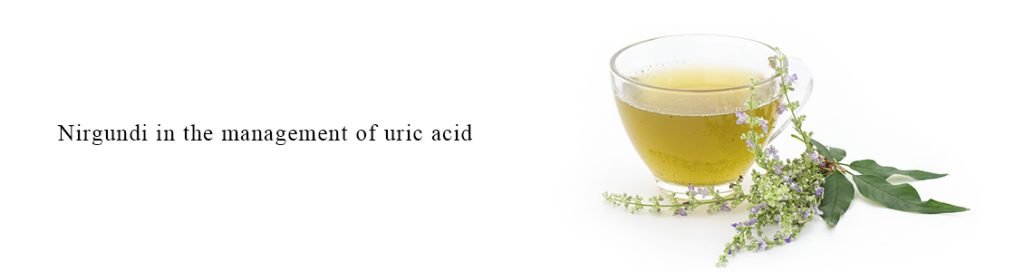
February 6, 2024 Nirgundi in the management of uric acid Contact Us +65 6398 0415 admin@ayurvedasg.com Recent Articles According to experts at Ayurveda Singapore, nirgundi emerges as a formidable ally in the battle against elevated uric acid levels and the myriad health challenges they entail In holistic health and alternative medicine, ancient solutions are experiencing a renaissance. Ayurvedic Singapore says that among these time-honored solutions, Nirgundi, also known as Vitex negundo, stands out as a potent agent in managing uric acid levels. In a world where modern ailments often demand synthetic interventions, exploring the efficacy of natural substances like Nirgundi offers a promising avenue for those seeking gentler yet effective solutions. According to an expert in Ayurveda from Singapore, uric acid is a byproduct produced by meansof the metabolism of purines, substances found in various foods and beverages. Ordinarily, the body eliminates uric acid through urine. However, when its levels accumulate beyond the body’s capacity for elimination, it crystallizes in joints, leading to the excruciating pain and inflammation characteristic of conditions like gout. Traditional treatments often involve medications such as nonsteroidal anti-inflammatory drugs (NSAIDs) or urate-lowering drugs.These pharmaceutical options may come with undesirable side effects and long-term risks.Hence, the exploration of natural alternatives like Nirgundi becomes particularly relevant, says Ayurveda Singapore experts. Nirgundi, a shrub native to Southeast Asia and the Indian subcontinent, has a rich history in Ayurvedic and traditional medicine systems. Its leaves, seeds, and roots boast a plethora of therapeutic properties, including anti-inflammatory, analgesic, and antioxidant effects. These attributes make Nirgundi an intriguing herb for alleviating the symptoms of conditions associated with high uric acid levels. According to Ayurvedic Singapore experts, one of the primary mechanisms through which Nirgundi exerts its uric acid-lowering effects is by enhancing renal function. Studies suggest that Nirgundi possesses diuretic properties, promoting urine production and thereby facilitating the elimination of excess uric acid from the body. By supporting kidney function, Nirgundi aids inpreventing the accumulation of uric acid and the subsequent formation of crystals in joints,effectively reducing the risk of gout attacks. Moreover, Nirgundi’s anti-inflammatory properties offer relief from the pain and swelling associated with gout. As per consultants specializing in Ayurveda in Singapore, the active components of Nirgundi hinder the action of inflammatory substances like prostaglandins and cytokines. This action helps to alleviate the inflammatory reactions due to the deposition of uricacid crystals in the joints. By attenuating inflammation, Nirgundi not only addresses the symptoms of gout but also helps prevent its recurrence, fostering long-term joint health.Ayurvedic Singapore consultants say Nirgundi exhibits potent analgesic effects, making it invaluable in managing the intense pain characteristic of gout attacks. Its ability to modulate painperception and transmission provides much-needed relief to individuals grappling with the debilitating discomfort of inflamed joints. Through its pain-relieving properties, Nirgundiimproves the quality of life for individuals suffering from gout, enabling them to restore mobilityand participate in daily activities more comfortably. As indicated by Ayurveda experts in Singapore, the antioxidant qualities of Nirgundi are crucialfor shielding against oxidative stress, a characteristic feature of ailments linked to high levels ofuric acid.Oxidative stress not only exacerbates inflammation but also contributes to tissuedamage and degenerative changes in the joints. Nirgundi’s antioxidants scavenge free radicals,neutralizing their harmful effects and safeguarding joint tissues from oxidative damage. Bybolstering the body’s antioxidant defenses, Nirgundi helps mitigate the deleterious consequencesof oxidative stress, promoting overall joint health and resilience. According to Ayurvedic Singapore, incorporating Nirgundi into one’s wellness regimen can be achieved through various means. Its leaves can be brewed into a therapeutic tea, offering aconvenient and palatable way to harness its medicinal benefits. Alternatively, Nirgundi extracts and supplements are available in the form of capsules or tinctures, providing standardized dosesfor consistent efficacy. When using Nirgundi therapeutically, it is advisable to consult with aqualified Ayurvedic professional to decide the dosage and compatibility with existing treatmentsor medications. While Nirgundi holds immense promise in the management of uric acid and associated conditions, it is essential to approach its utilization with prudence and respect for its potency,opine specialists at Ayurveda Singapore. Just like any natural remedy, individual responses maydiffer, and caution is needed, particularly in cases of pre-existing medical conditions or allergies.Additionally, incorporating a holistic approach to wellness, including dietary modifications,hydration, and regular exercise, synergizes with Nirgundi’s therapeutic effects, optimizing outcomes and fostering holistic well-being. According to experts at Ayurveda Singapore, nirgundi emerges as a formidable ally in the battle against elevated uric acid levels and the myriad health challenges they entail. Its diverse array ofproperties, including its diuretic, anti-inflammatory, analgesic, and antioxidant effects, render it aversatile and potent option for individuals in search of natural alternatives to contemporarytherapies. By harnessing the power of Nirgundi, individuals can embark on a journey towards greater joint health, vitality, and overall well-being, guided by the wisdom of ancient remedies inharmony with modern insights.
Exploring Sarpagandha: A Potent Herb in Ayurveda
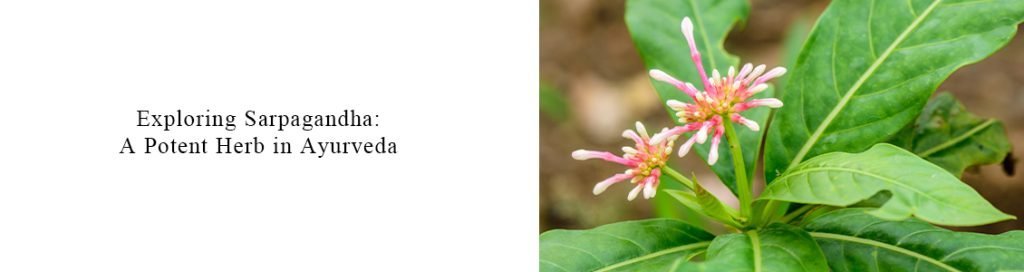
February 4, 2024 Exploring Sarpagandha: A Potent Herb in Ayurveda Contact Us +65 6398 0415 admin@ayurvedasg.com Recent Articles Specialists at Ayurvedic Singapore say that one of the most well-known uses of Sarpagandha is in the management of hypertension or high blood pressure In Ayurveda, numerous herbs hold profound significance for their therapeutic properties. Amongthese botanical treasures, Sarpagandha, scientifically known as Rauvolfia serpentina, stands outfor its wide-ranging applications and potent healing abilities, starting off experts at Ayurvedic Singapore. Derived from the Sanskrit words “Sarpa”, meaning snake, and “Gandha”, meaningsmell, Sarpagandha has a rich history steeped in traditional medicine, offering many physical andmental well-being benefits. Understanding Sarpagandha: Sarpagandha, also commonly known as Indian Snakeroot or Serpentine Wood, is a perennialshrub native to the Indian subcontinent and Southeast Asia. According to consultants at Ayurveda Singapore, its therapeutic properties have been recognized for centuries, with its usage documented in ancient Ayurvedic texts like Charaka Samhita and Sushruta Samhita.The plant contains alkaloids, the most notable being reserpine, responsible for many of its medicinal properties. Reserpine has been extensively studied for its antihypertensive, sedative,and antipsychotic effects, making Sarpagandha a valuable herb in managing various healthconditions. Health benefits of Sarpagandha in Ayurveda: Hypertension Management: Specialists at Ayurvedic Singapore say that one of the most well- known uses of Sarpagandha is in managing hypertension or high blood pressure. The alkaloids in Sarpagandha act as alpha-adrenergic blockers, helping dilate blood vessels and reduce blood pressure levels. Regular consumption of Sarpagandha under the guidance of an Ayurvedic practitioner can contribute to maintaining healthy blood pressure levels. Sedative and anxiolytic properties: Sarpagandha has been traditionally used as a natural sedative and anxiolytic agent. Its calming effects on the nervous system aid in alleviating symptoms of anxiety, stress, and insomnia, according to opine consultants at Ayurvedic Singapore. By promoting relaxation and inducing sleep, Sarpagandha aids in improving sleep quality and enhancing overall mental well-being. Antispasmodic action: According to Ayurveda Singapore, Sarpagandha is valued for its antispasmodic properties, which effectively relieve muscle spasms and cramps. This property can be beneficial in conditions such as menstrual cramps, abdominal colic, and muscle tension. Cardiac health: Sarpagandha exhibits cardio-protective effects by regulating heart function and improving circulation. It helps strengthen the heart muscles, decreases the risk of cardiovascular diseases, and promotes overall cardiac health, say Ayurvedic Singapore experts. Antidepressant and mood stabilizer: Sarpagandha’s ability to modulate neurotransmitters in the brain makes it a valuable herb in managing depression and mood disorders, says consultants at Ayurvedic Singapore. It helps balance serotonin levels, which are crucial in regulating mood and emotions. Antidiabetic effects: Some studies suggest that Sarpagandha may have hypoglycemic actions, making it beneficial for individuals with diabetes. Boosting insulin sensitivity and glucose metabolism can aid in managing blood sugar levels, says specialists at Ayurvedic Singapore.Methods of administration: According to Ayurvedic Singapore experts, Sarpagandha can be consumed in various forms depending on the desired therapeutic effect. It is commonly available as: powder: Sarpagandha powder can be taken orally with water or honey. It is often used for managing hypertension and promoting relaxation. decoction: Boiling Sarpagandha roots or powder in water to make a decoction is another method of consumption. This decoction can be taken as a tea or mixed with other herbs for specific health conditions. Capsules or tablets: Sarpagandha is also available in capsule form or tablets for convenient consumption. These standardized formulations ensure consistent dosage and efficacy. External application: In some cases, Sarpagandha oil or paste may be applied externally to relieve muscular pain and inflammation. Precautions and considerations: While Sarpagandha offers numerous health benefits, Ayurvedic Singapore consultants warn that it is essential to use it judiciously and under the guidance of a qualified Ayurvedic practitioner. Some important considerations include: dosage: The appropriate dosage of Sarpagandha varies depending on individual health status, age, and specific health conditions. It is important to follow the recommended dosage a qualified practitioner prescribes to avoid adverse effects. Pregnancy and lactation: Women should refrain from using Sarpagandha during pregnancy and lactation. It has potential effects on uterine contractions and lactation. Drug interactions: Sarpagandha may interact with certain medications, including antihypertensive drugs, antidepressants, and sedatives. It is advisable to consult a healthcare professional before incorporating Sarpagandha into your regimen, especially if you are taking other medications, opine Ayurveda Singapore specialists. Side effects: While generally considered safe when used appropriately, excessive consumption of Sarpagandha may lead to side effects like dizziness, nausea, vomiting, and hypotension. Ayurvedic Singapore emphasizes the importance of vigilance in observing for any potential adverse reactions and advises discontinuation of use if deemed necessary. Sarpagandha exemplifies the profound healing potential of Ayurvedic herbs in promoting holistic health and well-being. With its versatile therapeutic properties, this ancient herb plays a pivotal role in healthcare, offering natural solutions for various health concerns. However, it is essential to approach its usage cautiously, ensuring proper guidance and supervision to harness its benefits safely and effectively.