
Thalam Therapy for Stress Relief: Understanding the Traditional Ayurvedic Approach to Relaxation and Wellness
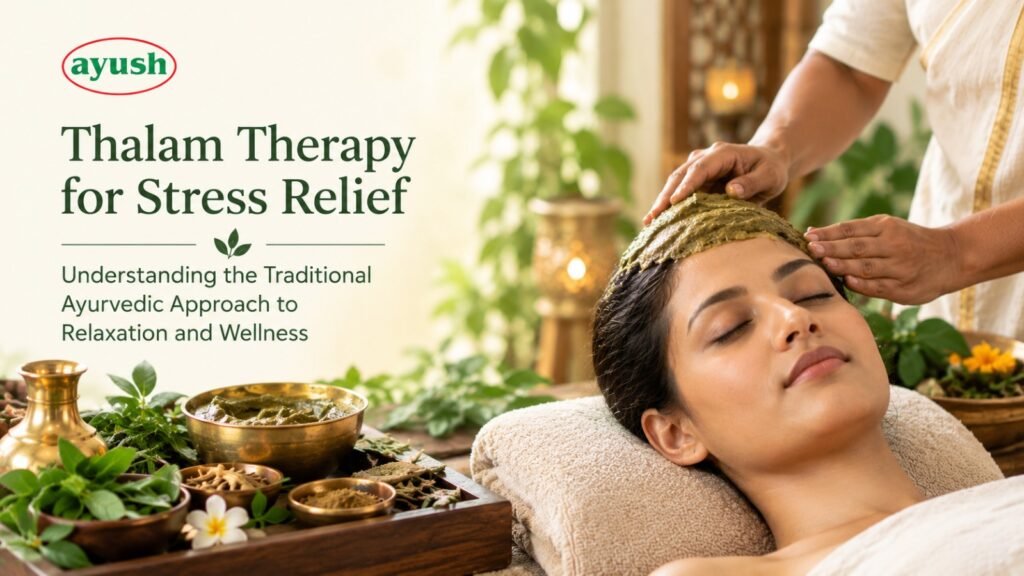
September 12, 2026 Thalam Therapy for Stress Relief: Understanding the Traditional Ayurvedic Approach to Relaxation and Wellness Contact Us +65 6398 0415 admin@ayurvedasg.com Recent Articles However, in today’s life, it is often very hard to find time to relax. Working hours, the exposure to screens throughout the day, unpredictable schedule, and everyday activities might prevent switching off. Although it is possible to get some time off from the bustle of everyday life, there are alternative methods of achieving a balanced state and encouraging relaxation that originate from ancient healing traditions. The therapy known as Thalam is one of them. Traditionally, it was applied in Ayurvedic healing routines as an application of a special herb-based mixture on the forehead or crown area. Its calm and soothing effect makes it a rather peculiar tradition of relaxation. For those exploring Ayurvedic therapies in Singapore, understanding the purpose and traditional principles behind Thalam can help them make more informed wellness choices. What Is Thalam Therapy? Thalam is an ancient practice of Ayurveda that consists of applying the herbal preparation on a particular part of the head. According to one’s requirements and the judgment of the Ayurvedic physician, the preparation can include chosen herbs, oils, and other natural ingredients. The process normally takes place for a definite period of time. Instead of being perceived as a merely cosmetic or spa therapy, Thalam is included in the larger scheme of things within Ayurvedic practices, wherein one can choose the therapy based on his or her constitution and needs. This procedure can be quite peaceful. In itself, it gives the chance to take a break from everyday distractions and relax. Why Is Thalam Associated With Relaxation? For the Ayurveda, harmony among one’s body, mind, life style, and environment is a significant thing. According to this ancient knowledge, there might be a possibility that too much mental activity or irregularities in one’s schedule might have an impact on his/her feeling of well-being. Thalam is an ancient technique that allows creating a soothing effect in the area of the head. A special herbal preparation, the relaxing atmosphere, and the availability of time for rest might make this kind of therapy very attractive for those who suffer from mental weariness in their daily life. It is crucial to realize the fact that Thalam cannot be offered as therapy for some health problems like stress, anxiety, insomnia, etc. What Happens During a Traditional Thalam Session? A session generally begins with an Ayurvedic consultation or assessment. The practitioner may consider factors such as lifestyle, daily routine, individual constitution, and the purpose for seeking the therapy before selecting an appropriate preparation. The herbal mixture is then placed on the designated area of the head. The individual can remain comfortably seated or positioned according to the therapy setting while the preparation stays in place for the recommended duration. A typical session may involve: ● An initial Ayurvedic assessment and discussion ● Preparation of an appropriate herbal formulation ● Careful application to the selected area ● A quiet period allowing the therapy to take place The exact procedure can differ between practitioners and Ayurvedic traditions. Therefore, the ingredients, application method, duration, and frequency should be determined by a qualified professional rather than followed from generic instructions. The Role of Traditional Herbs in Thalam One of the distinctive aspects of Ayurvedic therapies is the use of botanicals selected according to traditional principles. Thalam preparations may vary depending on the therapeutic approach followed by the practitioner. The formulation is not necessarily identical for every individual. Ayurveda traditionally emphasises personalised care, meaning the ingredients and method may be adapted according to the person’s requirements. This personalised element is one reason why professional guidance matters. Using an herbal paste independently without knowing its ingredients, suitability, or correct application may not provide the same experience as a properly supervised Ayurvedic session. Can Thalam Become Part of a Stress-Management Routine? Managing stress is rarely reliant on just one technique. The quality of sleep, physical activity, diet, work schedule, social life, and mental downtime all play a role in achieving good health. In such a regimen, Thalam could be considered an activity that relaxes you. Allocating undisturbed time for a quiet therapy would motivate an individual to disengage from technology and other obligations. Individuals whose occupation involves constant work with the computer or phone would enjoy having a break from these technologies during a wellness session. It is important to note, however, that the results of any therapy could vary. Choosing Ayurvedic Wellness Services in Singapore Singapore’s fast-paced environment has increased interest in traditional wellness approaches among people looking for ways to make relaxation part of their regular routine. However, choosing a suitable practitioner is important when considering traditional Ayurvedic procedures. Someone searching for the Best Ayurvedic Clinic in Singapore should look beyond promotional claims and consider the practitioner’s qualifications, consultation process, hygiene standards, transparency about ingredients, and approach to personalised care. A trustworthy clinic should explain the purpose of a therapy clearly instead of presenting it as a guaranteed solution for every concern. It should also encourage clients to disclose relevant allergies, sensitivities, existing health concerns, and medications before undergoing any procedure. How to Approach Thalam Responsibly The traditional treatments for well-being may prove to be very useful in addition to a healthy lifestyle; however, one must have realistic expectations from them. The treatment of thalam does not replace the medical treatment for the patient who has continuous physical and mental problems. It is wise to inform the Ayurvedic therapist about your health issues before starting the therapy. People having sensitive skin or allergies must ask about the materials used in the procedure. If conducted properly by the professionals, the therapy becomes an oasis in the hectic schedule of the person. A Traditional Practice for Modern Moments of Stillness The appeal of Thalam lies partly in its simplicity. In a world filled with notifications, deadlines, and continuous stimulation, deliberately creating a quiet period can feel surprisingly meaningful. Thalam therapy represents one example of how
Abhyangam in Ayurveda: How This Traditional Full-Body Oil Massage Supports Relaxation, Circulation & Holistic Wellness
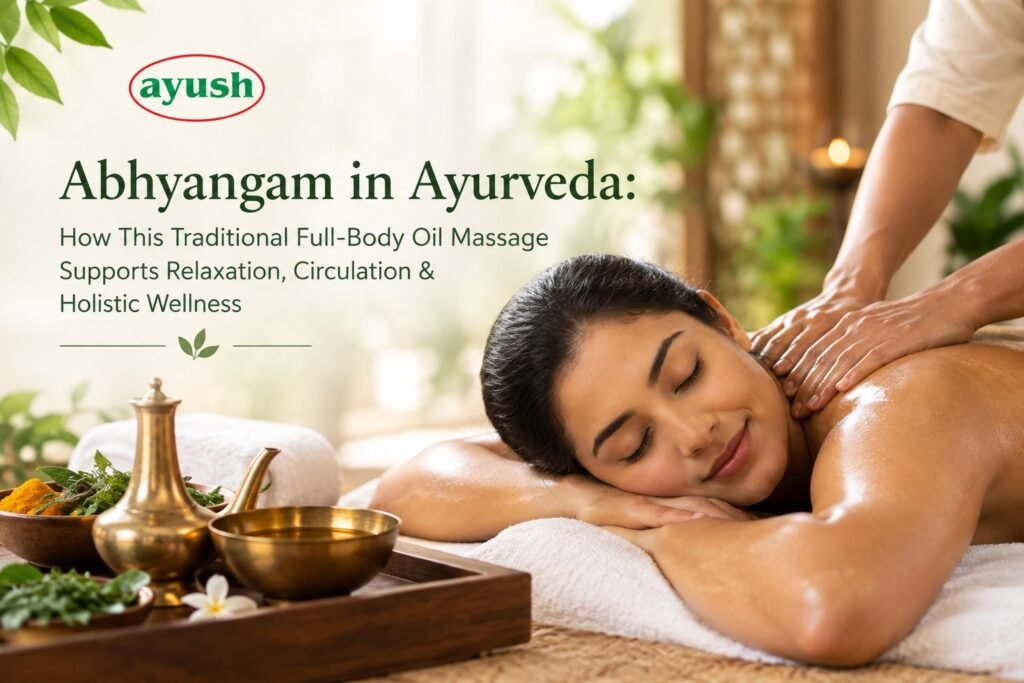
September 10, 2026 Abhyangam in Ayurveda: How This Traditional Full-Body Oil Massage Supports Relaxation, Circulation & Holistic Wellness Contact Us +65 6398 0415 admin@ayurvedasg.com Recent Articles The need for engaging in activities that would make one relax and attend to the needs of the body has become increasingly significant due to the modern hectic life. Working overtime, leading a sedentary lifestyle, traveling often and using electronic gadgets may make one’s body feel tired and mind preoccupied all the time. Even though movement and living healthy should not be forgotten, traditional wellness methods like Ayurveda have specific techniques that can help one relax and take care of oneself fully. Abhyangam is a popular traditional Ayurvedic technique of massaging the body with oil. This technique implies performing an oil massage on the whole body by rhythmically moving hands, using special kinds of oils that have been chosen using traditional Ayurvedic principles. For individuals exploring Ayurvedic wellness therapy Singapore, understanding the traditional approach behind Abhyangam can help them appreciate how this practice may complement a modern self-care routine. Understanding the Traditional Practice of Abhyangam Abhyangam refers to a technique whereby oils are applied on the body using massage. In the field of Ayurveda, the practice of applying oil has been given great significance throughout time. In the course of an Abhyangam, oil (usually medicated and heated) can be applied on various parts of the body by use of special massage techniques. This depends on the particular individual and his/her needs as determined by the practitioner. Unlike regular massage that is the same for all individuals, traditional Ayurvedic massage is highly personalized. There are considerations that a practitioner may take into account when determining the best type of massage for an individual such as body type, lifestyle, age, activity, etc. How Oil Massage May Encourage Relaxation One of the main things that motivates people to opt for Abhyangam is the feeling of peace that comes about through slow and rhythmic body massage. The warmth of the oil used and the slow pace of the therapy might lead to sensory relaxation for an individual who spends most of his or her day at a desk or going through a range of activities. It would be wrong to view Abhyangam as a means of curing any ailment, whether physical or mental. This procedure is a traditional form of relaxation therapy that can complement one’s relaxing regime. Abhyangam and Traditional Views on Circulation Massage is essentially physical stimulation of the skin and tissue underneath it. Rhythmic strokes done during Abhyangam are regarded as helpful for healthy movement and circulation in the body according to the traditional perspective. From a contemporary point of view, this can attract individuals because they remain inactive for extended periods of time. Working seated for an entire day at the workplace, traveling for many hours or remaining physically inactive can make one’s body stiff and uncomfortable. Traditional and contemporary interpretations might not be exactly the same, but still, the physical aspect of massage can bring some relief and loosen up the body. Thus, people must not treat Abhyangam as medical therapy for circulation problems. Why Warm Oil Is Central to the Experience Oil is an important part of traditional Abhyangam. Ayurvedic practitioners may select different oils depending on the individual’s constitution and the purpose of the session. The oil may be gently warmed before application, creating a soothing sensation on the skin. Herbal oils can contain plant-based ingredients traditionally used in Ayurveda, although formulations differ between practices. Because the ingredients can vary, people with allergies, sensitive skin, or known reactions to particular herbs should inform the practitioner beforehand. A professional consultation helps ensure that the selected preparation is appropriate for the individual. What to Expect During an Abhyangam Session A traditional session usually begins with a conversation between the practitioner and the individual. This provides an opportunity to understand lifestyle patterns, wellness concerns, and expectations before the massage begins. The practitioner may then select an oil and establish an appropriate technique. The oil is applied systematically to different areas of the body, followed by rhythmic massage movements. A session may involve: ● Consultation before the therapy ● Selection of an appropriate Ayurvedic oil ● Warm oil application over the body ● Rhythmic massage followed by suitable post-therapy care The exact sequence can differ according to the clinic, practitioner, and individual’s needs. Some Ayurvedic settings may also recommend bathing or other simple aftercare following the massage. Abhyangam as Part of a Balanced Lifestyle A traditional massage can be relaxing, but lasting wellbeing depends on several aspects of everyday living. Adequate sleep, nutritious food, regular physical activity, hydration, and healthy work habits remain important components of a balanced lifestyle. Abhyangam can be incorporated into this broader routine as an intentional period of body care. Rather than waiting until the body feels exhausted, some individuals may prefer to establish regular wellness practices that encourage them to pay greater attention to physical comfort. This approach aligns with the broader Ayurvedic emphasis on prevention and maintaining balance through appropriate daily habits. Finding the Right Ayurvedic Guidance in Singapore Choosing an experienced practitioner is important when considering traditional Ayurvedic procedures. People searching for Ayurveda doctor consultation Singapore should look for a practice that takes time to understand their individual requirements instead of immediately recommending a particular therapy. A consultation can help determine whether Abhyangam is suitable and which type of oil or treatment approach may be appropriate. Individuals should also disclose existing medical conditions, allergies, skin sensitivities, medications, pregnancy, or any other relevant health information before undergoing a session. A responsible Ayurvedic practice should explain the therapy honestly, including what it can and cannot reasonably be expected to achieve. Who May Consider Abhyangam? Abhyangam can appeal to adults looking for traditional approaches to relaxation, body care, and wellness. It may be especially attractive to people whose daily routines involve prolonged sitting, physical exertion, frequent travel, or considerable mental workload. However, suitability varies from person to person. Individuals with acute injuries, skin infections,
Udwarthanam: Understanding the Ayurvedic Powder Massage Procedure, Benefits, Suitability and Aftercare
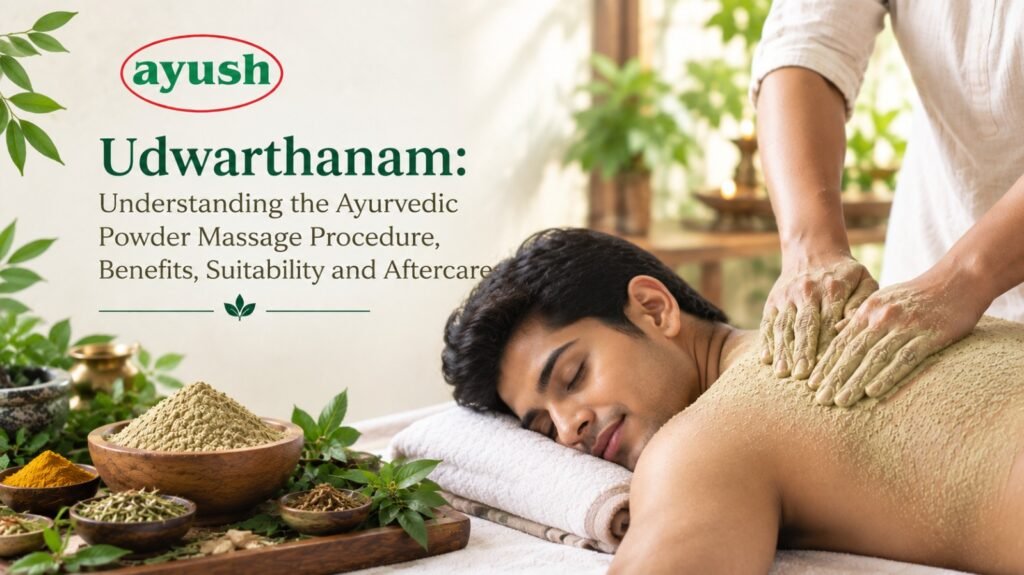
September 08, 2026 Udwarthanam: Understanding the Ayurvedic Powder Massage Procedure, Benefits, Suitability and Aftercare Contact Us +65 6398 0415 admin@ayurvedasg.com Recent Articles Ayurveda consists of many different traditional techniques which make use of herbs, oils, food, and specific body therapies to enhance general health. One of such unique methods used by Ayurveda practitioners is the method called Udwarthanam. Unlike other Ayurveda techniques that rely on oils as the main substance, Udwarthanam makes use of herbs. This method is generally considered a powder massage therapy and has been traditionally used for the purpose of body cleansing, skin care, and keeping the body weight light. For individuals researching Ayurvedic Treatments In Singapore, understanding how Udwarthanam works, who may benefit from it, and what to expect after a session can help them approach the therapy with realistic expectations. What Exactly Is Udwarthanam? Udwarthanam is one of the Ayurvedic external treatment methods that involves the use of herb powder that is massaged in upward strokes over the body. Udwarthanam literally means the application of a particular method that uses upward strokes and therefore distinguishes itself from many other forms of massages that involve oils. The types of powders used in this process may vary from one individual to another because of the type of Ayurveda practiced. The mixture of the herb powder is not similar for everybody. The choice of the ingredients depends on individual constitution, personal needs, and lifestyle of the individual. How Does the Powder Massage Take Place? It always starts with an assessment or consultation. This will help the practitioner to know about the needs of the person and see if Udwarthanam would be suitable for them. After selecting the preparation, the practitioner applies the herbal powder to the body. Thereafter, the practitioner proceeds with the therapy in a systematic manner working on different parts of the body with firm and controlled strokes. It differs from an oil massage in that the powder gives a unique feel to the body. One of the unique aspects of the therapy is the friction created while applying it. The time and pressure used will depend on the need of the person. It is not advisable to apply a standard protocol to all the patients. Why Is Herbal Powder Used Instead of Oil? The use of herbal dry powder is what makes Udwarthanam unique. Ayurvedic medicine is known to use various kinds of plant-based powders that can be used externally for various reasons. Dry application can offer a better stimulating effect than when applied with oil. Moreover, friction produced through massage may make one feel refreshed right after the therapy. Nevertheless, different preparations of herbal powders will produce different effects. Thus, it is recommended to discuss the components of the preparation if someone has skin problems or allergy. Traditional Wellness Benefits of Udwarthanam Udwarthanam has traditionally been used as part of Ayurvedic body-care routines. Its firm massage movements and dry herbal application distinguish it from therapies primarily designed around gentle relaxation. The treatment is traditionally associated with supporting a feeling of lightness and improving the overall appearance and texture of the skin. The physical stimulation involved in the massage can also leave the body feeling energised after the session. It is important, however, to distinguish traditional Ayurvedic claims from medically established outcomes. Udwarthanam should not be presented as a guaranteed treatment for obesity, cellulite, metabolic disorders, or other medical conditions. Its role is better understood within the context of traditional wellness and complementary body-care practices. Can Udwarthanam Support Skin and Body Care? The combination of herbal powder and massage creates a distinctive exfoliating experience. The physical movement can help remove loose surface material from the skin, potentially leaving it feeling smoother. The massage itself may also encourage awareness of areas that tend to feel stiff or heavy after prolonged inactivity. For people who spend considerable time sitting or following a sedentary routine, a professionally conducted body therapy may provide a refreshing change from everyday habits. Nevertheless, individual skin types respond differently. Excessively vigorous rubbing can cause irritation, particularly for people with sensitive or inflamed skin. This is why technique and professional supervision are important. Who May Be Suitable for Udwarthanam? Udwarthanam is not automatically appropriate for everyone. A proper Ayurvedic assessment can help determine whether the treatment fits an individual’s current condition and wellness objectives. People interested in the therapy should inform the practitioner about allergies, skin sensitivity, existing health conditions, recent injuries, and any ongoing medical treatment. Some situations may require postponing or avoiding a powder massage. For example, individuals with active skin irritation, open wounds, acute illness, or certain medical concerns may need to seek professional advice before undergoing an external therapy. The focus should always be on suitability rather than assuming that a traditional treatment will produce the same experience for every individual. What Happens After an Udwarthanam Session? Post-treatment care is relatively simple but can contribute to a more comfortable experience. The practitioner may recommend removing the herbal residue through a suitable bath or cleansing routine. After the session, it can be useful to give the body some time to settle instead of immediately returning to strenuous activity. The exact aftercare instructions may depend on the ingredients used, the intensity of the procedure, and the individual’s overall condition. Choosing an Authentic Ayurvedic Setting The quality of an Ayurvedic therapy depends considerably on the practitioner’s knowledge, preparation, hygiene, and understanding of traditional procedures. Someone searching for an Indian ayurveda center should therefore look beyond attractive descriptions and focus on the quality of professional guidance available. A reliable centre should explain the procedure before beginning, discuss the ingredients being used, and allow the individual to communicate any concerns. The treatment area should also follow appropriate hygiene practices. How Often Should Udwarthanam Be Done? There is no universal frequency that applies to everyone. Traditional Ayurvedic practice generally considers individual circumstances before determining whether a therapy should be repeated and at what interval. Factors such as age, constitution, lifestyle, physical condition, skin sensitivity, and
How Does Ghee Retention Work in Netra Tharpanam? Understanding the Traditional Ayurvedic Treatment Technique
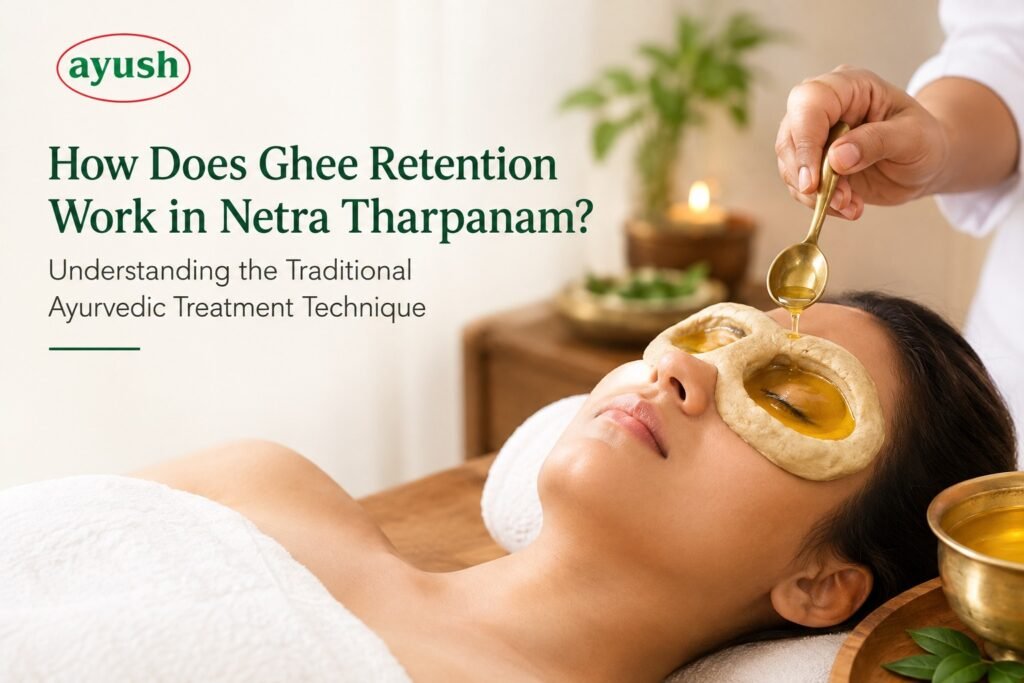
September 05, 2026 How Does Ghee Retention Work in Netra Tharpanam? Understanding the Traditional Ayurvedic Treatment Technique Contact Us +65 6398 0415 admin@ayurvedasg.com Recent Articles The eyes are continuously exposed to various factors such as screen time, artificial lights, dust, changing environmental conditions, and visual stress. Engaging oneself in reading, driving, using computers, or mobile phones for several hours can make eye comfort essential for daily health. There are many specialized Ayurvedic therapies for eye care that include Netra Tharpanam. Netra Tharpanam is an ancient Ayurvedic method of eye care wherein the retention of an appropriate medicated preparation made from ghee is done for a specified duration around the eyes. It should be noted that what makes the treatment unique is not the use of ghee alone but its retention around the eye area. For people exploring Ayurvedic therapies in Singapore, understanding how this traditional technique is performed and why ghee retention is central to the procedure can provide a clearer picture of what to expect. What Is Netra Tharpanam? Netra Tharpanam is an Ayurvedic treatment that involves the exterior and is mainly related to providing nutrition to the eye area. The term “Tharpanam” is usually connected to the notion of providing nutrition or satisfaction, while “Netra” stands for the eyes. In this process, a certain boundary is made around the eyes through the use of appropriate dough material. After that, medicated ghee is filled into this boundary, which then stays in place around the closed eyes for a definite period of time. This procedure is done in a regulated manner, rather than just filling ghee on the eyes. It is due to the reason that retaining the ghee is the major aspect of the traditional process. Why Is Ghee Retained Around the Eyes? Ghee has a significant role in various formulations used in traditional Ayurveda. In Netra Tharpanam, appropriate preparation of ghee with herbal medicines is kept over the eyes rather than being removed immediately. This enclosure helps the formulation to stay in contact with the adjoining area for a certain period of time. From the perspective of traditional Ayurveda, such long-term exposure outside is treated differently from a temporary exposure. This preparation depends on the patient’s condition. Consequently, Netra Tharpanam is not done using regular kitchen ghee or any mixture of it. How Is the Retention Area Created? One of the most unique features in Netra Tharpanam involves the creation of a safe barrier for the eyes. A dough-like barrier is usually created around the eye area in order to form a small reservoir. This arrangement must be sturdy enough in order to prevent the ghee from leaking out. The individual will normally be in a comfortable and relaxed position during the treatment process. When the barrier is in place, the chosen ghee is administered. It is important to ensure that the ghee used in the process is at the right temperature. The process is delicate due to the sensitivity of the eye and thus it should be done by someone well conversant with the procedure. What Happens During Ghee Retention? Following the placement of the ghee inside the made boundary, the eyes of the individual remain gently closed. The ghee stays inside the designated spot throughout the period as determined by the practitioner. The process might initially be strange since the eye area is surrounded by the kept substance. But generally, the atmosphere is set in a soothing environment. After reaching the prescribed period, the ghee is then slowly removed. Following that, the surrounding substance will be taken off and the eye area will be cleaned as per the instructions of the practitioner. The period of retention does not always apply to everyone. It might vary based on the individual’s needs and the type of formulation used. Why Is the Temperature of Ghee Important? One aspect that is relevant in Netra Tharpanam is temperature. Ghee needs to be used in the correct temperatures and not too hot or too cold. As the product is going to be used around the eyes, temperature helps to ensure that the process is comfortable and safe. This is one reason why it is recommended to leave the process to professionals. This is because even though the product is all-natural, the application process needs to be done in the correct way. What Are the Traditional Wellness Objectives? Netra Tharpanam is traditionally used as part of Ayurvedic eye-care routines. Its primary appeal comes from the specialised attention given to the eye region and the use of medicated ghee in a controlled setting. Some people may seek the procedure as part of a broader approach to eye-area relaxation, particularly when their lifestyle involves prolonged visual concentration. However, traditional wellness claims should not be confused with established medical treatment. Netra Tharpanam should not be promoted as a cure for refractive errors, infections, glaucoma, cataracts, or other ophthalmic conditions. Anyone experiencing persistent eye pain, vision changes, redness, discharge, injury, or other concerning symptoms should consult an appropriate eye-care professional. Who Should Consider a Professional Assessment First? Although Netra Tharpanam is a traditional external procedure, it may not be suitable in every situation. A preliminary consultation can help identify whether the therapy is appropriate for a particular individual. People should inform the practitioner about existing eye conditions, recent eye procedures, allergies, infections, medications, or unusual symptoms before beginning treatment. A professional may recommend postponing the procedure when the eye area requires medical evaluation or when the individual has circumstances that could make the therapy unsuitable. The Importance of Ayurveda Consultation in Singapore Anyone considering specialised Ayurvedic eye therapies can benefit from professional guidance before selecting a procedure. An Ayurveda consultation Singapore service can provide an opportunity to discuss lifestyle factors, individual concerns, and whether a particular Ayurvedic approach is suitable. A good consultation should involve more than simply recommending a treatment. The practitioner should explain the procedure, discuss the ingredients involved, address relevant precautions, and provide realistic expectations. What Makes Netra Tharpanam Different From Simple Eye
From Stress to Satiety: How Ayurveda Helps Regulate the Nervous System, Reduce Emotional Eating, and Support Lifelong Wellness
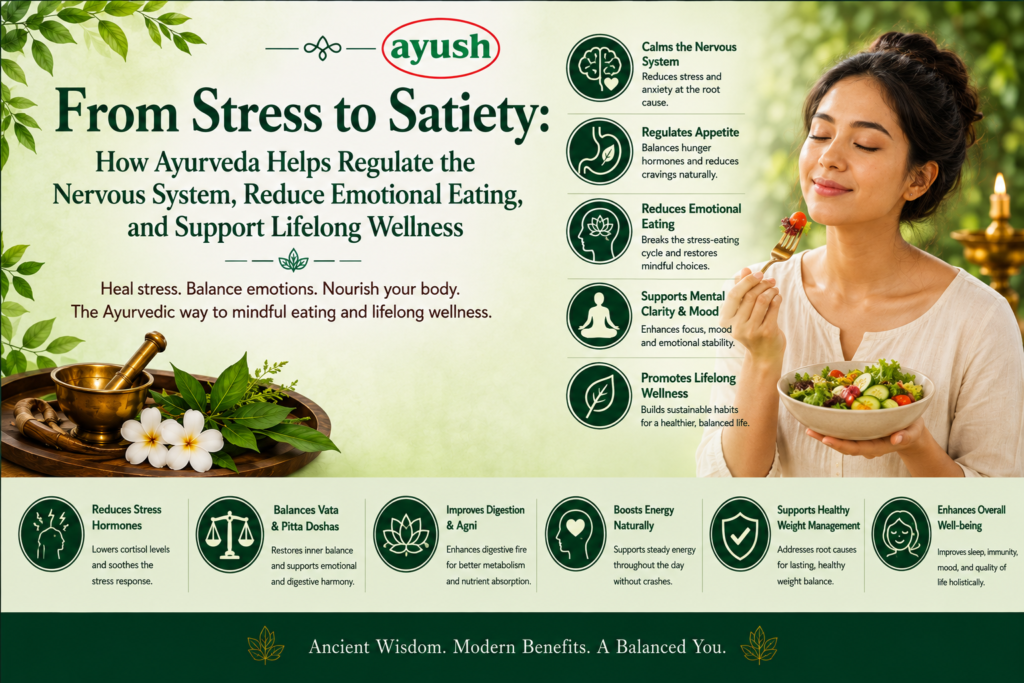
July 13, 2026 From Stress to Satiety: How Ayurveda Helps Regulate the Nervous System, Reduce Emotional Eating, and Support Lifelong Wellness Contact Us +65 6398 0415 admin@ayurvedasg.com Recent Articles There is a hunger that has nothing to do with calories or nutritional deficit. It arrives after a difficult meeting, not after missing a meal. It reaches for sweet, salty, or crunchy foods specifically, comfort textures and flavours that activate the brain’s reward circuitry rather than addressing genuine physiological needs. Ayurvedic stress relief therapy Singapore at Ayush Ayurveda addresses this pattern with the depth it deserves, not as a willpower failure or a psychological weakness, but as a physiological consequence of sustained nervous system dysregulation that has very specific and correctable causes. Emotional eating is one of the most common manifestations of chronic stress. Yet most interventions address either the eating behaviour or the stress in isolation. Genuine resolution requires addressing the nervous system state that generates both simultaneously. How Chronic Stress Rewires Eating Behaviour The connection between stress and eating behaviour operates through neurobiological pathways that are well-documented and largely outside conscious control. Ayurvedic stress relief therapy Singapore practitioners explain this biology to clients because understanding the mechanism removes the shame and self-blame that many emotional eaters carry unnecessarily. Elevated cortisol levels over time (chronic stress) directly drive appetite with the activation of neuropeptide Y, a powerful hunger hormone that is localized in the hypothalamus. At the same time cortisol decreases the body’s leptin sensitivity, which is the satiety hormone that lets the body know if it is well-fed. The result is an imbalance in neurobiology, in which both the signals for appetite are heightened, while the signals for satiety are decreased, a state that makes over-eating not only likely, but physiologically unavoidable. The preference for high-reward foods (sweet, fatty and salty) that elicits the release of dopamine also restores the suppressed reward signalling, and is driven by dopamine depletion that occurs during chronic stress. Singapore Ayurvedic therapies, which treat the underlying stress physiology, take a different approach to this issue than the willpower-based dietary restriction, which merely aims at overcoming it at the surface level. The Ayurvedic Perspective on Stress-Driven Appetite Disruption Ayurvedic stress relief therapy Singapore understands stress-driven eating disruption through the lens of Prana Vata and Vyana Vata disturbance, two Vata subdoshas whose combined dysregulation creates the nervous system hyperactivation and circulatory imbalance that underlie both chronic stress and its appetite consequences. Prana Vata controls our sensory reception, thought processing and the nervous system’s “floor” functioning. It is in a chronic state of hypervigilance when it is disturbed, and so is unable to enter a true relaxation state between the stressful periods. It’s difficult for the body to tell the difference between real threat and regular stress. A stress response happens to every situation which is slightly challenging, and is triggered by the situation’s actual demands. Vyana Vata controls circulation, and the distribution of nutrients and energy throughout the tissues. The disturbance of this system causes the associated unequal distribution of energy which is reflected in mid-afternoon crashes; the exact time when emotional eating is most likely to happen in stressed individuals. Ayurvedic treatments in Singapore treatments that treat Vyana Vata bring back the even and smooth circulation of energy and make these crash and crave cycles disappear, instead of working around them with snacking. Therapeutic Interventions That Recalibrate the Stress-Eating Connection Ayurvedic stress relief therapy Singapore treatment programmes at Ayush Ayurveda address the stress-emotional eating connection through external therapies that directly influence the nervous system state generating the problematic eating behaviour. This approach differs fundamentally from nutritional counselling that addresses only the eating dimension without touching the nervous system reality driving it. Abhyanga, full-body warm oil massage using medicated preparations, activates the parasympathetic nervous system through sustained skin contact that stimulates the vagus nerve’s calming influence. The vagal activation that quality Abhyanga produces reduces cortisol levels measurably in the hours following treatment, creating a neurobiological window during which the appetite dysregulation driven by cortisol excess temporarily resolves. Recipients of regular Abhyanga within a structured programme consistently report reduced urgency around food in the hours following treatment and, over an extended programme, a gradual reduction in the baseline stress reactivity that generates emotional eating impulses. The continued oil stream over the forehead of Shirodhara creates neurological quietening before, during and after the session by stimulating the trigeminal nerve. In an Ayurvedic stress management program, the Shirodhara therapy is administered to the clients and they explain that over time they had noticed a change in their relationship with food when they received this treatment; a change in the sense that the compulsion to have a stressful food craving felt less urgent or as though it had lost some of its momentum. Herbal Support for Nervous System and Appetite Regulation Ayurvedic stress relief therapy Singapore herbal protocols for emotional eating address both the nervous system dysregulation and the specific neurobiological mechanisms generating appetite amplification. Single herbs with documented effects on cortisol, dopamine, and hypothalamic appetite signalling offer a more targeted approach than generic adaptogen combinations. Among the many benefits of Ashwagandha, its excellent anti-inflammatory capabilities with regards to cortisol have a direct impact on the hormone that drives the amplification of appetite. It’s anxiolytic, which means it has a calming effect and decreases a person’s normal stress reactivity, creating less triggers for emotional eating during the day. In chronically stressed people, Ashwagandha consistently has been studied for its effects on body weight, which include decreases in food craving and how often people eat out of emotion, and the cortisol lowering effects of the herb. Jatamansi, Nardostachys jatamansi, contributes dopaminergic modulation that addresses the reward depletion driving high-reward food seeking. Its grounding, stabilising action on the nervous system creates the emotional steadiness that reduces the gap between stress trigger and eating impulse. Ayurvedic therapies in Singapore formulations combining these herbs within an individually tailored prescription produce compound effects that neither ingredient achieves independently at equivalent impact. Dinacharya: The Daily
Acid Reflux After Every Meal? An Evidence-Informed Ayurvedic Guide to Finding the Root Cause
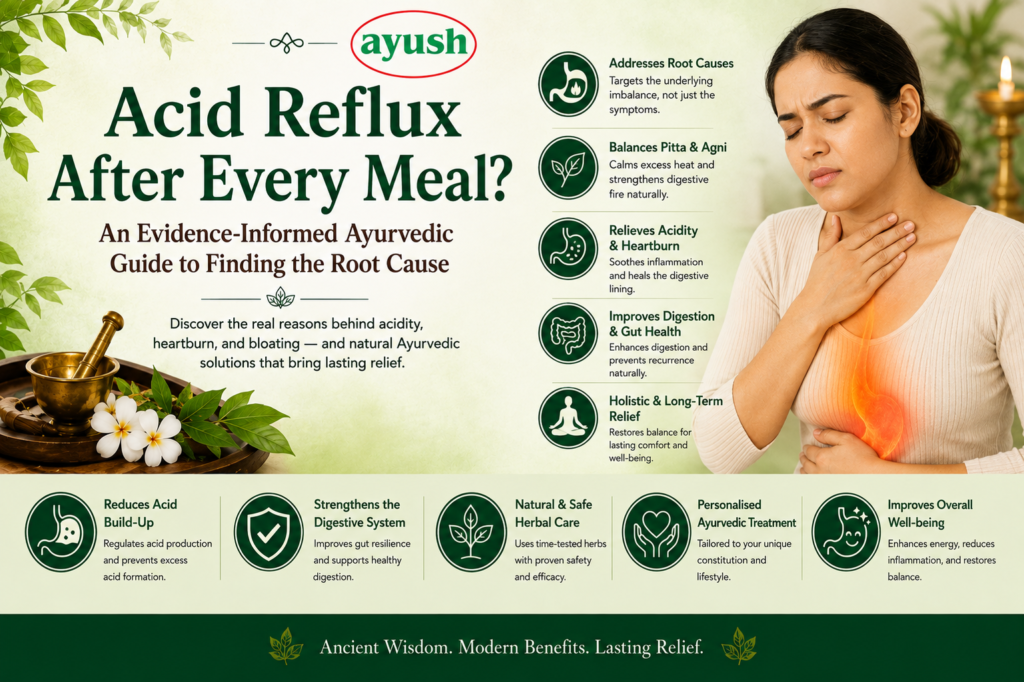
July 10, 2026 Acid Reflux After Every Meal? An Evidence-Informed Ayurvedic Guide to Finding the Root Cause Contact Us +65 6398 0415 admin@ayurvedasg.com Recent Articles Millions of people take antacids daily. The tablet provides relief within minutes. An hour later the burning returns. Another tablet. Another hour. The cycle repeats indefinitely without any reduction in the frequency or severity of episodes. Ayurvedic Treatments In Singapore at Ayush Ayurveda receive clients caught in exactly this cycle, people who have been managing acid reflux symptomatically for months or years without anyone genuinely investigating why it keeps occurring after every meal. Antacid dependency is not a treatment outcome. It is a management compromise that leaves the underlying cause entirely unaddressed while suppressing the symptom that would otherwise motivate genuine investigation and correction. Why Acid Reflux Occurs: The Physiology Most Explanations Oversimplify Most explanations of acid reflux describe it as excess stomach acid rising into the oesophagus. This description is technically accurate in one specific scenario. It is, however, an incomplete account of the full range of mechanisms that produce post-meal burning and regurgitation in different individuals. Ayurvedic Treatments In Singapore practitioners encounter several distinct reflux mechanisms that require different therapeutic responses. Genuine hyperchlorrhydria, excess acid production, is one pattern. Lower oesophageal sphincter weakness that allows normal or even below-normal acid quantities to reflux inappropriately is another. Delayed gastric emptying that traps food and acid within the stomach beyond the normal processing window creates a third pattern where reflux occurs hours after eating rather than immediately following meals. Using trusted Ayurvedic treatment Singapore assessment, the pattern that each person exhibits can be determined by looking at the timing of the symptoms after meals, the nature of the discomfort, the foods that often cause symptoms and the time of day the symptoms occur. This pattern differentiation is what is not established by generic antacid prescriptions, and is the foundation of diagnosis. The Ayurvedic Understanding of Amlapitta Ayurvedic Treatments In Singapore classify acid reflux presentations within the framework of Amlapitta, literally translated as sour Pitta, a classical Ayurvedic diagnostic category that encompasses the full range of acid-related digestive disorders. The sophistication of the Amlapitta classification lies in its recognition that not all presentations carry the same underlying dosha dynamics. Urdhva Amlapitta, upward-moving sour Pitta, is associated with the classical reflux symptoms of upward movement of sour towards the throat. This pattern is disturbed Samana Vata, the digestive Vata subdosa, which regulates the upward movement of the food in the stomach, which allows it to move upwards when it is disturbed. This pattern needs to be treated at both the Pitta excess and the Vata disturbance (that allows the acid quality to ascend) using trusted ayurvedic treatment singapore. Adhogami Amlapitta (downward moving sour Pitta) causes symptoms in the lower digestive system, not the oesophagus, and includes acidic stools, lower abdominal cramping and the inflammatory bowel pattern which the continued excess of Pitta in the small intestine can cause. When a client is experiencing upper and lower symptoms at the same time they’re demonstrating the total effect that a Pitta imbalance has had on them and it’s not contained in one place. Singapore’s Dietary Landscape and Its Acid Reflux Contribution Ayurvedic Treatments In Singapore practitioners working with Singapore’s population observe consistent dietary patterns that contribute directly to Amlapitta prevalence in this specific population. Singapore’s food culture, while extraordinary in its variety and quality, presents several consistent Pitta-aggravating patterns that reflux sufferers regularly consume without recognising their contribution to their own symptoms. When the lunch break was short and rushed, the Hawker centre meals were not digested in the optimal way, because of the lack of a peaceful and parasympathetic environment during digestion. When the digestive enzymes are inhibited by the sympathetic nervous system, they cannot function properly, leading to poor digestion and inadequate nutrient absorption.Under pressure, the dominant sympathetic nervous system directly inhibits digestive enzyme secretion and reduces gastric motility, resulting in poor digestion and nutrient absorption. The digestion is incomplete, leading to fermentation and acid build-up that is seen as reflux after feeding. Trusted ayurvedic treatment singapore dietary advice is specific instead of the generic advice to take your time when eating. It can be as simple as meal timing that creates real thirty minutes between meals and work activity, eliminating drinks of cold beverages with meals to “cool down” Agni during its most active processing time, or reducing the number of fermented, spiced and fried food combinations offered through Singapore’s diverse cuisine that Singaporeans cannot resist. Herbal Interventions That Address Amlapitta Without Suppression Ayurvedic Treatments In Singapore herbal protocols for acid reflux aim to correct the underlying Pitta-Agni imbalance rather than suppress acid production in the way that proton pump inhibitors do. This distinction matters clinically because appropriate stomach acid is essential for protein digestion, mineral absorption, and the maintenance of the stomach’s bacterial defence environment. Long-term acid suppression creates nutritional deficiencies and increases susceptibility to specific gastrointestinal infections, consequences that Ayurvedic treatment specifically avoids by working with Agni rather than against it. Shatavari, Asparagus racemosus, forms the cornerstone of most Amlapitta herbal prescriptions at Ayush Ayurveda. Its demulcent properties soothe inflamed oesophageal and gastric mucosa while its cooling Pitta-pacifying action addresses the excess heat quality driving acid hypersecretion. Unlike antacids that produce immediate but temporary neutralisation, Shatavari’s mucosal healing action produces cumulative improvement that strengthens with consistent use over four to eight weeks. The antidotal and anti-inflammatory activity of Yashtimadhu (glycyrrhiza glabra, Licorice root) has been studied in numerous clinical trials in gastro-oesophageal reflux and peptic ulcer disease with its mucoprotective activity. Its carbenoxolone components cause an increase in mucus production which protects and coats the lining of the gastric and oesophageal tracts, thereby helping to limit the damage to the lining due to the effects of acid on the walls over time. The use of Yashtimadhu rich formulations in trusted Ayurvedic treatment Singapore includes a modification of the duration for the treatment to prevent any possible mineralocorticoid side effects caused by very prolonged
Can’t Fall Asleep or Stay Asleep? How Evidence-Informed Ayurveda and Thalam Therapy May Help You Sleep Better Naturally
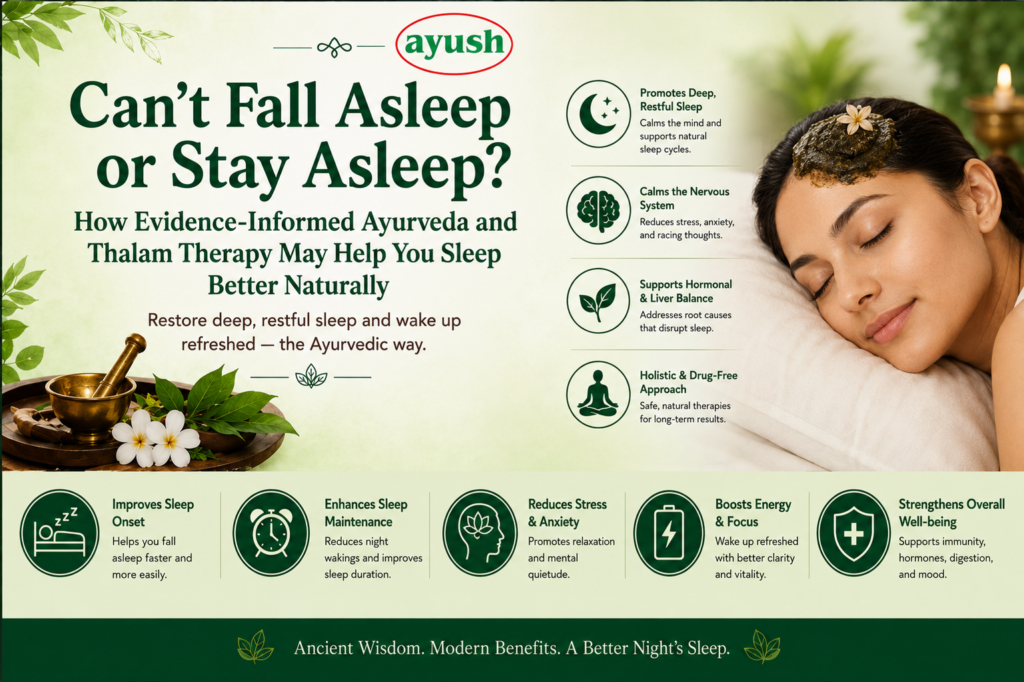
July 08, 2026 Can’t Fall Asleep or Stay Asleep? How Evidence-Informed Ayurveda and Thalam Therapy May Help You Sleep Better Naturally Contact Us +65 6398 0415 admin@ayurvedasg.com Recent Articles Singapore consistently ranks among the world’s most sleep-deprived urban populations. The combination of demanding professional schedules, late evening screen exposure, high-pressure work culture, and the physiological consequences of sustained stress creates a sleep environment that many residents have simply accepted as normal. Ayurvedic therapies in Singapore at Ayush Ayurveda see the consequences of this acceptance daily, clients whose cognitive performance, emotional regulation, and physical health have all deteriorated measurably because their sleep has been inadequate for months or years rather than days. The first step toward better sleep is refusing to normalise poor sleep as an inevitable feature of modern Singapore life. It is not inevitable. It is a physiological dysfunction with identifiable causes and effective solutions. Understanding Why Sleep Fails: Two Distinct Problems Requiring Different Approaches Ayurvedic therapies in Singapore distinguish between two fundamentally different sleep failure patterns that require different therapeutic responses. Confusing them leads to treatments that address the wrong dimension of the problem and produce disappointing outcomes despite genuine effort. Sleep onset difficulty, the inability to fall asleep despite physical tiredness, reflects primarily a nervous system activation problem. The body is ready for sleep. The nervous system refuses to release its vigilance. The vigilance of the nervous system will not be released. This is marked by racing thoughts, restlessness and the “exhausted yet too awake” experience. Ayurvedic wellness therapy Singapore evaluations reveal that this is a result of the hyperactive nervous system, which is primarily Vata in nature, and demands calming and grounding therapeutic measures to decrease the nervous system’s excitation holding the person in wakefulness. Sleep maintenance difficulty is the inability to fall asleep to an adequate level, but awakening in the early morning without being able to fall back asleep again, and therefore a different physiological pattern. This is usually experienced as waking from 2am to 4am, and immediately being mentally activated, which is the natural time of Pitta in the night, and a sign of liver and metabolic activity. The inflammatory and metabolic pathways in the body are disrupting sleep architecture, instead of the nervous system not starting sleep. A calming treatment of the nervous system is not sufficient to resolve a metabolic disrupting sleep. What Modern Research Confirms About Ayurvedic Sleep Interventions Evidence-informed Ayurvedic therapies in Singapore at Ayush Ayurveda apply classical treatments within a framework that acknowledges and incorporates contemporary research findings on sleep neuroscience. The growing body of research examining Ayurvedic sleep interventions provides a mechanism-based understanding of why treatments that have been used for centuries produce the outcomes practitioners and patients report. Ashwagandha, Withania somnifera, has been examined in multiple randomised controlled trials for its effects on sleep quality, sleep onset latency, and non-restorative sleep. The proposed mechanism involves Withanoside IV’s conversion to Sominone within the body, which produces GABA-mimetic effects at the brain’s inhibitory receptors, creating the neurological quietening that facilitates both sleep onset and sleep depth. Ayurvedic wellness therapy Singapore incorporating ashwagandha as part of a sleep support protocol draws on both the classical Rasayana tradition and this contemporary mechanistic understanding simultaneously. Brahmi, Bacopa monnieri, has consistently demonstrated effects of reducing anxiety and calming the mind, as well as improving memory. It is part of the sleep protocols in Ayurvedic Singapore sleep treatments, which tackle the anxious mental activity that impedes sleep onset, through modulation of serotonin pathways, which helps to diminish ruminative thought patterns in the pre-sleep period. How Thalam Therapy Addresses Sleep Through the Crown Thalam occupies a specific and irreplaceable role within Ayurvedic therapies in Singapore sleep treatment programmes precisely because it acts directly on the region of the body most proximate to the neurological structures governing sleep-wake transitions. The crown application of warm medicated herbal paste influences the brain’s arousal systems through pathways that oral herbal administration reaches only indirectly. The exact assortment of herbs employed in sleep-oriented Thalam is significantly different from that used in stress-reduction or brain-boosting applications of the same method. Sleep oriented paste formulations at Ayush Ayurveda generally contain Valeriana wallichii or Tagara which act as sedative and act by GABAergic pathways similar to pharmaceutical sedatives, but without dependency or morning grogginess. The controlled use of Jatiphala brings a warming, grounding quality to bring balance to the cold, light, mobile Vata qualities that can cause difficulty in getting to sleep. People who receive Ayurvedic wellness therapy in Singapore and take Thalam for sleep support talk about a type of sleep relaxation they experience during and after the treatment, which they are able to differentiate from normal sleep relaxation. This feeling of the mind settling, not being forced to be quiet, but slowing naturally is consistently reported and can therefore not simply be the placebo response, but a genuine signature of the crown application approach as a therapy. The Sleep Hygiene Dimension That Ayurveda Addresses Differently Ayurvedic therapies in Singapore sleep programmes incorporate lifestyle and routine guidance that differs meaningfully from the generic sleep hygiene advice that most wellness resources provide. The Ayurvedic approach to sleep hygiene is grounded in Dinacharya, the daily rhythm practice, and recognises that sleep quality is determined by the entire arc of the day, not simply by what happens in the hour before bedtime. In Ayurvedic Sleep Science, eating while you are sleeping is significant. The digestive work needed to digest a big meal eaten at night takes precedence over the functions which prepare the body for sleep. The Ayurvedic wellness therapy Singapore diet plan for sleep supporting foods suggests eating the lightest meal of the day in the evening, at least 2-3 hours before sleep time, which is when the body requires it least, to be transitioning toward rest and away from digestion, rather than continuing on with digestion. The most impactful ayurvedic therapy in Singapore sleep recommendations is the Evening Abhyanga or self-oil massage, which involves using warm sesame oil on the feet,
The Liver–Gut–Skin Connection: How Ayurveda Helps Reduce Bloating, Improve Energy, and Support Healthy Skin Naturally
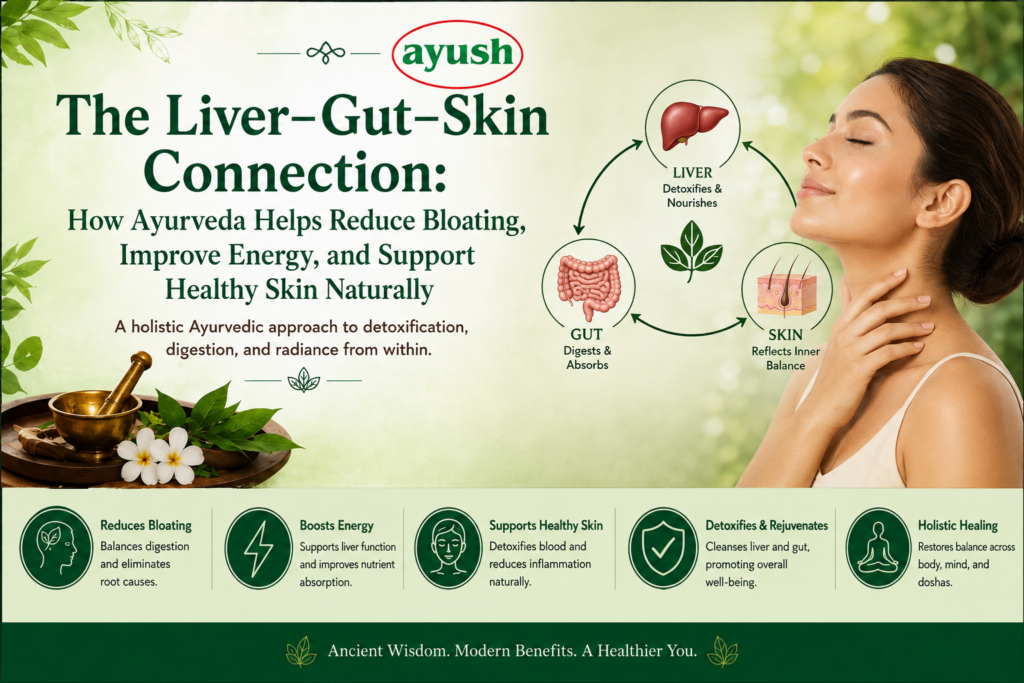
July 05, 2026 The Liver–Gut–Skin Connection: How Ayurveda Helps Reduce Bloating, Improve Energy, and Support Healthy Skin Naturally Contact Us +65 6398 0415 admin@ayurvedasg.com Recent Articles A gastroenterologist manages the gut. A dermatologist manages the skin. A hepatologist manages the liver. Each specialist addresses their organ system with considerable expertise and in near-complete isolation from the others. Yet patients with chronic bloating frequently also struggle with skin breakouts. Those with sluggish liver function consistently report fatigue and dull complexion simultaneously. Authentic Ayurvedic treatment Singapore at Ayush Ayurveda approaches this interconnected reality as a single diagnostic and therapeutic challenge, because Ayurvedic medicine understood the liver-gut-skin relationship as a unified system thousands of years before modern research began confirming the connections. The implications for treatment are profound. Addressing skin issues without examining the gut produces temporary results. Managing bloating without considering liver function misses a primary contributing factor. Genuine resolution requires treating the entire system. How Ayurveda Understands the Liver-Gut-Skin Triangle Authentic Ayurvedic treatment Singapore practitioners use the concept of Rakta Dhatu, the blood tissue, as the primary connective tissue linking liver, gut, and skin within Ayurvedic physiology. The liver’s role in purifying and nourishing Rakta Dhatu is central to this understanding. When liver function is compromised, Rakta Dhatu carries impurities rather than nutrients through the body’s channels, manifesting visibly on the skin and functionally within the digestive system simultaneously. The metabolic processing and transformation of nutrients into tissues are focussed in the liver and small intestine, and are controlled by pitta dosha. When the Pitta is excess in these sites, the inflammation that it causes leads to bloating via inflammation of the gut, skin reactivity via inflammatory molecules in the blood, and fatigue due to the low-grade systemic inflammation throughout all tissues. In Ayurvedic Treatment Consultation Singapore, the assessment deals with how they are interacting in a particular presentation. People with a similar pattern of breakouts could be treated completely differently due to the difference in gut-liver interactions between the two. Bloating as a Diagnostic Signal, Not Just a Symptom Bloating is one of the most commonly experienced digestive complaints among Singapore’s professional population. Yet it is rarely taken seriously as a diagnostic signal. Authentic Ayurvedic treatment Singapore practitioners treat bloating as a meaningful indicator of the specific digestive imbalance pattern underlying a broader constellation of symptoms that includes skin and energy complaints. If there is bloating after eating, within 30 minutes of food consumption, there is a weak enzyme activity in the stomach and upper small intestine (Pitta-Agni), which is insufficient to break down food in the beginning before it enters the lower digestive tract that is prone to fermentation. This pattern has been linked to the skin becoming acidic, having breakouts that happen during the day and feeling drained of energy after work is done, which is commonly blamed on the job. If the bloating happens in the evening and builds up throughout the day, it is a different pattern, Apana Vata disturbance to the downward flow of waste material in lower digestive organs. This pattern is related to the dull, congested skin appearance due to poor elimination and the unrefreshed, heavy sleep due to incomplete daily elimination. Ayurvedic Treatment Consultation Singapore differentiates between these patterns with the diagnostic accuracy that can’t be found in any bloating treatment. The Liver’s Role in Skin Clarity and Energy Production Authentic Ayurvedic treatment Singapore practitioners observe with consistent frequency that clients presenting primarily with skin concerns carry secondary liver function complaints that they often do not initially report as connected. Skin that appears inflamed, reactive, or chronically congested with comedones and pustules is frequently manifesting the liver’s impaired detoxification capacity rather than a skin-specific pathology. Hormones, environmental toxins, and metabolic byproducts are metabolized by the liver and when not cleared up adequately, recirculate and accumulate in peripheral tissues such as the skin. According to Ayurvedic medicine, this accumulation is called Rakta Dushti (impurity in blood tissue), and the best treatment is to support the liver for skin diseases that originate from this mechanism. Energy production connects to the liver through its role in glycogen storage and release, bile production for fat digestion, and the B-vitamin metabolism that mitochondrial energy production requires. Ayurvedic Treatment Consultation Singapore clients who present with persistent fatigue alongside skin and digestive complaints frequently show the constellation of signs indicating Yakrit, liver, imbalance as the central pattern linking their disparate symptoms. Panchakarma Interventions That Address the Entire Triangle Authentic Ayurvedic treatment Singapore treatment for liver-gut-skin complex presentations draws on Panchakarma’s cleansing interventions with particular effectiveness. Virechana, therapeutic purgation using medicated ghee and herbal laxative preparations, is the classical Ayurvedic intervention specifically indicated for Pitta excess in the liver and small intestine, addressing the inflammatory root of skin conditions and digestive complaints simultaneously through a single structured cleansing procedure. The mechanism of Virechana is to prepare the body for the purpose of one or two days of the medicated ghee that breaks down the accumulated Pitta and Ama and gets it back into the digestive tract and then to induce a controlled therapeutic purgation by eliminating the mobilised Pitta and Ama. Ayurvedic Treatment Consultation Singapore results will help the practitioner decide whether this Virechana procedure is suitable for that person or not, for how long and what type of medicated ghee will be used in the procedure. Basti therapy involves using a combination of oil-based and decoction-based preparations with alternate administration, which treats the bloating due to Vata imbalance which is a frequent occurrence after or alongside Pitta imbalance treated with Virechana. Virechana followed by Basti is a sequential process that corrects both the inflammatory and the movement aspect of the liver gut skin triangle. Herbal Support That Sustains Long-Term Balance Panchakarma intervention creates the cleansed physiological foundation. Herbal support maintains and extends the balance that cleansing establishes. Authentic Ayurvedic treatment Singapore herbal protocols for liver-gut-skin presentations use formulations that address each system within the triangle through a single prescription where possible. Arogyavardhini Vati, a classical Ayurvedic formulation containing
Why Does Neck Pain Keep Coming Back? An Ayurvedic Guide to Root Causes, Posture Triggers, and Long-Term Natural Recovery
July 12, 2026 Why Does Neck Pain Keep Coming Back? An Ayurvedic Guide to Root Causes, Posture Triggers, and Long-Term Natural Recovery Contact Us +65 6398 0415 admin@ayurvedasg.com Recent Articles Many people experience neck pain as a recurring visitor. It arrives, responds briefly to massage or pain medication, then returns within days or weeks. This cycle rarely ends on its own. Authentic Ayurvedic treatment Singapore practitioners understand this pattern as a signal that the underlying cause remains unaddressed. Surface-level intervention cannot resolve a condition rooted in deeper constitutional imbalance, structural habit, or chronic lifestyle stress. Ayush Ayurveda approaches recurring neck pain as a diagnostic puzzle. The goal is not suppressing the symptom temporarily. It is identifying and correcting the actual cause. What Ayurveda Identifies as the Root Causes of Neck Pain Cervical discomfort in Ayurvedic medicine is classified primarily within the domain of Vata disorders. Authentic Ayurvedic treatment Singapore assessments examine which specific Vata aggravation pattern is driving the individual’s presentation, since Vata disturbance manifests differently depending on the person’s constitution, lifestyle, and the specific channels affected. The cervical joints and soft tissues become aggravated due to the dryness effect of Vata, which decreases their natural lubrication and protects the vertebrae from movement. The effect of this pattern is that the person feels the grinding and stiffness with movement after waking and/or after sitting for a period of time. Even with all the external massage, this condition is maintained due to internal causes such as excess caffeine, lack of healthy fats in the diet and irregularity in the timing of meals. Ayurvedic Treatment Consultation Singapore at Ayush Ayurveda tries to analyze these diet and lifestyle factors systematically, as neck pain that cannot be corrected with physiotherapy or frequent massage is often caused by a problem in the diet or lifestyle, which is not treated in the treatment room. How Singapore’s Work Culture Creates Specific Neck Vulnerabilities Singapore’s professional environment creates biomechanical and nervous system conditions that directly predispose residents toward cervical strain. Authentic Ayurvedic treatment Singapore practitioners working with city professionals observe consistent patterns across industries as different as finance, technology, healthcare, and law. A forward head posture pattern is developed when the laptop and phone are used for extended periods of time. Every inch forward of the head off of the natural balanced position results in a significant increase of effective weight on the cervical spine. A person in neutral head position with a load of about 5 kg will have a three to four times greater load when its head is constantly forward. This repeated loading and the countless hours of work yields structural strain that can’t be compensated for by any single stretch. In Ayurvedic Treatment Consultation Singapore, Ayurveda physicians assess seated posture, use of a smartphone and sleeping posture at the same time. Each of these has a role in cervical strain patterns that cannot be comprehended without considering the strain patterns in other contexts. The Emotional and Stress Dimension That Physical Treatment Misses The emotional and psychological component to chronic neck pain has been well documented and is frequently neglected in physical treatment. This is what authentic Ayurvedic treatment Singapore medicine has known for centuries – the neck and shoulder area is one of the main areas of the body where the emotional tension and suppressed stress reacts physically. The physiological condition of chronic work stress and work anxiety results in chronic sympathetic nervous system activation, which leads to chronic guarding of the muscles of the cervical and upper thoracic spine. This is a holding pattern of muscles which will not let go without regular massage. It takes the nervous system to relax in order to allow the muscles that have been contracting to truly relax. At Ayush Ayurveda, Ayurvedic Treatment Consultation Singapore professionals focus on this dimension of the nervous system in their neck pain treatment programmes and propose calming therapies to treat the nervous system state keeping the musculoskeletal presentation. Treating the musculoskeletal presentation without addressing the nervous system responsible for it yields only temporary relief. Greeva Vasti: The Targeted Cervical Treatment Greeva Vasti is one among unique treatments for cervical disease singapore treatment. In this procedure, a dough ring is made around the cervical region of the neck and filled with warm medicated oil which has to soak the affected area for about half an hour to an hour. The continuous heat produced from the heated oil applied directly to the cervical spine acts on the joints, a portion of the intervertebral disc tissue and the surrounding muscles at once. This penetration also brings therapeutic beneficial herbal compounds at the appropriate depth and length to the targeted structures that are producing pain, which is not possible with surface penetration. The formula for Greeva Vasti is determined by the presenting pattern of the person by the Ayurvedic Treatment Consultation Singapore practitioners. Tailam suits are made to address musculoskeletal degeneration patterns. For cases that have a greater neurological component (radiating pain down the arm, numbness in the fingers) ksheerabala tailam is indicated. Panchakarma Approaches for Chronic Cervical Conditions Longstanding cervical conditions accumulating tissue-level Ama, the metabolic residue that Ayurvedic medicine identifies as a primary driver of chronic inflammatory conditions, often require Panchakarma intervention beyond standalone therapies. Authentic Ayurvedic treatment Singapore Panchakarma programmes for cervical conditions typically combine Greeva Vasti with full-body Abhyanga, specific Virechana or Basti procedures addressing systemic Vata and Ama accumulation, and targeted dietary modification. The comprehensive treatment takes into consideration the neck pain as a local symptom of a systemic imbalance. By correcting the systemic pattern, the tendency to reaccumulate the conditions that result in recurring cervical discomfort is stopped, and the symptomatic treatment that is perpetuated indefinitely by the conditions of the cervical pattern is avoided. In Ayurvedic Treatment Consultation Singapore, the specific combination of Panchakarma is determined for each person’s presentation; depending on the individual’s constitution, length of the condition and his digestive and general health, the specific combination of the Panchakarma differs. Building Postural and Lifestyle Habits
What Is Nasyam Therapy? How This Ancient Nasal Treatment Clears Sinus Blockages, Sharpens Mental Clarity, and Supports Brain Health
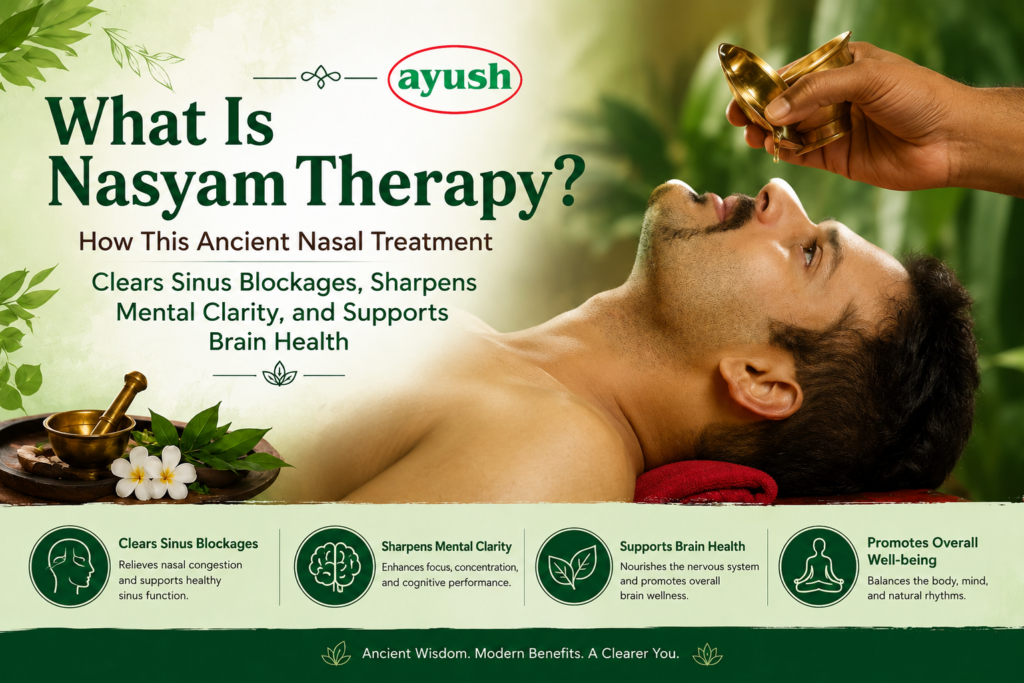
July 12, 2026 What Is Nasyam Therapy? How This Ancient Nasal Treatment Clears Sinus Blockages, Sharpens Mental Clarity, and Supports Brain Health Contact Us +65 6398 0415 admin@ayurvedasg.com Recent Articles Most people never consider their nasal passages as a therapeutic access point. They treat the nose as simply a breathing organ. Classical Ayurvedic medicine understood something deeper. The nasal passage connects directly to the cranial cavity. Substances entering through the nostrils can influence structures governing memory, concentration, and neurological balance. Ayurvedic therapies in Singapore built on this understanding have used Nasyam for centuries to address conditions that conventional medicine approaches from entirely different entry points. Ayush Ayurveda brings this classical therapy into contemporary clinical practice with precision and rigour. Every Nasyam session is designed around the individual’s specific presentation, not a generic template applied uniformly. Why Singapore Residents Are Turning to Nasyam Singapore’s urban environment creates specific health challenges that Nasyam addresses directly. Ayurvedic therapies in Singapore practitioners observe that air conditioning exposure, poor air quality from vehicle exhaust, and prolonged indoor environments combine to create chronic nasal and sinus irritation across large proportions of the population. These symptoms are treated conventionally by using anti-histamines, decongestants or corticosteroid sprays. Each provides a quick fix that ultimately leaves people feeling frustrated from being dependent upon them. Nasyam works differently. It provides therapeutic compounds directly to the affected tissue and works on the inflammation of the mucous membranes, mucous hypersecretion and nervous system disturbance at once and not one after another. However, the Best Ayurvedic Clinic in Singapore believes that symptoms of sinus rarely occur alone and will address them accordingly. They go hand-in-hand with poor sleep, poor concentration, low energy and a feeling of moodiness that is not helped by decongestant medicine. The Anatomy Behind Nasyam’s Effectiveness To understand the working of Nasyam, a basic awareness of the anatomy is necessary. The cribriform plate is a thin piece of bone located at the base of the skull which is perforated by the nerves. Its perforations allow the olfactory nerve fibres to pass straight through it, linking the nasal cavity with the olfactory bulb and deeper limbic areas of the brain that are related to memory, emotion and hormonal regulation. Ayurvedic therapies in Singapore using medicated nasal administration exploit this direct anatomical connection. Therapeutic compounds administered through the nostrils do not need to traverse the blood-brain barrier that oral medications must cross. This proximity dramatically shortens the pathway between therapeutic administration and neurological effect. This anatomical fact is why the Best Ayurvedic Clinic in Singapore has specifically recommended Nasyam for other conditions involving significant neurological involvement such as brain fog, difficulty in concentration and mood related problems along with its main usage for sinus. Preparing the Body Before Nasyam Administration Nasyam has a greater therapeutic effect when it is properly prepared. A single treatment of Ayurvedic therapy in Singapore at Ayush Ayurveda never starts the nasal therapy without the proper steps that are taken to prepare the way and make the tissue receptive. The preparatory phase is started by gently massaging the face with warm oil. Special marma points on the forehead, temples, jaw and neck are stimulated, soothing nearby muscles and enhancing the blood flow. The massage is followed by mild steam exposure, which softens the nasal tissue in addition and expands the constrictions that may hinder the therapeutic distribution. This preparation period will last about 15-20 minutes. At the Best Ayurvedic Clinic in Singapore, this preliminary investment is a must. Without the administration of it, the therapeutic effect is significantly poorer as the tissue without it absorbs and distributes the administered compounds much less effectively. Formulation Selection and Its Therapeutic Significance The therapy used is dependent on the substance used in Nasyam. Ayurvedic therapies in Singapore practitioners use a variety of classical compositions depending upon the pattern presented, constitution and the particular treatment goal of the individual patient. One of the most popular Nasyam preparations of classical Ayurveda, Anu Tailam is a blend of more than 20 herbs, processed in a base of sesame oil. It is used for a wide variety of upper respiratory and neurological ones, so it is suitable for general maintenance Nasyam programmes. Shadbindu Tailam contains certain ingredients due to which it is formulated for the treatment of congestion-dominant presentations, and is the choice of formulation when the prime therapeutic target is sinus blockage. Cognitive enhancement formulations are generally made up of a blend of Brahmi, Vacha and Jatamansi, with the combination of these herbs being beneficial specifically for neurological function. Best Ayurvedic Clinic in Singapore doctors record their selection of formulations and the reason for it systematically to ensure that the treatment plan they make for each session is consistent with the overall course of treatment. Post-Treatment Care That Protects the Therapeutic Outcome The first few hours after Nasyam can make a significant difference as to the overall benefit that the hour will be received. After receiving the Ayurvedic treatment in Singapore, there are specific instructions to be followed to sustain the desired effect of the treatment, which Ayush Ayurveda guides the recipients on. For several hours after treatment, the exposure to cold water should be avoided, such as cold drinks, cold water and the very low setting of the air conditioning system. Therapeutic warming action initiated by Nasyam in the nasal passages and tissue around them dissipates very quickly after being immediately exposed to the cold, thereby negating the sustained therapeutic warming effect. Speaking loudly, straining physically, and exposure to dusty or smoke-filled environments similarly diminish outcomes by disrupting the settled state the treatment has established. Best Ayurvedic Clinic in Singapore clients who follow post-treatment guidance consistently report meaningfully better outcomes than those who return immediately to demanding environments without this protective window. Building Lasting Results Through Consistent Treatment A single Nasyam session delivers noticeable relief for many recipients. Lasting, structural improvement in chronic conditions requires consistent treatment across an adequate course duration. Ayurvedic therapies in Singapore addressing chronic sinus disease, persistent brain