
September 10, 2026
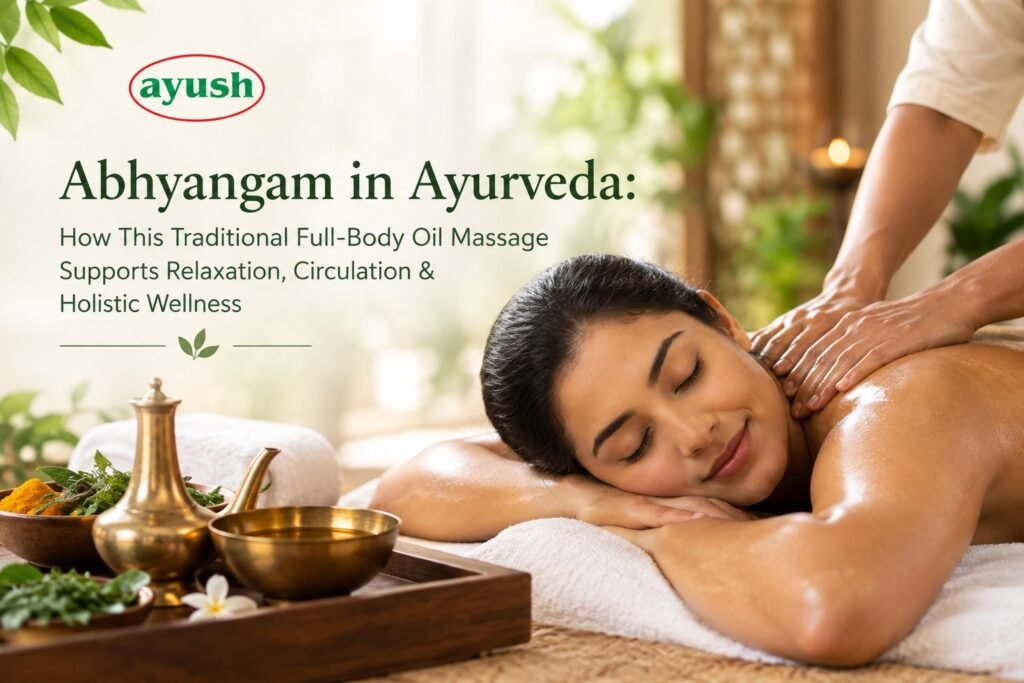
The need for engaging in activities that would make one relax and attend to the needs of the body has become increasingly significant due to the modern hectic life. Working overtime, leading a sedentary lifestyle, traveling often and using electronic gadgets may make one’s body feel tired and mind preoccupied all the time. Even though movement and living healthy should not be forgotten, traditional wellness methods like Ayurveda have specific techniques that can help one relax and take care of oneself fully.
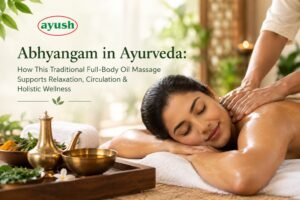
Abhyangam is a popular traditional Ayurvedic technique of massaging the body with oil. This technique implies performing an oil massage on the whole body by rhythmically moving hands, using special kinds of oils that have been chosen using traditional Ayurvedic principles.
For individuals exploring Ayurvedic wellness therapy Singapore, understanding the traditional approach behind Abhyangam can help them appreciate how this practice may complement a modern self-care routine.
Abhyangam refers to a technique whereby oils are applied on the body using massage. In the field of Ayurveda, the practice of applying oil has been given great significance throughout time.
In the course of an Abhyangam, oil (usually medicated and heated) can be applied on various parts of the body by use of special massage techniques. This depends on the particular individual and his/her needs as determined by the practitioner.
Unlike regular massage that is the same for all individuals, traditional Ayurvedic massage is highly personalized. There are considerations that a practitioner may take into account when determining the best type of massage for an individual such as body type, lifestyle, age, activity, etc.
One of the main things that motivates people to opt for Abhyangam is the feeling of peace that comes about through slow and rhythmic body massage.
The warmth of the oil used and the slow pace of the therapy might lead to sensory relaxation for an individual who spends most of his or her day at a desk or going through a range of activities.
It would be wrong to view Abhyangam as a means of curing any ailment, whether physical or mental. This procedure is a traditional form of relaxation therapy that can complement one’s relaxing regime.
Massage is essentially physical stimulation of the skin and tissue underneath it. Rhythmic strokes done during Abhyangam are regarded as helpful for healthy movement and circulation in the body according to the traditional perspective.
From a contemporary point of view, this can attract individuals because they remain inactive for extended periods of time. Working seated for an entire day at the workplace, traveling for many hours or remaining physically inactive can make one’s body stiff and uncomfortable.
Traditional and contemporary interpretations might not be exactly the same, but still, the physical aspect of massage can bring some relief and loosen up the body. Thus, people must not treat Abhyangam as medical therapy for circulation problems.
Oil is an important part of traditional Abhyangam. Ayurvedic practitioners may select different oils depending on the individual’s constitution and the purpose of the session.
The oil may be gently warmed before application, creating a soothing sensation on the skin. Herbal oils can contain plant-based ingredients traditionally used in Ayurveda, although formulations differ between practices.
Because the ingredients can vary, people with allergies, sensitive skin, or known reactions to particular herbs should inform the practitioner beforehand. A professional consultation helps ensure that the selected preparation is appropriate for the individual.
A traditional session usually begins with a conversation between the practitioner and the individual. This provides an opportunity to understand lifestyle patterns, wellness concerns, and expectations before the massage begins.
The practitioner may then select an oil and establish an appropriate technique. The oil is applied systematically to different areas of the body, followed by rhythmic massage movements.
A session may involve:
● Consultation before the therapy
● Selection of an appropriate Ayurvedic oil
● Warm oil application over the body
● Rhythmic massage followed by suitable post-therapy care
The exact sequence can differ according to the clinic, practitioner, and individual’s needs. Some Ayurvedic settings may also recommend bathing or other simple aftercare following the massage.
A traditional massage can be relaxing, but lasting wellbeing depends on several aspects of everyday living. Adequate sleep, nutritious food, regular physical activity, hydration, and healthy work habits remain important components of a balanced lifestyle.
Abhyangam can be incorporated into this broader routine as an intentional period of body care. Rather than waiting until the body feels exhausted, some individuals may prefer to establish regular wellness practices that encourage them to pay greater attention to physical comfort.
This approach aligns with the broader Ayurvedic emphasis on prevention and maintaining balance through appropriate daily habits.
Choosing an experienced practitioner is important when considering traditional Ayurvedic procedures. People searching for Ayurveda doctor consultation Singapore should look for a practice that takes time to understand their individual requirements instead of immediately recommending a particular therapy.
A consultation can help determine whether Abhyangam is suitable and which type of oil or treatment approach may be appropriate. Individuals should also disclose existing medical conditions, allergies, skin sensitivities, medications, pregnancy, or any other relevant health information before undergoing a session.
A responsible Ayurvedic practice should explain the therapy honestly, including what it can and cannot reasonably be expected to achieve.
Abhyangam can appeal to adults looking for traditional approaches to relaxation, body care, and wellness. It may be especially attractive to people whose daily routines involve prolonged sitting, physical exertion, frequent travel, or considerable mental workload.
However, suitability varies from person to person. Individuals with acute injuries, skin infections, unexplained swelling, fever, certain medical conditions, or other health concerns should seek appropriate professional advice before receiving a massage.
The goal should always be safe and informed wellness rather than following a traditional practice simply because it is popular.
Ayurveda offers a different perspective on self-care by encouraging people to pay attention to the relationship between lifestyle, physical comfort, and overall wellbeing. Abhyangam reflects this philosophy through a simple combination of warm oil, structured massage movements, and dedicated time for rest.
For those considering Ayurvedic wellness therapy Singapore, Abhyangam can be an option worth understanding as part of traditional body-care practices. Its value lies not only in the massage itself but also in creating space to slow down and become more attentive to the body’s everyday needs.
With suitable professional guidance, traditional therapies can complement modern wellness routines while remaining grounded in realistic expectations. Abhyangam is therefore best approached as one element of holistic self-care rather than a standalone solution for every health concern.
Ayurvedic consultant Ajesh M. BAMS earned his Bachelor Degree in Ayurveda Medicine and Surgery from Karnataka Ayurveda Medical College under Rajiv Gandhi University of Medical Science, Bangalore, Karnataka in 2011. He served in various Ayurvedic institutions in Kerala as an Ayurvedic Physician and has over 8 years of experience in Keraleeya Panchakarma Chikitsa.
allooparambil Joshy Lijo has a Diploma in Ayurveda Nursing & Panchakarma Therapy from Kuttielavil Ayurvedic Centre and Institute, Kottayam, Kerala (2006-2007). He has an experience of 12 years in Ayurveda Panchakarma therapies. He is well-trained in Kalari Marma Therapy by Unnikrishnan Gurukkal, Anjaneya Kalari, Kottayam.
Anushiya graduated with a Bachelor of Ayurvedic Medicine and Surgery (BAMS) from Ayurveda College Coimbatore, India in 2007. She underwent an intensive training and clinical practice under the mentorship and guidance of her guru ayurvedic consultant L Mahadevan Iyer, who is a highly acclaimed physician, a great Sanskrit and Vedic scholar.
She has been practicing as Asst Medical officer and subsequently, Senior Medical officer in India. Currently she is been associated with Ayush Singapore since Jan 2019. Having specialized with In-Patients & Out-patients treatment with Ayurvedic methodologies & Medicine, she will be able to ensure that you are diagnosed and treated with utmost professionalism.
With almost decade of experience in diagnosing and healing in various medical conditions using pure natural Ayurvedic methods. She is highly skilled in Detoxification and Rejuvenation Therapy. she has a lot of passion and dedication to this profession.
Her interest towards Research Fields such as Panchakarma application according to different place, Ayurvedic awareness in the world and different modalities in disease are some of the highlight.
Issac Sunithamma has a Diploma in Ayurveda Nursing and Panchakarma Therapy from Srikrishna Ayurveda Institute, Alappuzha, Kerala (2007-2008). She has over 11 years’ experience in Ayurveda Panchakarma therapies. Her record includes working as Senior Therapist, Ayur Cure Ayurveda Hospital, Hyderabad (5 years); Senior Therapist, Samkkya Ishak Integrated Center, Malacca, Malaysia (2012-2013). She is currently a therapist at Ayush Ayurvedic Center, Yishun, Singapore since 2017.
Deepesh Damodaran holds a Diploma in Ayurveda Nursing and Panchakarma Therapy (2006-2007) from Parassinikadavu Ayurveda Medical College Kannur, Kerala. In his extensive 12 years as a Ayurveda therapist, he has worked as Senior Therapist, Samkkya Ishak Integrated Health Center, Malacca, Malaysia (2012 – 2013) and, Senior Therapist at the Ayurveda health club owned by Nimr Al- Gharbia Trade & Cont. Co. L.L.C, Salalah, Sultanate of Oman (2009 – 2011). Deepesh Damodaran is currently an integral part of Ayush Ayurvedic Center, Yishun, Singpore since 2017.
Ayurvedic consultant ARCHANA T.P,BAMS,MD(AYU),is having 9 years of experince in Ayurvedic Consultation since 2011. She secured Bachelor in Ayurvedic Medicine and Surgery (Ayurvedacharya) in 2011 from JSS Ayurveda Medical college, mysore,karnataka Thereafter she completed her Post Graduate (MD in Ayurveda – kayachikitsa) from Sri Kalabhairaveswara Ayurveda Medical College and Research Centre Bangalore, karnataka in 2015. She served as junior consultant at Poornayu Ayurveda Nikethanam , Meenangaadi, kerala,india in 2012-2013. NOW she was working as an Ayurvedic consultant at Ayush Ayurveda Pte Ltd, Yishun
Ayurvedic consultant. Sudev C. BAMS, MD(Ay) is an Ayurvedic consultant with a rich consulting experience of 10 years. He secured Bachelor in Ayurvedic Medicine and Surgery (Ayurvedacharya) in 2009 from ALN Rao Memorial Ayurveda Medical College (Rajiv Gandhi University of Health Sciences, Bangalore, Karnataka). Thereafter, he completed post-graduation in Ayurveda Vachaspati from the same college. His MD was in the subject of "Kayachikitsa". Ayurvedic consultant Sudev has presented papers in various National and International seminars. He trained under Ayurvedic consultant PMS Raveendranath (Disciple of Brahmashree Vaidyamadham Valiya Narayanan Namboothiri) in Poonthottam Ayurvedashram, Kerala for hands-on treatment and Keraleeya Panchakarma Chikitsa. He served in various Ayurvedic hospitals as Chief Consultant. Previously he was working as an Ayurvedic Physician in Ayush Ayurvedic Sdn Bhd, Johor Bahru, Malaysia.
She studied Panchakarma Ayurveda Course at Centre for Indian Medicine in 2011 and secured Diploma in Ayurveda Nursing & Panchakarma Therapy from Bharat Sevak Samaj Government of India in 2013. She is having an experience of 8 years in Ayurveda Panchakarma Therapies in India and in Malaysia. She joined Ayush on 2019.
He secured Certificate in Spa Services from Singapore Workfoce Skills Qualificatios at Spatec Academy in 2015.He is having an experience of 18 years in Ayurveda Panchakarma Therapies in Singapore and Malaysia. He also secured Diploma in Medicina Herbalism from Royal Institute of Health Sciences Mumbai in 2000, Diploma in Ayurveda Panchakarma Therapies at Prasanthy Institute of Ayurvedic studies in 2000. Joined Ayush on 2015
Ayurvedic consultant Ram Prasad graduated with a degree in Ayurvedic Medicine and Surgery (BAMS) from Bharatiyar University, Tamil Nadu, India in 1990. Meanwhile he undertook private study of ancient treatises with V.V Vasudevan, Director Arsha Yoga Vidya Peetham, Coimbatore from 1986 till 1989, besides clinical study with Vaidyamadham Cheriya Narayanan Naboodiri, the esteemed Ayurveda Master, from 1990 till 1991. In 2005 he completed a Certificate in Advanced Clinical Hypnotherapy with the Academy of Applied Hypnosis, Sydney. He is currently pursuing a course on Mind-Body medicine – Mind-Body Psychology with Greg Neville.
Ayurvedic consultant Raveendranath graduated from Ayurveda College Coimbatore with a Bachelor in Ayurvedic Medicine and Surgery (BAMS) in 1988. In 1989 he founded Poonthottam Ayurvedasram. He was initiated into Ayurveda by his father who is a renowned Sanskrit scholar belonging to a family of ardent believers of Ayurveda. To know more about ayurvedic consultant Raveendranath and Poonthottam
Ayurvedic consultant Ramesh R Varier graduated in the first rank from Madras University with a degree in Ayurvedic Medicine and Surgery (BAMS) In 1985. After a brief stint as tutor at Ayurveda College Coimbatore, he joined AVN the family owned Ayurvedic institution. To know more about Ayurvedic consultant Varier and AVN click here